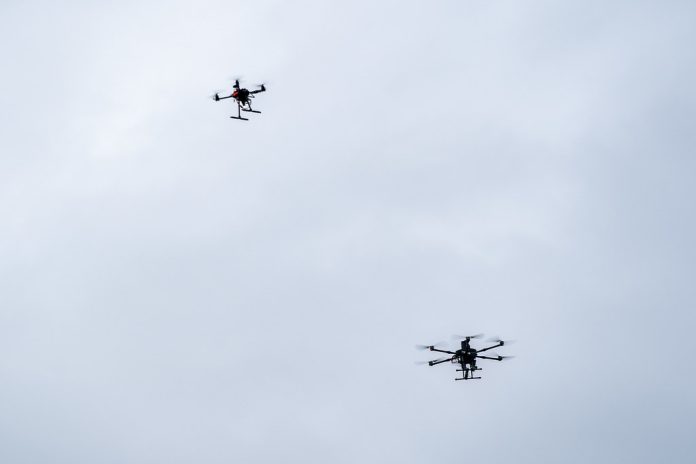
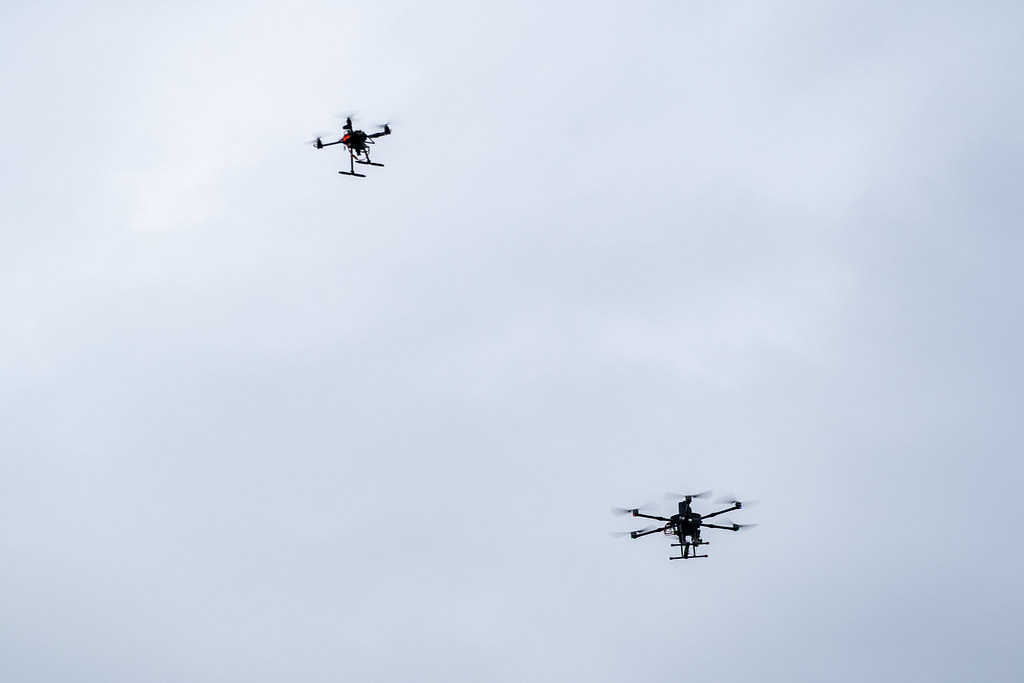
Gone are the days when fighter jets and helicopters had exclusive rights over the skies above the modern battlefield. In the last two years alone, unmanned aerial systems have surged to the fore in military operations-from the Eastern Front in Ukraine to the Gaza Strip-changing tactics along the way. But even as armed drones forge forward in development, so too does the technology engineered to bring them down in this ever-quickening race of innovation and adaptation.
That was underlined last week by the UVID Conference in Tel Aviv, where Israeli and international companies showed very new counter-UAS systems-an expression of a sense of global urgency at threats that range from kamikaze drones to swarming quadcopters. Events such as the temporary shutdown of Brussels Airport after sightings of drones make real the fact that this competition is no longer confined to war zones, but now concerns national security about civilian infrastructure too.
Below is a list of the top ten developments on both the offensive capability of drones and the defensive measures taken against them to neutralize their threat, including positioning by the militaries and industries in this evolving battlespace.
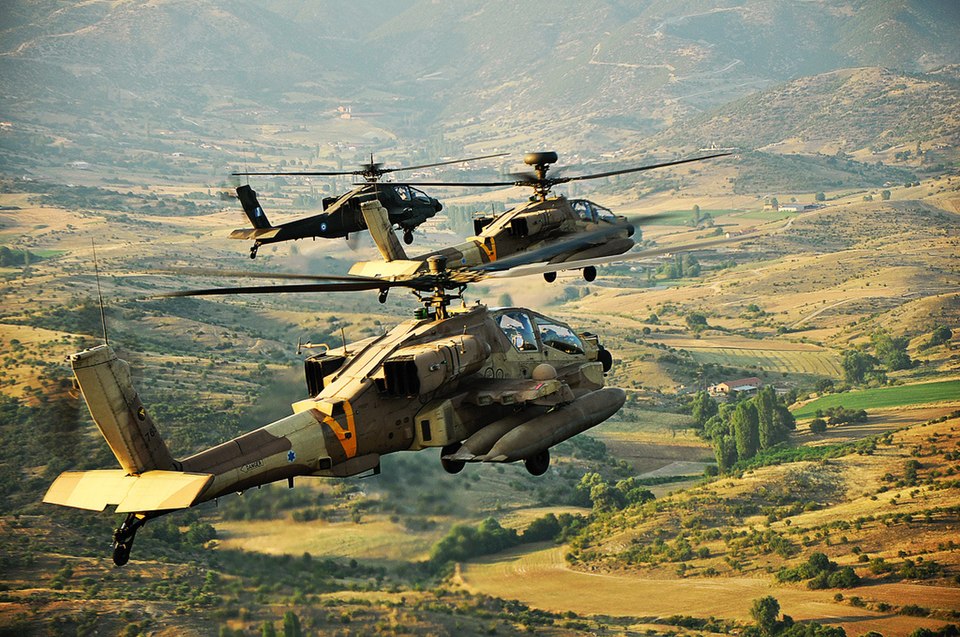
1. Apache helicopters as mobile drone hunters
The AH-64E Apache has been an extremely capable counter-UAS platform. Among many examples, Operation Flyswatter saw the South Carolina Army National Guard score 13 kills from 14 engagements, using everything from laser-guided missiles and rockets up to the 30mm cannon. “The Apache-using current software and systems-is lethal and adaptable to meet the challenges of the drone threat,” CW5 Daniel York summarized. The Apache, with its AN/APG-78 Longbow radar and integration with Link 16, shares targeting data across formations, compressing sensor‑to‑shooter timelines and offering near‑instant responsiveness against both small and large drones alike.
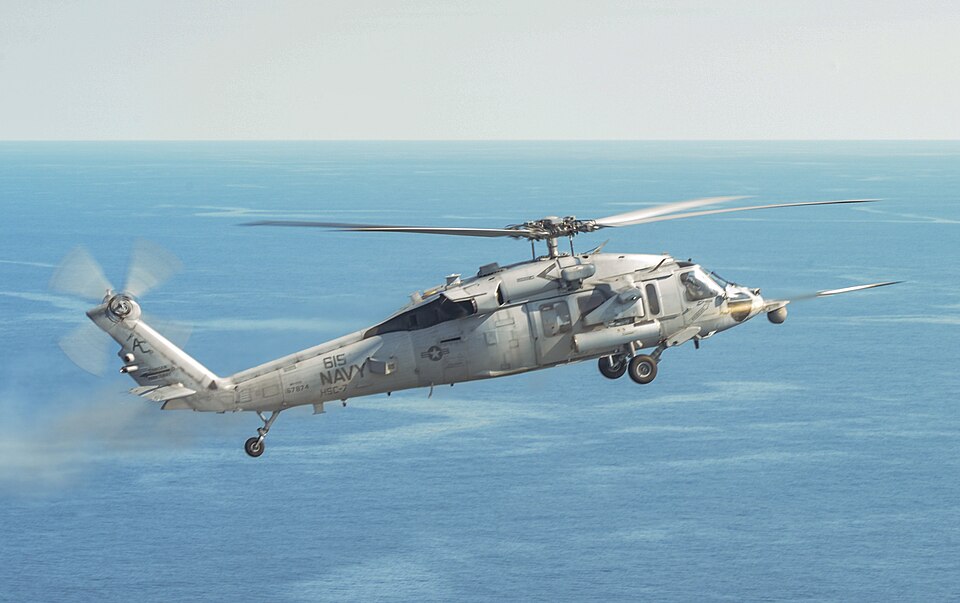
2. Low Cost Precision Weapons
With around $25,000-30,000 per round, the Hydra-70 rocket with the Advanced Precision Kill Weapon System guidance kit is doubtless one of the clear standouts in the Apache’s arsenal. Contrasted against the AGM-114 Hellfire, at $215,000 each, the APKWS represents an incredibly well-balanced cost and capability set that has proved its worth in “buddy-lase” tactics, employing proximity fuze in its counter-drone variant. Plans for a dual-mode guidance package including infrared seekers could allow for simultaneous engagements-a crucial advantage when facing swarms.

3. Israeli Radar Developments
For this purpose, the Israeli defense industry has invested in detection systems capable of tracking micro-drones. Indeed, the 2022 DAiR radar unveiled by Elbit uses AESA antennas combined with micro-Doppler processing for the detection of hundreds of aerial targets at 12-15 km. The IAI ELI‑2139 Green Lotus mounts multiband radar, communications‑intelligence sensors, and electro‑optical cameras on a mobile platform that allows rapid deployment aimed at protecting bases or frontline units. All these systems are compatible with NATO protocols and integrate easily into the allied defense networks.
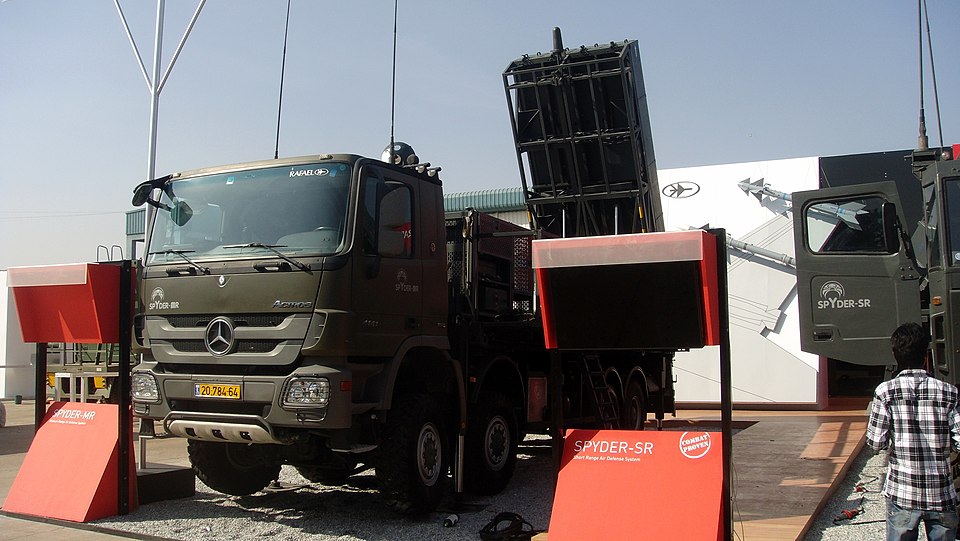
4. Drone Dome and Directed Energy
Coupling radar and optical tracking with electronic jamming and high‑energy laser interception in its modular configuration, Rafael’s system operates in stand-alone mode or can be networked into larger air defense grids suitable for airports, bases, and urban defenses. Laser capability provides a physical kill option without the collateral damage associated with explosive munitions-a factor of growing importance in denser environments.
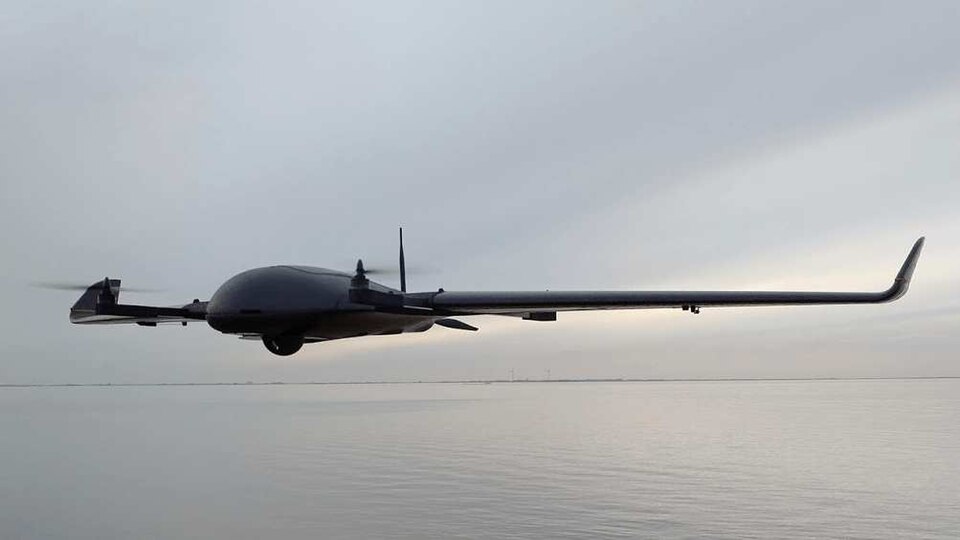
5. Cyber Takeover Countermeasures
Beyond kinetic solutions, Israeli startups have built systems for seizing control of hostile UAVs in mid-flight. Deployed on NATO bases amongst others, D-Fend Solutions’ EnforceAir uses a cyber takeover technology to safely redirect or bring the drones to the ground. Neutralising the threat without debris or blast risk, it will be especially valued when civilian infrastructure protection demands intercepts that preclude putting bystanders in jeopardy.
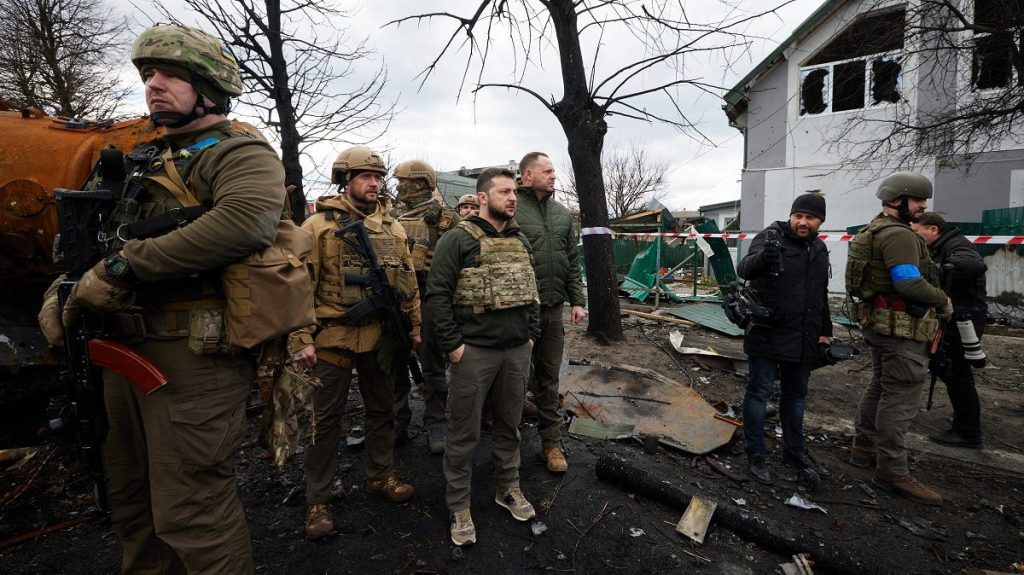
6. Lessons from Ukraine’s Drone War
Ukraine has become a testing theatre for mass drones and countermeasures. Forces operating there go through about 10,000 small drones a month, treating these inexpensive aircraft as basically expendable artillery in recon and strike missions. Innovations have included adapting fibre-optic FPV drones resistant to jamming and decoy drones designed to confuse defences. All these lessons will feed into informing NATO doctrine, in particular countering saturation attacks.
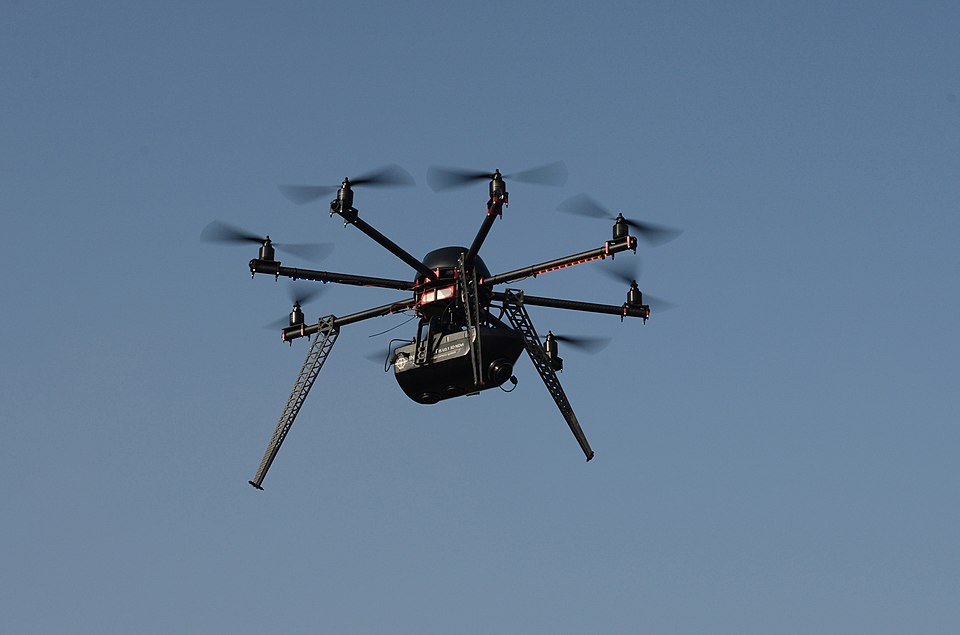
7. Helicopters in Global Counter‑UAS Roles
Besides the Apache, armed forces around the world have used helicopters against drones: the Israeli Air Force has intercepted Hezbollah UAVs with AH‑64s, and the French Navy brought down Houthi drones over the Red Sea. Ukrainian Mi‑8s have fired M134 Miniguns against Russian Shahed drones. Helicopters have more mobility and can be forward-positioned than ground-based systems, escorting forces and protecting other aircraft against aerial threats.
8. NATO’s Counter‑Drone Integration
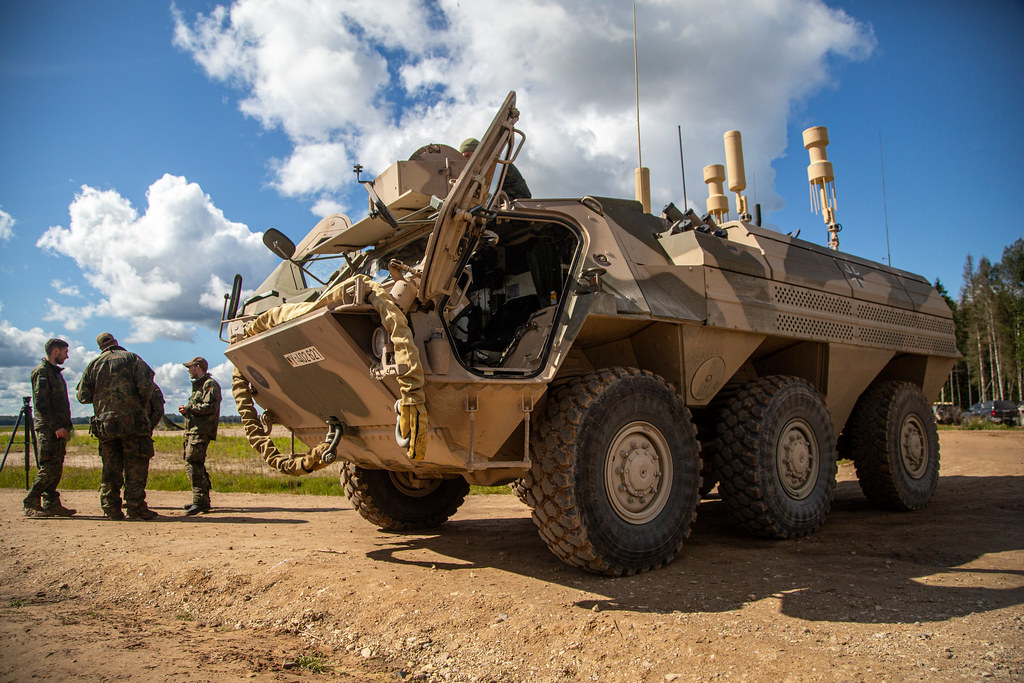
NATO focuses on forward-deployed counter-UAS systems, including mobile jammers and laser interceptors along its eastern flank, and AI-enabled detection optimized for low-altitude threats. Joint development programs standardize swarm tactics and resilient communications, integrating lessons from partners like Israel into base-defense protocols. This effort now addresses the gaps in low-cost, scalable drone production to match adversarial quantities.
9. Israeli Offensive Drone Diversity:
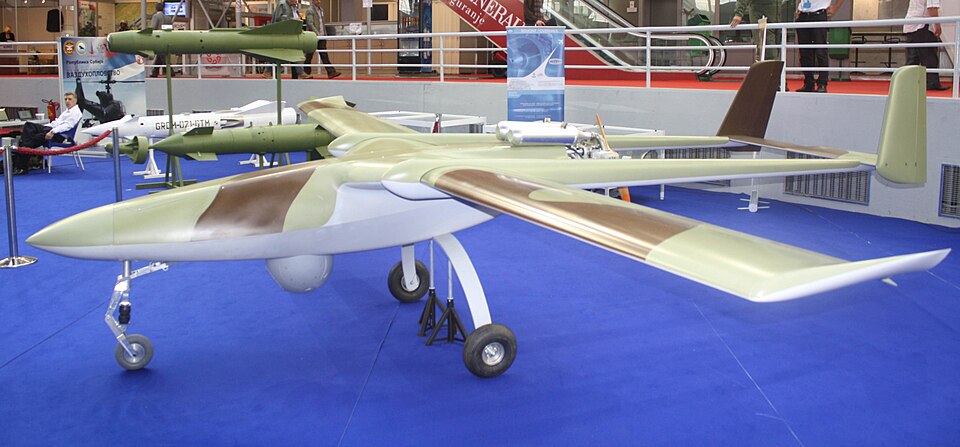
From hand-launched reconnaissance UAVs like Skylark, to backpack-deployed loitering munitions like Maoz, to autonomously tunnel-navigating microquadcopters like Lanius and Ninox, the diversity in the Israeli fleet of drones will be hard to match. Unit 888 or the IDF Multidimensional Unit reportedly tests tactics that would weld infantry and robotics with sensors and aerial intelligence together. In 2024, a tender was floated for 20,000 tactical drones. That underlined the scale of the Israeli investment to integrate UAVs across operational levels.
10. The Global Supply Chain Challenge:
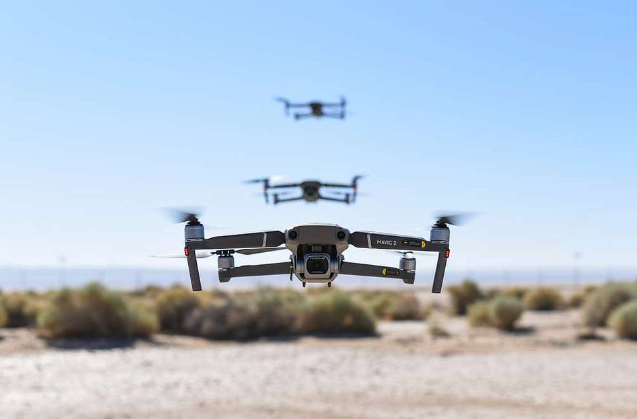
Roughly 80% of critical drone electronics used by America’s adversaries are sourced from China, including dual‑use sensors and communications hardware. Often, the parts show up in conflict zones via third‑country intermediaries-meaning production continues unabated despite sanctions. This shadow supply chain makes counter‑UAS more challenging since adversaries can scale up their production of drones at a fast pace. More stringent export controls and diversified sourcing for allied drone programs are what this challenge requires. The rapid pace of innovation by both sides is forcing an increasingly frenzied competition between armed drones and counter‑UAS systems.
Agility and speed will define the race-from evolving function of Apache as a mobile air‑defense platform to integrating radar, lasers, and cyber‑takeover tools by Israel. The spillover of incidents into civilian domains and porous supply chains suggests that success will not lie only in the deployment of sophisticated systems but in embedding them into tight, responsive defense networks. The front line in this increasingly contested battlespace will be the one which can innovate under fire and use battlefield experience to drive next‑generation capabilities.


