
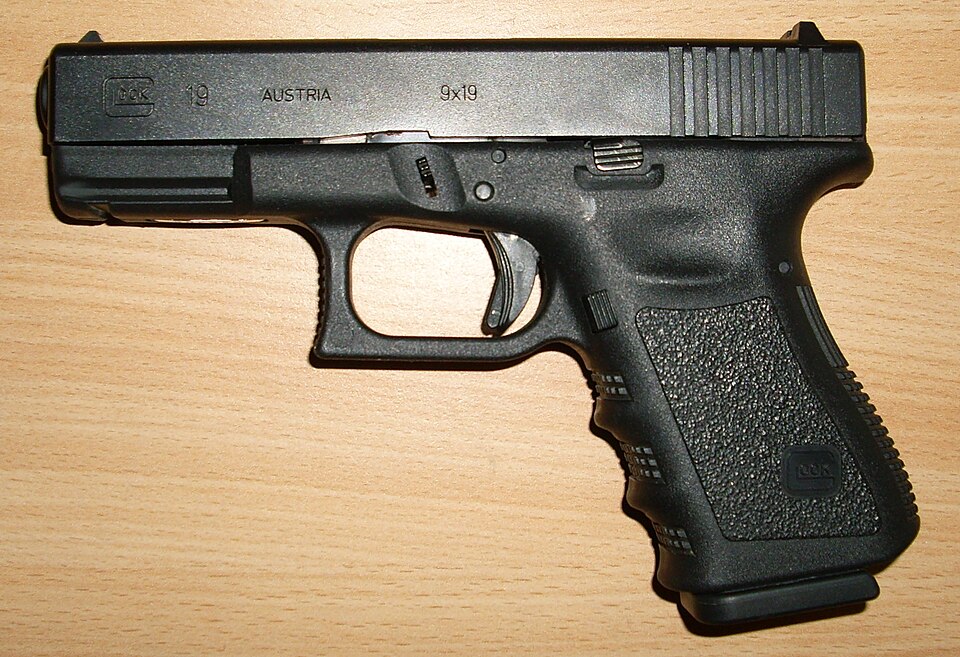
In the dramatic sense, modern hand guns seldom fail. Rather, the points of pressure manifest where engineering meets the real world: the commonality of parts in micro-compacts, an increase in the number of slides, needing to shift supply chains, and a legal landscape that is increasingly seeing the design choice as a risk factor. The implication is a silent, yet quantifiable industry-wide trend that manufacturers are sealing certain loose areas that may turn into a pain in the reliability neck, a safety debacle, or a liability time bomb. There are those that are internal and invisible, whereas others transform the interaction of a pistol with the aftermarket.
1. Glock-compatibility that doubles as a legal liability
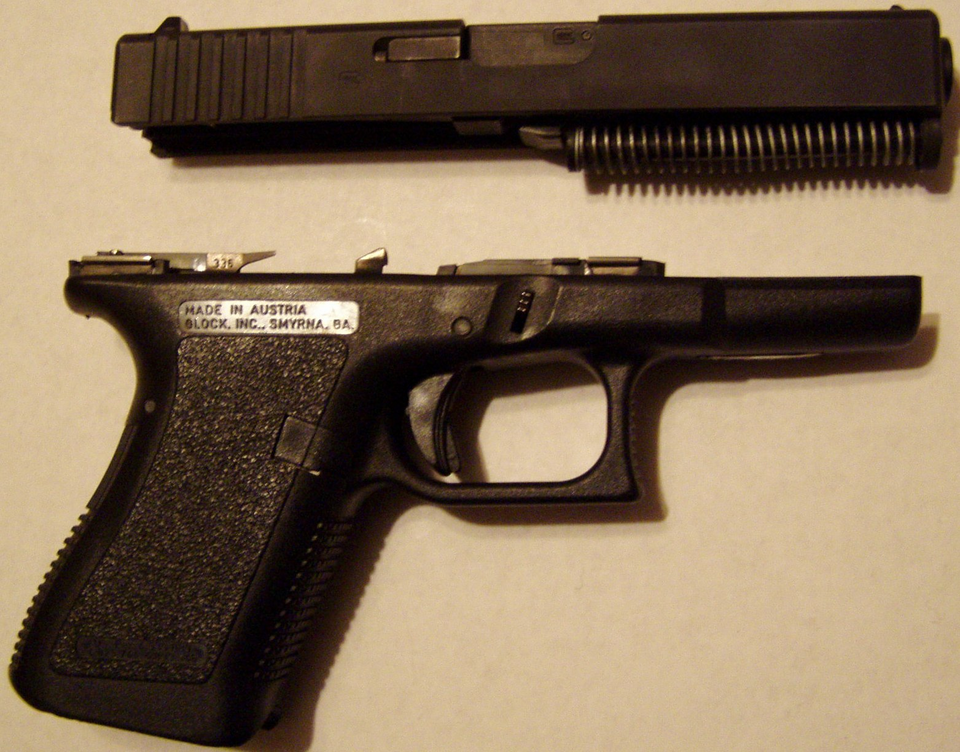
Glock-pattern pistols, which are constructed on the geometry of Gen 3 style, are the ones that are popular because they have a massive ecosystem of holsters, sight, triggers, and internal components that they can accept. The same interchangeability has been a target of some claims that the Glock-like designs can accept unlawful conversion parts which are targeted at Glock designs. The Gen 3 compatibility generally in the case of Ruger places the RXM in a distinct role of scrutiny than engineering testing, with pin positioning, rear plate shape, and fire-control design, all being targeted by a different scrutiny than pure performance testing.
2. conversion device-accepting frames and rear-end geometry that is capable of accepting conversion devices
One of the most common design objectives is the rear-of-the-slide/frame interface, where machine guns have been converted illegally and connect with the firing elements of a striker-fired pistol. There is little that manufacturers can do to mitigate this weak point: the drop safety has to remain constant, trigger feel has to be consistent, and must pass endurance testing. Even small dimensional adjustments can reverberate into parts fixture, assembly and even acceptance of standard aftermarket items into the pistol.
3. Micro-compact slide velocity and primer drag
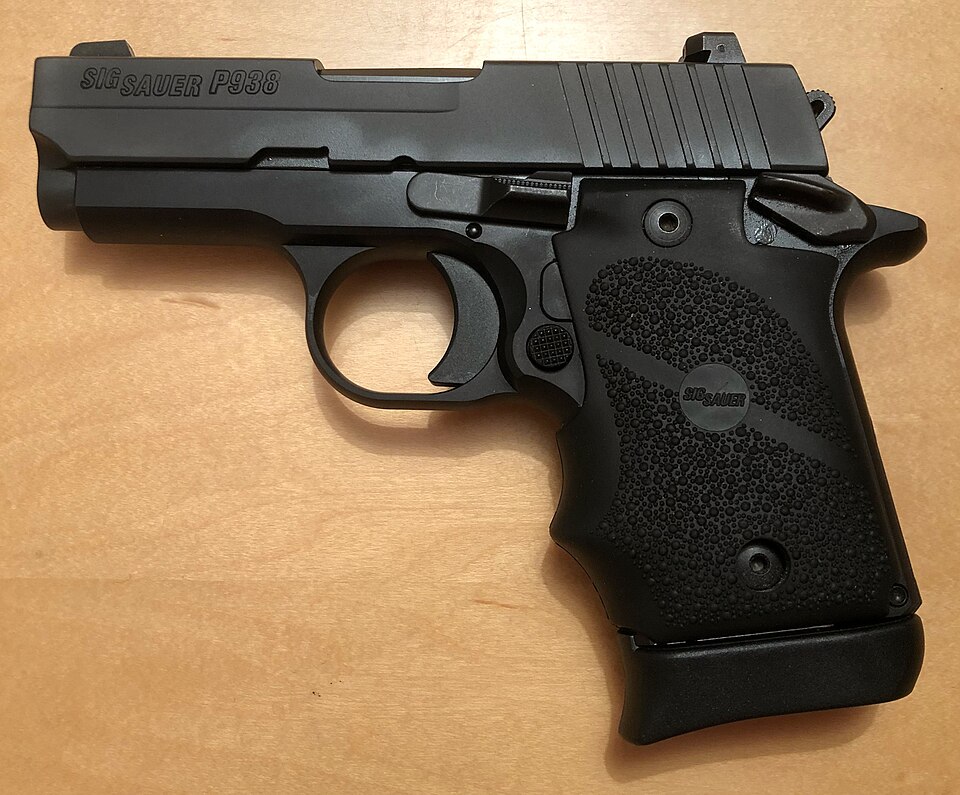
The smaller, lighter slides rotate with higher velocity and this velocity may manifest itself on fired brass in the form of prima drag/smear, a phenomenon that may cause alarm among owners in a perfectly functioning pistol. In one message posted on the customer service desk of SIG Sauer, the company said: “”Primer drag is normal and to the design of the P365, it is signatory of an operating P365. The same reply links the effect to the unlocking of timing and striker movement in the cycle, and provides that the effect is also typical in striker-fired micro-compacts because the slide speed is increased.

4. Striker strength in side loading and short timing
Timing margins decrease as the size of pistols decreases. That may enhance sensitivity to striker geometry, heat treat, and the interface of the striker to the sear and striker safety. These problems are common in the experience of their owners in the form of irregularity in the primer marks, random light hitches, or (in the worst case) broken strikers- the latter being evident in large-scale user populations but hard to replicate in a controlled experiment.
5. Revision churn: components that are changed without apparent external explanations
It is common practice in guns manufacturing to implement frequent running changes, which can cause confusion when users are aware that there are several versions of the striker, extractor redesigned to work, or some quiet changes in internal geometries. The reply of the customer service at SIG also stated: “”Sig Sauer has product changes that are regular over the life of all our products. That is another truth of the industry at large: design changes can take the form of performance tuning, manufacturability improvements, or a change of suppliers, and the external world may frequently be unable to tell which of these motivations prompted a change.

6. Tradeoffs with recalls strikers: correcting a single safety edge case without compromising the part
Once a design of striker has been fixed to combat an edge-case safety issue, the replacement component must live long enough to be used in practice high round count, long dry firing, and faulty maintenance. One FN owner discussion user summed up the tension in a nutshell: the newer striker seemed to solve a particular out-of-battery/trigger-reset condition, however, the part strength might now be called into question. It is a time-honored engineering trade: by adding or subtracting material to alter the behavior of engagement, the stress concentrations can move unintentionally elsewhere.
7. Low-cost conversion components and 3D-printed conversion components beating design controls
The second weakness is that it assumes that the issue of illegal conversion can be fixed with tweaks in the manufacture-side of the design when it is possible to print machine gun conversion devices, not necessarily at the end of a conventional supply chain. With the increased speed of consumer 3D printing and file sharing, companies are forced to play on an uneven playing field: The factory can reduce compatibility with certain parts, but it cannot in reality block all paths to illicit experimentation without fighting fundamental operating systems – and forfeiting the very interoperability that many consumers are seeking.

8. State liabilities systems that are driving preemptive redesigns
A number of states have widened civil inlets targeting manufacturers, altering the manner in which the argument of foreseeable misuse is presented concerning product characteristics. The strategy of Connecticut is frequently mentioned in terms of the Firearms Industry Responsibility Act, according to which design and promotional decisions may be taken in a way that they promote the outcome of illegal actions. To engineers and product managers, that changes the point of gravity to not asking whether it works but asking how will this feature be described, particularly when the selling point of a pistol is compatibility.

9. Economic weather affecting thinning patience to do costly repairs
Redesigning internals, proving changes, re-tooling, and sustaining multi-part generations are costly, at the time when the margins have been strained throughout the sector. The industry-wide 2025 indicated continued reluctance in the demand including the NIC checks decreasing continuously in 7 months of the year. Said background is important as it shortens the time frame on making decisions: as to whether to invest in compatibility preserving redesigns, segment models by jurisdiction, or standardize on more conservative (and in some cases less modular) architectures.
The uniting factor among these points of pressure is that in most cases, the weak spots can hardly be one broken part. They are cross points- between timing and materials, between modularity and control, between customer expectations and legal framing. Manufacturers are countering by making changes in geometry, new parts, and making them run quieter, and by coping with what made these platforms interesting in the first place: reliability, simplicity, and a parts ecosystem that can be made to run how the user wants.


