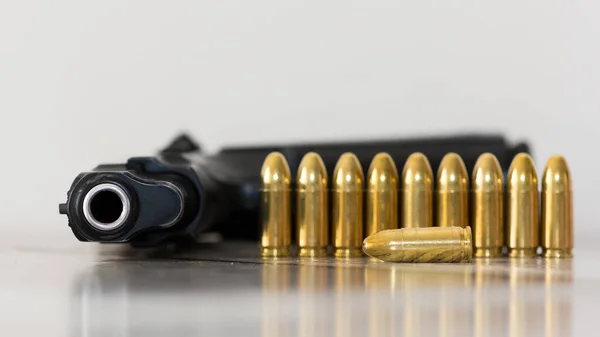
Handgun caliber debates often get reduced to brand loyalty, internet folklore, or confidence built around a favorite carry gun. The more useful question is simpler: whether a cartridge offers enough penetration and consistency to reach vital structures when angles, clothing, or short barrels make the job harder.
That is why the 12-to-18-inch FBI penetration window still matters in defensive handgun discussions. It is not a guarantee of real-world outcomes, but it remains a practical benchmark for identifying cartridges that operate with very little margin for error.
1. .22 LR
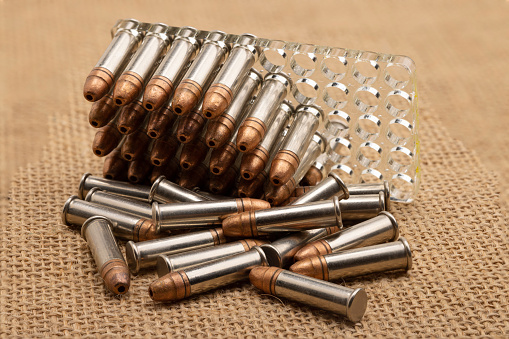
.22 LR remains the most argued-over cartridge in the small-caliber world because it can work, but it often works without much reserve. In pocket pistols and snub-size handguns, the round can lose enough velocity that hollow points fail to behave as intended, either expanding too quickly or not driving deeply enough.
One short-barrel test of CCI Stinger from a Ruger LCP II .22 produced 8.6 inches average penetration, far below the common benchmark. Greg Ellifritz also noted a long-running concern with the cartridge’s limited ability to reliably penetrate deeply enough for consistent physical incapacitation, especially when shot placement is less than ideal.
2. .25 ACP
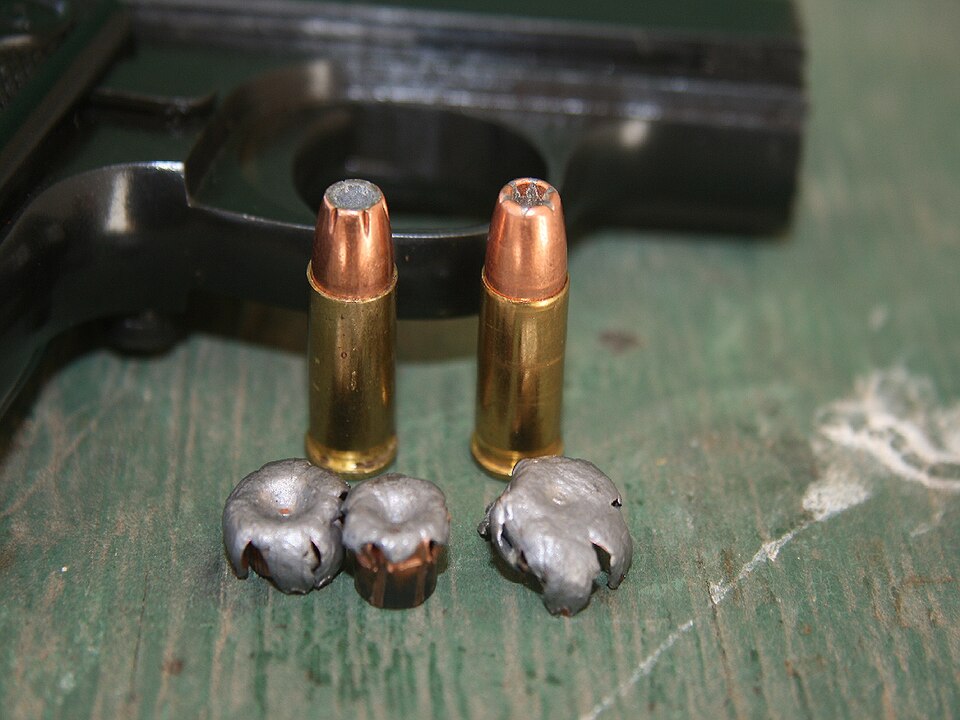
.25 ACP was built for extremely small pistols, and that heritage still defines its limits. With light bullets and modest velocity, it does not bring much momentum to the target, so there is little room for expansion and deep penetration at the same time.
That usually leaves the cartridge leaning on narrow wound paths rather than robust terminal performance. In a clean, unobstructed shot it may still reach meaningful depth, but defensive standards are built around the possibility of clothing, bone, and imperfect angles, and .25 ACP rarely offers extra ballistic headroom.
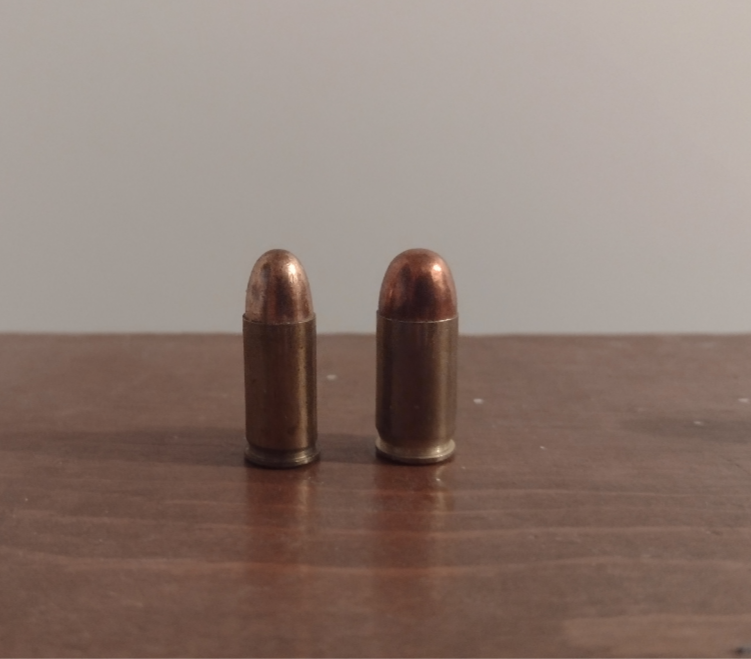
3. .32 ACP
.32 ACP sits between the smallest pocket rounds and more capable carry calibers, but it often lands in an awkward middle ground. It is easy to shoot in many compact pistols, yet it still pushes a relatively small bullet at modest energy levels.
The recurring problem is the same one seen in many borderline cartridges: expanding loads often fail to penetrate deeply enough, while full metal jacket loads penetrate better but do not enlarge the wound channel. That tradeoff has kept .32 ACP in the conversation without moving it far beyond it.
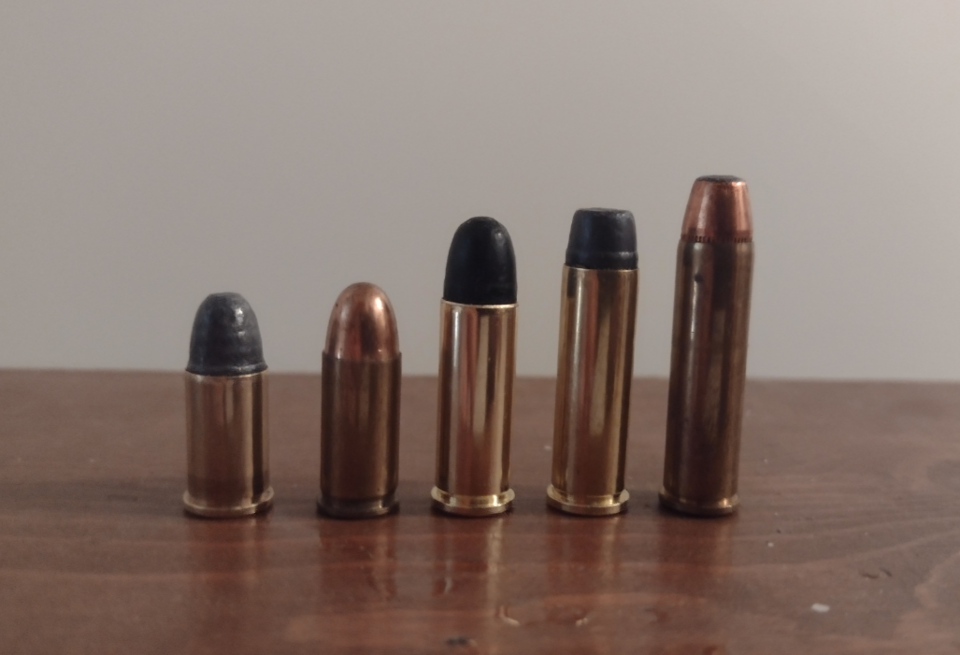
4. .32 S&W Long
.32 S&W Long has a reputation for light recoil and good practical accuracy in revolvers, but those virtues come from a cartridge designed for a different job. Standard-pressure loads are typically slow and mild, which helps controllability but does not help when a bullet must push through layered clothing and still reach deep anatomy.
Its traditional strengths show up on the range more than in modern terminal standards. In gelatin comparisons, it tends to reveal exactly what its age and mission suggest: a low-stress revolver round that struggles when measured by contemporary defensive expectations.
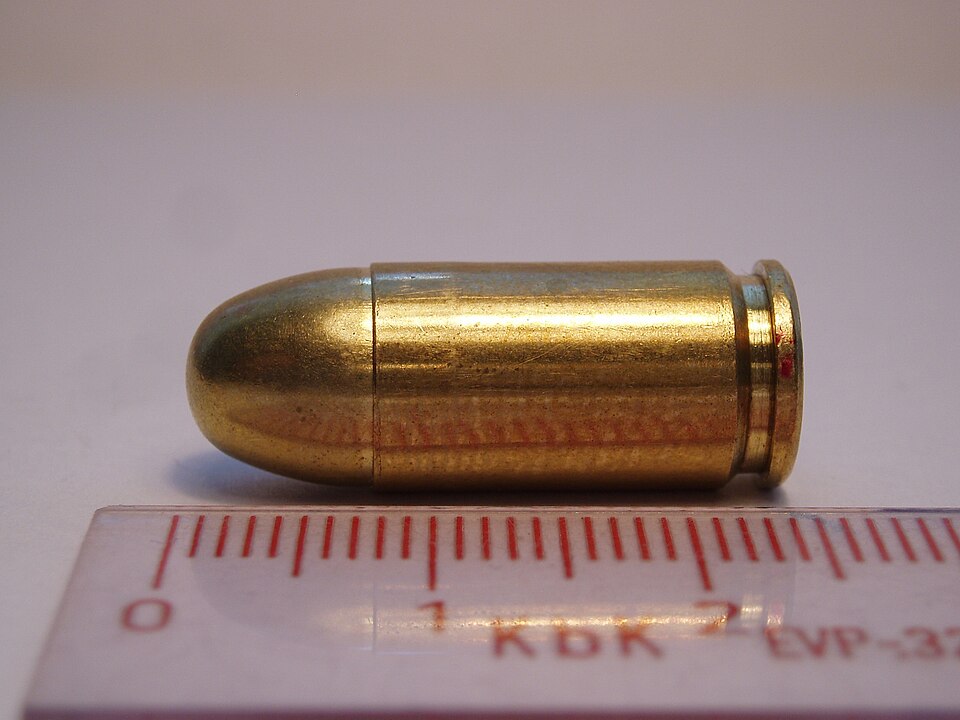
5. .380 ACP
.380 ACP is one of the most common concealed-carry chamberings because the guns are easy to hide, not because the cartridge has excess performance. In compact pistols, it often lives on a narrow edge where enough expansion can cost too much penetration, and enough penetration can mean little or no expansion.
Large-scale gel testing has repeatedly shown that .380 loads often split into two camps: some expand but stop short, while others drive deep only after failing to open properly. The caliber has improved with modern bullet design, but it still operates closer to the minimum than service calibers do.
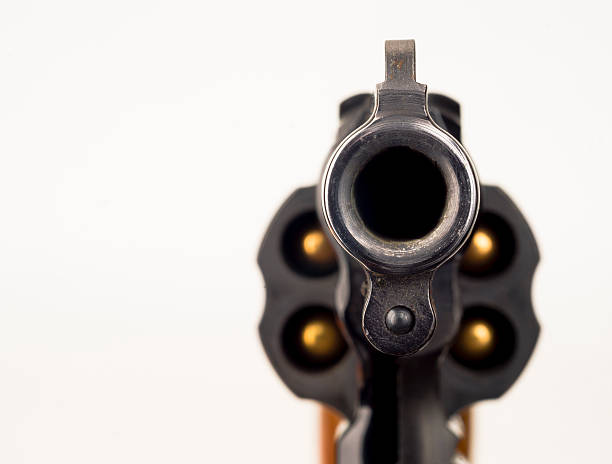
6. .38 Special From Snub-Nose Revolvers
.38 Special has a stronger reputation than most cartridges on this list, yet barrel length changes the conversation. Many defensive loads were designed around longer barrels, and the two-inch revolver can strip away enough velocity to reduce expansion reliability.
That matters because a load that performs acceptably from a service revolver may look very different from a lightweight snub. Short barrels compress the cartridge’s operating window, and once velocity drops, the bullet may either fail to expand or fail to reach adequate depth after meeting resistance.
7. Frangible and Ultra-Light Specialty Loads
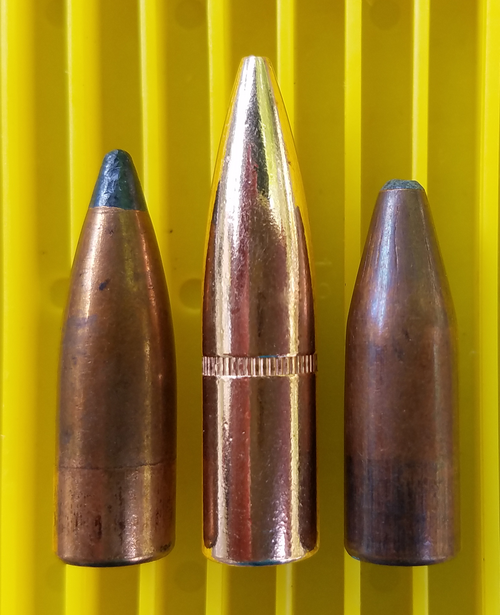
Some handgun loads are engineered around rapid fragmentation, very light recoil, or dramatic-looking temporary cavities. Those traits can appear impressive in marketing material or informal demonstrations, but they do not necessarily produce the deep, consistent penetration expected in serious defensive testing.
As the broader gelatin literature explains, handgun bullets mainly succeed by making a permanent wound cavity and reaching something vital. Dramatic fragmentation can spend energy too early, leaving the load short on the depth needed once heavy clothing or oblique shot angles complicate the path.
8. .410 Shotshell Loads From Revolvers
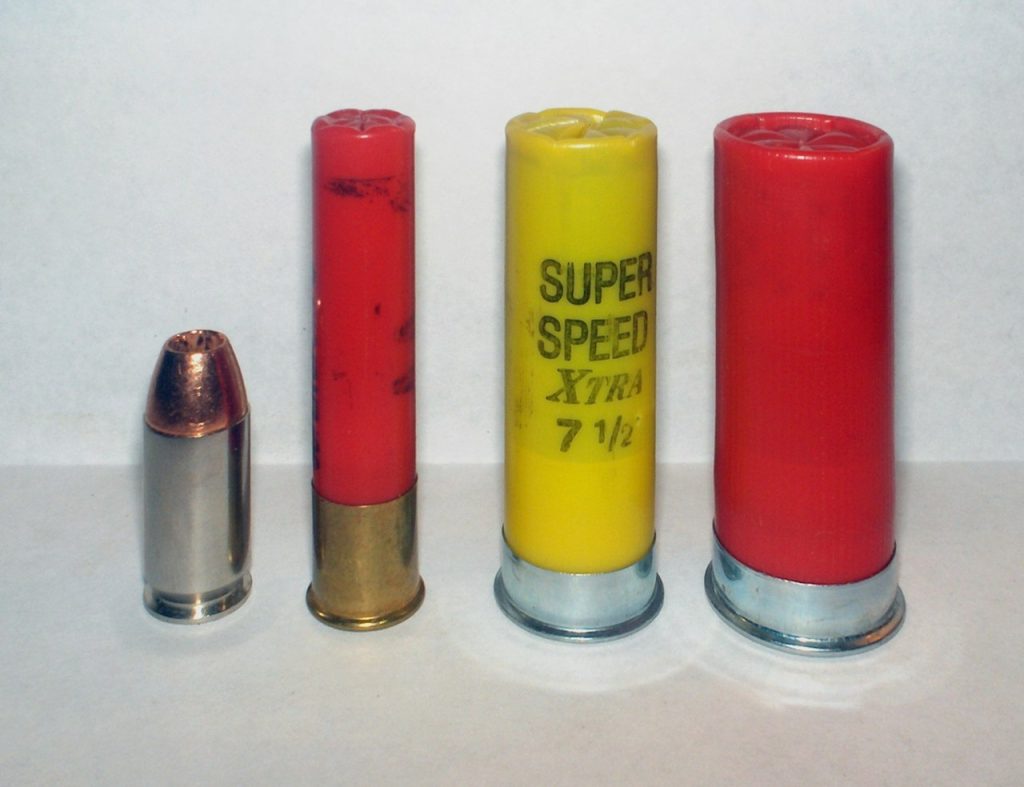
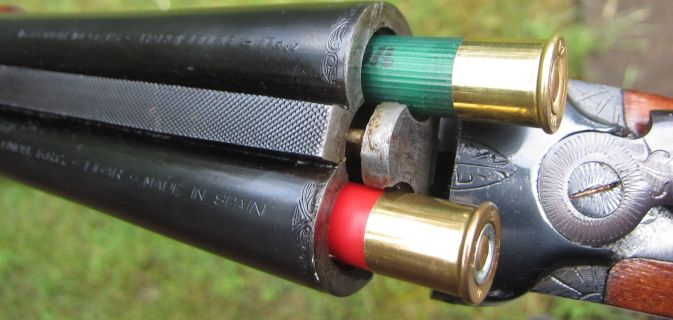
.410 revolver platforms remain a niche defensive choice, but the platform’s limitations are well known. Even advocates of these guns often describe useful performance only at very short indoor distances, with pellet spread becoming a liability as range increases.
Discussions around Judge and Governor style revolvers also note compromises in velocity and accuracy tied to the platform itself. Specialized .410 defensive loads may tighten patterns or improve pellet selection, but the system still depends heavily on distance and shot placement in a way that leaves little cushion compared with conventional handgun cartridges.
The common thread across all eight entries is not total uselessness. It is inconsistency under stress conditions. When a handgun bullet must pass through heavy clothing, enter at an angle, or perform from a short barrel, cartridges with limited penetration reserves are the first to show it. Experts tend to return to the same principle: handguns are already compromises, so defensive calibers and loads need margin, not just possibility. That is the difference between a round that can work and one that keeps working when conditions turn unfavorable.


