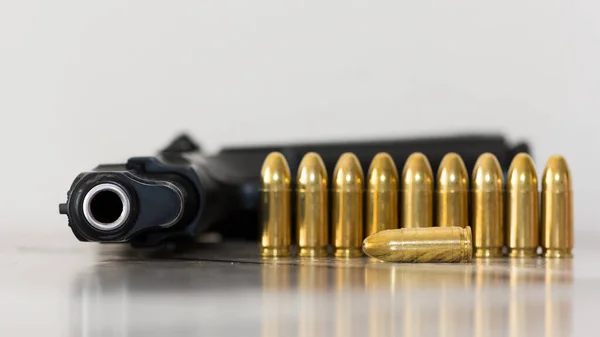
The FBI’s penetration benchmark remains one of the most widely discussed yardsticks in handgun ammunition testing. In calibrated 10 percent gelatin, the accepted window is 12 to 18 inches, a standard built to ensure bullets can still reach vital structures after clothing, awkward angles, or intermediate barriers complicate the path.
That number is useful, but it is also easy to misuse. Gelatin is a comparison tool rather than a living-body replica, and handgun performance can change sharply with barrel length, bullet construction, and barrier interaction. Even so, some calibers repeatedly show the same weakness: they have very little margin for error when fired from handguns.
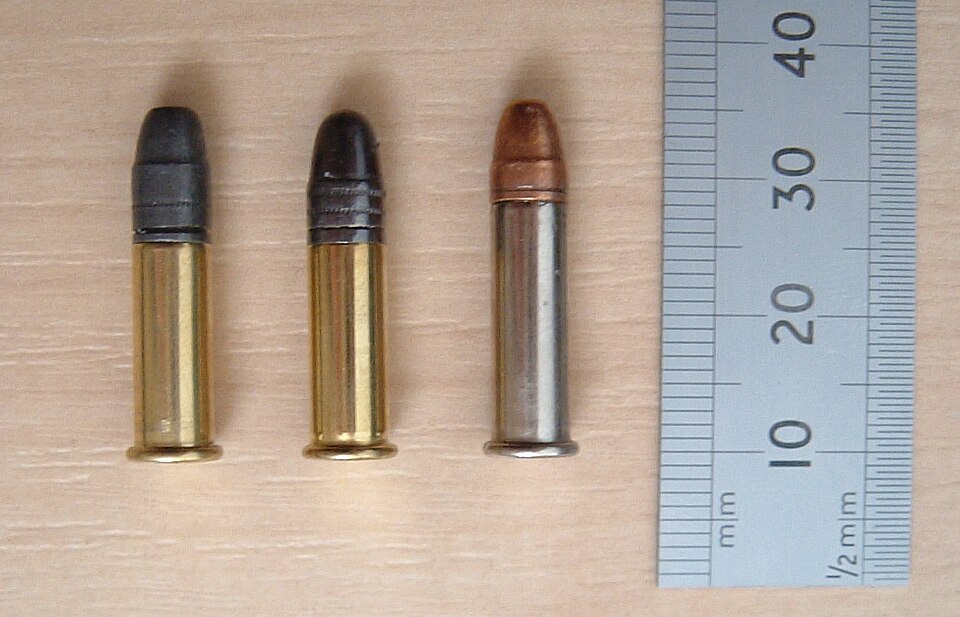
1. .22 LR
.22 LR is the clearest example of a cartridge that changes character depending on barrel length. Loads built to run fast from rifles often lose a large share of their velocity in tiny defensive handguns, which can leave hollow points expanding too early or not penetrating enough at all.
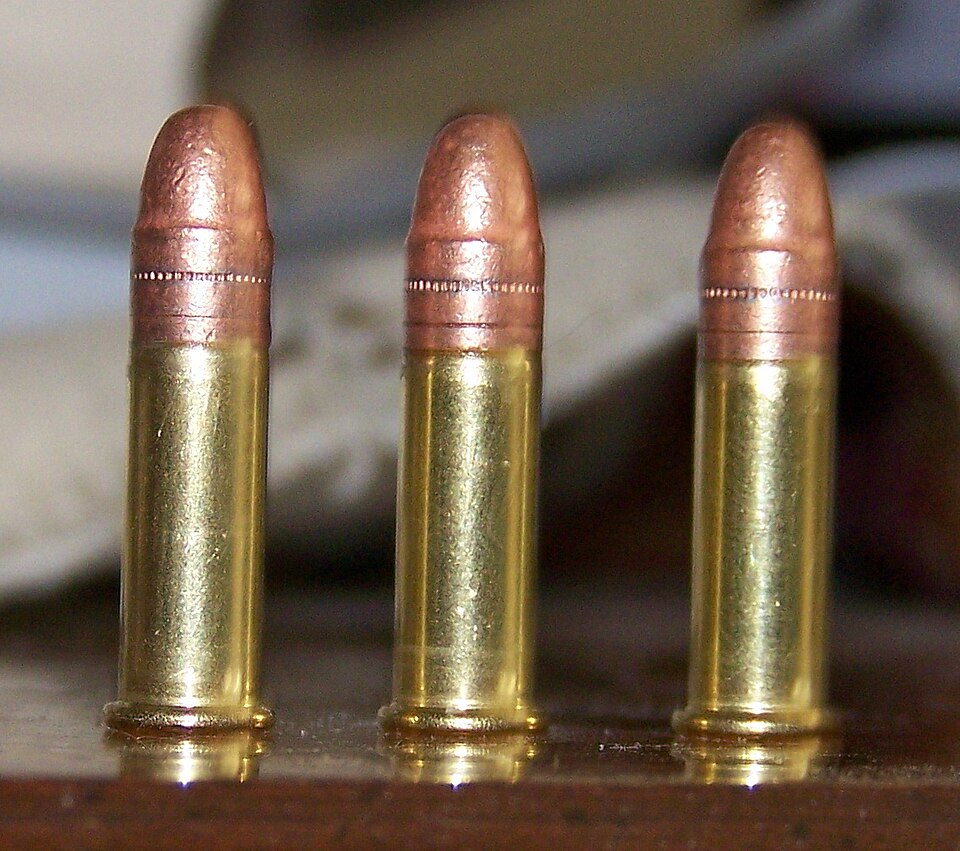
One pocket-pistol gelatin test of CCI Stinger from a Ruger LCP II .22 produced only 8.6 inches average penetration, according to 8.6 inches average penetration. A different short-barrel .22 revolver test with the same load reached deeper, showing how inconsistent the cartridge can become when firearm setup changes. That instability is the real issue: .22 LR sometimes reaches the line, but often without much reserve.
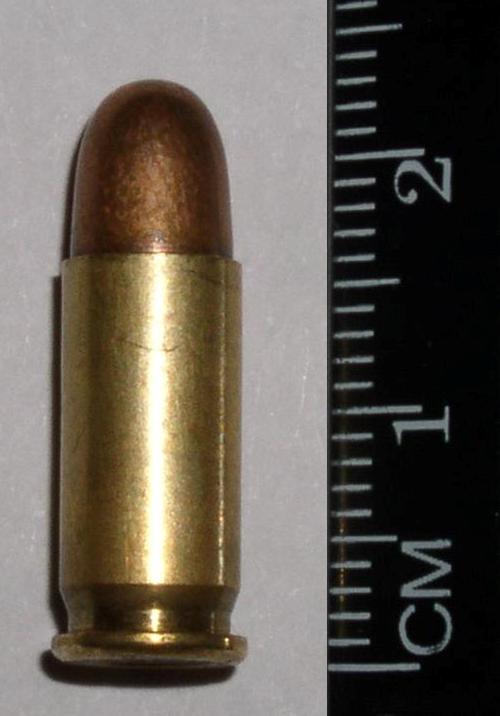
2. .25 ACP
.25 ACP was designed around very small handguns, and that has always limited its ballistic ceiling. With light bullets and modest velocity, it generally lacks the momentum needed to expand and still drive deeply enough to satisfy the FBI window.
In practical terms, .25 ACP tends to rely on narrow, non-expanding wound paths. That can preserve penetration better than an underpowered hollow point, but it still leaves little room for clothing, angled entry, or bone. Among legacy pocket-gun cartridges, it is one of the easiest to understand and one of the hardest to stretch into FBI-standard performance.
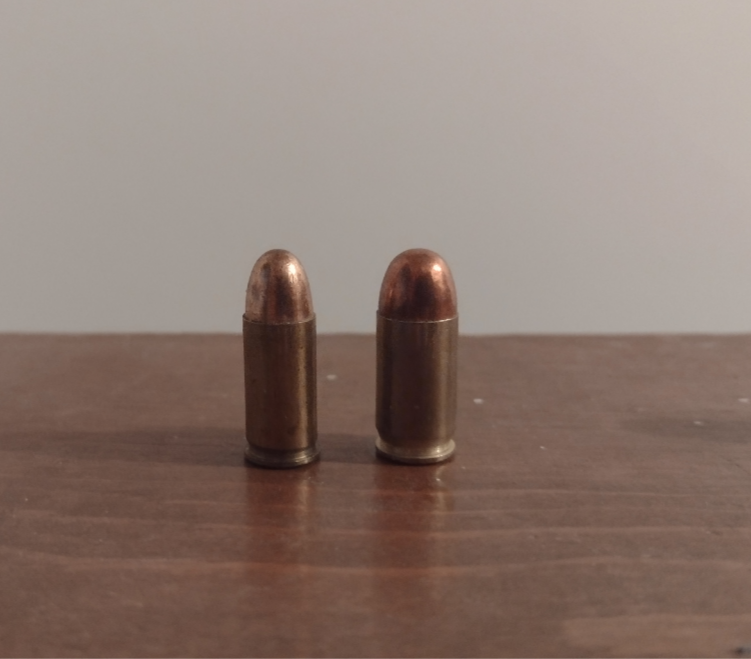
3. .32 ACP
.32 ACP sits in an awkward middle ground. It is usually softer-shooting than larger carry calibers, but it also brings a smaller bullet and limited energy, especially from the compact blowback pistols that commonly chamber it.
That creates a familiar tradeoff. Expanding loads often risk falling short of 12 inches, while full metal jacket loads may penetrate better but do so without meaningful expansion. The caliber can function cleanly in compact pistols, yet in FBI-style terms it often looks like a cartridge fighting physics rather than working with it.
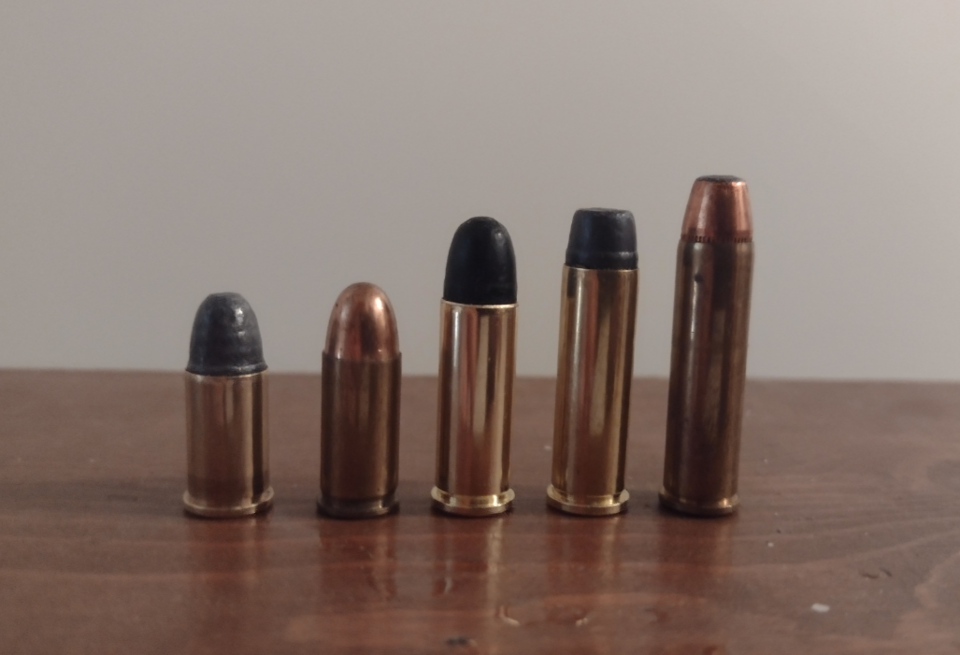
4. .32 S&W Long
.32 S&W Long has an excellent reputation for mild recoil and accuracy in revolvers, but those strengths do not automatically translate to modern defensive performance. Standard-pressure loads are typically slow, light, and not built around barrier performance.
As a result, the cartridge often comes up short in the specific kind of penetration testing that duty-oriented standards demand. Its traditional role was target shooting and low-recoil field use, not deep penetration through layered clothing and difficult angles. That mission mismatch shows up quickly in gelatin.
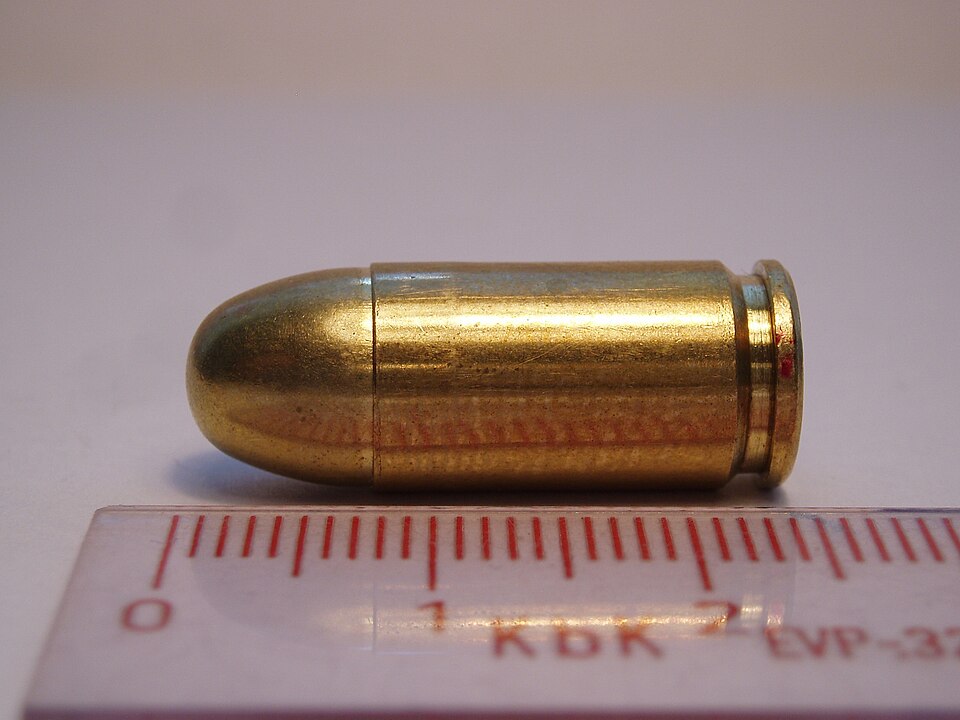
5. .380 ACP
.380 ACP remains one of the most debated carry calibers because it sits right on the edge of acceptable performance. In very small pistols, there is often not enough velocity to guarantee both reliable expansion and FBI-level penetration at the same time.
The debate inside the caliber reflects that limitation. As one analysis of .380 defensive loads noted, any expanding JHP may not penetrate deeply enough. Manufacturers have pushed the cartridge forward, and some loads come close, but .380 still lives in a narrow operating window where a short barrel or aggressive bullet design can pull it below standard.

6. .38 Special from Snub-Nose Revolvers
.38 Special has a stronger reputation than several calibers on this list, but barrel length matters enough to separate snub-nose revolvers from larger guns. Many classic defensive loads were developed around longer barrels, and short revolvers can cut velocity enough to reduce expansion reliability or overall penetration.
This is one place where the FBI protocol explains the problem well. short-barrel pistols can reduce velocity enough to alter expansion reliability, and the same principle applies to snub revolvers. A .38 Special load that performs well in a service-size gun may become far less convincing in a two-inch carry revolver.
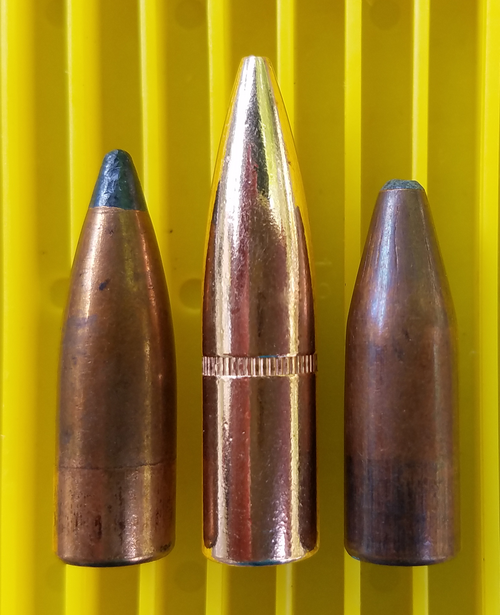
7. Frangible and ultra-light specialty handgun loads
Some defensive handgun loads are engineered around rapid upset, fragmentation, or very low recoil rather than deep, conventional penetration. Those design goals can produce dramatic-looking gelatin cavities, but the visual effect is not the same thing as meeting the FBI standard.
The FBI protocol was created to verify enough depth after clothing and barriers, not to reward splashy temporary cavitation. According to the standardized system used to evaluate duty ammunition, bullets are expected to stay within the 12-to-18-inch window even after passing through obstacles. Loads that shed energy too quickly often fail there, regardless of how aggressive they appear in marketing or informal range demonstrations.
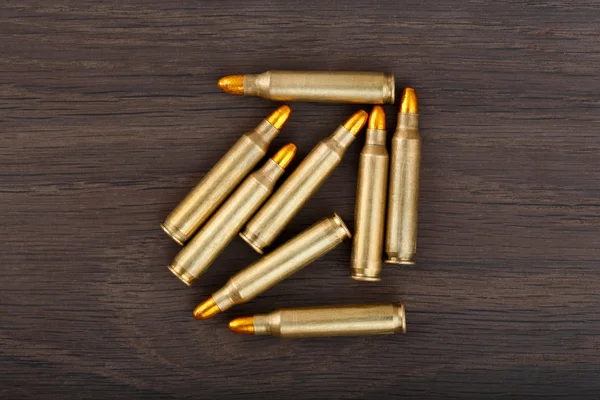
The common thread across these calibers is not that they are unusable. It is that they operate with less ballistic margin. Once barrel length shrinks, clothing clogs a hollow point, or shot angle gets complicated, the distance between adequate and inadequate penetration becomes very small.
That is why FBI standards still matter as a screening tool. They do not predict every real-world outcome, but they do expose where a handgun caliber or load starts running out of depth before the problem gets harder.


