The default answer to the question “one handgun” is polymer frames and striker triggers. They carry lighter, shrug off sweat, and accept optics like they were born with a footprint. Still, range benches and holsters make room for blued steel, alloy frames and walnut grips-not as museum pieces, but as machines which deliver a certain type of control and feedback.
Weight, balance and trigger geometry is a design choice, and older handguns often wear those choices openly. What follows are classics that continue to earn time on the firing line even in a world of rails and dot plates.
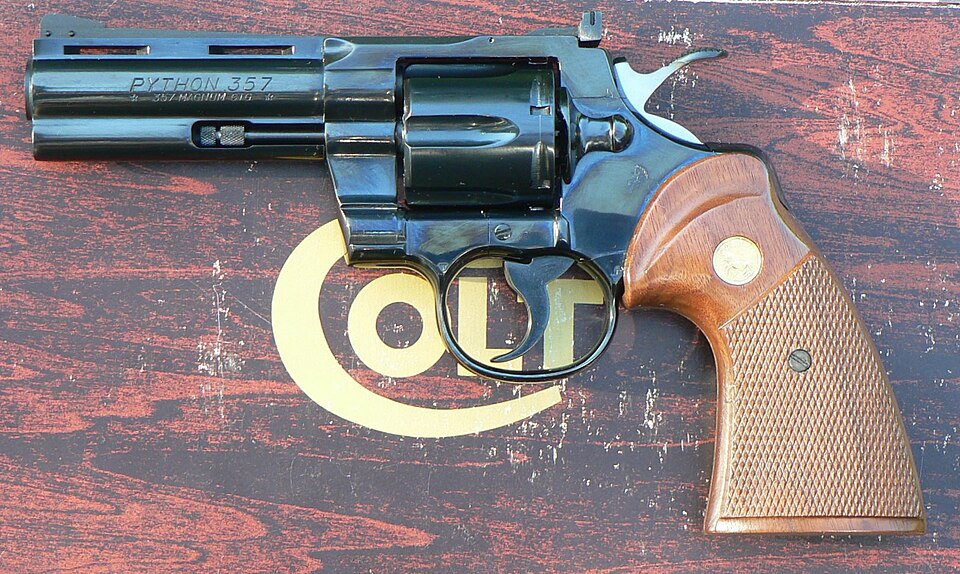
1. Colt Python
The mystique of the Python is not all about nostalgia; it is about how a perfectly timed double-action revolver feels when it all comes together. Full underlug and vent rib add stability that appears on target, with the deliberate, mechanical trigger stroke becoming integral to shooting cadence. Chambered in .357 Magnum, it exudes authority, yet keeps the recoil behavior predictable for its class. For many shooters, the Python remains the reference against which other refined double-action revolvers are measured.
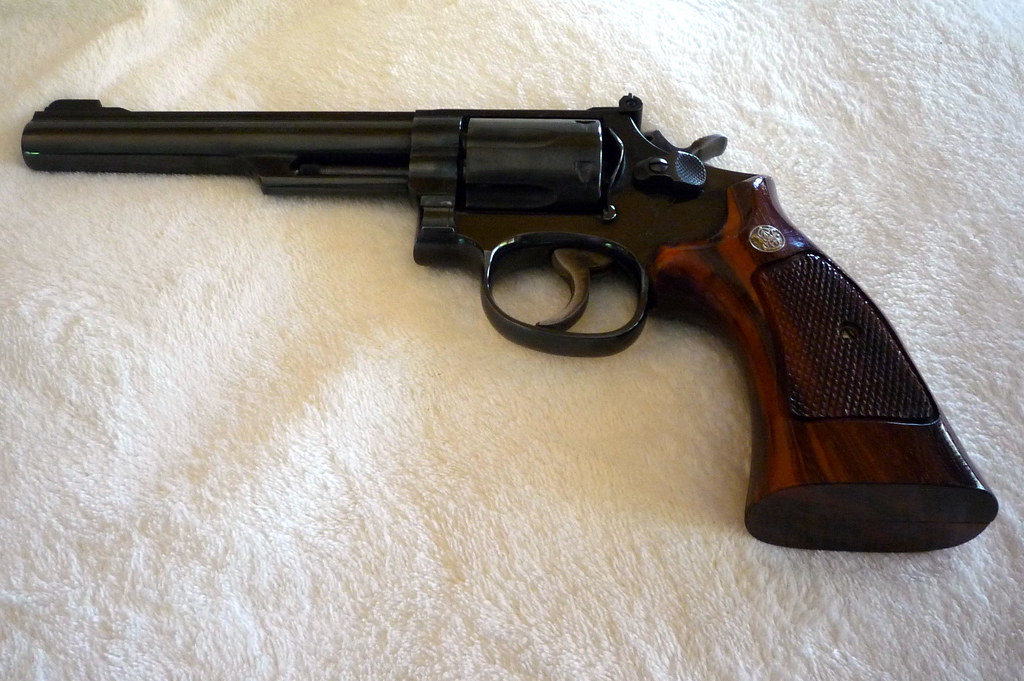
2. Smith & Wesson Model 19
The Model 19 drops in that sweet spot: magnum capability in a package that many hands find easy to run well. Tipping the .357 Magnum scale, it balances power and portability without feeling oversized; its double-action pull and crisp single-action break support pace and precision alike. The traditional blued steel and wood grip profile is part of the appeal, but where the real enduring draw lies is in practical shootability over long sessions.
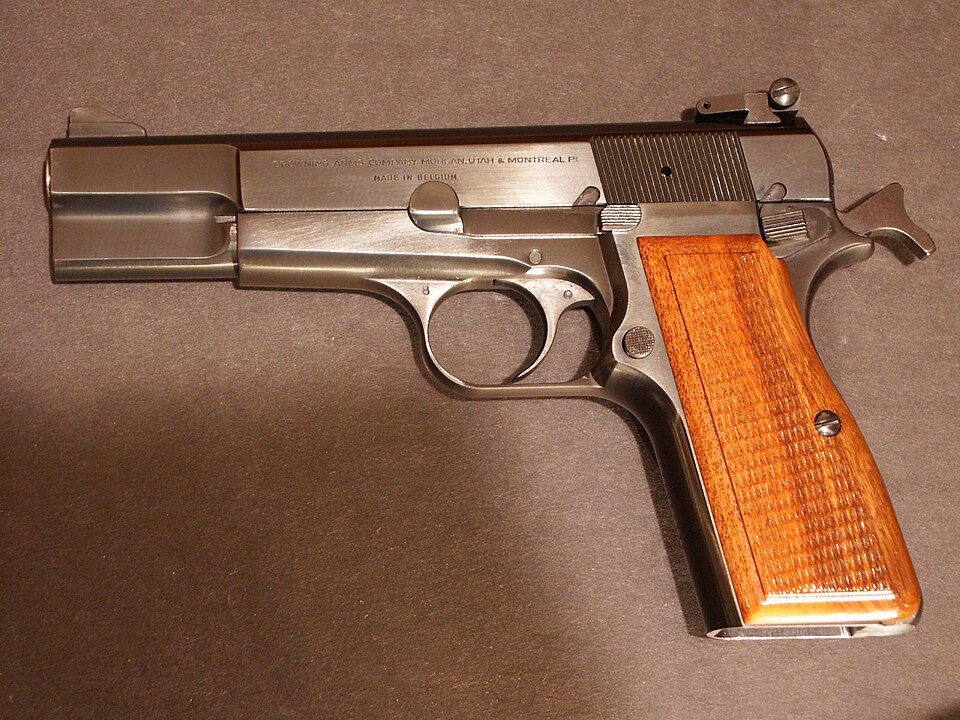
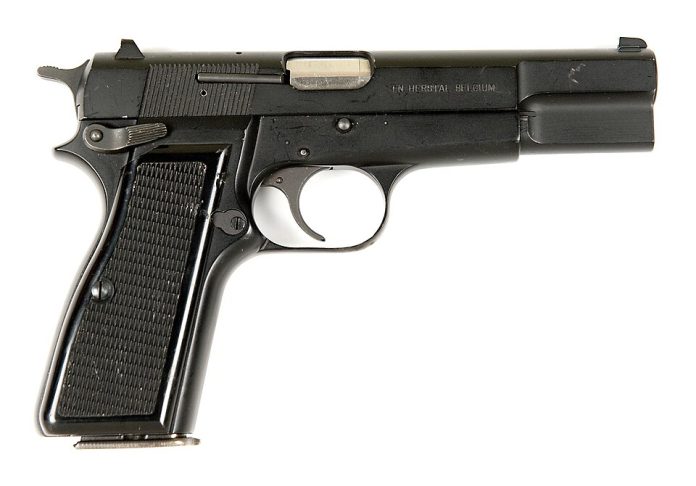
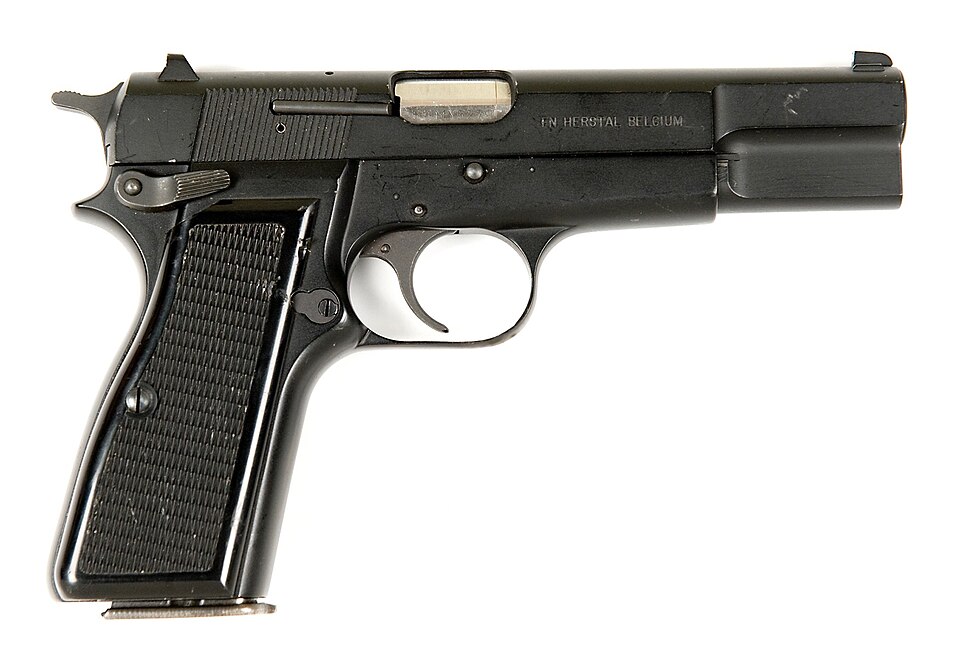
3. Browning Hi-Power
The Hi-Power helped define what a high-capacity 9mm fighting pistol could be, marrying an all-steel frame to ergonomics that still feel modern. Its lineage traces directly back through Browning’s last pistol project and the refinements of Dieudonné Saive into a design released in 1935 with a double-column magazine and a locked-breech system built for service use. That platform’s influence runs deep-normalizing the idea that 9mm and capacity could live in a slim, pointable handgun. A useful snapshot of that background sits around FN’s 1935 release of the finalized Hi-Power.
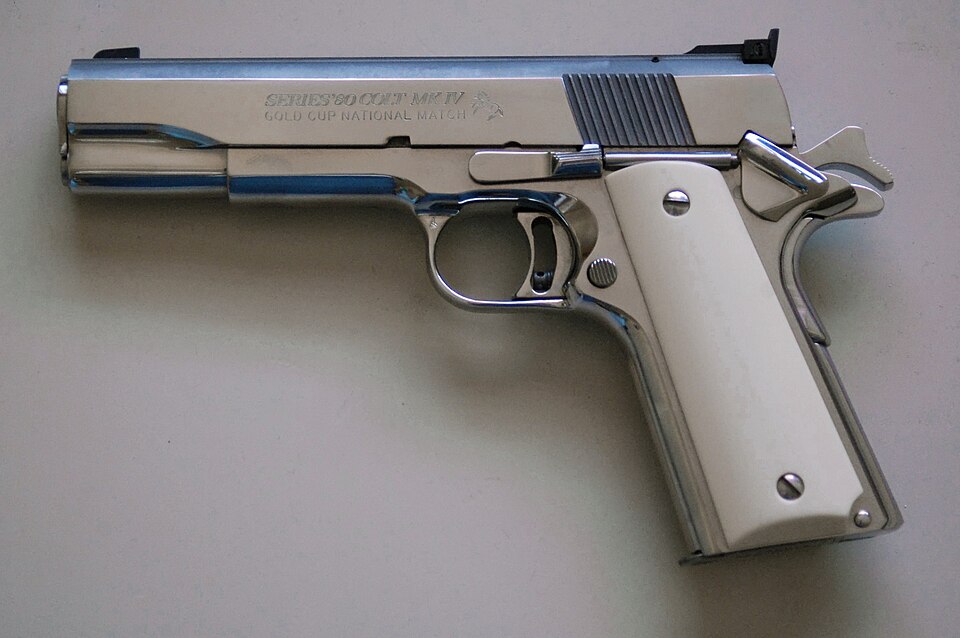
4. Colt 1911 Government Model
More than a century later, the 1911 remains one of the first arguments for thin profiles, short triggers, and a grip angle many shooters naturally track. The weight and bore geometry of the platform in .45 ACP tend to keep recoil manageable in a fashion that might surprise those raised exclusively on compact polymer pistols. Controls are unapologetically manual, single-action trigger feel remains a reference point for what “clean” can mean on a service pistol.
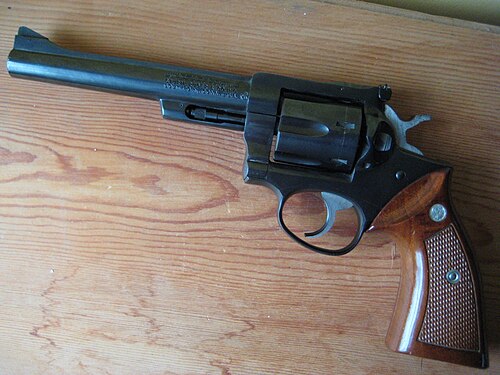
5. Ruger Security Six
The Security Six made its name on being hard to wear out. It’s known for holding timing and lockup through hard use in .357 Magnum, with triggers often smoothing out as round counts climb. Without much of the polish of its more collectible brethren, the Security Six earns its keep as a hard-working, tough-as-nails wheel gun that keeps shooting to point of aim.
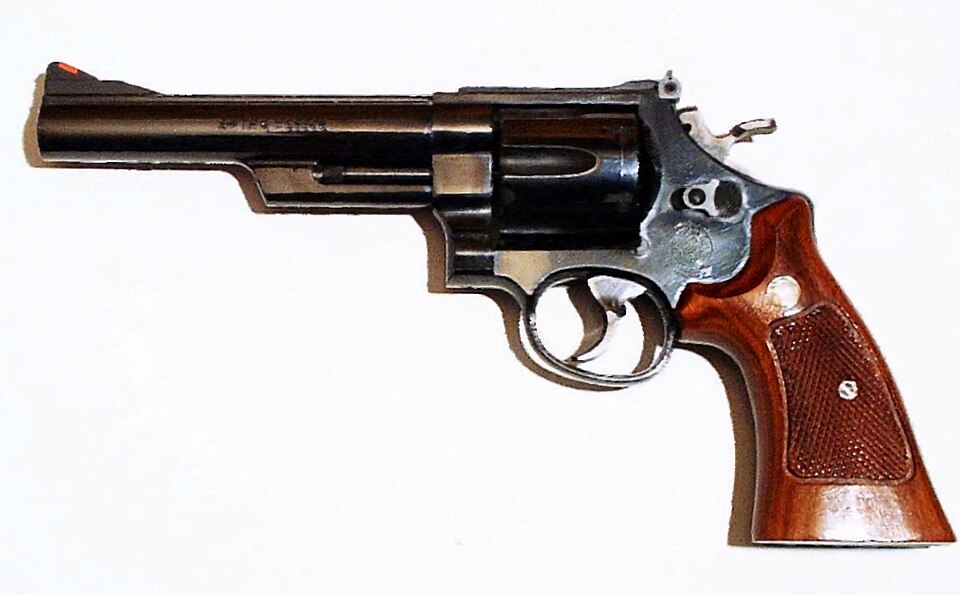
6. Smith & Wesson Model 29
The Model 29 is often remembered for its cultural footprint, but its staying power comes from a function: how it manages heavy revolver cartridges in a controllable format. Chambered in .44 Magnum, the size and mass do real work to turn recoil into something more predictable than punishing for experienced hands. It’s not a casual carry piece, but it remains a serious revolver platform for shooters desiring traditional Magnum performance in classic form.
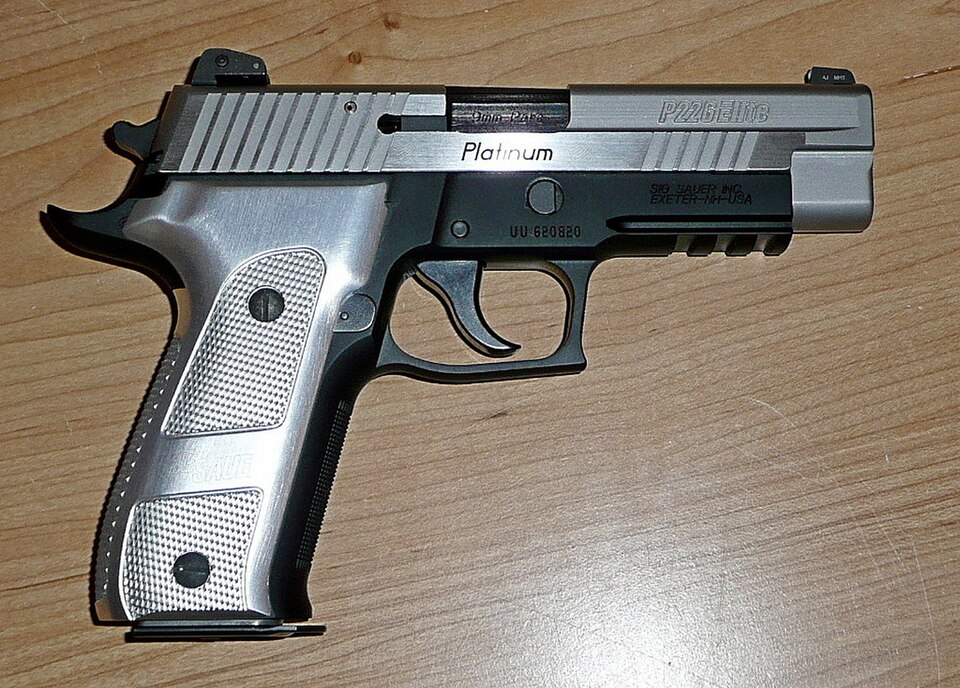
7. SIG Sauer P226 (West German)
“West German” isn’t just a vibe; it’s a marking and provenance detail that collectors and shooters follow. The real deal is usually marked by the slide stamp reading “Made in W. Germany”, with German proof marks and date codes appearing in the expected places. The P226 platform itself has long been associated with tight mechanical feel and a DA/SA trigger system which rewards disciplined press and reset work. In practical terms, the appeal of a service pistol is one that feels machined rather than molded.
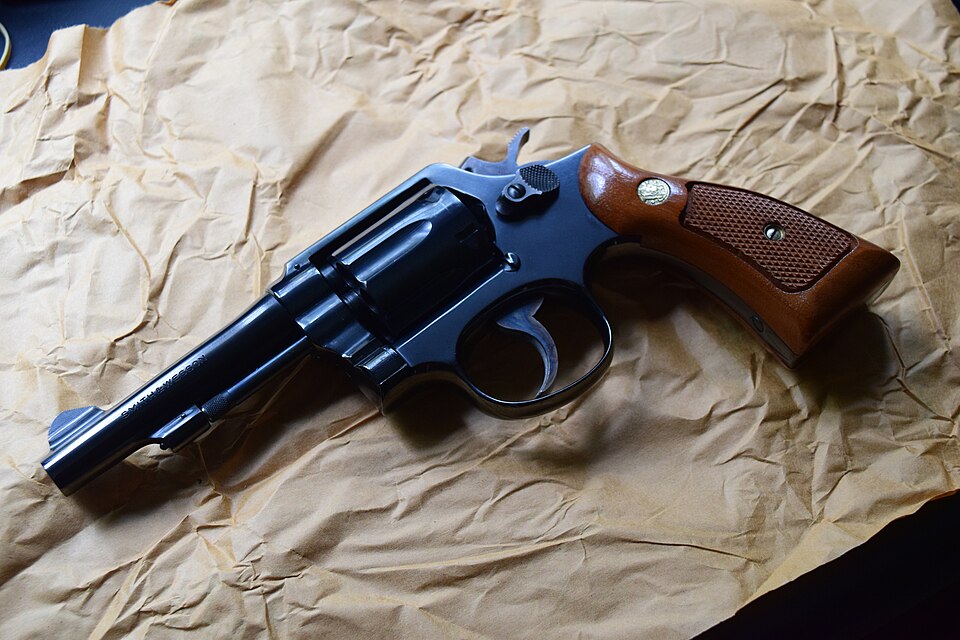
8. Smith & Wesson Model 10
The case of the Model 10 is simplicity: fixed sights, straight-forward manual of arms, and a reputation for durability over decades of use. It’s generally approachable to shoot in .38 Special while offering enough performance for its intended roles. It doesn’t chase features; it delivers consistency, and that’s the point.
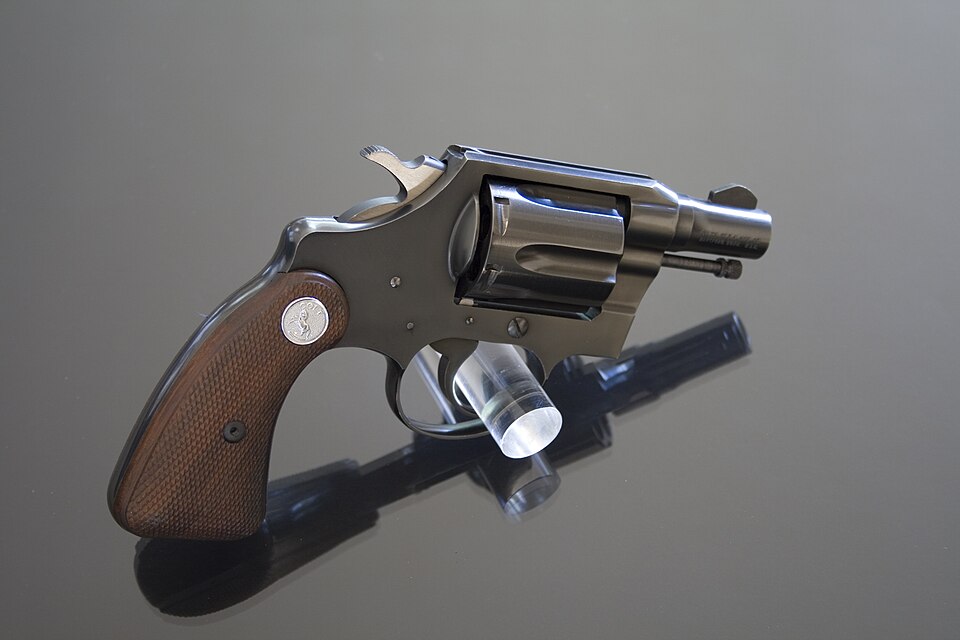
9. Colt Detective Special
Small revolvers often give up shootability for concealment, but the Detective Special has long been appreciated for feeling more like a “real revolver” rather than a compromise. Carrying six rounds in a compact frame gave it historical capacity advantages over many contemporaries while keeping recoil behavior reasonable. The result is a snub that tends to encourage practice rather than punish it.
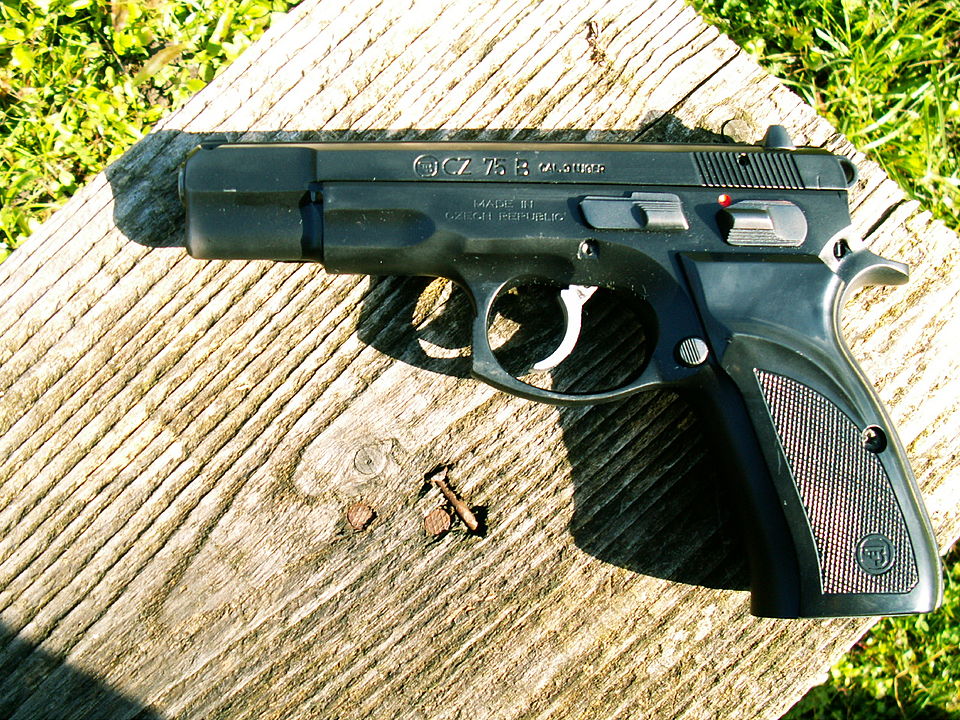
10. CZ 75B
The CZ 75 pattern became one of the world’s most copied pistol designs, and the 75B represents the updated, safety-enhanced branch of that family. Having its slide riding inside the frame contributes to a low bore axis feel, while the platform’s all-steel mass is a big part of why many shooters describe it as controllable during sustained strings. A detailed rundown describes the core characteristics: the slide-in-frame layout and all-steel construction. The gun’s ergonomic reputation remains a key reason it persists beside lighter modern options.
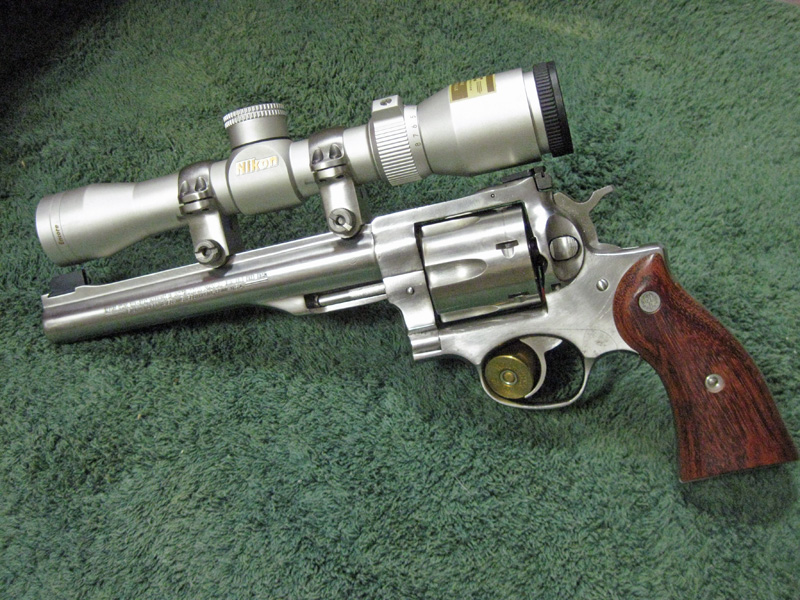
11. Ruger Redhawk
The Redhawk was first and foremost built from strength: designed around .44 Magnum pressure levels, leaning into weight and robust construction to remain controllable and durable in field use. While other revolvers find themselves chasing lighter carry, the Redhawk remains rooted in long-term survivability under full-power shooting.
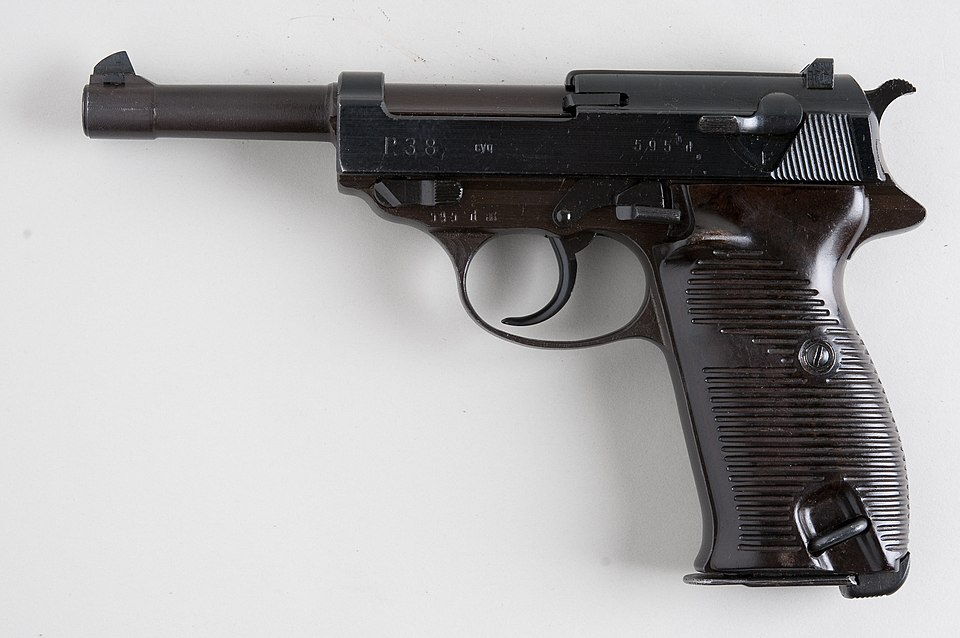
12. Walther P38
The P38 sits at that interesting intersection of engineering wherein a service pistol introduced features-like a double-action first shot and a decocking system-that would become normal later. Its open-top slide profile and general balance still feel quite distinctive today. Even against modern pistols, it offers a clear view into how designers began emphasizing safer handling and quicker operation in service sidearms.
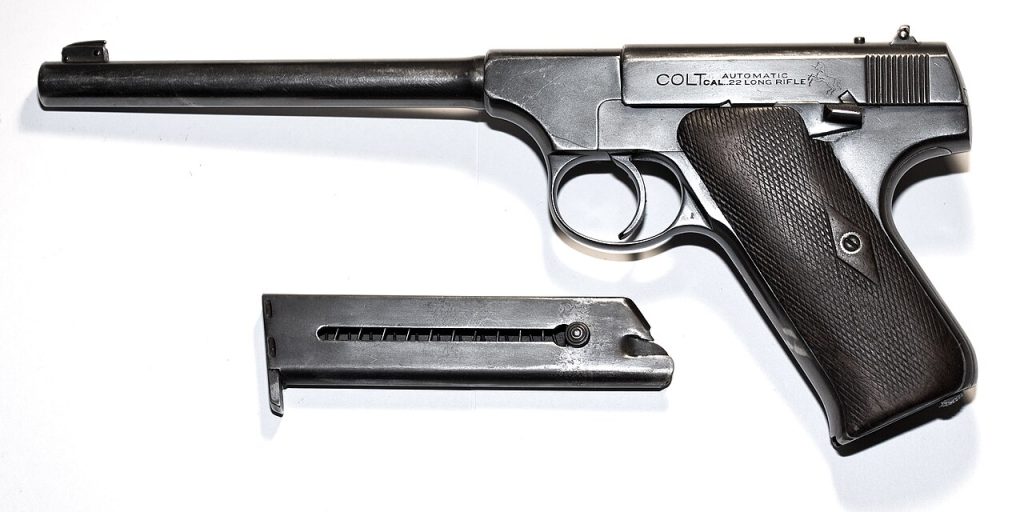
13. Colt Woodsman
In .22 LR, the Woodsman remains a case study in making a rimfire pistol feel refined. In this niche, more important than capacity or accessory mounting is balance, trigger feel and accuracy. The enduring appeal of the Woodsman is how “alive” it feels during deliberate shooting. It’s a reminder that craftsmanship shows up most clearly when the recoil and noise are turned down.
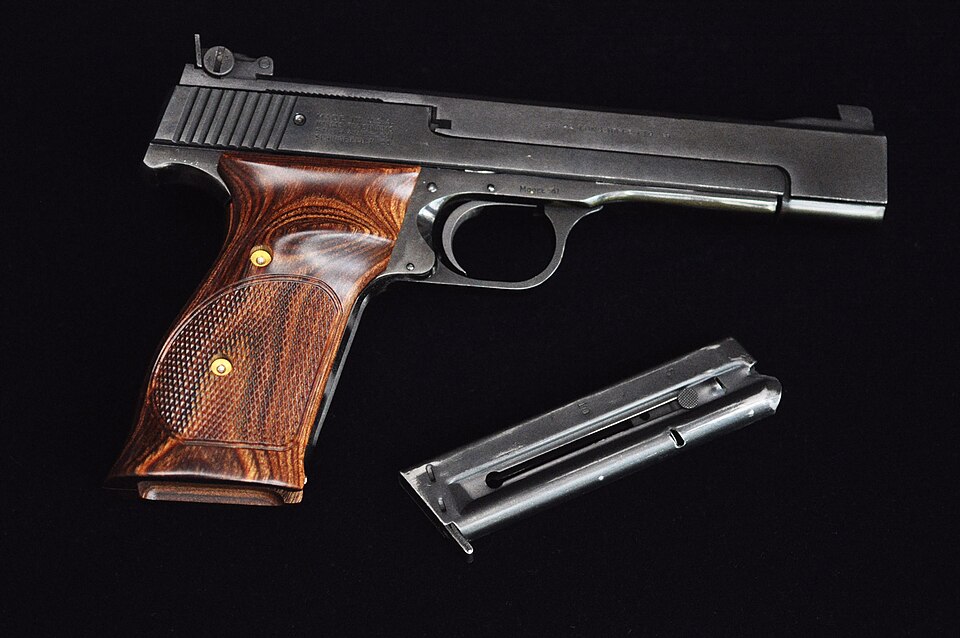
14. Smith & Wesson Model 41
The Model 41 is purpose-built for precision, and it shows in how it sits on target and how cleanly the trigger breaks. The heft supports slow-fire stability, and its design intent is unmistakably competition and accuracy rather than carry convenience. In a market full of lightweight rimfires, it remains an anchor-point example of what a dedicated target pistol feels like.
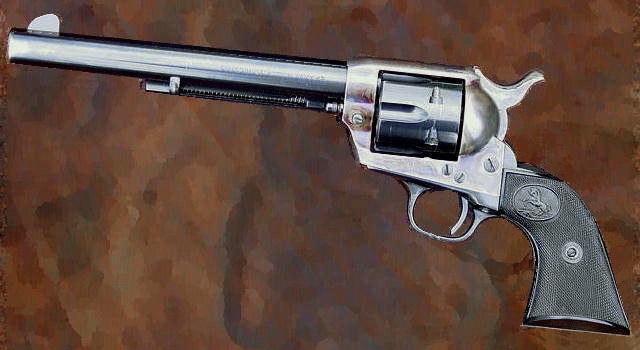
15. Colt Single Action Army
The Single Action Army persists because it makes operation tac-tile: loading, cocking and firing are all mechanical steps with clear feed-back. In .45 Colt, it isn’t just a prop from another century; it’s a work-ing revolver design that still rewards fundamentals. The appeal is less about features and more about a direct connection between hand, mechanism and shot. Advantages in Polymer are real: lighter carry weight, resistance to corrosion and modern sighting options.
Even just in frame materials alone, the shift started early with designs like H&K’s VP70 and was cemented by the Glock era, with polymer frames offering meaningful weight savings compared to many steel pistols. But metal classics keep showing up because they solve a set of different problems: recoil control through mass, confidence through rigid geometry, and triggers that feel engineered rather than abstracted. For a shooter who wants that kind of mechanical clarity, “old school” is a practical category-not a nostalgic one.


