Some firearms look like a sure thing until the first few magazines put real stress on the design. The disappointment usually does not arrive as one dramatic failure, but as a slow leak of confidence: a trigger that refuses to cooperate, magazines that never quite behave, or tolerances that turn “snug” into “stuck.”
What follows is a range-driven look at models that repeatedly left shooters wanting more. The common thread is not brand reputation or category, but the engineering gap between an idea that reads well on paper and one that holds up when hands get sweaty, ammo varies, and the round count climbs.
1. Remington 770
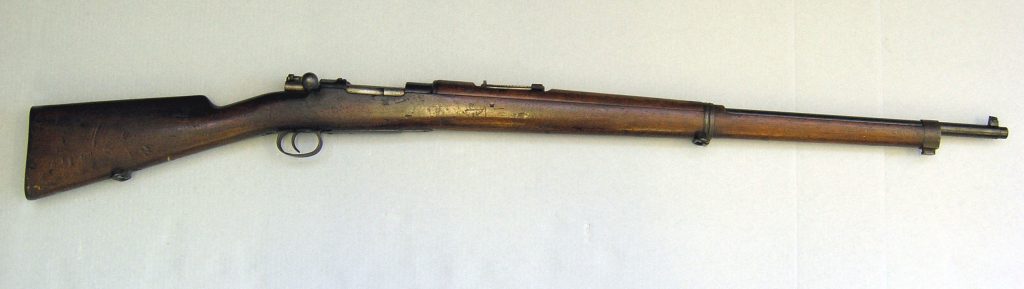
This bolt-action earned a reputation for feeling like a budget shortcut that asked for premium patience. Shooters pointed to a magazine system that could come apart at the wrong moment, plus a bolt that felt gritty and hesitant instead of smooth and predictable. More troubling were reports of chambers cut tight enough to resist factory ammunition, the kind of tolerance issue that turns a hunting rifle into a repeated bench-side interruption. A flexible stock and a barrel that did not consistently support repeatable accuracy compounded the sense that the rifle needed gunsmith-level triage to behave like a basic field tool.
2. KelTec P11
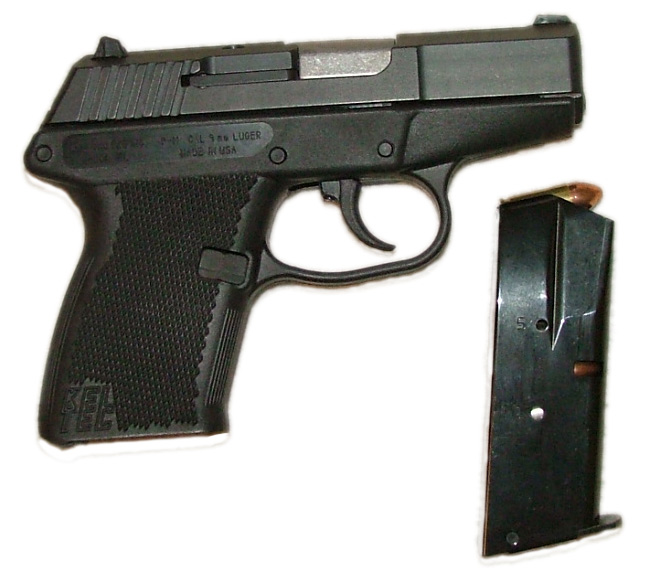
Small 9mm pistols often trade comfort for concealability, but the P11’s trigger became the deal-breaker. The long, heavy, gritty pull made clean sight tracking difficult, and the compact grip geometry pushed recoil management into “work” instead of “practice.” In a platform where mechanical consistency is supposed to help speed up learning, the trigger and ergonomics tended to slow everything down.
3. Mossberg Blaze
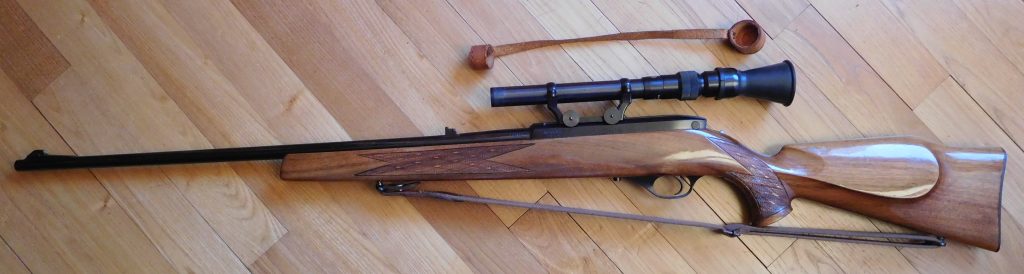
Ultra-light rimfire rifles sound perfect for casual days, but the Blaze drew criticism for feeling more toy-like than trainer-like. The extensive use of polymer left some shooters unimpressed with perceived durability, and the trigger was often described as spongy. Reliability experiences varied widely: some rifles ran bulk .22 LR without complaint, while others stacked feeding problems that turned plinking into clearing drills.
4. S&W Sigma 9VE
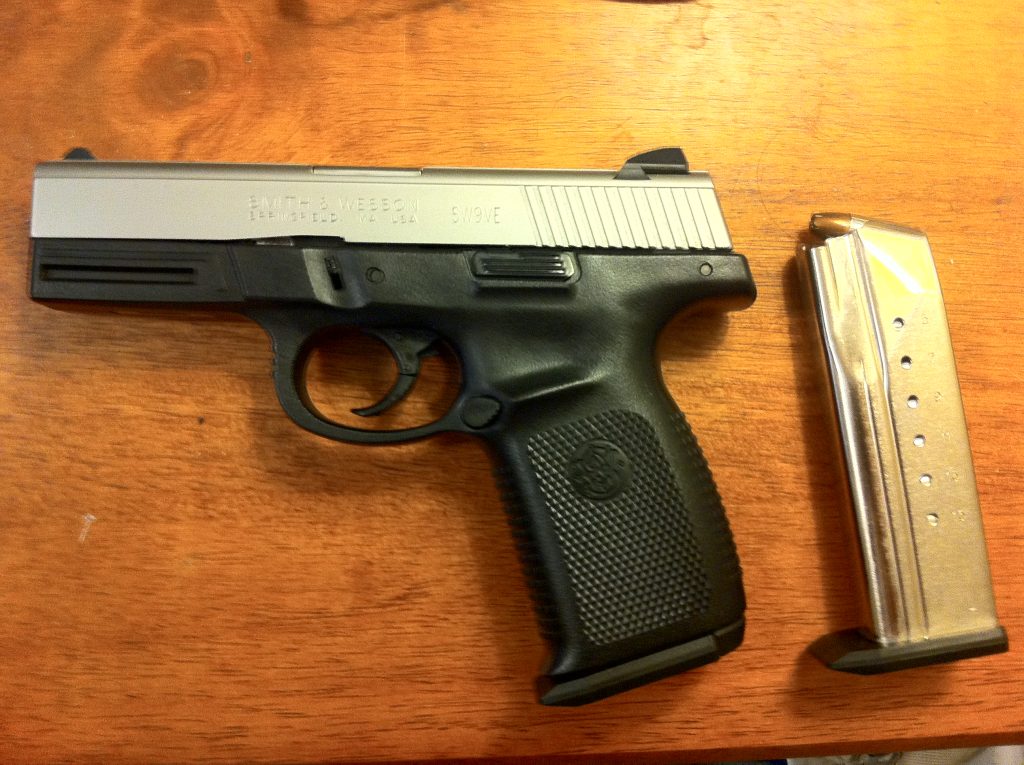
The Sigma’s striker-fired layout looked familiar, but the trigger feel often became the entire story. A heavy pull paired with an unhelpful reset made it hard to shoot tight groups or run fast follow-ups. Trigger pull weight is not just comfort it can signal assembly choices and functional consistency, and professional guidance on trigger pull measurement underscores how abnormal pulls can hint at deeper issues. For many hands, the Sigma’s trigger demanded adaptation instead of rewarding fundamentals.
5. Rossi Circuit Judge
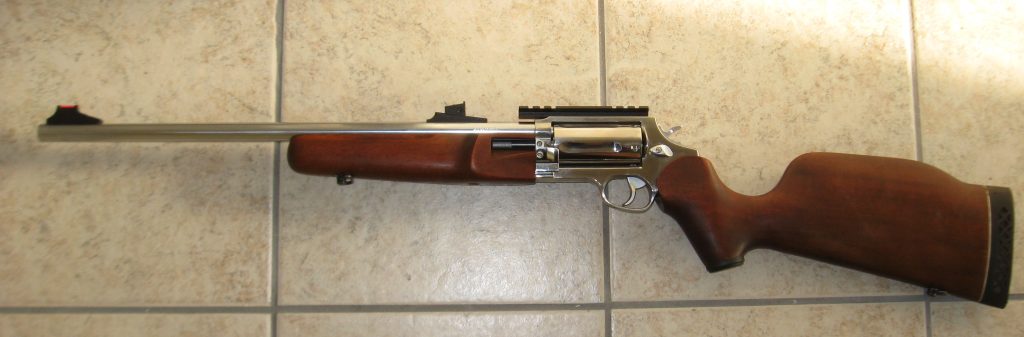
A revolving long gun that chambers both .45 Colt and .410 sounds versatile until the physics show up. The cylinder gap blast created legitimate concerns for support-hand placement, and the .410 performance rarely matched the expectation set by the concept. Bullet accuracy landed in the “acceptable” range rather than impressive, and the trigger quality did not elevate the platform beyond novelty.
6. Century Arms C39v2
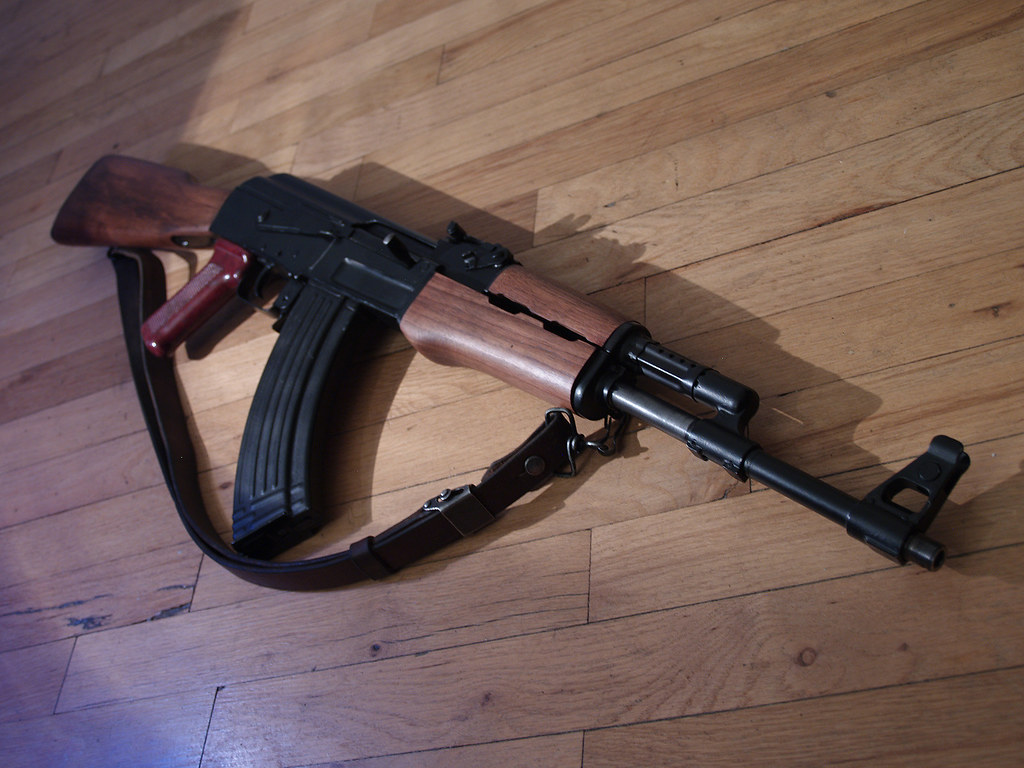
This U.S.-made AK pattern rifle attracted attention for features like a milled receiver and a notably light, crisp trigger. One detailed evaluation documented a 3 lb 4 oz break on the RAK-1 trigger group and consistent 2-inch 5-shot groups at 100 yards with iron sights. Even with those strengths, some owners still reported front-heavy feel, inconsistent accuracy from rifle to rifle, and concerns about premature wear on older production parts exactly the kind of long-term confidence hit that matters on an AK build meant to be run hard.
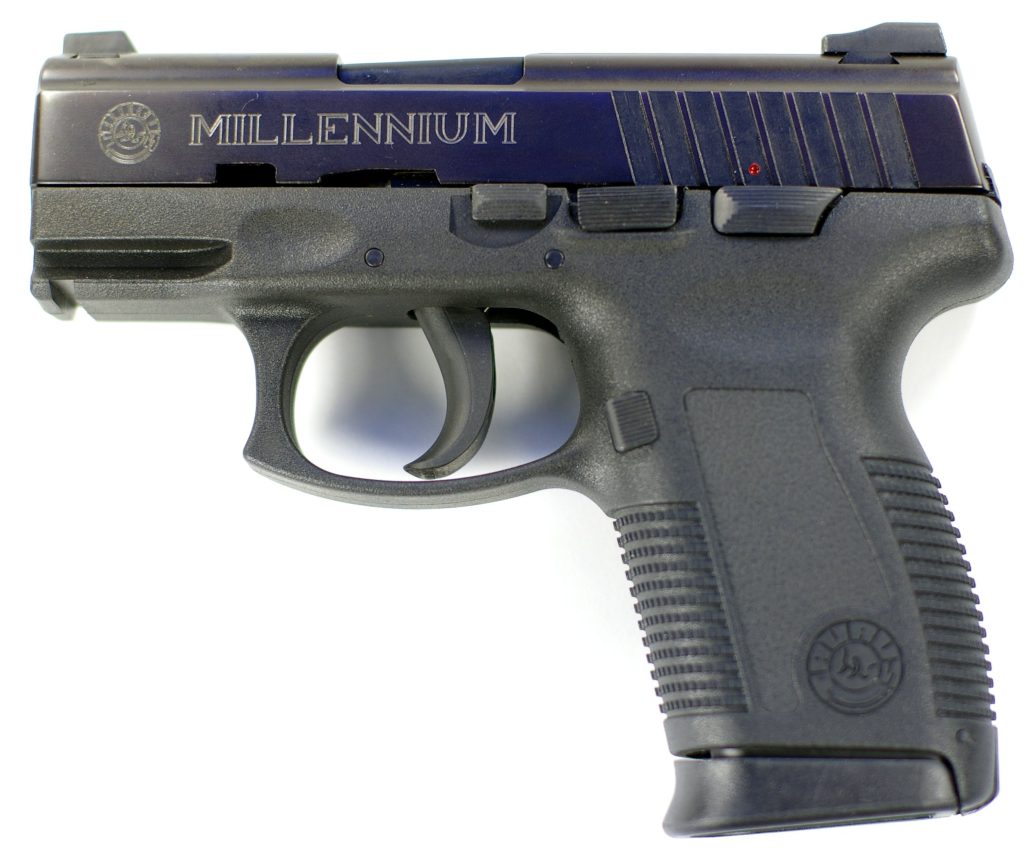
7. Taurus PT145 Millennium Pro
Squeezing .45 Auto into a subcompact frame can work, but this model’s tradeoffs stacked up. Shooters often cited a short grip and snappy recoil that punished consistency, plus a trigger reset that did not encourage fast, accurate strings. Reports of reliability issues failures to feed and intermittent slide-lock behavior kept the pistol from earning trust as a serious carry-sized .45.
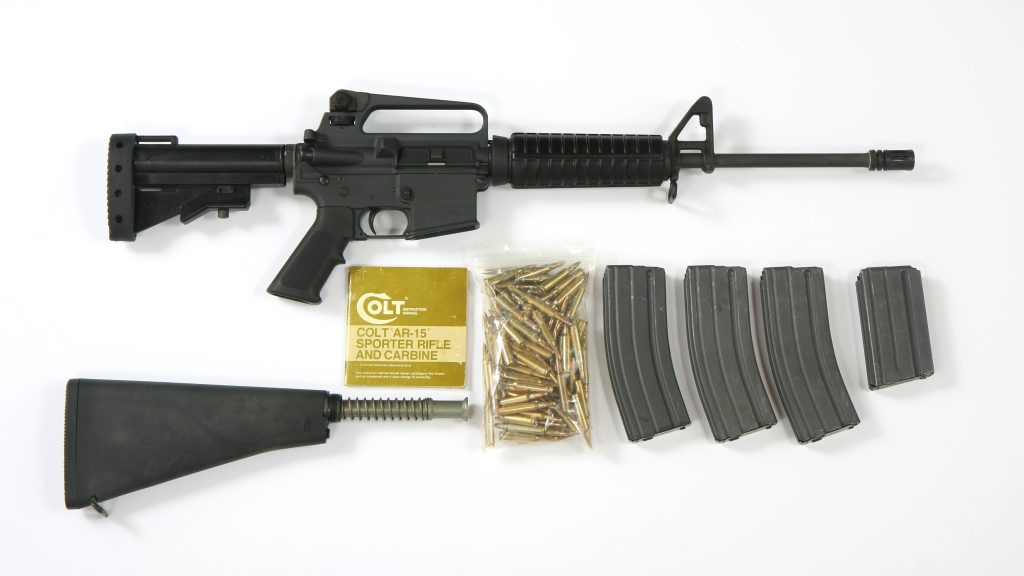
8. ATI Omni Hybrid AR
Polymer in AR receivers promises weight savings, but the AR platform is also a tolerance-sensitive ecosystem where magazine geometry, pin fit, and receiver rigidity matter. One review described the Omni Hybrid as weighing 4.5 pounds as a complete rifle and then running into failures tied to a magwell that measured .003 inches too large, allowing magazine wobble and feeding problems. A separate evaluation acknowledged the magazine well seemed “slightly oversized” and noted that the receiver design could require a tool for takedown, while also describing manufacturer tests including a “hang test” with 285 pounds. The combined lesson is simple: lightweight materials can be fine, but an AR lives or dies on dimensional control and repeatable interface fit.
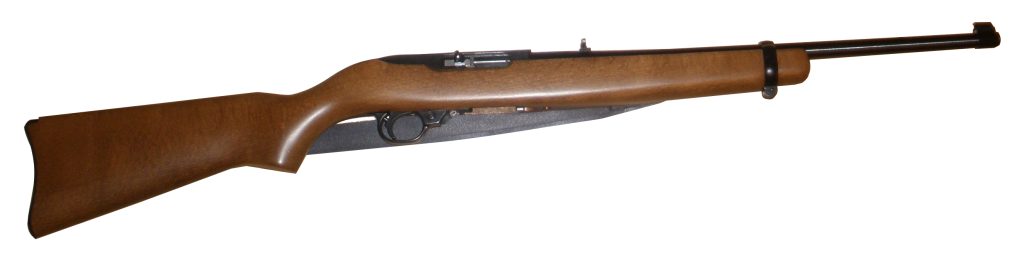
9. Chiappa M1-22
The M1 Carbine styling did its job until the magazines and cycling did theirs. Shooters regularly reported feeding issues and sluggish operation even with high-velocity loads, with magazines often identified as the weak link. When a rimfire cannot clear a full magazine without interruptions, the charm of the look stops compensating for the frustration of the function. Across all nine, the “why” tends to rhyme: uncomfortable triggers, tolerance drift, and design choices that look clever until the range exposes the cost. The most practical takeaway is not brand-based, but systems-based how the firearm handles magazines, heat, recoil, and repetition. Range time does not just validate a purchase; it audits engineering decisions under pressure, one shot at a time.


