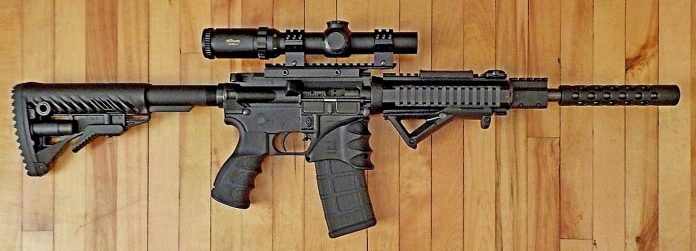
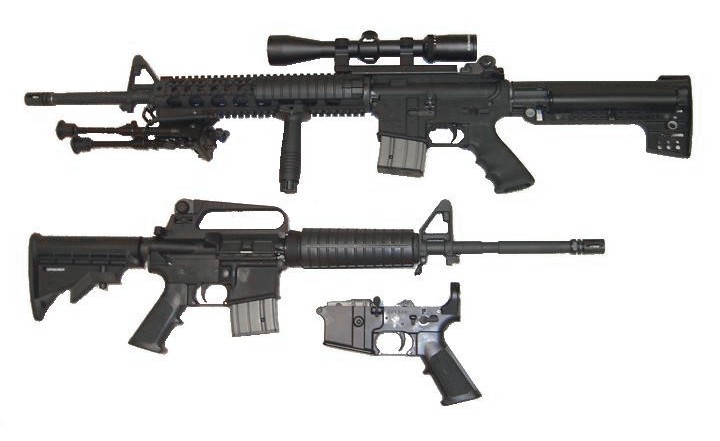
The AR-15 may be the most argued-over object in American gun culture, and not because it is difficult to understand. The confusion tends to come from a handful of sticky misconceptions that blur together branding, mechanics, and legal categories.
Clearing those up requires less rhetoric and more attention to how the platform is actually built, how it cycles, and how it is regulated in practice.
1. “AR” means “assault rifle”
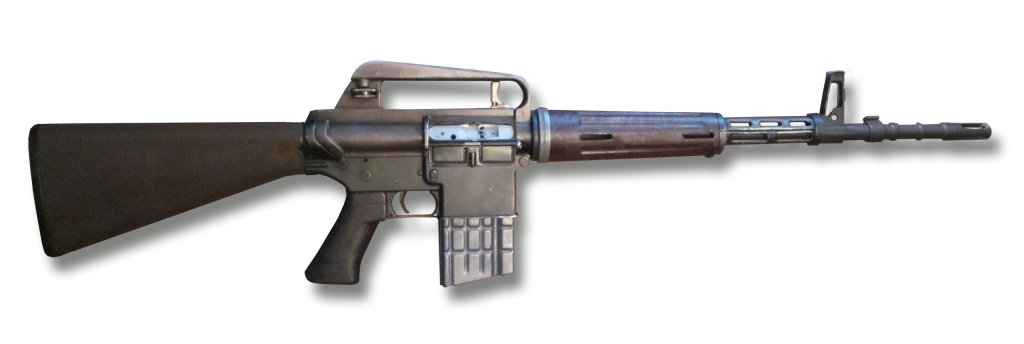
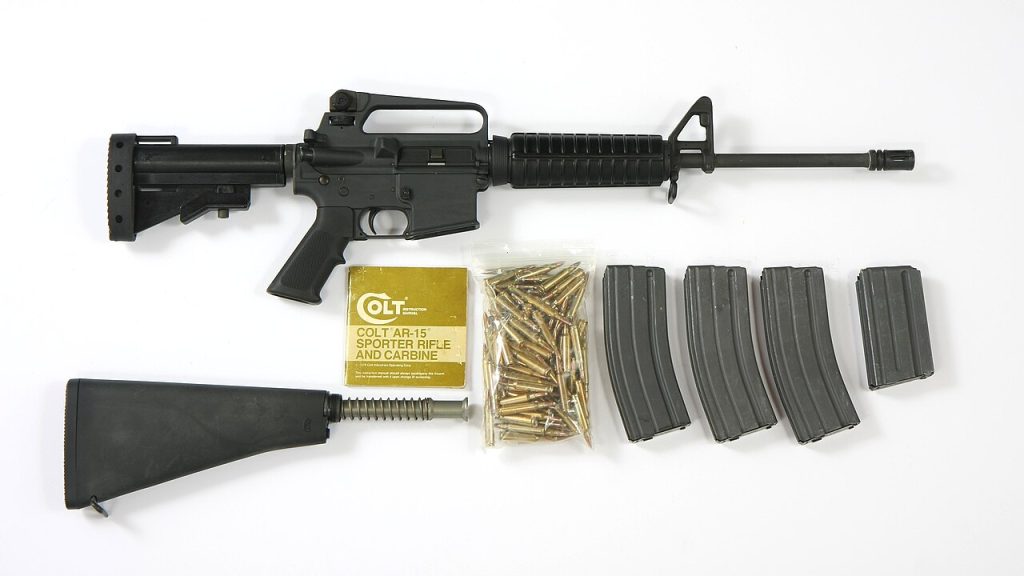
The “AR” in AR-15 refers to ArmaLite, the original company behind the design, not a firing mode or a battlefield role. The platform traces to Eugene Stoner’s work at ArmaLite, where the earlier AR-10 preceded the smaller AR-15 pattern. Much of the mix-up persists because the rifle’s silhouette resembles military carbines and because “assault weapon” gets used as a broad legal and cultural label. But the letters are not a technical descriptor of function, and they never acted as one.
2. Civilian AR-15s are “basically full-auto”
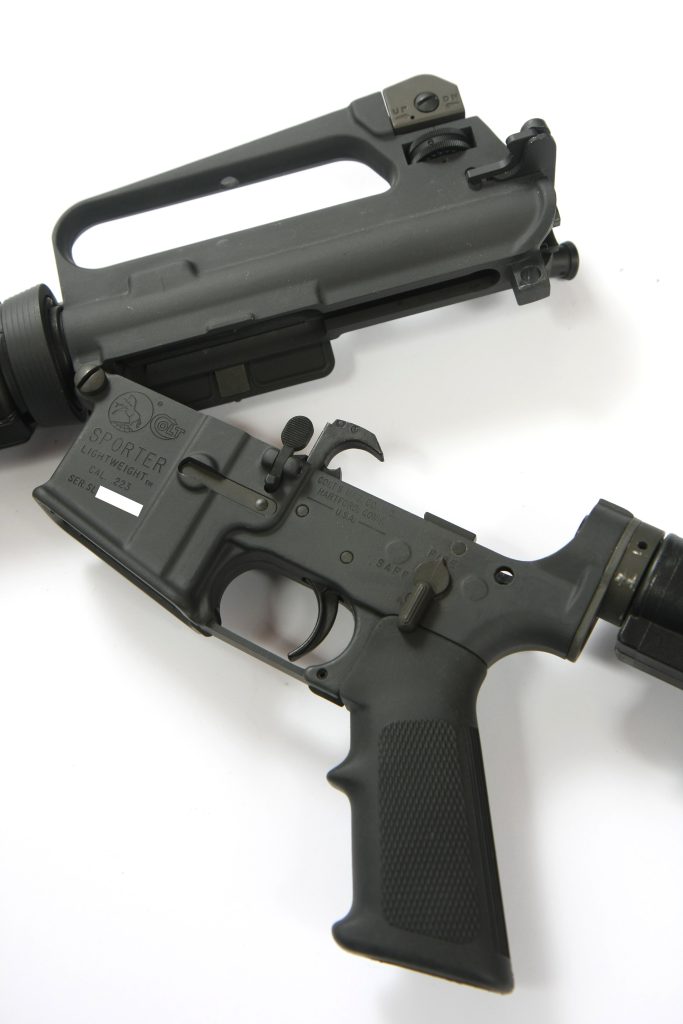
A standard civilian AR-15 fires one round per trigger press. Fully automatic operation depends on additional components and receiver geometry that are not present in typical civilian rifles. Converting firing behavior is not a matter of “turning a knob”; it involves a different fire-control setup, and those controlled parts fall under federal regulation. That difference is built into how the rifle’s trigger group interfaces with the bolt carrier during cycling.

3. It is a military-only tool with no legitimate civilian role
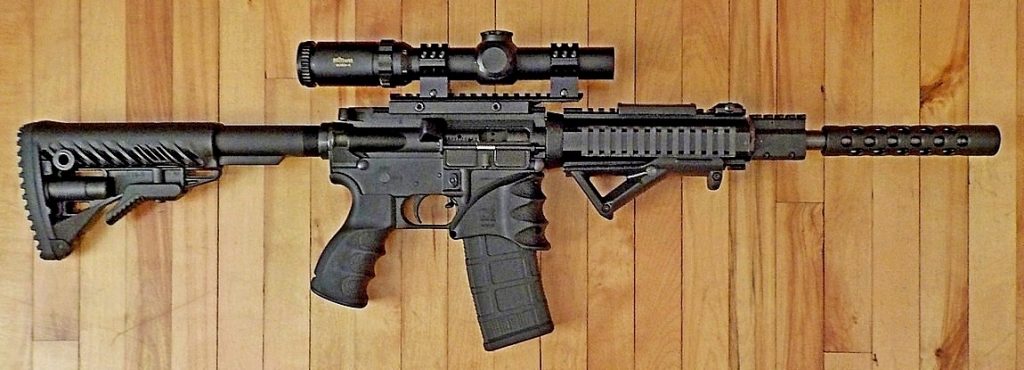
AR-15–style rifles have been sold into the civilian market for decades and are used across distinct, non-military activities: target shooting, competitive disciplines, training, and certain types of hunting. The platform’s cultural visibility often erases the mundane reality of range use and sport configuration. Modularity plays a large role here: swapping uppers, barrels, optics, and furniture allows the same lower to support very different setups, which is why the platform is routinely described as a multi-purpose rifle family rather than a single fixed pattern.

4. The cartridge is “too powerful” by default
Most AR-15s are chambered in .223 Remington or 5.56×45mm NATO, both commonly categorized as intermediate cartridges. In straightforward energy terms, these loads sit well below traditional big-game standbys.

The common comparison is telling: a 55-grain .223 is often cited around 1,280 foot-pounds at the muzzle, while a 150-grain .308 is commonly cited above 2,600 foot-pounds. The platform’s controllability is a design feature, not an accident.
5. It is automatically a poor choice for home defense
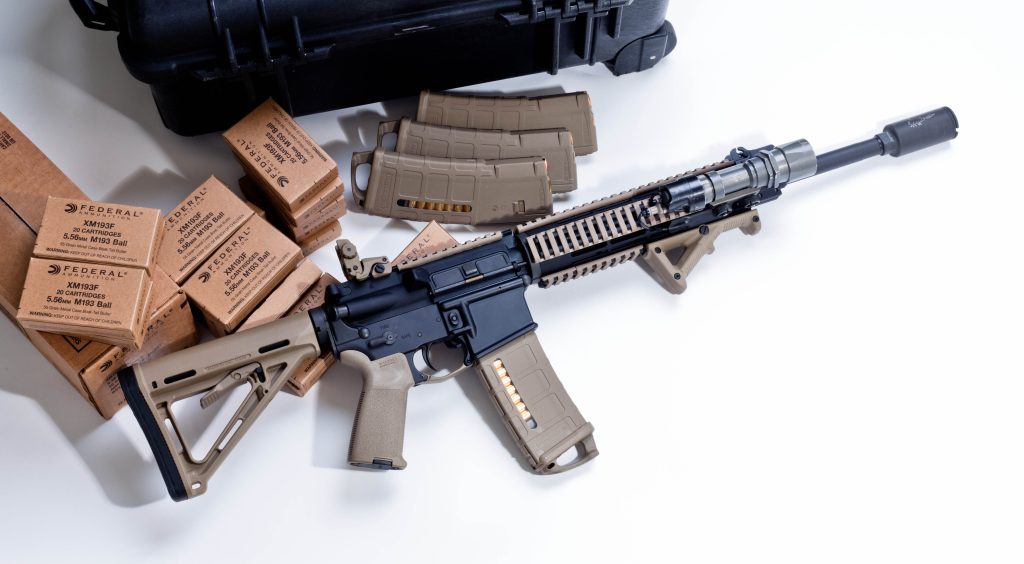
The rifle’s usefulness in defense contexts is usually argued in absolutes, as if length and recoil are the only variables that matter. In practice, the platform’s low recoil impulse, adjustable stock geometry, and compatibility with effective optics shape how it is handled in confined spaces. Some agencies have historically issued similar-pattern carbines for patrol use because accuracy and shootability can be easier to maintain than with many handguns. None of that removes the need for training, safe storage, and ammunition selection appropriate to the environment.
6. Building one from parts is “as easy as snapping blocks together”
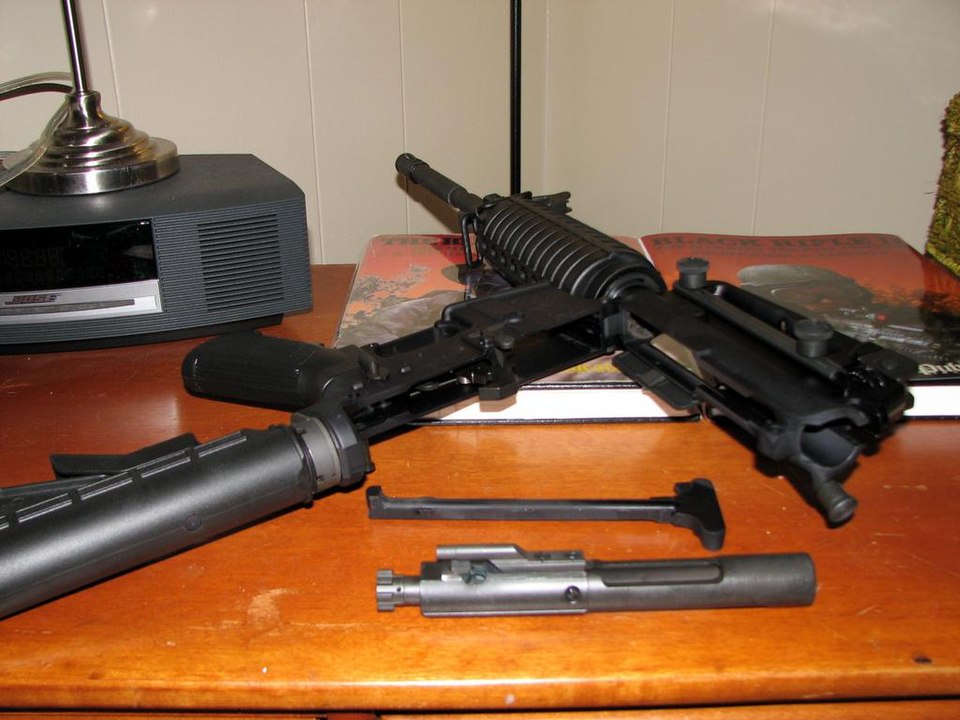
The AR’s modularity can make maintenance and parts replacement approachable, but assembly still involves technical tolerances. Correct torque, proper alignment in the gas system, and attention to headspace are not optional details, and shortcuts can produce unreliable cycling or unsafe pressure conditions. The popular “LEGO” framing encourages a false sense that the platform self-corrects, when the reality is that the rifle only runs as well as its assembly and component compatibility allow.
7. The rules are the same everywhere in the United States
Federal law does not impose a blanket ban on AR-15 ownership, but state and local restrictions vary sharply especially around features and configuration. In California, for example, certain firearms are restricted based on a features test for semiautomatic centerfire rifles, and named listings can also apply. Elsewhere, compliance may revolve around magazine limits, registration requirements, or definitions tied to overall length and attachments. The practical takeaway is simple: legality follows configuration and jurisdiction, not internet consensus.
The AR-15’s myths persist because the platform sits at the intersection of engineering, identity, and regulation. When terminology gets sloppy, mechanical realities get misrepresented and that is when bad assumptions start masquerading as common knowledge.
For owners and non-owners alike, the most reliable way to understand the rifle is to treat it like any other machine: define the terms, verify the mechanism, and read the rule that applies to the exact configuration in hand.


