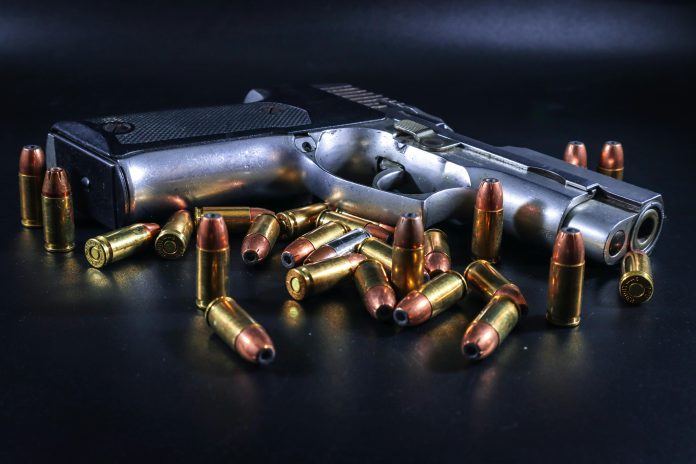
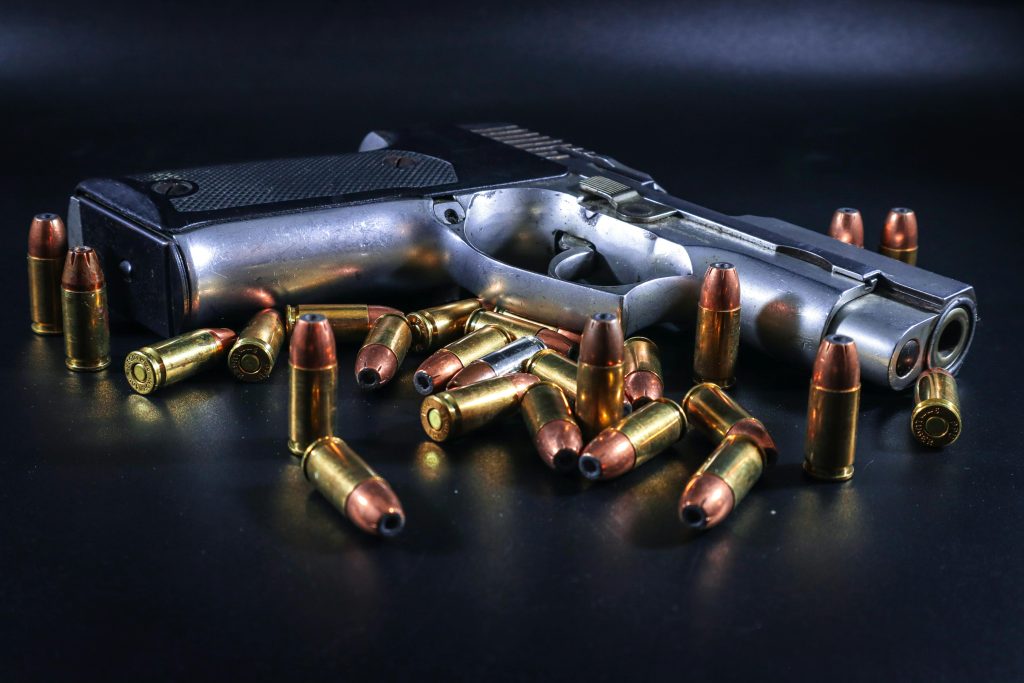
Polymer frames dominate modern duty and defensive handguns, but metal-framed pistols remain a stubborn constant for shooters who prioritize recoil control, longevity, and a certain mechanical “settle” in the hands. Weight is not a fashionable spec, yet it continues to buy stability in rapid fire and durability over high round counts.
What keeps these designs relevant is not nostalgia. It is the way proven lockups, robust rails, and mature support ecosystems translate into pistols that keep running when maintenance schedules and conditions are less than ideal.
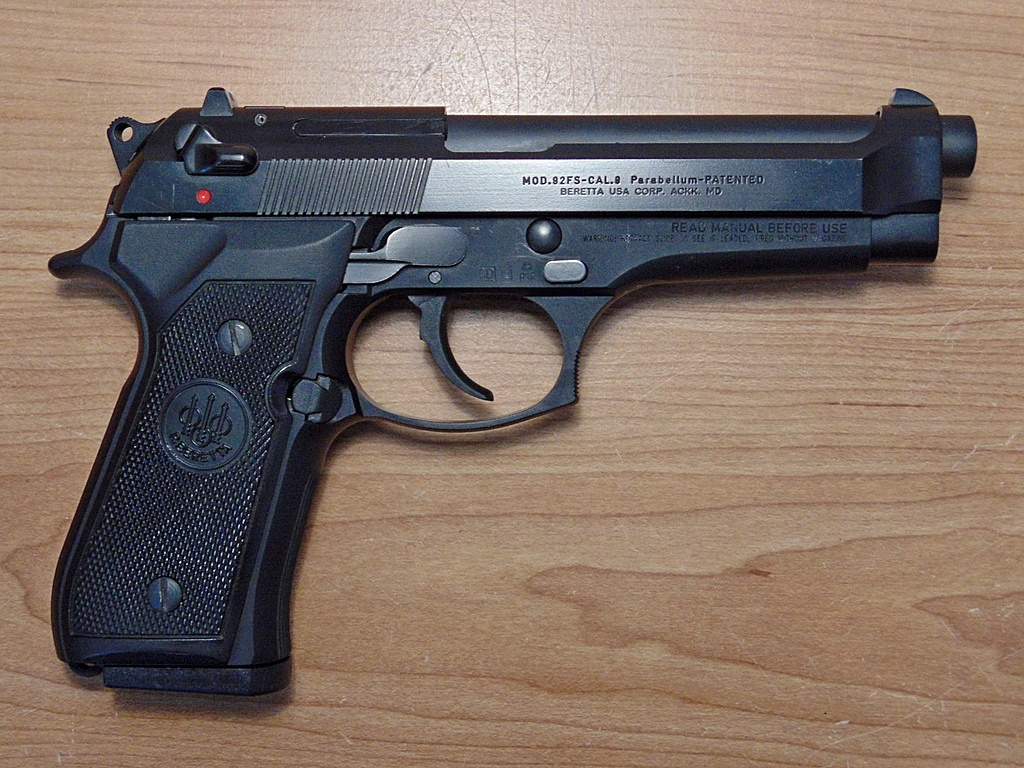
1. Beretta 92FS
The 92FS stays on the short list because it pairs an aluminum frame with an open-slide layout that promotes consistent feeding and ejection. The platform’s evolution also shows how a long-running service pistol adapts: the 92FS incorporates an enlarged hammer pin intended to help prevent slide separation during a catastrophic failure, a detail tied to earlier concerns during U.S. military testing and the changes that followed. The broader 92 family is also notable for its deep parts ecosystem and long production history, with an estimated 3.5 million Model 92s produced across the series.
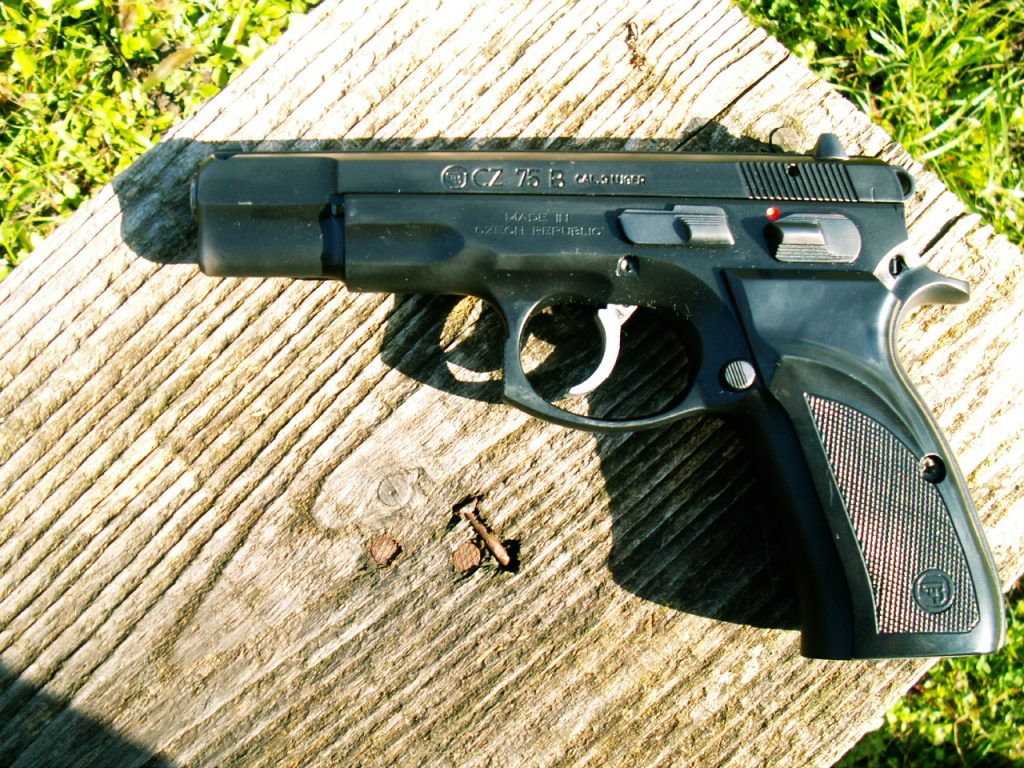
2. CZ 75B
The CZ 75B remains a benchmark steel-framed 9mm largely because of its inside-the-frame slide rails. That geometry lowers the bore axis and tends to reward disciplined grip pressure with flat tracking and practical accuracy. The design’s global institutional use history matters, but so does its day-to-day livability: the grip shape, control reach, and the way the gun returns from recoil keep it competitive even beside newer metal variants built for sport shooting.
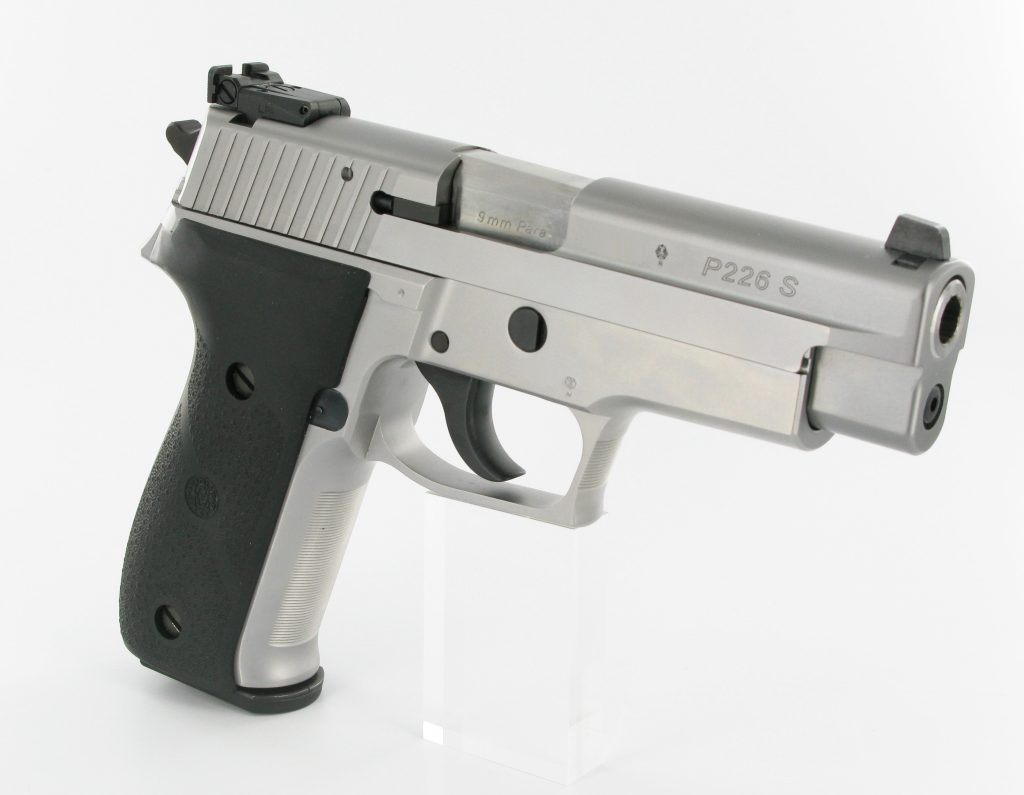
3. SIG Sauer P226
The P226’s reputation comes from an alloy-frame/steel-slide layout that balances carry weight against service-grade toughness. In DA/SA trim, it also brings a procedural rhythm that many shooters still prefer: a deliberate first pull followed by lighter single-action follow-ups. That manual of arms becomes safer and more repeatable when the decocker is treated as a required step; reholstering with the hammer cocked is the kind of preventable handling error that disciplined decocking is designed to avoid.
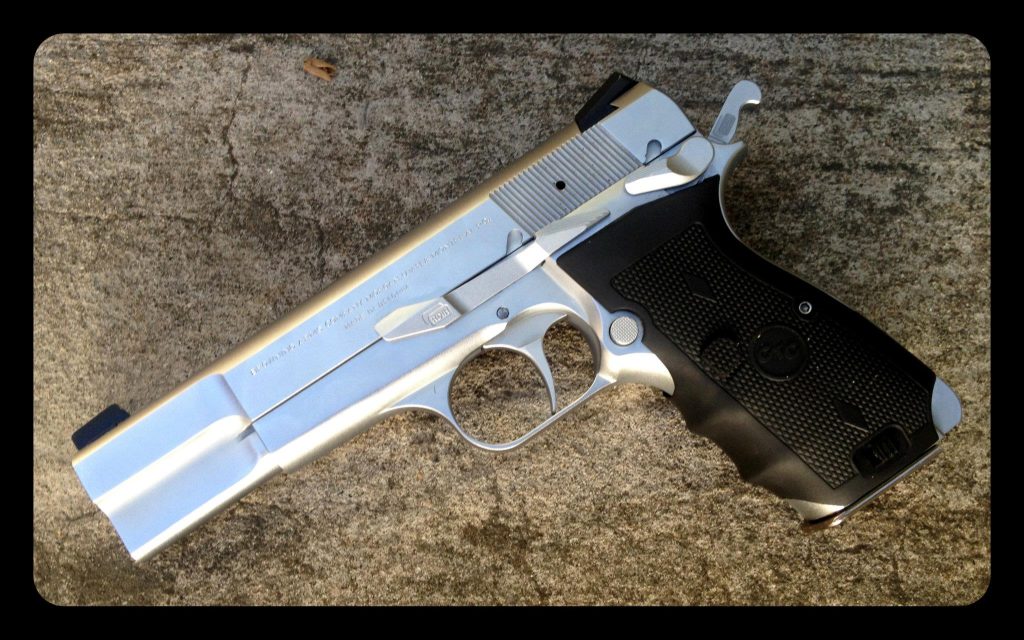
4. Browning Hi-Power (and modern reintroductions)
The Hi-Power’s lasting influence is mechanical and cultural: a slim, high-capacity 9mm format that shaped what “service pistol” meant for generations. Discontinuation did not end the pattern new-production interpretations continue to modernize capacity and ergonomics while keeping the recognizable profile, including a 17-round FN High Power variant that expands beyond the classic 13-round baseline. For shooters who want the original feel, close-pattern clones also keep the manual safety, single-action trigger character, and familiar handling intact.
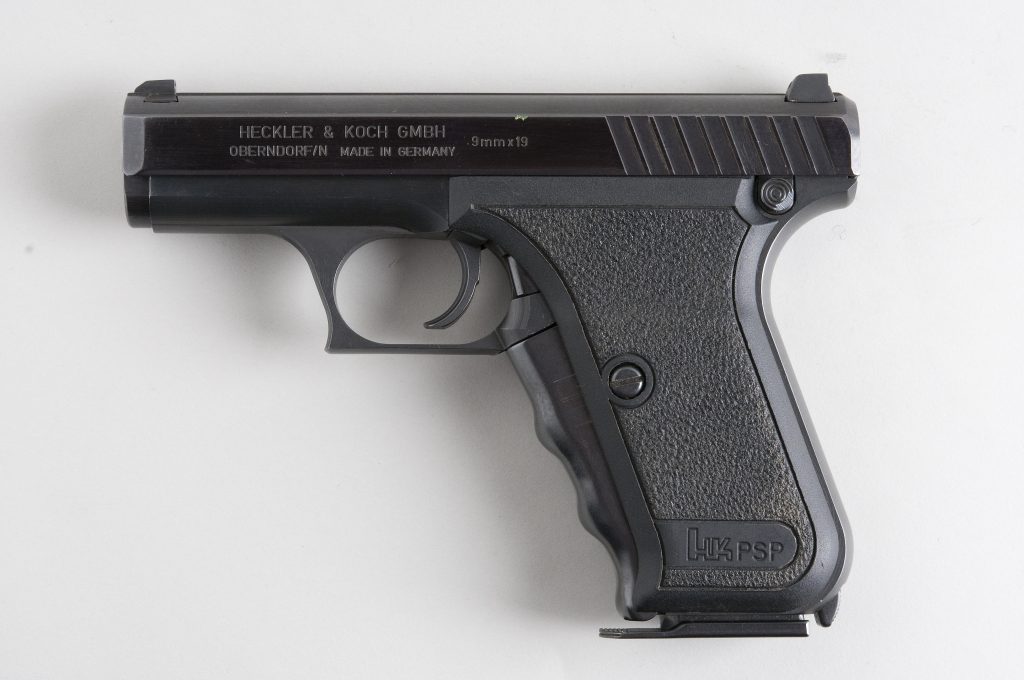
5. Heckler & Koch P7
The P7 remains a technical outlier: gas-delayed blowback, a fixed barrel, and a squeeze-cocking frontstrap that doubles as its core safety interface. Its mechanical accuracy advantage comes from the barrel staying fixed rather than tilting through the cycle, and its handling advantage comes from the gun being instantly “on” only when the cocking lever is deliberately engaged. The design’s service-life expectations were explicit in its original development requirements, including a 10,000-round service life, and production ran from 1979 to 2008.
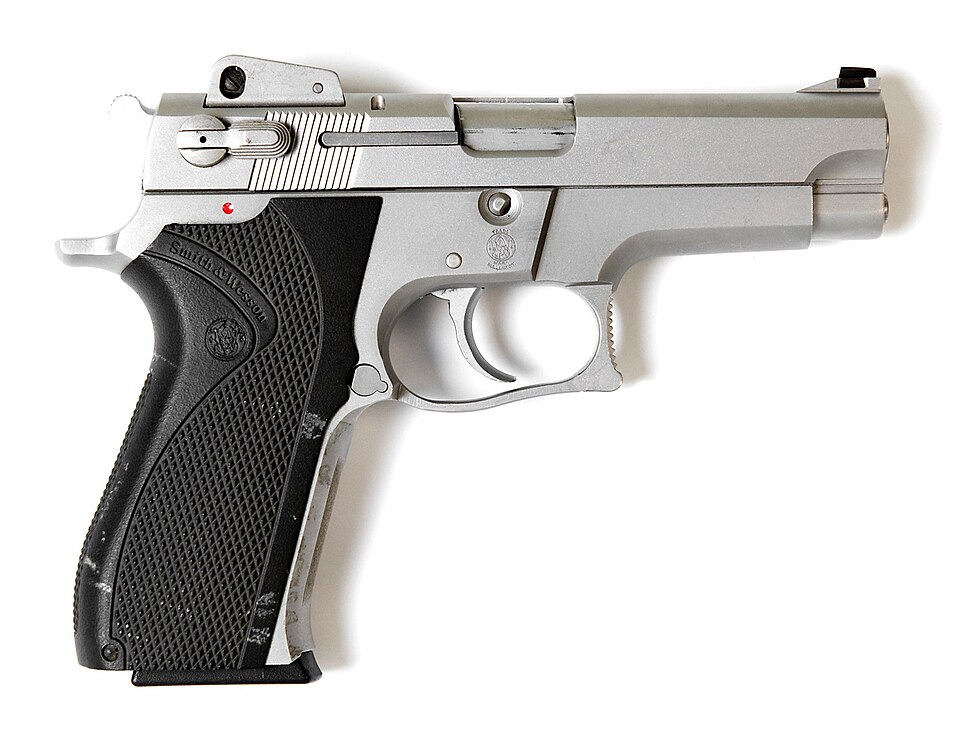
6. Smith & Wesson Model 5906
The 5906 represents the stainless, third-generation duty pistol era built to ride in holsters for years and keep functioning with minimal drama. Its all-metal mass dampens recoil and tends to make the gun feel calmer during fast strings, particularly with conventional double-action/single-action operation. Even after production ended, the model persists because the underlying proposition remains simple: a heavy, corrosion-resistant service pistol that was designed around routine hard use.
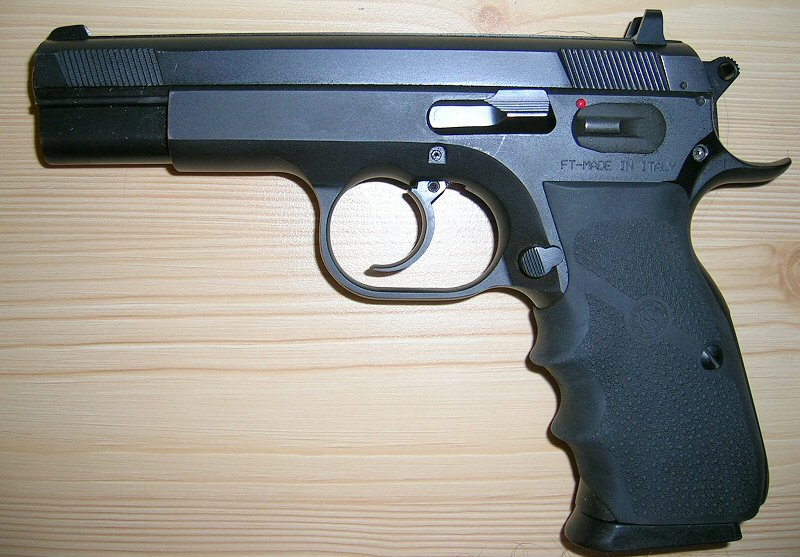
7. Tanfoglio Witness Steel
Tanfoglio’s steel Witness line matters because it demonstrates how the CZ 75 pattern became a modular foundation for competition and caliber flexibility. Competitive shooters have long valued the combination of weight, balance, and trigger potential, and the Witness family’s multi-caliber availability extends the platform beyond a single role. For high-round-count range work, the steel frame’s ability to stay tight and consistent over time remains the main attraction.
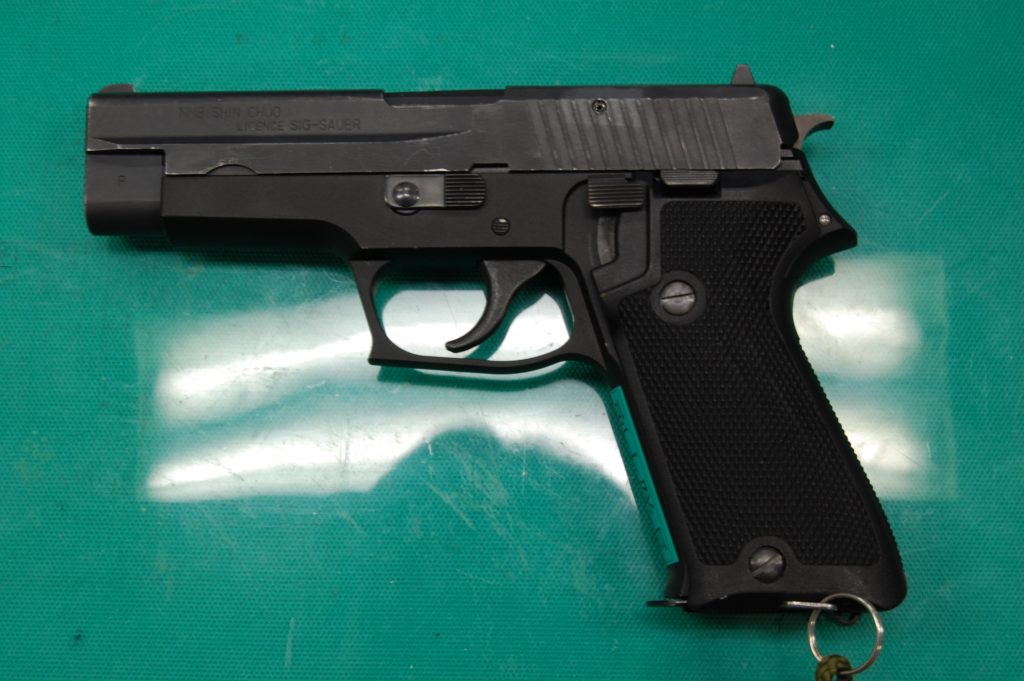
8. SIG Sauer P220
The P220 earns attention as a long-running, metal-framed .45 platform that stayed relevant through decades of changing tastes. Its alloy frame keeps overall mass manageable while preserving the steady recoil impulse many shooters want in full-size .45 ACP. Like other classic SIG DA/SA designs, it rewards consistent decocking habits and repeatable trigger management more than gadget-driven modernization.
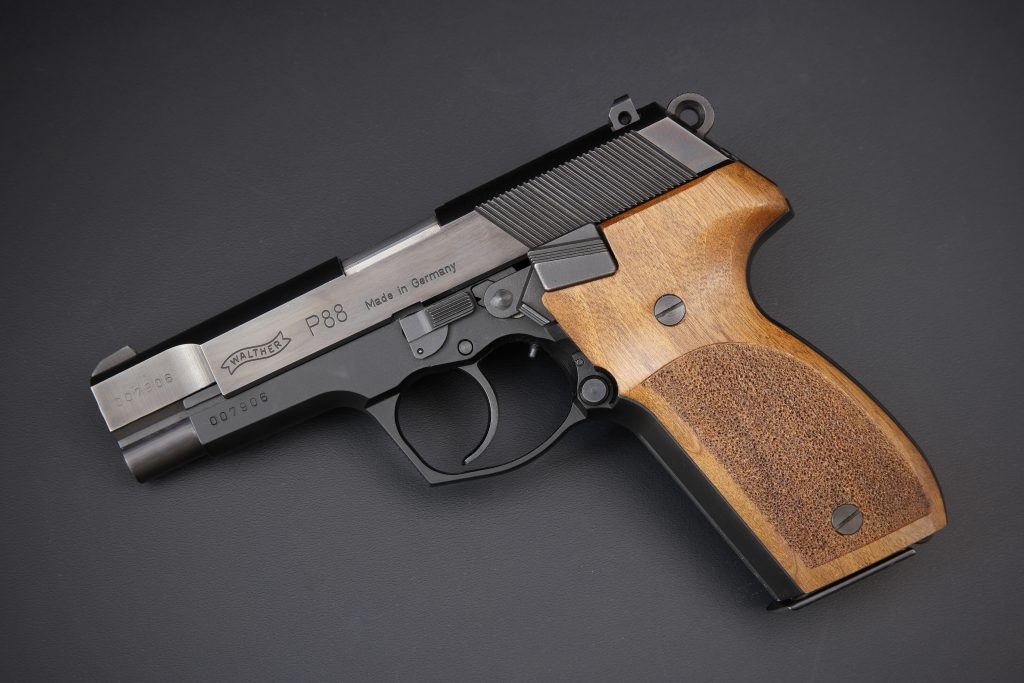
9. Walther P88
The P88 is less common, but it stands as a reminder of what high-machining, high-fit service pistols looked like in the late Cold War era. Its reputation centers on smooth operation and accuracy rather than modularity or accessory readiness. For shooters who value refinement and mechanical consistency in an all-metal format, it remains a distinctive example of Walther’s precision-focused design approach. Metal frames have not “won” the market, but they have not disappeared because they solve a specific set of problems: stability under recoil, long-term wear resistance, and a tactile predictability that rewards repetition. The modern trend toward optics and rails has not erased that advantage; it has simply changed which models get attention. The common thread across these pistols is not era or brand. It is that their handling, lockup geometry, and support networks continue to make them practical, shootable tools built from the start to last.


