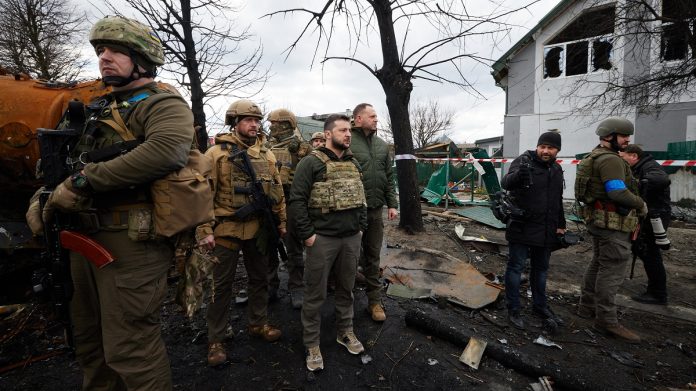
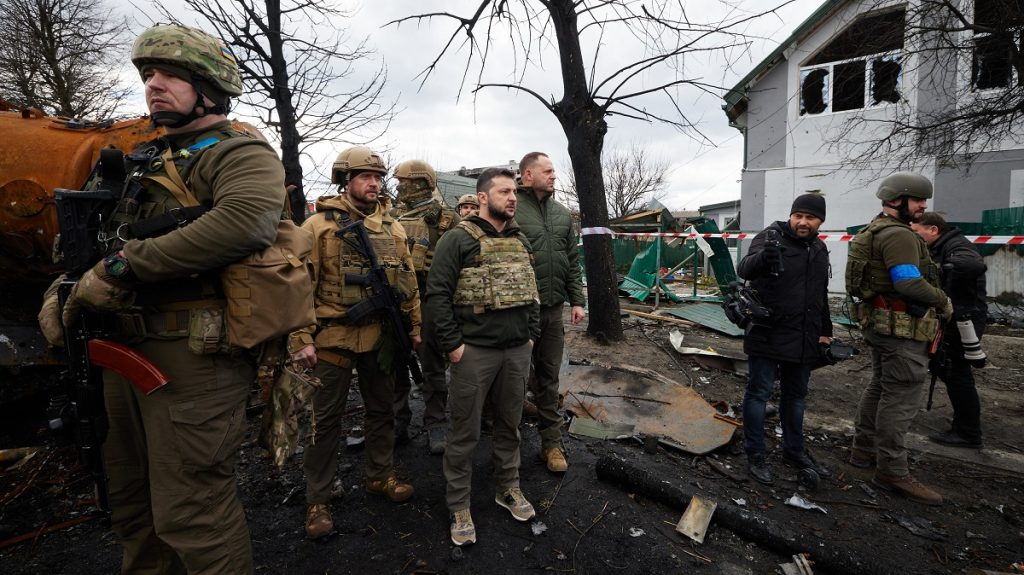
“They are surrendering. There have even been cases of foreigners, foreign mercenaries for the Russians, giving themselves up. Supply by air bridge alone is not something that allows them to hold out for long.”
That assessment from Ukrainian Joint Forces spokesperson Viktor Trehubov frames Kupyansk as more than a single urban fight. It is a compact case study in how modern battlefield engineering, logistics, and counter-infiltration collide in dense terrain especially when ground sustainment fails.
1. Kupyansk’s logistics lesson: a city cannot be held on air resupply alone
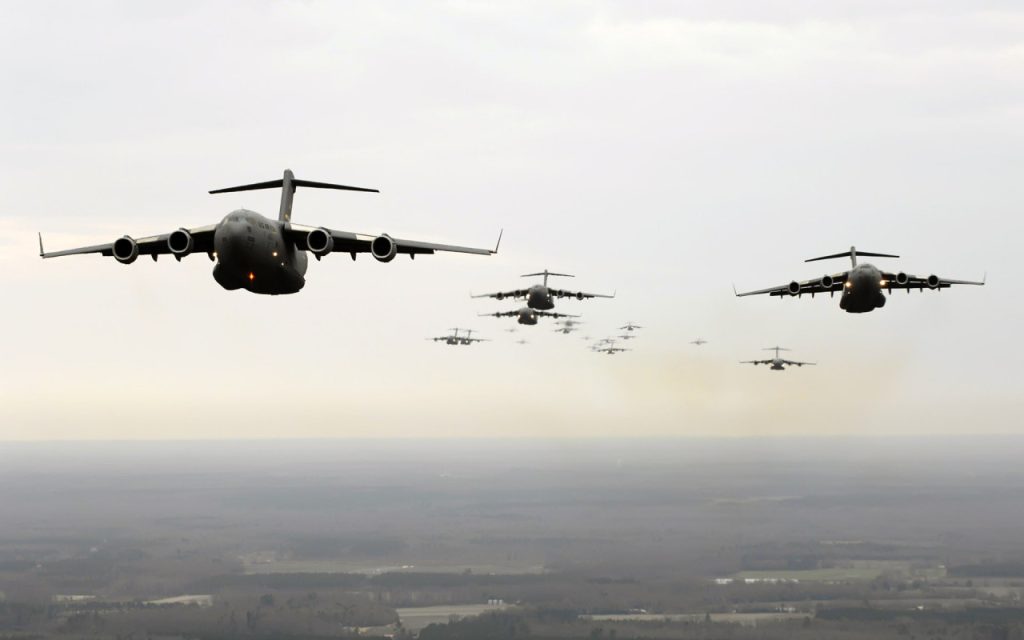
Ukrainian officials described Russian elements inside Kupyansk as increasingly isolated, with remaining pockets cut off from ground routes and leaning on limited air delivery. Trehubov’s emphasis on an “air bridge” points to a core constraint: aerial sustainment can move select high-value items, but it struggles to support dispersed infantry in contested urban blocks where landing zones, drop accuracy, and recovery are all under observation.
Once a force cannot move ammunition, medical evacuation, and rotation through protected corridors, combat power degrades quickly even if individual positions remain intact. Ukrainian messaging also asserted that defenders pushed combat outward toward Petropavlivka, effectively relocating the sustainment problem from city streets to the approaches.
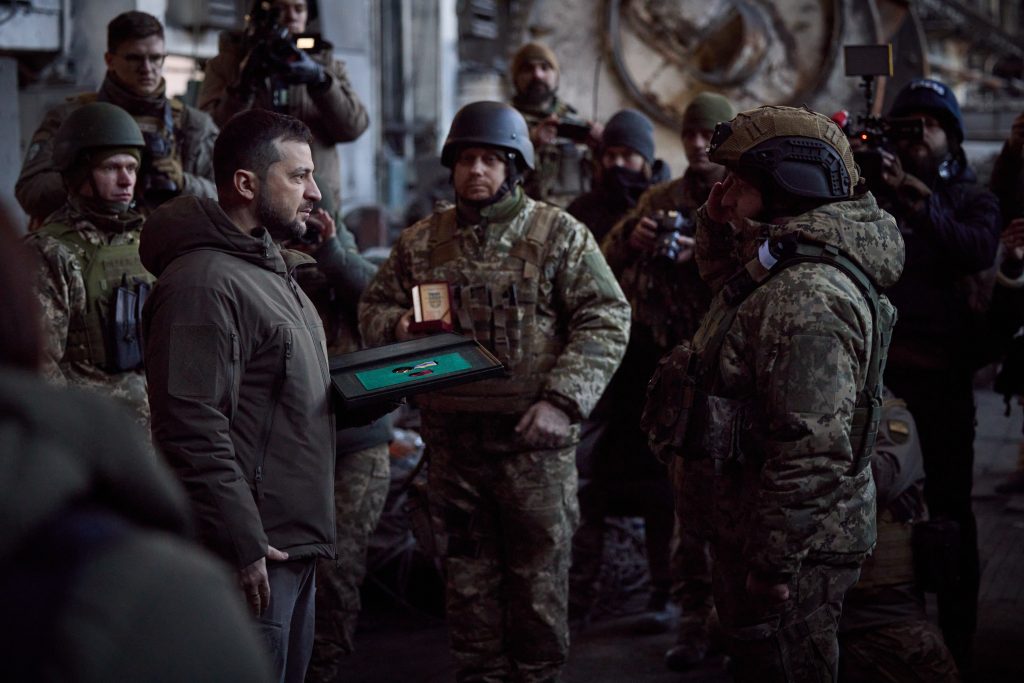
2. Small pockets and “last dozens”: isolation becomes a measurable battlefield condition
In the Kupyansk direction, Ukrainian military reporting has repeatedly narrowed the estimate of remaining Russian personnel to a small residual. One assessment put the number at fewer than 60–70 servicemembers still inside the city, described as unable to infiltrate from the north and pressured along the east bank of the Oskil River.
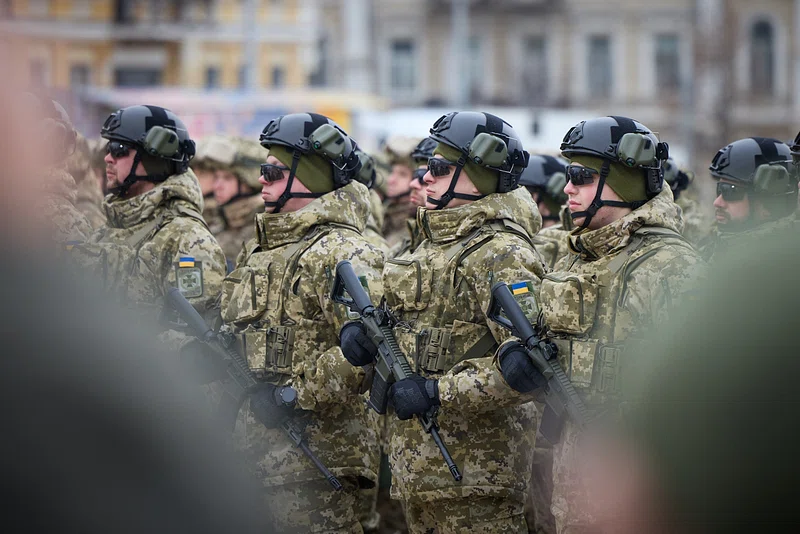
That “small number” matters operationally: when a pocket shrinks, it becomes easier to surveil, interdict, and psychologically pressure, while the pocket’s ability to mass for a breakout collapses. It also changes the engineering requirement on the defender, shifting from building broad belts of obstacles to sealing micro-corridors, basements, culverts, and utility routes.
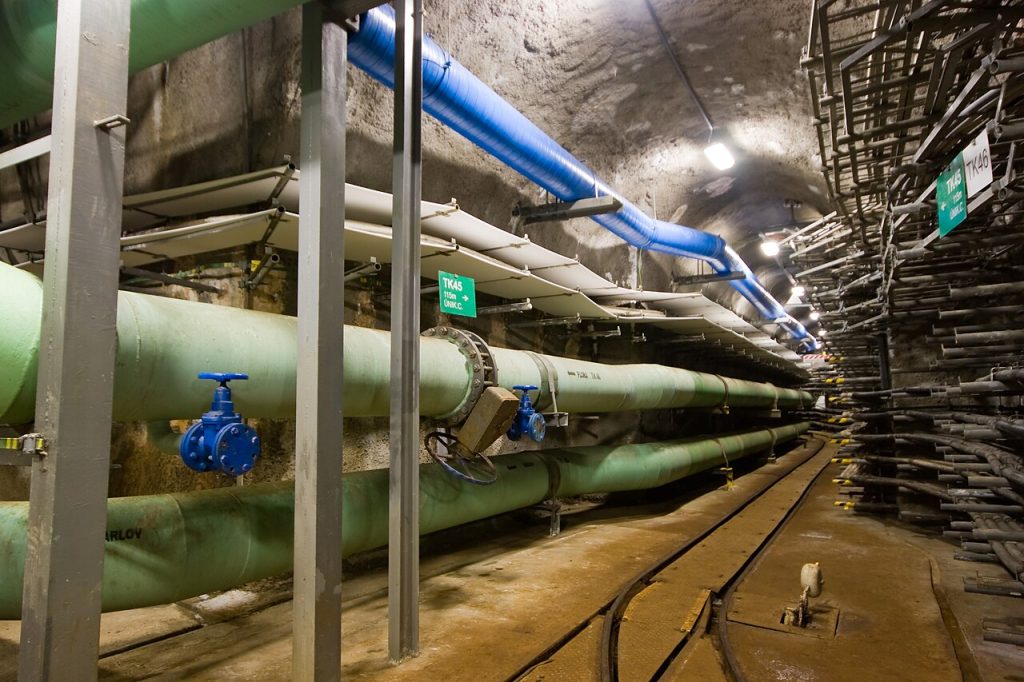
3. Utility corridors as attack paths: the gas-pipeline infiltration problem
Ukrainian forces stated they thwarted an attempt to enter the city through a gas pipeline, and separate Ukrainian military reporting described a detected plan to use a pipeline for a covert approach and force buildup. This is a recurring engineering challenge in urban defense: subterranean and enclosed infrastructure offers concealment from aerial sensors, but it introduces chokepoints that can be monitored, collapsed, or trapped.
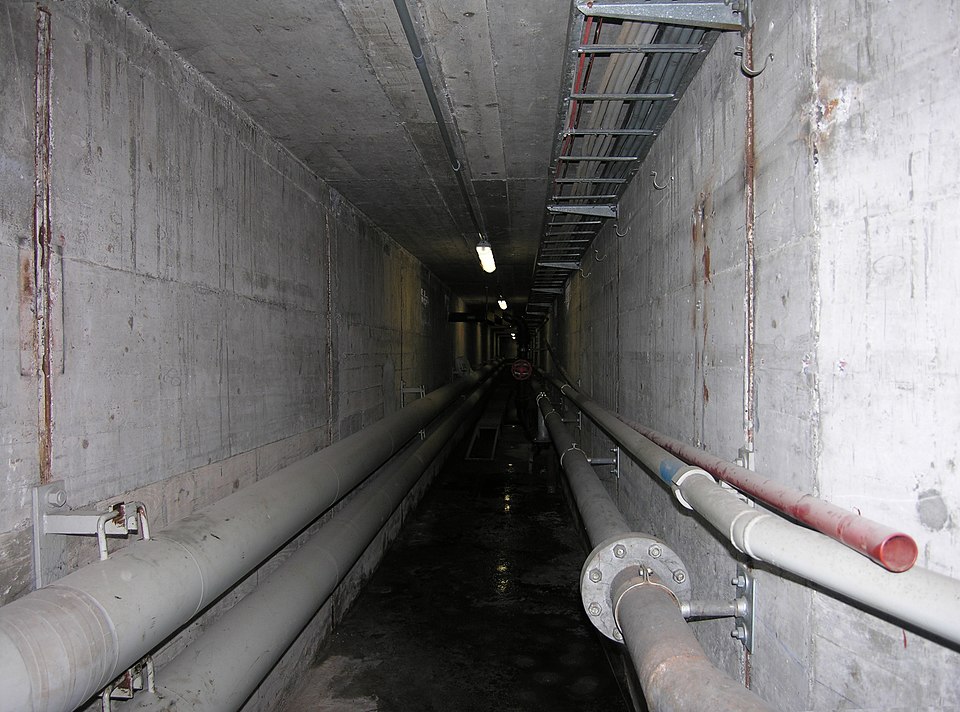
The defender’s advantage lies in reconnaissance and rapid obstacle employment blocking, breaching-control, and controlled demolition before an attacker can convert a tunnel-like route into a sustained conveyor of personnel and supplies.
4. The drone-saturated environment: logistics and movement become visible systems
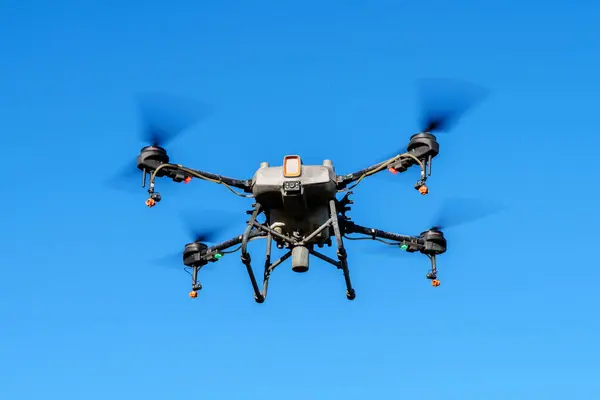
Across the broader theater, assessments emphasized expanding drone use for interdiction and resupply, including claims that frontline positions were being sustained by drones when weather and ground pressure constrain movement. In practical terms, drones convert logistics into a signature: footpaths, vehicle ruts, and repeated routes become targetable patterns, and supply improvisations whether dropped bundles or short-range “air bridges” signal desperation as much as capability. This dynamic tightens the cycle between detection and strike, forcing units to disperse, move in smaller elements, and accept slower tempo.
5. Why Kupyansk remains a transport-hub objective even when tactics fail
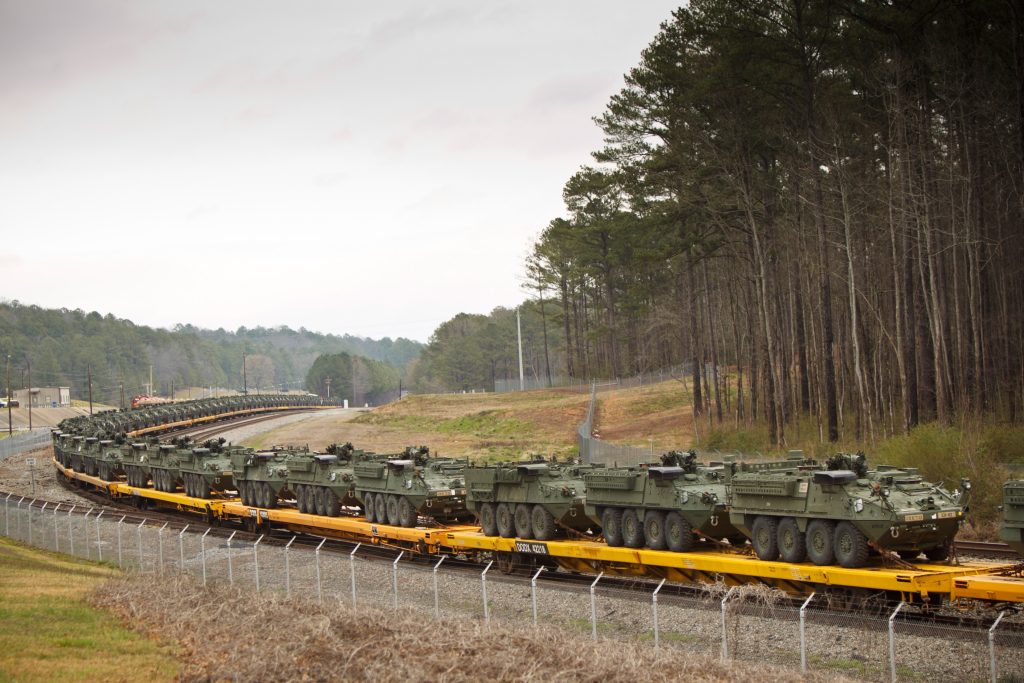
Kupyansk’s enduring importance is rooted in infrastructure. It functions as a rail-and-road node in northeastern Ukraine, and that makes it valuable even without a dramatic breakthrough: control can threaten lines of communication, impose rerouting costs, and create a platform for pressure along adjacent axes. But repeated attempts to seize such a node collide with the defender’s ability to fortify, counterattack, and isolate penetrations. The result is a pattern where tactical entry does not automatically translate into durable control, especially when sustainment corridors are contested.
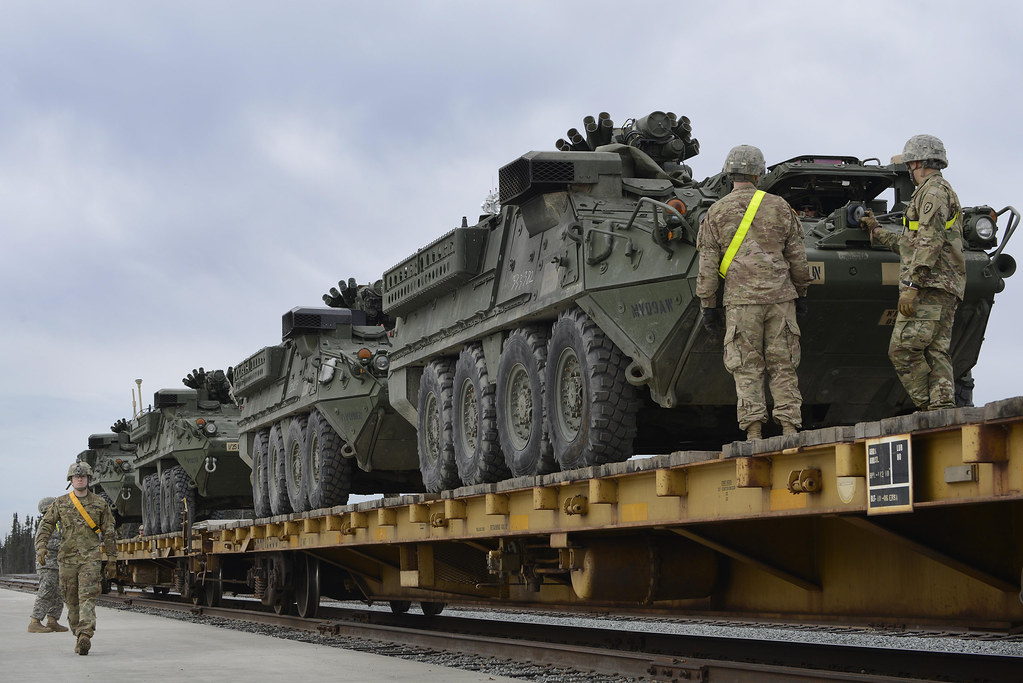
Kupyansk illustrates a modern constant: the decisive fight often happens in the supply architecture routes, crossings, utility access, and the ability to move under observation rather than in the symbolism of a city name. The most consequential variable is not the presence of a pocket, but whether that pocket can be fed, reinforced, and rotated. When it cannot, collapse becomes an engineering outcome as much as a tactical one.


