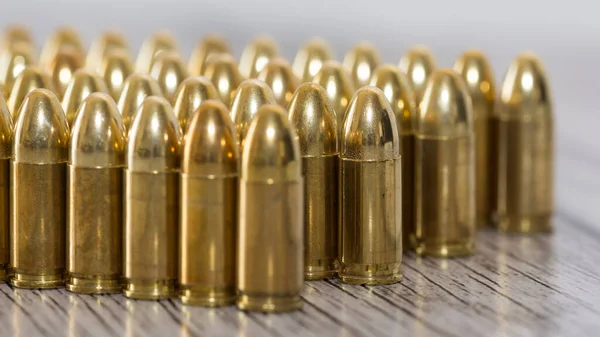
Have you ever eavesdropped on a conversation between a couple of gun enthusiasts about their choice between a .45 ACP and a 9mm? It has very little to do with subjective preference and more to do with the elements of physics, intention, and the subtleties of what takes a shot from being good to being awesome. When it comes to the subtleties of gun enthusiasts, sports shooters, hunters, and self-defense enthusiasts, this stuff is crucial to understand.
“The knowledge offered here distills technical information, test results, and real-world experience into valuable insights on what to expect. Whether it’s small groupings at 25 meters, ethical hunting, or reliable defense, each part of this series will cover a different piece of the precision calibers puzzle.”
1. Fundamentals of Caliber and Their Effect
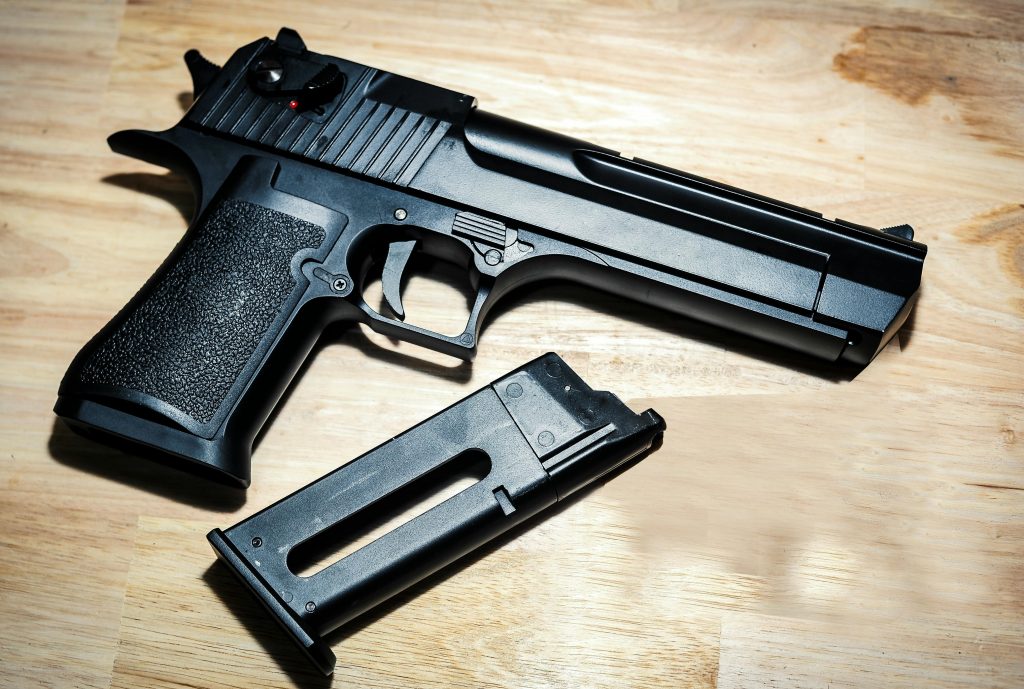
Caliber refers to the size of the bullet, which can be 9mm, .45 ACP, and so on. This affects the recoil, power, and purpose of the use of the weapon. A bigger caliber gives a greater pushing power but also costs more in terms of recoil. This can be a major problem in landing a quick shot as it can be difficult to handle. However, a 9mm Luger gives a perfect balance. The corresponding German law on hunting requires a muzzle energy of at least 200 Joules when hunting certain game; obviously, this rules out a few of thesmaller caliber weapons when it comes to the hunting of big game. These form the basic guidelines, which will guarantee that the caliber selected is adequate from all angles.
2. The 9mm Luger: Versatility Defined
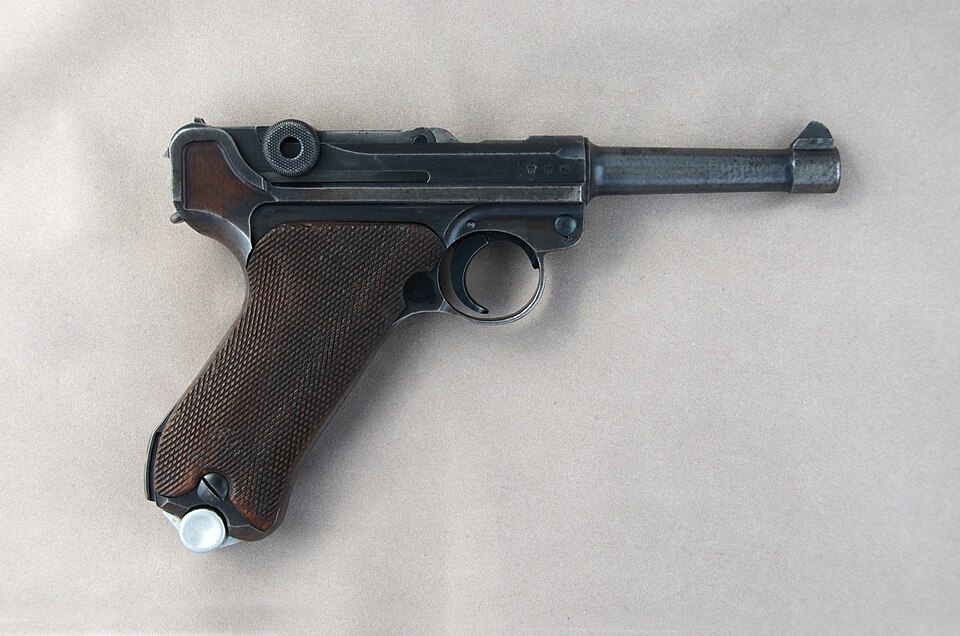
The caliber of the 9 mm Luger remains the leading semiautomatic pistol caliber used in the German forces, as well as by other civilian gunners. The range of muzzle energy of between 370 to 750 Joules is higher than the hunting levels, though it has moderate recoil. An added advantage is that the ammunition is relatively cheaper, considering that it costs on average between 0.23 to 0.27 euros per bullet, which is highly economical in training sessions by the dozens. Its massive adoption has also led to the development of many firearms that further cements it as the optimum cartridge type.
3. Heavy Hitters: .45 ACP and .44 Magnum
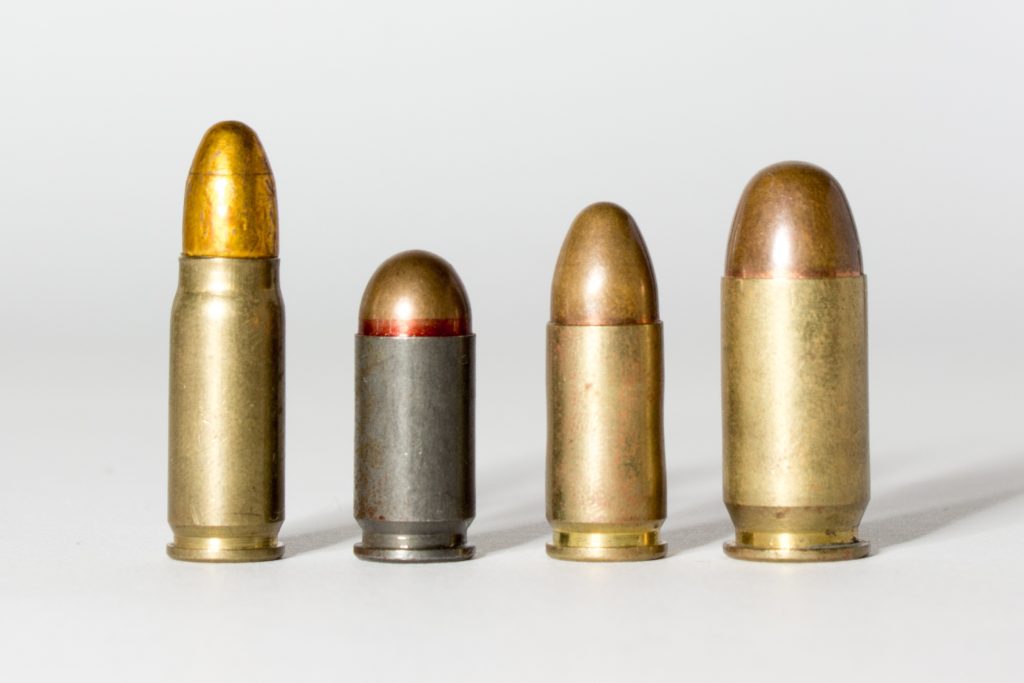
The .45 ACP cartridge gives high power with its large bullet size and gives a “pushing” recoil impulse that many people find easier to handle over the snapping recoil impulse of the .40 S&W. Its capacity is lower but the .45 ACP has always proven itself reliable in self-defense applications. The .44 Magnum cartridge has an energy level ranging from 1,000 Joules to 1,800 Joules, along with gas pressures that go up to 2,800 bar, making it suitable for hunting and special sports shooting competitions. The recoil power is very high, requiring extensive expertise, whereas longer and heavier weapons ease the recoil.
4. Ballistics and Barrel Length
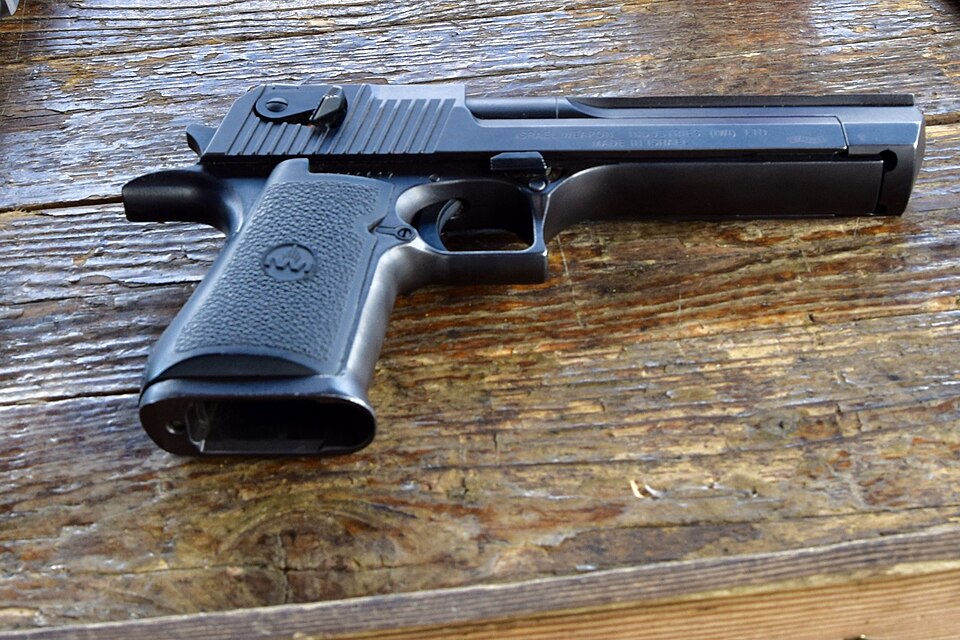
Velocity also affects trajectory as the faster the velocity, the flatter the trajectory path. The speed allows for accurate shots. The barrel length depends to some extent on velocity; thus, long barrels result in an increase in velocity, although exceptions are found depending on the barrel and burn rate of the powder. For example, differences of as much as 71 fps have been recorded between different barrels of the same lengths, clearly emphasizing the need for testing particular weapon-ammunition pairings as opposed to mere guidelines.
5. Recoil’s Effect on Precision
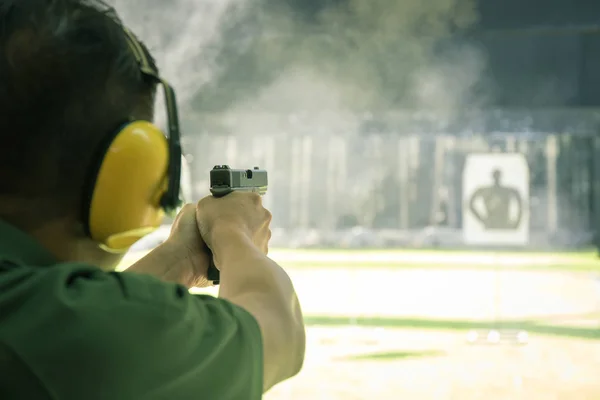
A recoil isn’t just for comfort. It’s also for accuracy. A stronger recoil may cause “flinching,” which is an involuntary movement of the shooter. Training exercises performed between 9mm and .45 ACP showed that there was an 18% faster split time for 9mm, leading to more ammunition on target faster. The manageable recoil of the caliber allows the shooter to maintain good sight alignment and control when firing rapidly at multiple targets.
6. Designing a Bullet for Accuracy and Terminal Performance
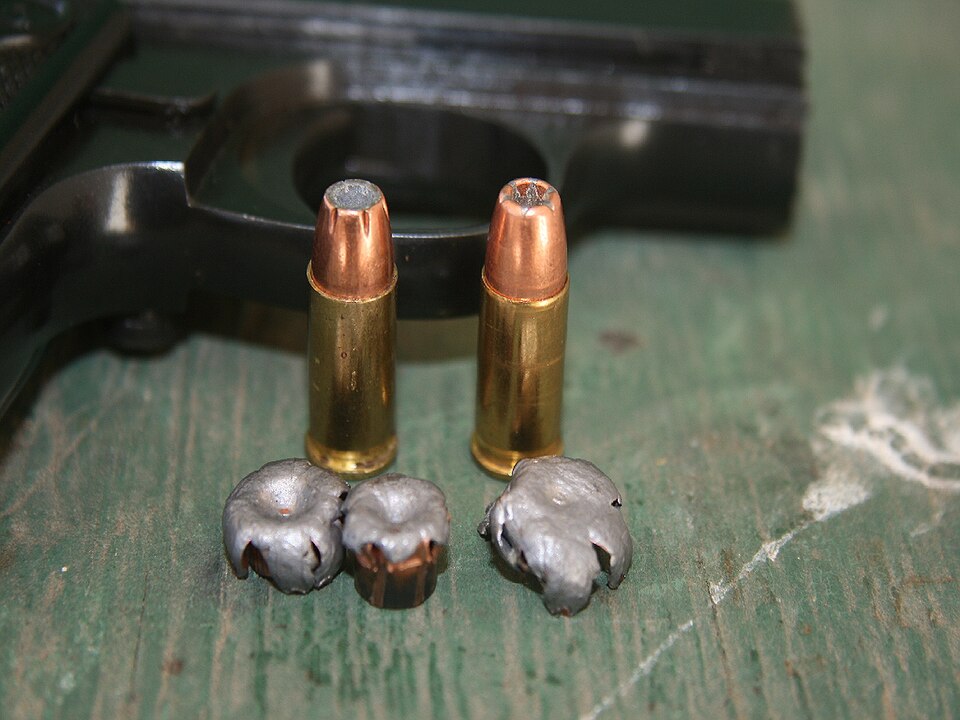
The shapes of the bullets matter: The wadcutter and semi-wadcutter bullets were designed to create a single hole target, which helps score targets easily and accurately. The hollow-point bullets were made to expand when they come across tissue, which helps to enlarge the hole and prevents over-penetration. Barriers like wearing heavy clothes may obstruct the expansion process, as seen in the ballistic gel tests. The defensive loads that ensure there is accurate expansion and penetration of between 12-18 inches according to the FBI standard are extremely essential.
7. Factory Ammunition vs. Reloading
For easy access and easy affordability, nothing can match factory ammunition. For popular calibers like 9 MM, factory rounds are always readily available, and one can afford to shoot off a couple of hundred rounds in an afternoon. But reloading allows one to control loading factors like powder, seating of the bullet, and the cases that are reloadable all essential while shooting for a sub-20 MM group. Therefore, as stated by all4shooters, “The right ammunition type and sometimes the same batch of the ammunition can determine the quality of shots with your firearm.” Reloading can help cut the cost of exotic or big-bore calibers but calls for an expenditure of money on the reload tools and utmost care.
8. Choice of Calibre for Hunting
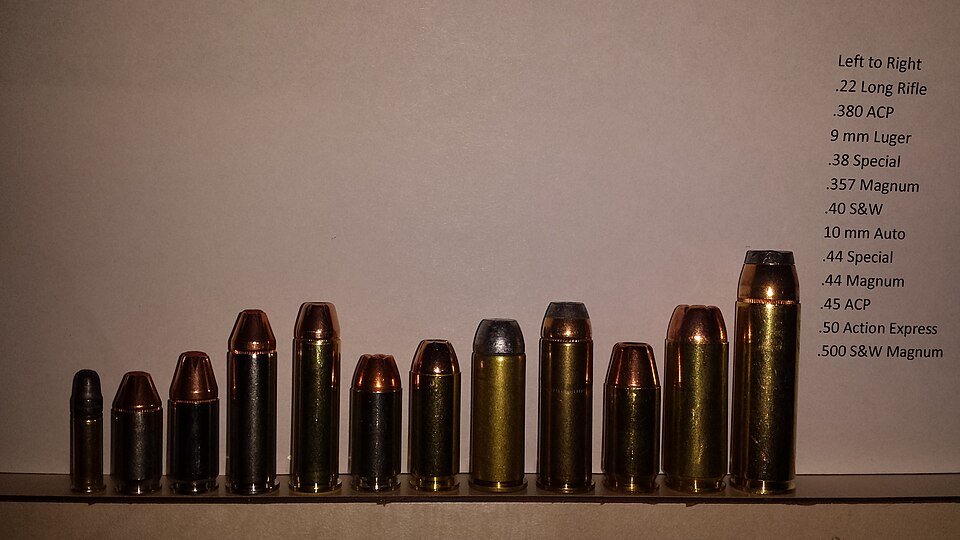
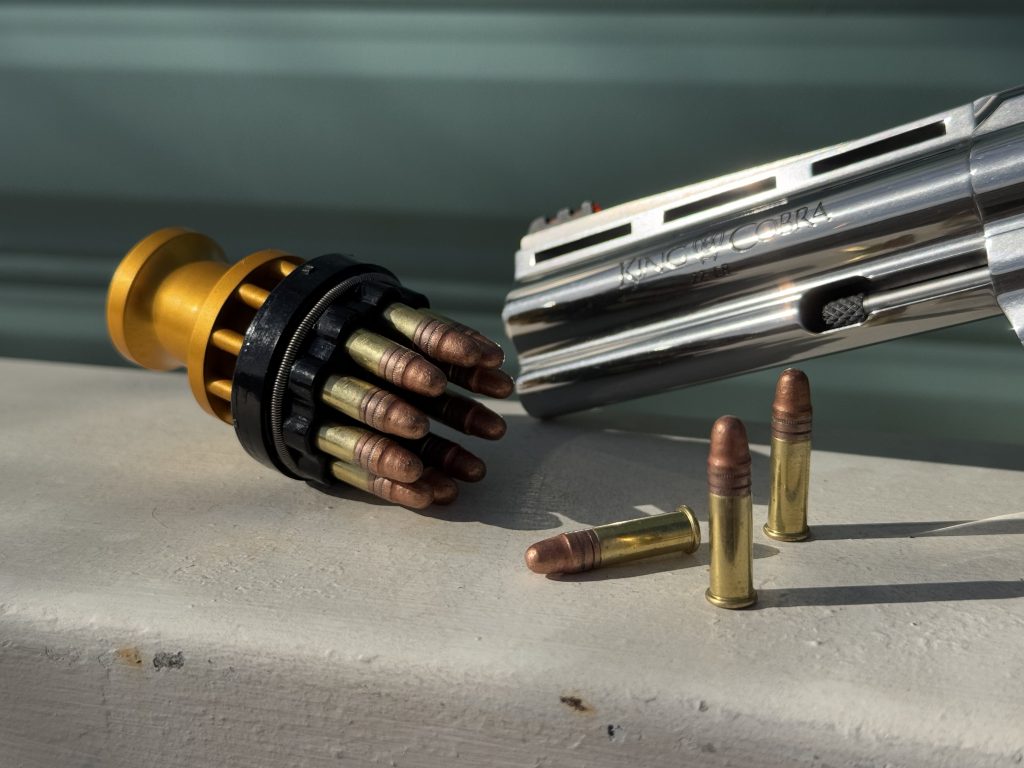
.22LR & 6.35mm Browning rounds minimize the damage to the pelts in small game hunting, while large game hunting in Germany is achieved by using 9mm Luger or .38 Special in heavy charges. Hollow points have enhanced performance ever since their permission in 2003. The caliber used to hunt the wild boar and deer is primarily .357 Magnum and .44 Magnum revolver caliber, as well as pistol caliber .40 S&W and 10mm Auto due to their penetrating power and energy.

9. Self-Defense Considerations
In their defensive role, penetration and accuracy are critical. The FBI standards of 12-18 inches in gel are crucial, as it assures that even when shooting through barriers, rounds go beyond that area and penetrate vital organs. These standards are satisfied by modern 9mm cartridges that possess manageable recoil and higher capacity. Approximately 60% of police departments in the US utilize 9mm, and its low cost of approximately €0.20 per round makes it feasible for officers to receive frequent target practice. While bigger bullets such as .45 ACP possess more kinetic energy, they could impact accuracy regarding sequential shots.
10. Training and Technique
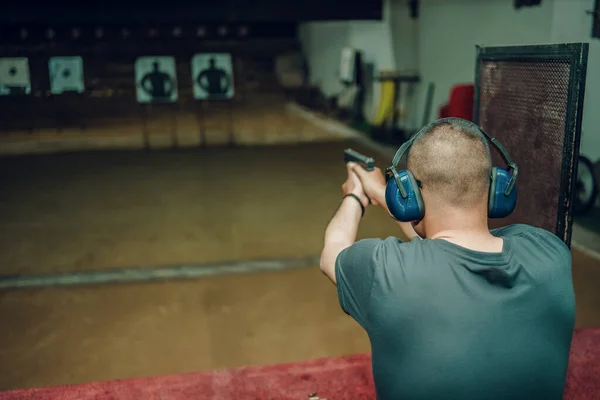
Each Skill enhances equipment. Grip position – strong support hand contact high on the beavertail – minimizes muzzle flip. “If you’re holding a gun improperly, you are somehow fighting physics. You’re not fighting someone. You’re not fighting an animal. You’re fighting physics. And that is an unfair fight. Because you can’t overcome that. You can’t overcome something that is so much more powerful than you. You can’t overcome something that is more powerful than you.
You can’t overcome something that operates according to immutable laws that you have no ability to change.” Christoph Weber, LOWREADY Magazine Grip drills like Bill Drill aid in developing consistent grip and timing, where full-power pistols result in a “reduced” recoil sensation, thus allowing precise shooting with powerful handgun calibers. Giving due attention to a caliber decision is science, legislation, and individual ability. From versatile 9mm Luger to magnum .44 caliber handgun ammunition, each decision is some form of trade-off between factors like recoil, capacity, cost, and terminal ballistics.


