Will a drone swarm tip the world’s energy market balance? In the fourth year of the war, Ukraine’s precision strikes on Russian oil targets are doing more than delivering physical destruction, they are reshaping commodity, developing economies, and understanding the leverage. From investors and analysts, the implications go well beyond the conflict.
The consistent attack has revealed the weaknesses in Russia’s refining industry, fueled the diversification effort in Europe, and further entrenched the Asian ‘lifeline’ role in Russian crude exports. Meanwhile, the cost margins for refined oil are seeing multi-year peaks amid disruptions that spread across all the major markets. This listicle will break down the most telling events in the battle, including tactical developments on the Ukrainian front to the long-term investment challenges in Russia’s oil assets.
1. Ukraine’s Drone Strategy Evolves into Sustain Disruption
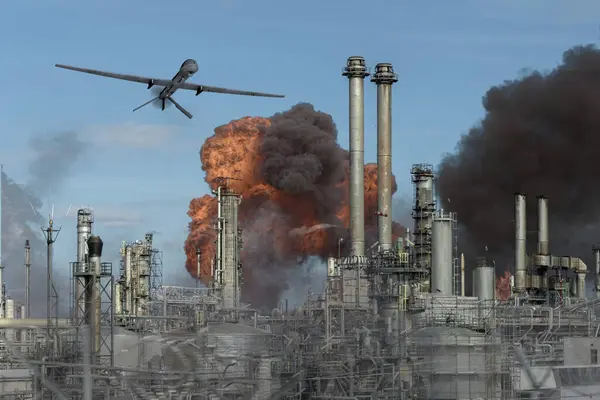
Ukraine has shifted from isolated strikes to a targeted approach of attacking important refineries like Ryazan, Volgograd, and Novokuibyshevsk, and then repairing and attacking them again, so that they never get a chance to stabilize. Ukraine has made sure that a substantial part of the refining capacity remains shut down and even routine repairs become hazards in themselves and take longer.
The shift has been from the crude distillation units to the secondary processing units such as hydrocrackers, reformers, and hydrotreaters, which are necessary for the production of on-spec fuel products. These units are also difficult to replace when placed under sanction, with the downtime extending and production limited. The Ukraine has also targeted the product tanks and the load ports, eliminating the initial supply into the region and further tightening the markets and the logistics for the region’s military.
2. Structural Vulnerabilities in Russia’s Refining System
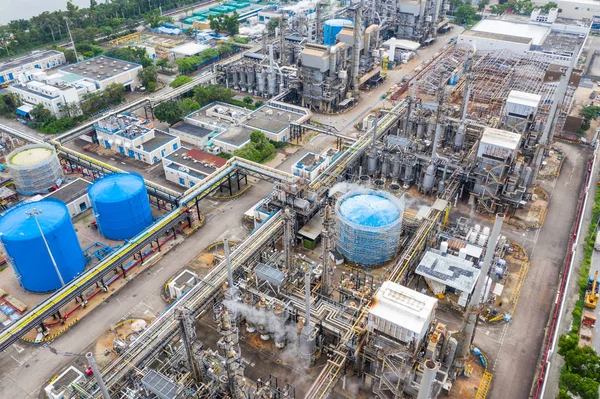
The refining capacity in Russia is officially at 6.5 million barrels per day, though outdated facilities and unused processing power result in reduced processing. While attacks on processing units do not necessarily equate to direct fuel loss in terms of distillation capacity being higher than fuel requirements, process unit damage has direct market-grade production implications.
These weaknesses have been exacerbated by the lack of access to imports of Western-manufactured replacement parts. There is a lack of high-spec reactor vessels, compressors, and instruments, and the high level of interest rates has raised the cost of financing for maintenance. This has created a sector that can withstand shock but is suffering the accumulated effects over time.
3. Global Refining Margins Increase Due to Disruptions
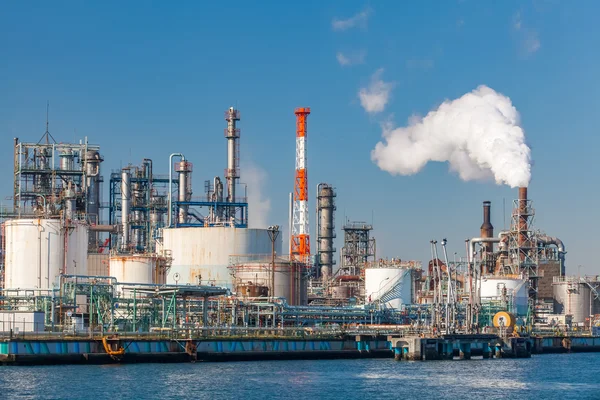
The global refining margin has seen multi-year highs, with European diesel cracks reaching $33.90 a barrel and U.S. refining margins seeing sharp increases. Middle distillate shortages are being created through various outages triggered by Ukrainian strikes andmaintenance and unscheduled shutdowns elsewhere.
As per analysts, this is a downstream-led rally, as there is plenty of oil, but refining is a constraint. The International Energy Agency has strengthened its forecast for European refining throughputs, while oil giants like Total have seen more than 70% growth in their downstream results. Different refiners across the globe are being motivated to run their refineries at full capacity owing to market tightness in the diesel market.
4. Asian Role in Absorbing Russian Oil Crude
India and China have now together accounted for more than 90% of Russia’s overall seaborne exports of crude, with India more than doubling its imports, which previously amounted to very little before the war, to satisfy one-third of its total imports following discounts of up to $35 per barrel.
This pivot has protected Asian buyers against price volatility, but has consolidated their dependence on Russian resources. It has also cushioned the effects of Western sanctions, ensuring that Moscow’s finances remain strong. However, the cost differential has narrowed, and geopolitical pressures, such as the looming sanctioning of Indian refineries processing Russian crude in Europe, introduce diplomatically fraught elements.
5. Sanctions Close Loopholes Regarding Refined Products Transfers
The EU’s ban on the import of fuels produced from Russian oil as of January 2026 will help to end one of the major loopholes that contributed to a flow of refined products from third-party countries, including India, to Europe. It is likely to make it less profitable to refine cheap Russian oil to resale.
The U.S. sanctions on Rosneft and Lukoil are also changing trade patterns, with buyers attempting to avoid the risk of secondary sanctions. These factors are resulting in tightened supplies of products in the Atlantic Basin, with reverberations extending to as far as Brazil.
6. European Energy Diversification Accelerates
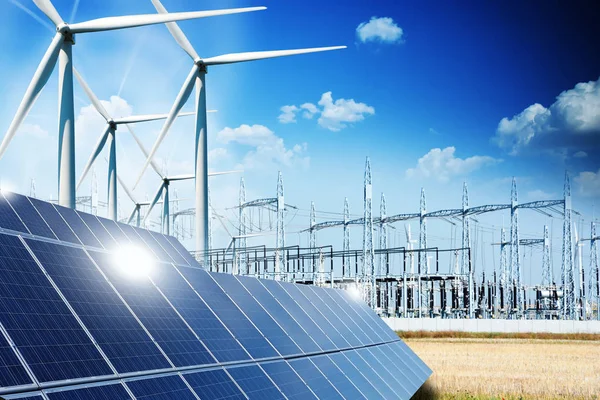
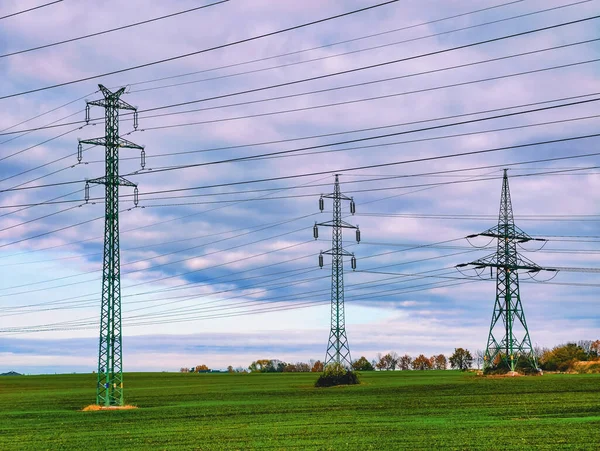
European countries have reacted to Russian meddling by speeding up efforts in decentralized and renewable energy sources. EU countries are now following the lead of Ukraine, which has rolled out decentralized solar, wind, and battery power, and are focusing on smaller and more decentralized units that are less likely to be susceptible to large-scale attacks.
This trend offers opportunities in the areas of grid modernization, energy storage, and localized production for investors. It also meets the Paris targets on managing climate change by integrating resilience within the energy system transformation. The challenge differs in magnitude when weighed against the vast opportunities offered in the market that is rapidly diverging from the centralized fossil fuel infrastructure system.
7. Ukraine’s Reconstruction as an Energy Investment Frontier
The goal of the National Energy and Climate Plan is that 27% of Ukraine’s total consumption should come from distributed energy resources by 2030. International lenders as well as the private sector are already financing projects that range from onshore wind farms to batteries intended to stabilize the grid that is being subjected to attack.
The U.S. – Ukraine Economic Partnership Agreement and the EU funding packages are triggering capital and technology transfer. For the investor, it could be both war reconstruction and being part of Europe’s most up-to-date and decentralised energy system.
8. Rail and Logistics Bottlenecks Weaken Russian Exports
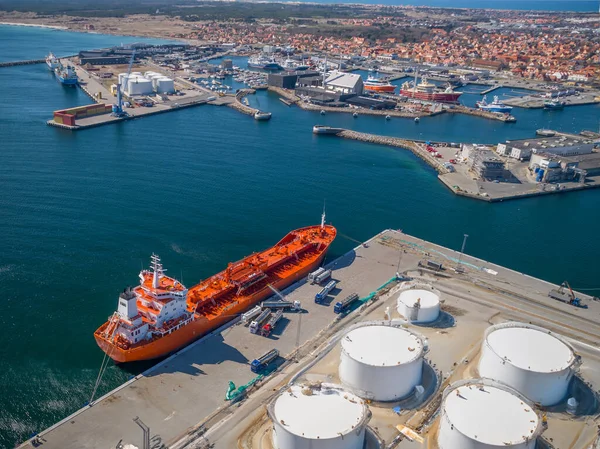
Russia’s Asian market turn has highlighted several issues regarding the rail transport network in the east. Freight throughput reached a 15-year low in 2024, with issues including a lack of locomotives and staff, component shortages due to sanctions, and the transportation of military freight.
Coal exportation is especially impacted, but there are also some setbacks in the transportation of oil and refined products. Upgrades of the Baikal-Amur and Trans-Siberian railways are halted, which impairs the ability of Moscow to extend its export capacity to the east.
9. Long Term Risks for Russian Oil Investments
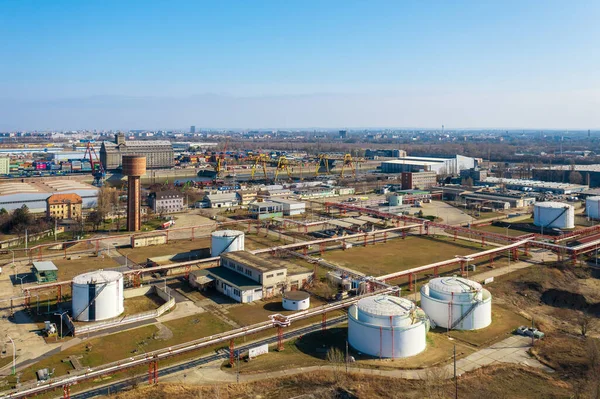
The cumulative effect of the series of strikes, sanctions, and logistical challenges tends to suggest a slow degradation of the Russian oil industry. Although spare capacity acts as a buffer for the near term, the effects of operating difficulties on the industry would lead to structural decline. There are also potential changes in U.S. policy, and especially under a possible second Trump administration, which add to uncertainties. For long-term investors, holding exposure to Russian crudeoil means much greater operational, financial, and political risk and, consequently, a burning need for resource diversification and risk protection from such exposure.
How these specific military strategies, market re-routing mechanisms, and policy shifts are interacting with one another is already altering the international landscape of the energy sector. It has a message: this conflict in the Ukraine represents not just a military conflict but a protracted battle in the disruption sphere, and it has long-term implications related to markets, infrastructure robustness, and strategic affairs. Strategic positioning in these circumstances calls for the ability to act swiftly while possessing the long-term perspective.


