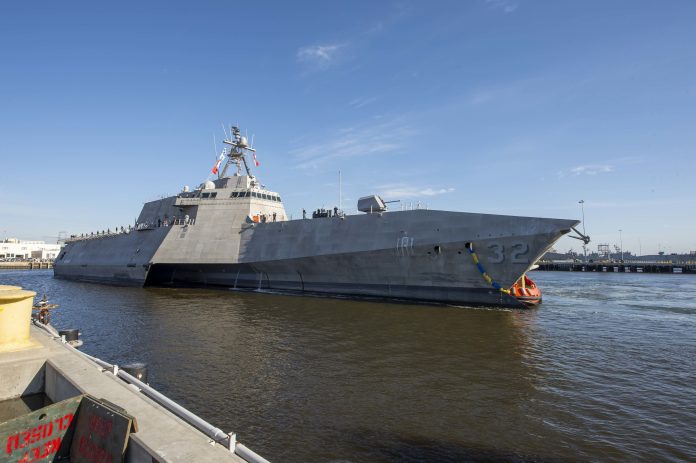
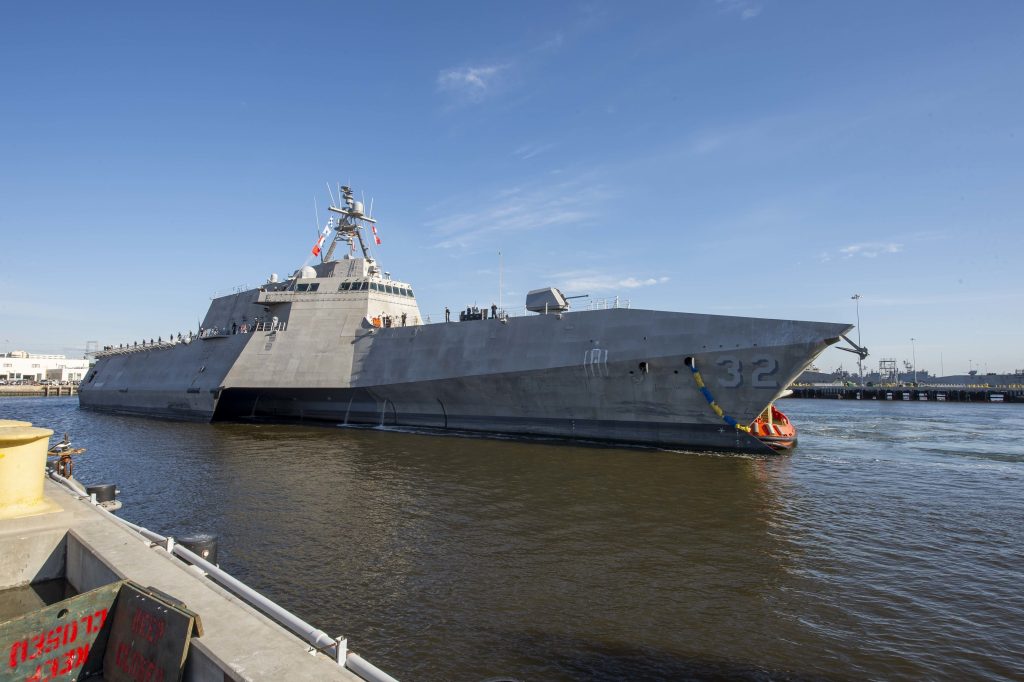
What if a naval warship now has the potential to launch “kamikaze” drones? That is now no longer theoretical, as the US Navy has just made history in the first launch ever of such an aircraft from its decks. A Low-Cost Unmanned Combat Attack System, or LUCAS, has now been launched from the flight deck of the US Navy’s Independence-class littoral combat ship USS Santa Barbara.
Launching these systems was more than an engineering test. It was an indicator of strategic intentions – proof of concept that unmanned strike capabilities have been merged into the smaller surface ship community, extending their capabilities beyond what was previously possible. Based upon the experiences of drone warfare in Ukraine, the Shahed project in Iran, and other challenges at sea, this achievement marks the beginning of an entirely new era of naval warfare, with warfare concepts encompassing adaptability, affordability, autonomous systems, and more.
1. The Historic Launch of the USS Santa Barbara
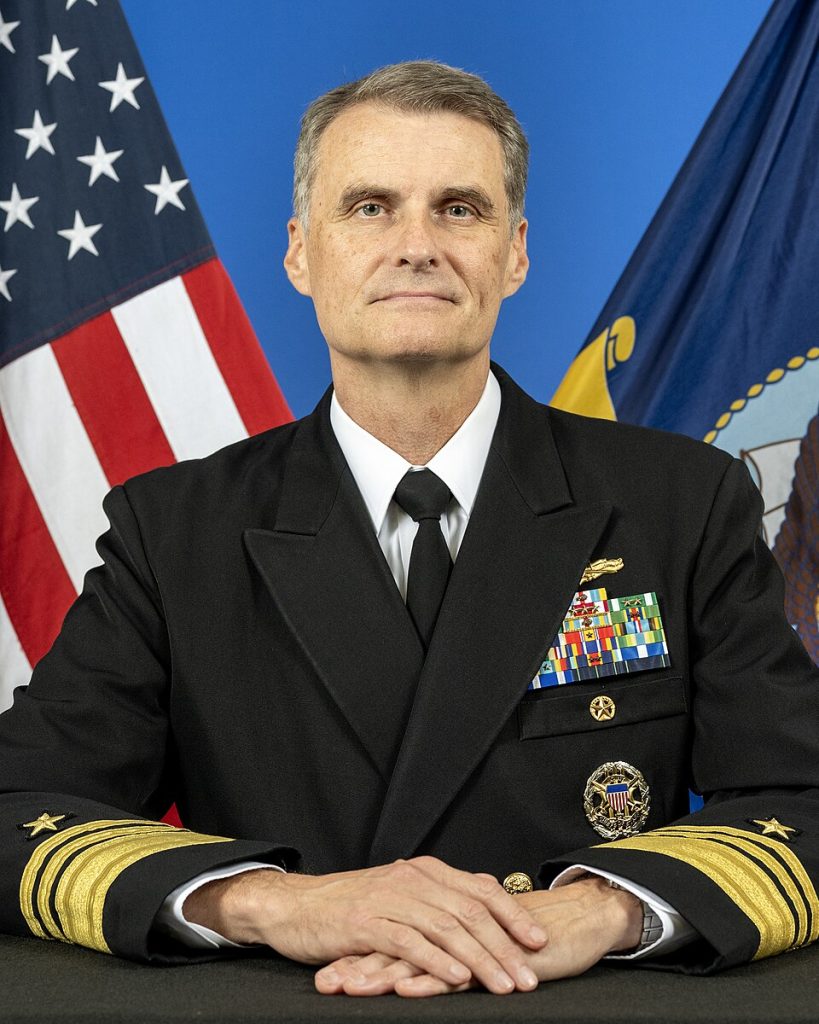
On Tuesday, the US Naval Forces Central Command confirmed the successful deployment of a LUCAS unmanned aerial vehicle by personnel of USS Santa Barbara in a training operation in the Arabian Gulf. According to Vice Adm. Curt Renshaw of the US Naval Forces Central Command, the successful operation marked “a significant milestone in rapidly delivering affordable and effective unmanned capabilities to the warfighter. This event is made possible through the hardworking personnel of Task Force Scorpion Strike,” a squadron of the CENTCOM formed specifically for the employment of one-way attack drones. The Independence-class littoral combat ship, which has always been conventionally equipped with seagoing artillery and missiles, is an ideal platform for testing due to the small size and modularity of these ships. The introduction of the deck-launched suicide drone, therefore, further enhances its striking capability.
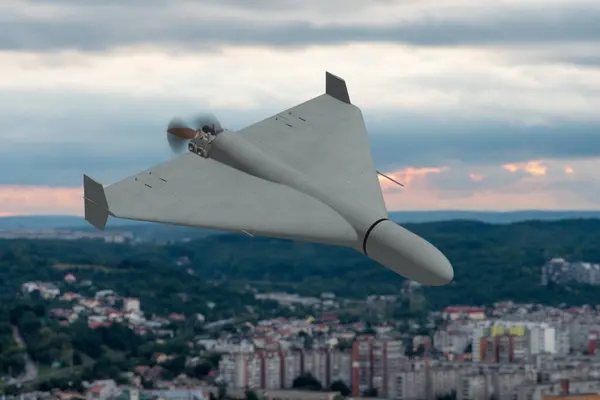
2. LUCAS: America’s Shahed-Drone
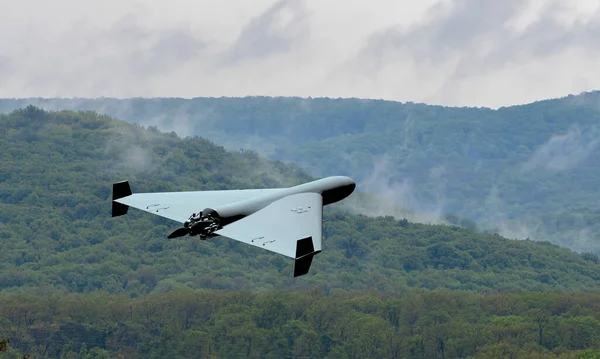
Designed by SpektreWorks, LUCAS is an Iranian “Shahed-136” design that has already proven itself in Ukraine and is popular due to its simplicity and ease of production. LUCAS has already inherited all the good qualities from its precursor, including the ability to be launched from a catapult, from a car-mounted location, or using rocket-assisted startup. Additionally, LUCAS now has “flat panel satcom uplink” capabilities. The goal for the Pentagon is to ensure that the cost is in the low to mid-five figures to compete with Iran’s pricing for mass production. As stated by Col. Nicholas Law, “It’s designed to go to multiple manufacturers to be built in mass quantities.”
3. Learnings from Drone Warfare in Ukraine
Asymmetric use of UAVs by Ukraine has significantly altered naval strategies. UAVs of the sea sank more than a third of Russia’s Black Sea Fleet, leading it to withdraw from strategic ports. Former General David Petraeus said, ‘It is an extraordinary tribute to the Ukrainian tech sector and those in uniform. The quick adaptation cycle observed in Ukraine’s upgrades of drones with missiles, machine guns, and FPV carriers explains the speed at which unmanned platforms may develop in contrast to conventional ones. The adoption of LUCAS by the U.S. Navy also encompasses this understanding that unmanned strike platforms must be adaptable, efficient, and improved.
4. Increasing Use of Unmanned Surface Vessels and Aerial Vehicles
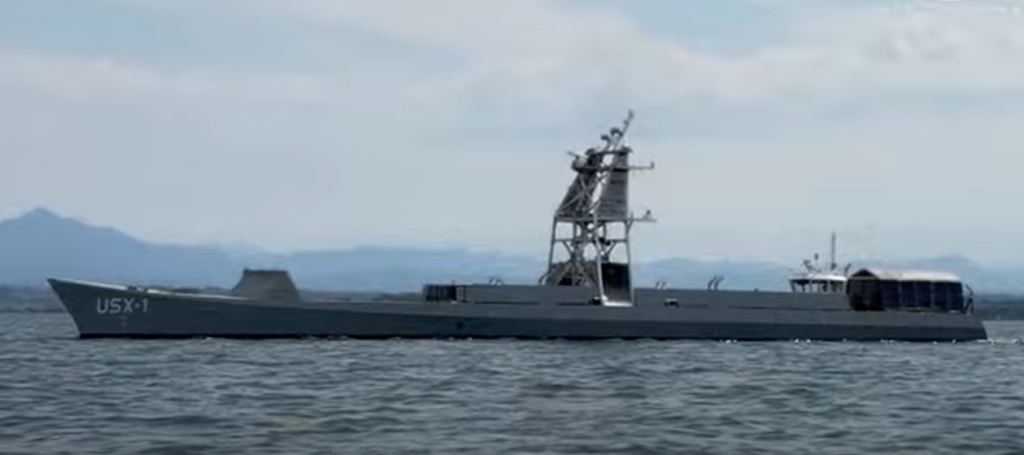
The Navy’s Special Boat Teams also experiment to incorporate one-way attack drones into small craft to improve conventional and irregular abilities. Testimony included comments from Acting CNO Adm. James Kilby, who emphasized the transfer of 24 small USVs and finishing the USX-1 Defiant, the first unmanned vessel owned by the Navy. Analysts such as Bradley Martin highlight the need for USVs to be used for purposes beyond suicide strikes, and the need for the USVs to be equipped with missiles, mines, or gun systems, thereby increasing the versatility of the machines. Here, Ukraine’s experience of developing naval drones to carry the strike capabilities of aircraft is acknowledged.

5. Countering Regional Maritime Threats
The operation occurred in Iranian territorial waters, with Iranian proxy groups, including the Houthis, using anti-ship missiles, UAS, and suicide boat attacks. Their attack capabilities consist of the Iranian Asef ASBM and Al-Mandeb 2 ASCM missiles and Iranian intelligence ships. Though these have low-level target capabilities, they pose a threat nonetheless. The potential of integrating LUCAS into forward-deployment ships could provide a rapid response to this asymmetrical threat, which could address the high costs associated with interceptors.
6. Democratization of Strike Capability
As Air Marshal Johnny Stringer once observed, “You could do most, if not all, of the air tasks in precision strike campaigns for the cost of a drone, a laptop, and imagination.” Moreover, the proliferation of cheap drones has reduced the hurdles of precision strike operations to the point where smaller navies or even non-state actors can effectively counter sea control. With the employment of LUCAS, the U.S. Navy seeks to leverage this democratization not as a weakness, but as a strength multiplier. This is because the aforementioned small naval vessels can now engage targets across long ranges with high precision without necessarily relying on the support that comes with the larger vessels.
7. Integration into Contested Electromagnetic Environments
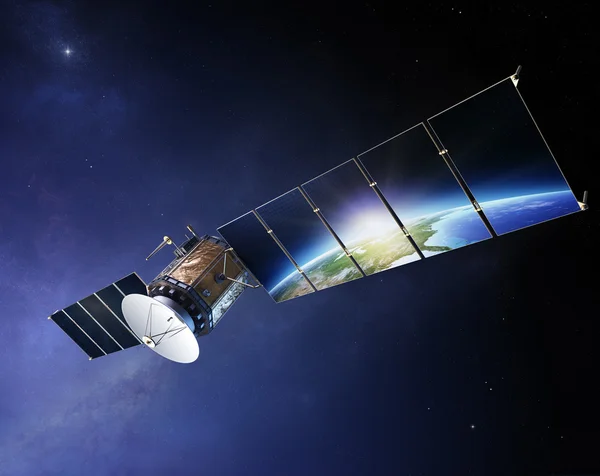
As far as the experience of Ukraine is concerned, it has been revealed that in order for autonomy to function effectively in GPS environments, it should be able to withstand GPS jamming, communication disruption, and signal interception. Some of the measures that have ensured the function of autonomy in advanced EW environments are mesh networking, satellite communications. The uplink and control design of LUCAS’s satcom seems to take these considerations into account and is likely intended to work even in the event of disrupted communications.
8. Cost-Effective Force Projection
Vice Adm. Renshaw highlighted affordability as a strength. In battles where enemy forces use scores of affordable drones, being able to match these with weapon systems of similar affordability and capability is imperative. The economics of war is rapidly shifting, with attritable assets such as LUCAS being able to provide strategic effects without risking expensive assets. Such a cost calculation is analogous to that of Ukraine, where drones at a price of 250,000-$300,000 are just as effective as missiles.
9. Strategic Implications for Near-Peer Conflict
“The Navy’s interest in strike drones is partly due to plans to counter China.” Experts agree that in Taiwan or any Taiwanese scenario, huge numbers of drones are necessary to “disrupt” incoming invasion forces. James Holmes writes that drones should saturate “battlespace” and that USVs and drones need to “operate in conjunction” with “manned patrols” and “coastal artillery.” The shipboard employment of the LUCAS unmanned striker has shown that these assets can be fully integrated with existing naval forces.
The successful launch of the LUCAS UAV on board the USS Santa Barbara is more than just an interesting technological feat – it’s what the future of naval combat looks like. With the ability to balance cost, versatility, and the lessons learned in the heat of conflict, the United States Navy finds itself poised on the edge of a new age in which it will face everything from asymmetric warfare to peer-level competition. As UAVs become increasingly common, innovation and scalability are going to make all the difference.


