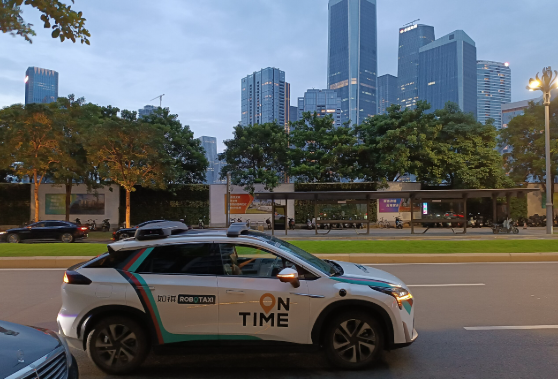
“The issue is no longer whether they’re capable of making robotaxis work,” says Wedbush analyst Dan Ives, forecasting $2 trillion in market value in 2026 and $3 trillion in his bull case scenario at year end. “Tesla is gearing up for its most aggressive expansion yet,” Wedbush’s Dan Ives says, saying CEO Elon Musk is a “wartime CEO” as he forecasts $2 trillion in market value in 2026 and $3 trillion in his bull case scenario at year end.
1. From EV Maker to AI Powerhouse
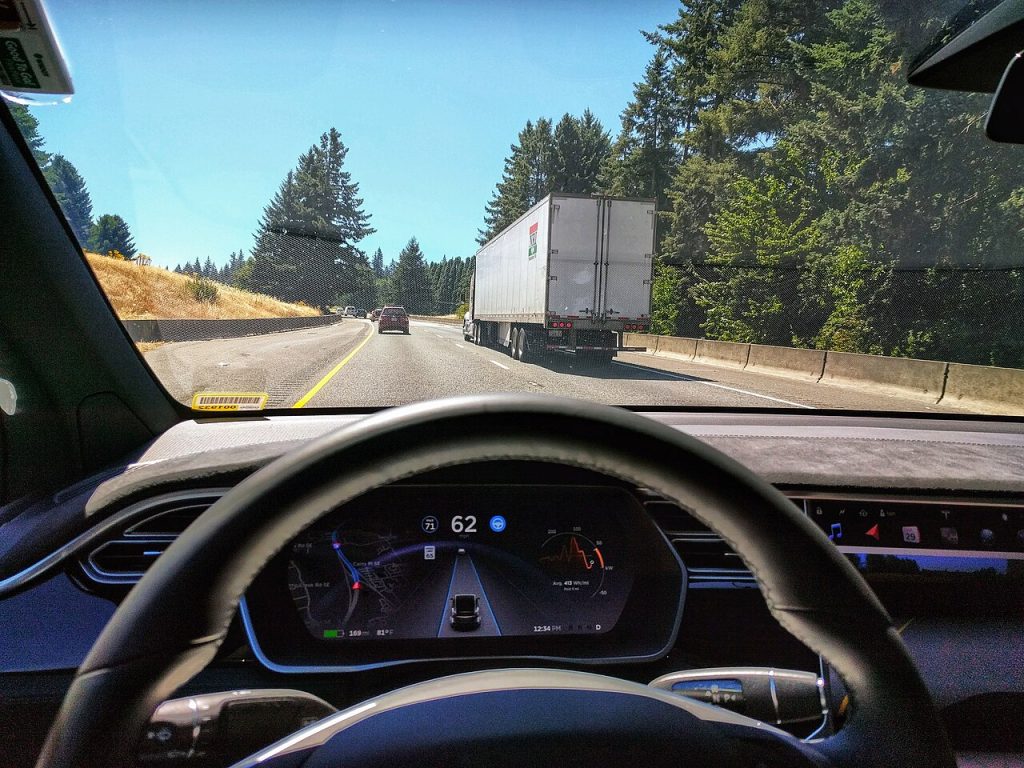
The story for Tesla is really transitioning from a business model involving the delivery of vehicles to a software-based autonomy play. Ives believes the AI-autonomy opportunity is valued at a minimum of $1 trillion, ultimately placing Tesla on track to dominate ~70% of the autonomous industry over the next decade. This is, of course, based on their ~5 million vehicles equipped with cameras, pumping out “billions of miles” worth of real-world data into their end-to-end neural networks, unlike its competition, which uses expensive lidar.
2. Robotaxi Incidents in Austin
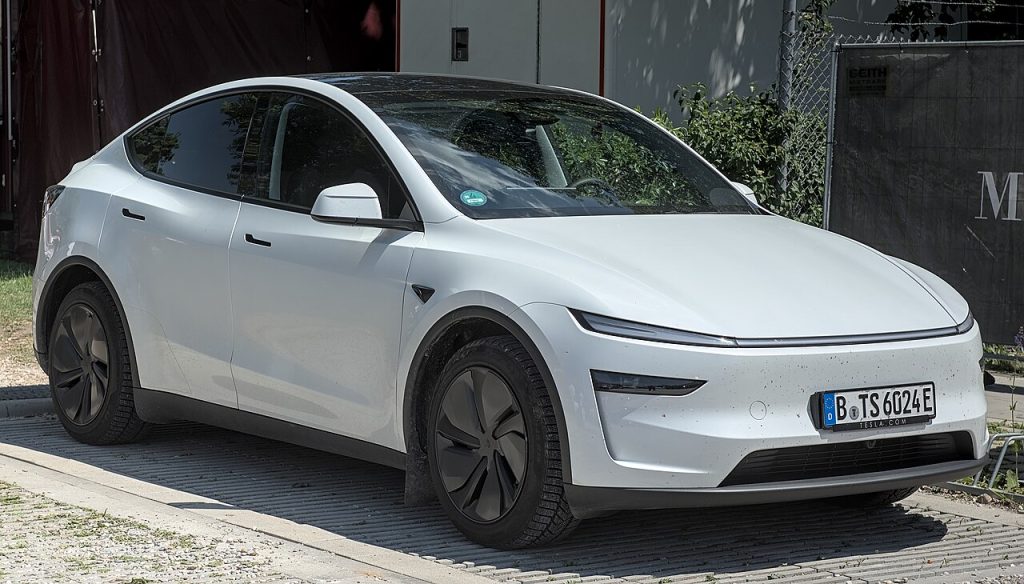
This occurred in Austin, Texas, where Tesla has now kicked off tests of its driverless Model Y vehicles without anyone inside. Compare this to only six months ago when safety experts were sitting in passenger seats now vacated. Elon Musk confirmed, “Testing is underway with no occupants inside the car.” This is quick by other car companies, including Waymo, which needed similar milestones by several years. Today, Tesla’s Austin operations consist of only 25-30 vehicles.
3. Cybercab, a Purpose
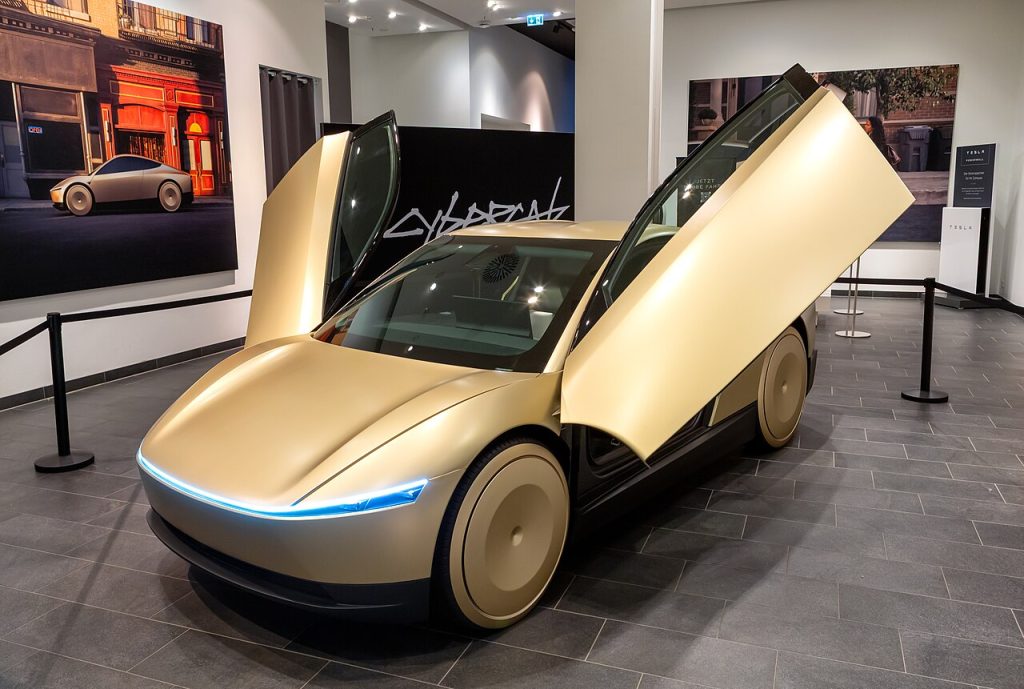
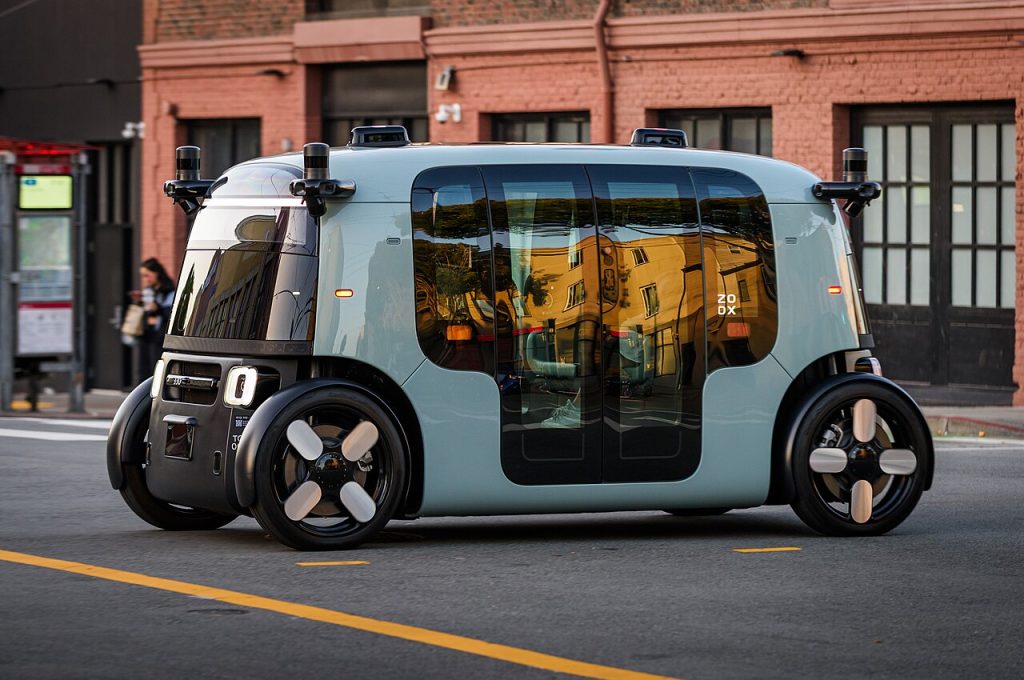
The production of the two-seat, non-steering-wheel robotaxi, the Cybercab, is expected to begin in April 2026 at Gigafactory Texas. The Cybercab will employ the same FSD software found in Tesla’s passenger vehicles, but it would be manufactured via the novel “Unboxed” manufacturing method, which involves the assembly of components in separate boxes, which are then integrated only at the end of the process. According to Musk, the method could enable the assembly of a car in under 10 seconds, with a potential production capacity of five million units per year. The Cybercab will not use any driver controls, pending approvals.
4. Regulatory Tailwinds Under Trump
The Trump Administration is knocking down state-by-state approval requirements in favor of a nationwide standard to expedite the use of autonomous technology. “Our new framework will cut red tape and move us closer to a single national standard,” stated Transportation Secretary Sean Duffy. With waiving some safety regulations and simplified crash reporting, Tesla might expedite FSD development and robotaxi services from Austin to other cities such as Houston, Dallas, Miami, Las Vegas, and Phoenix.
5. Economics of Autonomy – Scaling
This would make every car sold by Tesla potentially capable of functioning as a robotaxi. This would significantly lower costs of deploying autonomy compared to having specialized robotaxis.FSD costs $99 per month or $8,000 upfront, but should its adoption levels surge from ~12% to above 50%, as Ives estimates, it would be game-changing for margins. Morgan Stanley estimates that Tesla’s robotaxi fleet could potentially reach 1,000 cars in 2026 and expand to 1 million by 2035, with its profitability contingent on the rollout tempo.
6. Competitive Landscape
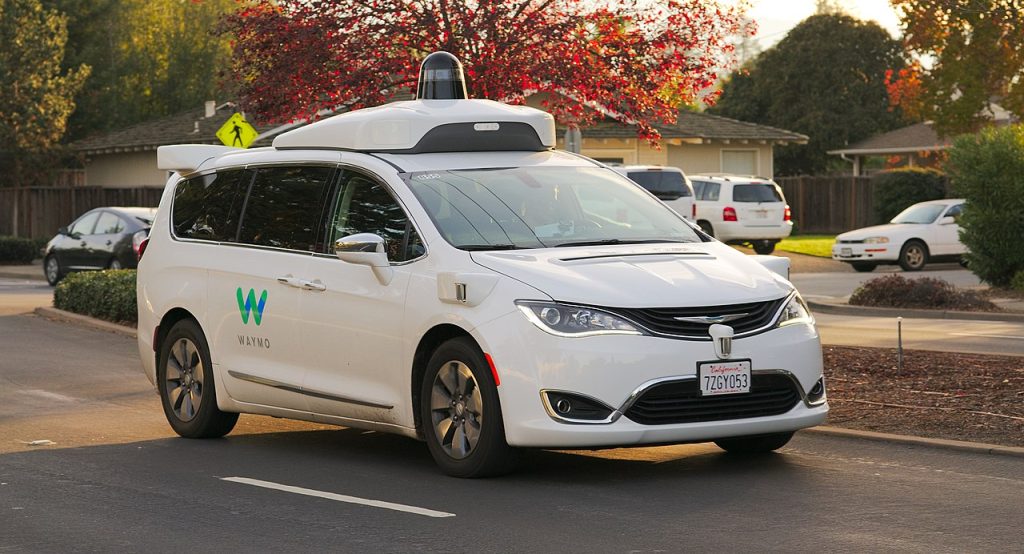
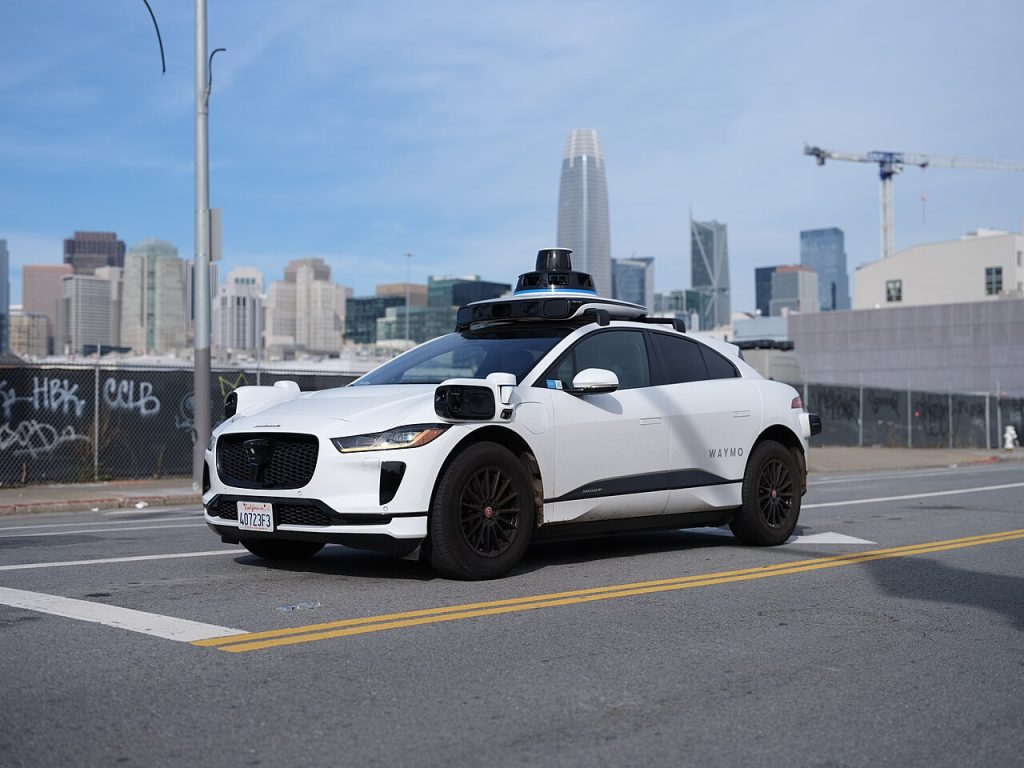
Alphabet’s Waymo has over 2,500 autonomous robotaxis on the road and performs 450,000 paid rides per week in five American cities. Tesla has the benefit of an integrated AI stack and production scale that will enable much faster expansion for them when regulatory hurdles are passed based on safety statistics. Analyst Mark Delaney of Goldman Sachs believes that “the key bar will be set by how quickly Tesla can scale autonomous driving and when on profitability.”
7. Beyond Passenger Mobility
Its goals for autonomy involve freight as well. The Semi truck, which is set on volume production in 2026, could shake up the >$900B US trucking market by operating close to 24/7 without drivers, which could reduce transportation costs by 40-50%. However, Musk envisions the Optimus series of humanoid robots as part of Tesla’s AI system; volume production is set to occur concurrently with the Cybercab. These two products would share the same AI “brain,” which would enable learning between domains and quickly enhance capabilities.
8. Investor Catalysts for 2026
Key events would be the expansion of Austin’s robotaxi fleet from dozens to tens of thousands of vehicles, ramped-up Cybercab output, increased subscriptions for FSD, and regulatory convergence. These could realize the valuation potential Ives forecasts, which could see Tesla become a diversified AI platform instead of a car company.
The $1 trillion compensation package outlined by CEO Elon Musk focuses directly on increasing robotaxi volume to 10 million vehicles and the sale of 20 million passenger vehicles within the current decade’s end goals.


