“Wars are won as much in factories as on battlefields.” That old axiom took on fresh urgency in early December when Ukraine’s long‑range drones ignited Russia’s largest ammonia plant, torching hundreds of millions of dollars’ worth of explosive precursors. Located deep inside Stavropol Krai, Nevinnomyssk Azot was more than a chemical complex; it was a lifeline that fed into Russia’s defense industry.
The strike, part of a broader Ukrainian campaign against the Russian defense‑industrial base, sent shockwaves far beyond the blast site. It disrupted munitions supply chains and made a dent in commodity markets, while highlighting Kyiv’s ability to reach deep inside Russian territory-more than 500 kilometers-to hit its targets. For those who track the conjunction of military technology, industrial capacity, and economic pressure, the attack is a case study in modern strategic warfare.
Of the many dimensions on which to understand this military operation-from battlefield logistics to world fertilizer markets, and showing how a single industrial strike ripples through layers of conflict and commerce-it was the most pivotal.

1. A Critical Node in Russia’s Explosives Supply Chain
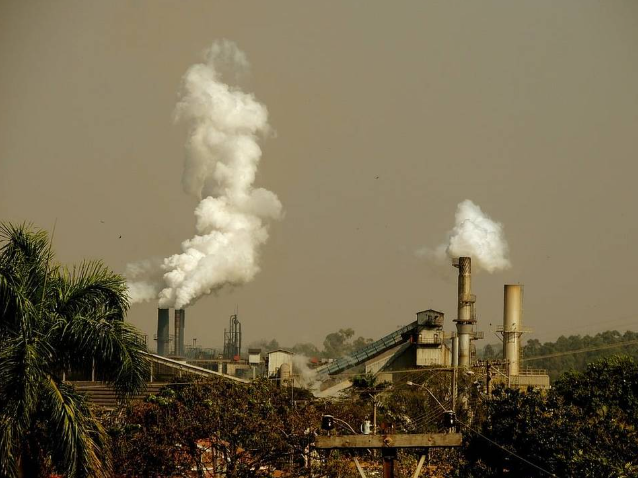
The Nevinnomyssk Azot factory alone produces over a million tonnes of ammonia and up to 1.4 million tonnes of ammonium nitrate yearly, both key ingredients in the manufacture of explosives, propellants, and artillery shells. Ukrainian officials have described it as a “critical element” of Russia’s military‑industrial complex. It also produces melamine, acetic acid, methanol, and potassium nitrate-all chemicals with dual‑use applications in high‑explosive munitions and rocket charges.
Taking out a production workshop cuts off the steady flow of precursors into the assembly lines churning out shells, missiles, and bombs. The interconnection within Russia’s defense manufacturing landscape ensures that a disruption at this hub cascades to several ammunition plants down the line, contributing to slower replenishment rates and complicating offensive planning.
2. Economic Impact: Hundreds of Millions in Annual Output Lost
Using the global pricing for industrial ammonia and ammonium nitrate, Nevinnomyssk Azot’s production could reach US$150-300 million annually. The extended shutdown would erase many months of production, mandate expensive workarounds, and stress military and commercial supply chains alike. For Russia, it is not just a structural loss but an economic artery supplying industry stability and wartime momentum.
3. Global Fertilizer Market Shock
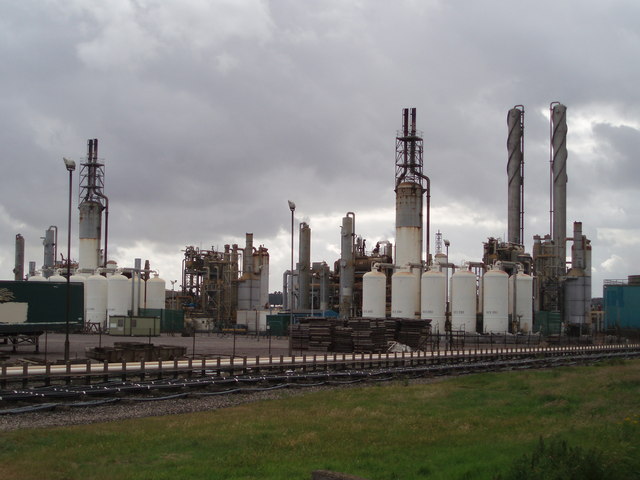
Ammonia and ammonium nitrate are the backbones of nitrogen fertilizer production globally. An outage in such a facility will risk the tightening of supplies and higher prices, especially in import-dependent regions. In Europe and China, the price of ammonium nitrate increased after the June 2025 strike on this facility. Nitrogen markets may see volatility similar to recent surges of 36% in phosphate prices if the damage proves hard to repair in December, putting further pressure on already fragile agricultural margins.
4. Civilian and Local Economic Fallout
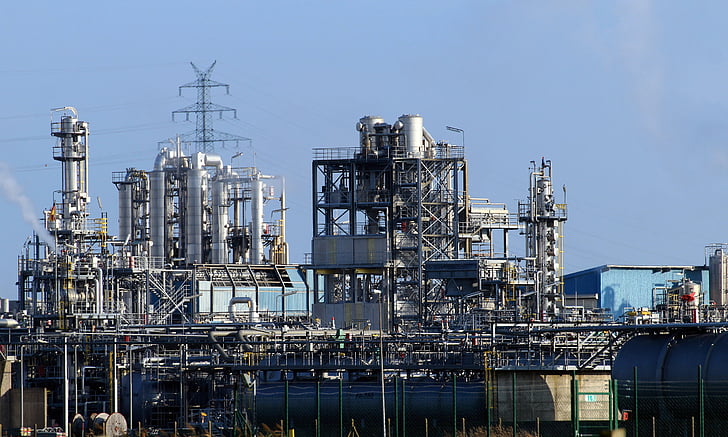
Where large chemical plants typically employ 500–1,000 people, shutdowns translate into lost wages, diminished tax revenue, and strained economies dependent upon heavy industry. Locals in Nevinnomyssk, for instance, were most concerned with job stability and increased anxiety from ecological danger due to further strikes. Without a single real casualty from the first strike, the social and economic impact is huge.
5. Deep‑Strike Capability Demonstrated for Ukraine
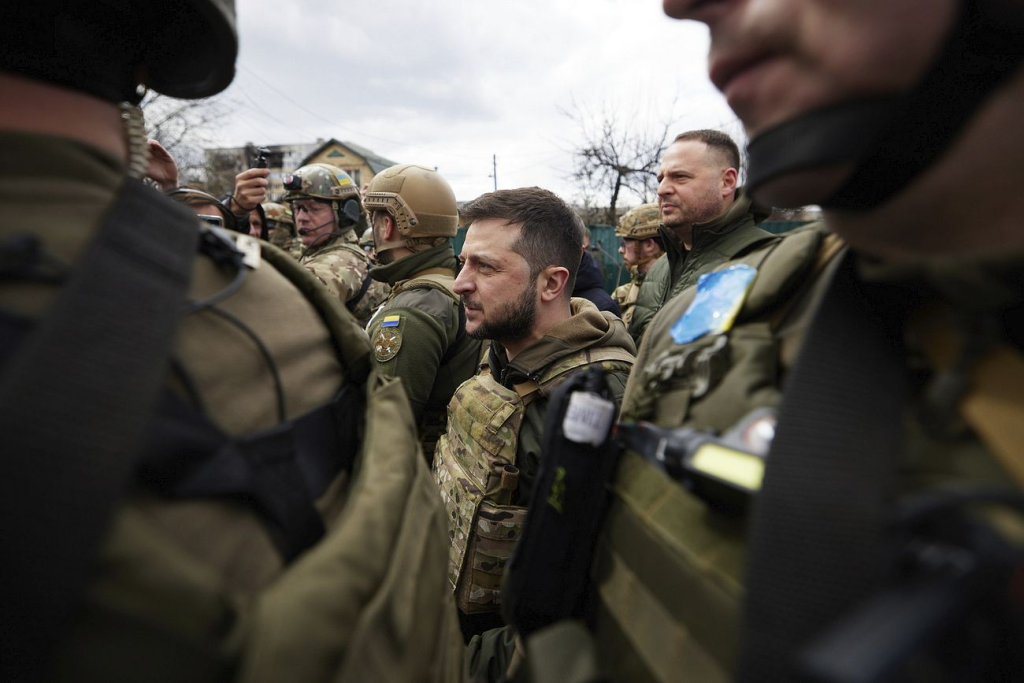
That strike on Nevinnomyssk Azot was more than 500 km inside Russia, underscoring Ukraine’s ability to reach deep interior airspace. Long-range drones, like the AN‑196 Liutyi with its precision navigation and autonomous guidance-or mass-manufactured FP‑1 units-would most likely have been used for this. Such platforms have consistently reached oil refineries, logistic hubs, and defense plants in a clear signal that Russia’s industrial heartland is not insulated from attack anymore.
6. Russian Air Defense Limitations Exposed
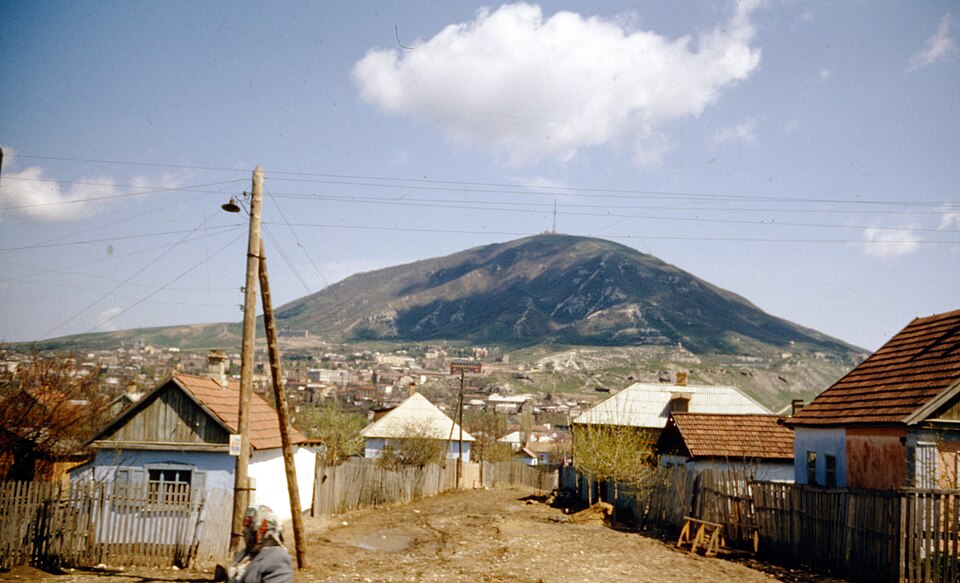
Russian officials claimed to intercept multiple drones over Stavropol Krai the night of the strike, yet at least one platform reached its target. The failure underlines the challenge in protecting far-reaching industrial infrastructure against long-range, low‑signature threats. As Ukraine continues to refine its drone arsenal, Russia faces the costly and sometimes complex task of expanding workable air defense coverages well away from the front lines of contact.

7. Coordinated Strikes for Strategic Pressure
Just hours after hitting Nevinnomyssk, Ukraine targeted, near Dokuchaievsk, a Russian training ground, killing or wounding 60 servicemen. This pairing of deep industrial disruption with battlefield attrition magnifies strategic pressure-damaging supply chains while inflicting immediate human losses. It reinforces the message that no site is beyond reach, from factories to troop concentrations.
8. Chemical Plant Strikes: Environmental Risks
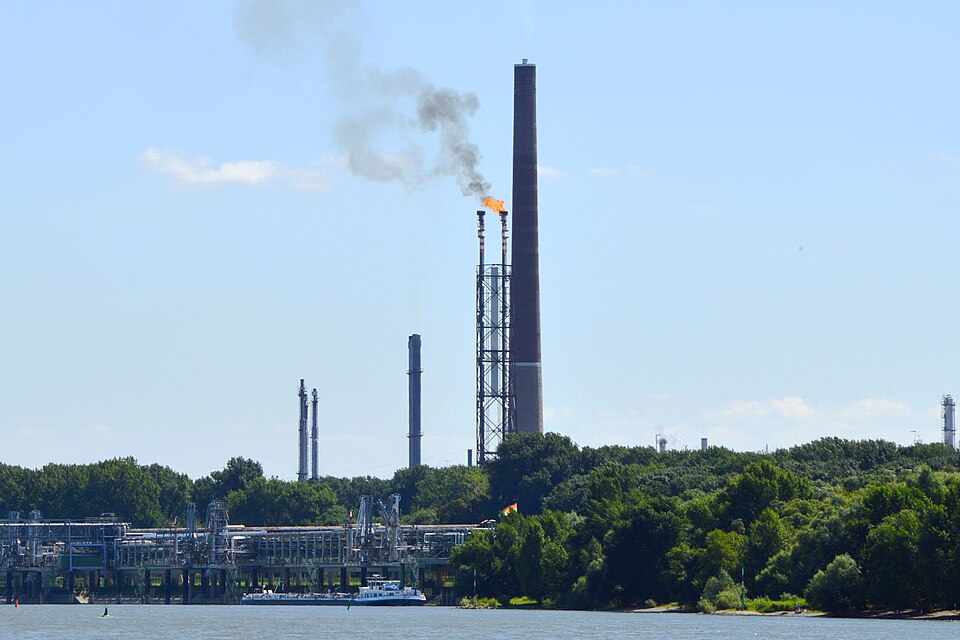
Such attacks on the facilities that produce ammonia and nitric acid come with a host of environmental hazards. Toxic gases emanate with the fires and explosions, contaminating water sources and leaving long‑term health risks for nearby populations. Past strikes have seen ammonia levels in rivers rise more than 100‑fold above normal after fertilizer plants were struck. As industrial targeting escalates, the war increasingly intrudes into ecological domains.
9. Resonance in Global Geopolitics and Commodities
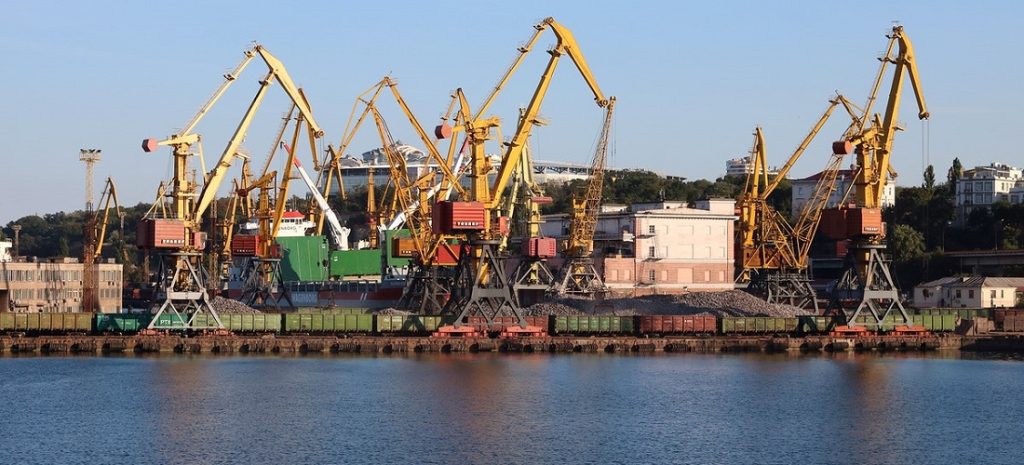
Russia is the world’s largest exporter of nitrogen, phosphate, and potash. Sanctions, shipping curbs, and now direct hits on production sites are tightening global supplies. Disruption to home fertilizer production in Ukraine further compounds the impact of EU tariffs on Russian imports and Chinese export controls, feeding into broader commodity price volatility and a reconfiguring of trade flows.
10. Strategic Signaling in Peace Negotiations
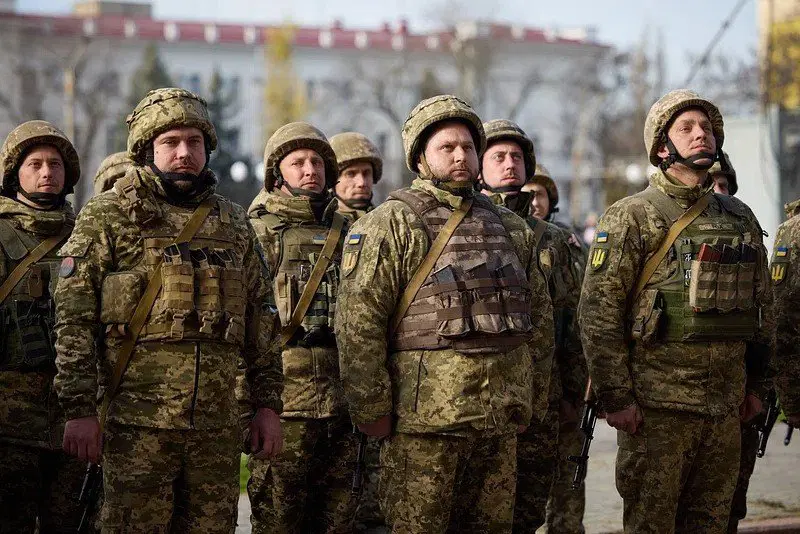
The December strike came in the midst of ongoing peace talks. In showing sustained capacity to damage Russia’s defense-industrial base, Ukraine signals that it can continue to apply economic and logistical pain if hostilities continue. Targeting high-leverage vulnerabilities such as Nevinnomyssk Azot strengthens Kyiv’s negotiating hand and suggests industrial attrition will remain one core lever in its strategy.
It also speaks to the blurred lines between battlefield and supply chain, military objective and civilian economy in modern warfare. The strike here in Ukraine minced a vital cog within the Russian munitions ecosystem, had ripple effects in global fertilizer markets, and exposed weaknesses deep in the Russian interior. Such operations will continue to shape both tactical tempo and strategic calculus for as long as the conflict grinds on, proving that industrial infrastructure is as decisive as any frontline engagement in this war.


