What happens if a gun hyped to the heavens proves a disappointment? In the world of firearms, it’s all about reputation-and once a design proves unreliable or unsafe, well, restoring credibility is an uphill battle. Some of these models arrived with bold promises, cutting-edge features, or historic pedigree-only to stumble badly in the hands of shooters.
From concealed-carry pistols that wouldn’t cycle right to shotguns with charging systems so unorthodox they drew deadly nicknames, here are the stories behind some of the most disappointing releases in both modern and historical gun history. Each one serves as a cautionary tale for manufacturers and a reminder for buyers: not all innovation is good innovation.
1. Remington R51 – A Historic Mechanism Meets Modern Failure
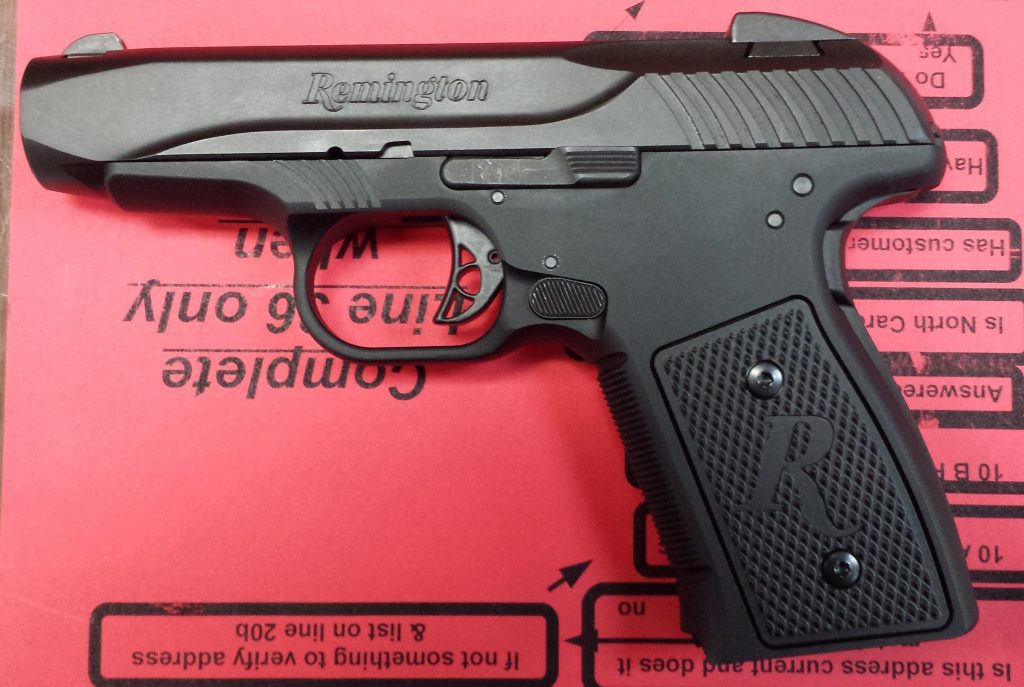
Remington’s 2014 resurrection of the Model 51 reintroduced the world to one of the very few alternatives to Browning’s short recoil design, that being John Pedersen’s hesitation-locking system. On paper at least, it seemed to promise reduced recoil courtesy of a low bore axis-and svelte ergonomics to aid in concealed carry. First-generation R51s did, however, suffer from feeding, extraction and ejection failures, and even out-of-battery firing; the grip safety could pinch the shooter’s hand, reported Travis Pike in his review; meanwhile, slide bite was common.
That same year, 2016, Remington issued a recall and came out with a Gen 2, cleaning up most of the mechanical issues. By that time, though, the market was saturated with proven single-stack 9mm pistols from Glock and Smith & Wesson. There was no salvaging the R51’s reputation, and production ended in 2018. Its fate is a consequence of how a rush to get a design to market can torpedo even a brilliant engineering concept.
2. Winchester Model 1911 SL – ‘Widowmaker’ Misunderstood
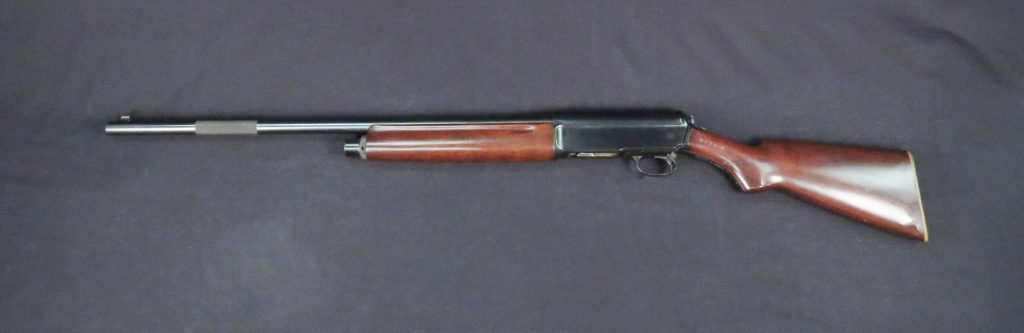
To get around Browning’s Auto-5 patents, the Winchester 1911 SL, designed by T.C. Johnson, replaced a bolt charging handle with a knurled barrel section shooters had to pull rearward. This odd long-recoil shotgun utilized fibrous recoil rings instead of metal that wore quickly and increased felt recoil.
Poor unloading practices-most notably bracing the butt on the ground and leaning over the muzzle to cycle shells-earned it the nickname “Widowmaker.” Actual documented fatalities are very rare, but hot-barrel injuries and just generally haphazard operation were real. Winchester produced about 82,774 units before ending production in 1925. Today it’s a prized collector’s item precisely because of its oddball design and notorious reputation.
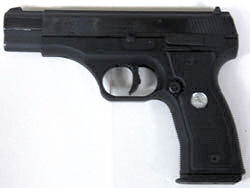
3. Colt All American 2000 – Stoner’s Last, and Least Loved
Conceived as a collaboration between Eugene Stoner and Reed Knight, the Colt All American 2000 started life in 1991 with a rotary barrel, roller-bearing trigger and 15+1 capacity. Though the prototype showed real promise for reduced recoil and accuracy, Colt’s assorted production changes-such as a two-piece slide with loose front sight lockup and a doubled 12-pound trigger pull-crippled performance.
Shooters found it inaccurate, with a gritty trigger pull and reliability problems. Colt sold only about 20,000 before discontinuing it in 1994, even issuing a safety recall. By the time the pistol was in production, Stoner’s association with it had long since ceased and the final product bore little resemblance to what he had envisioned. To collectors, it is now a curiosity that marked the end of Stoner’s design career.
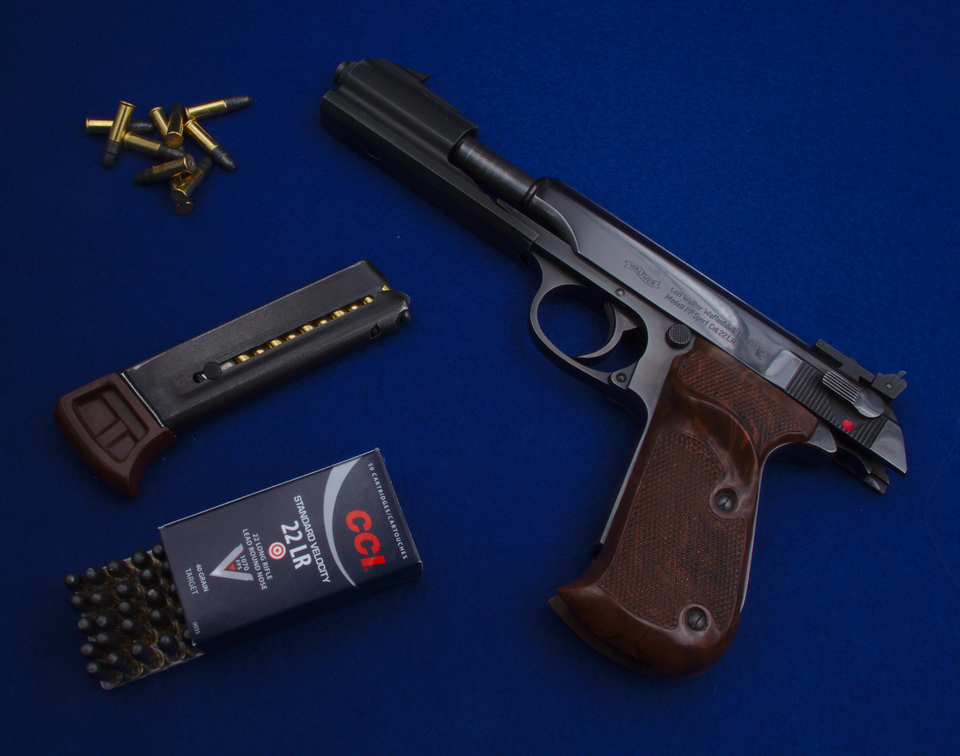
4. Glock 44: Rimfire Reliability Woes
When Glock finally started selling its very first .22LR pistol, hopes ran high for a perfect complement for training with centerfire variants. Instead, the Glock 44 proved finicky with ammunition-suffering failures to feed, light primer strikes, and cycling issues. Yes, Rimfire is inherently more variable, but shooters expect Glock’s legendary reliability.
Later production runs were better, but early missteps drove away a number of buyers. Other offerings from Ruger or Smith & Wesson more often took the prize when a reliable rimfire trainer was the objective.
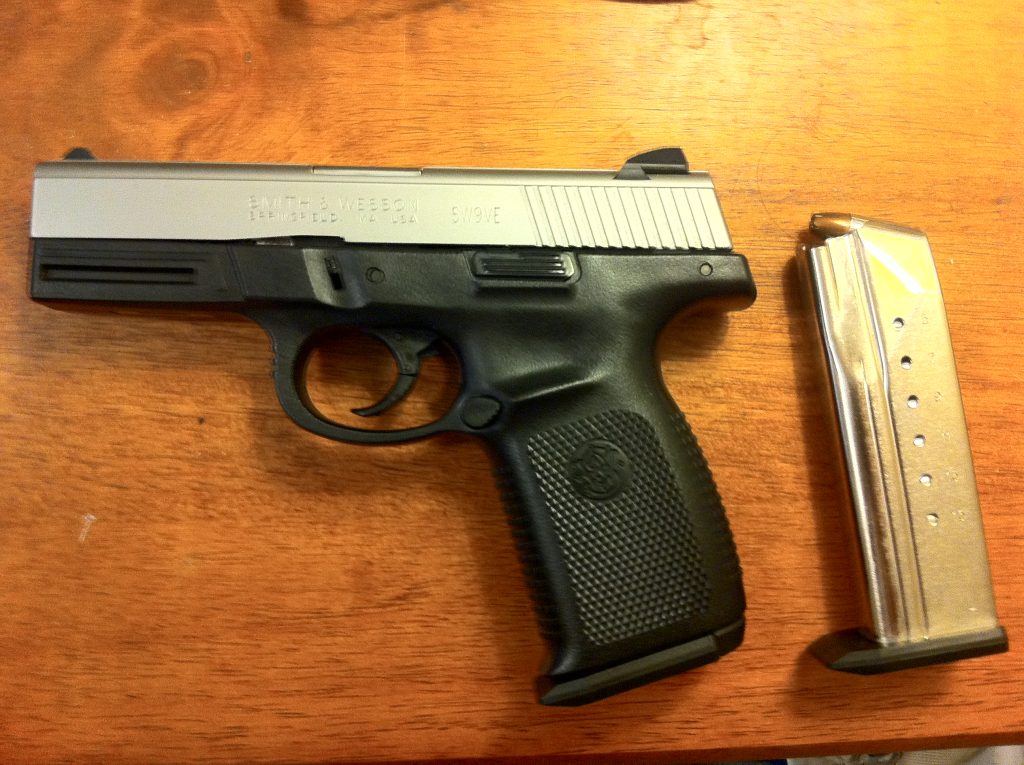
5. Smith & Wesson Sigma Series: A Copycat Misfire
The Sigma series was Smith & Wesson’s budget try to ape Glock’s polymer striker-fired formula. In fact, it came close enough that Glock sued-and won. But even without the legal trouble, though, the Sigma’s heavy, mushy trigger and awkward grip angle made it unpopular. While cheap, it was unrefined in many ways that shooters had grown to appreciate. Smith & Wesson learned from that failure, though, eventually producing the well-regarded M&P series. The Sigma remains a reminder that copying a design without improving it rarely wins any fans.
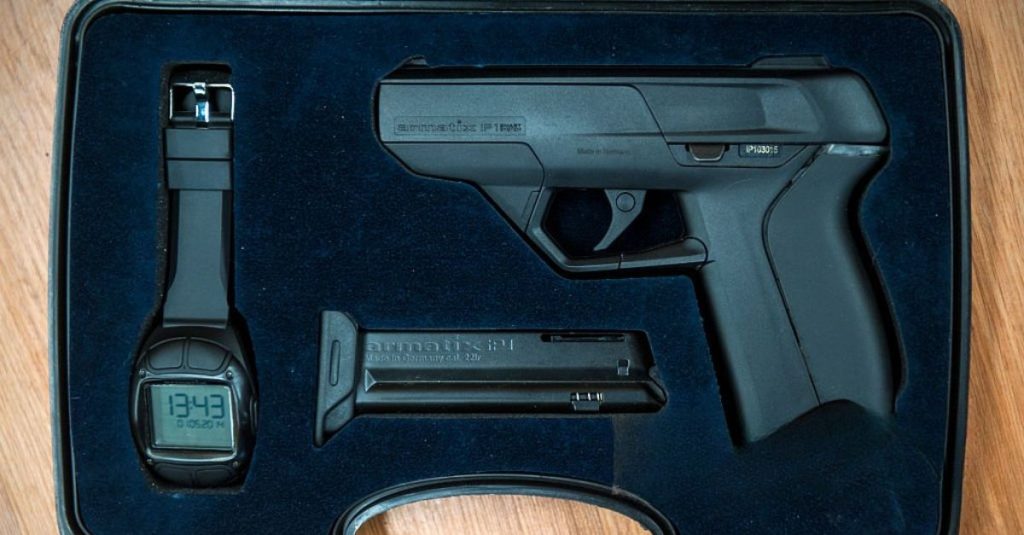
6. Armatix iP1 – Smart Gun, Dumb Execution
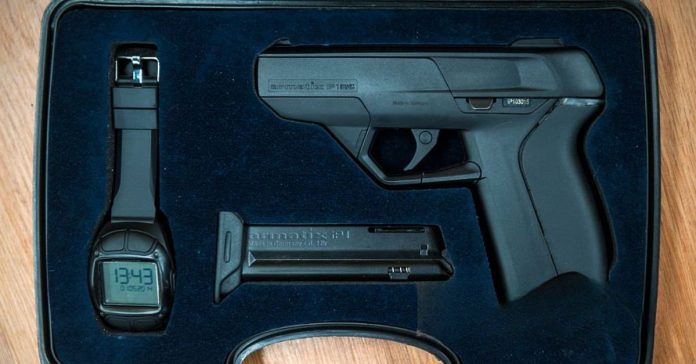
The Armatix iP1 tried to bring “smart gun” technology to the marketplace, RFID-enabled; a watch that is paired with it must be in range for it to fire-theoretically blocking unauthorized use. In reality, it added critical delays in defensive situations and brought new vulnerabilities-hackers managed to demonstrate how to remotely disable it. It saw nearly no sales, and the whole idea of it became the cautionary tale about overcomplicating a defensive firearm. When lives are on the line, reliability and simplicity still outweigh gadgetry.
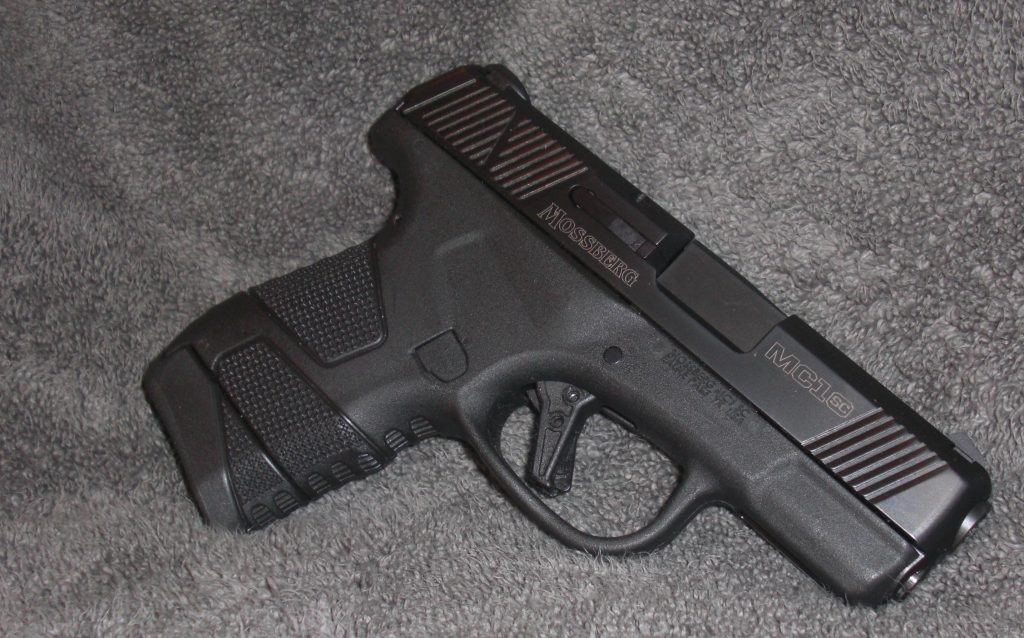
7. Mossberg MC1sc – A Forgettable Pistol from a Shotgun Giant
Mossberg’s MC1sc came into a crowded subcompact 9mm market with decent ergonomics and a translucent magazine option but an oddball takedown procedure and general lack of standout features made hard to compete against entrenched CCW favorites. Without compelling advantage, the MC1sc quietly bowed out of production after a few years. Mossberg’s bread and butter has always been shotguns, and this effort proved just how hard it can be for even a household name to get into a saturated handgun market segment.
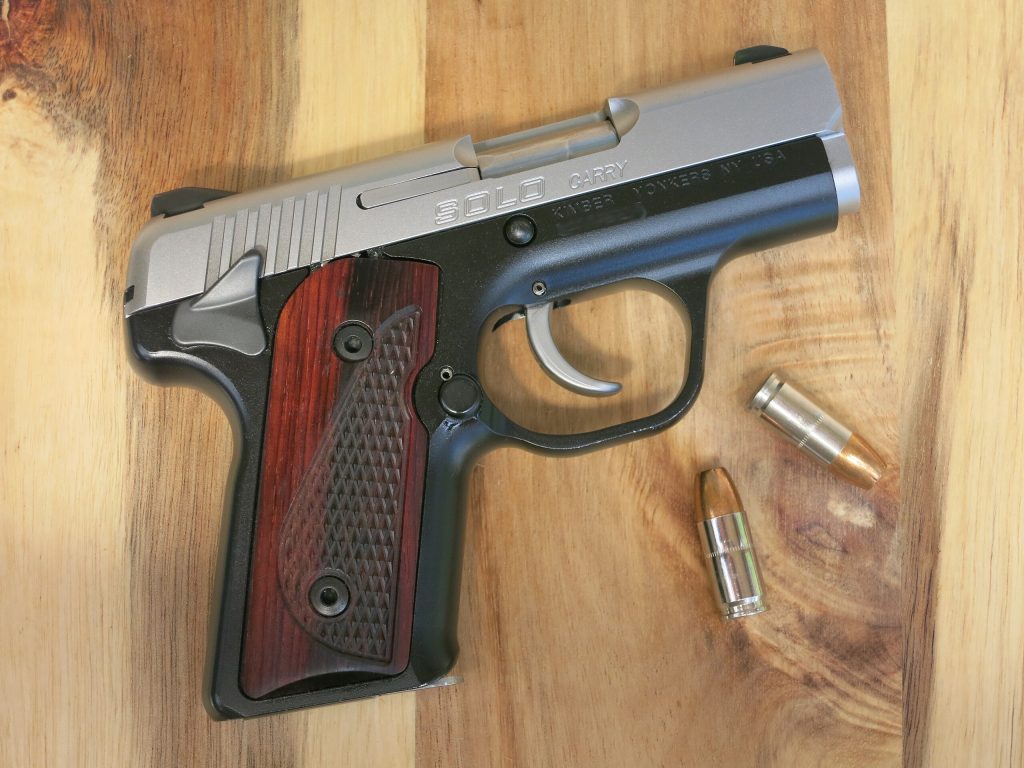
8. Kimber Solo Carry – Ammo Picky to a Fault Kimber’s
Solo Carry seemed like a high-end micro 9mm, with some stunning machining and fine materials. But to go into battery reliably required 124-grain or heavier premium loads. Lighter or budget ammunition resulted in failures to feed, extract, or fire. Such ammo sensitivity was unacceptable for a defensive pistol. Kimber eventually axed the Solo, releasing several more forgiving designs, but the model’s reputation for finickiness endures.
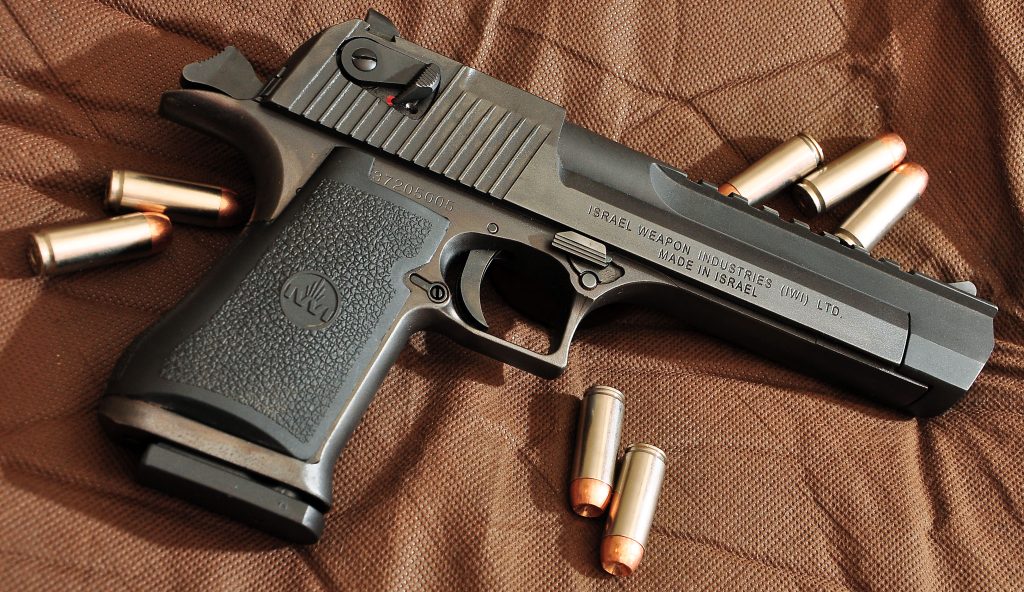
9. Desert Eagle .50 AE: Iconic, but Impractical
The Desert Eagle in .50 AE is the stuff of pop culture legend, appearing in far too many films and games. For real-world use, though, its massive size, heavy weight, and exceedingly expensive ammunition curbs practicality. Reliability suffers if not fed the exact loads it likes. As a range toy, it’s unparalleled for spectacle. As a serious sidearm, though, it’s outclassed by lighter, more manageable options. Its enduring appeal is in style, not substance.
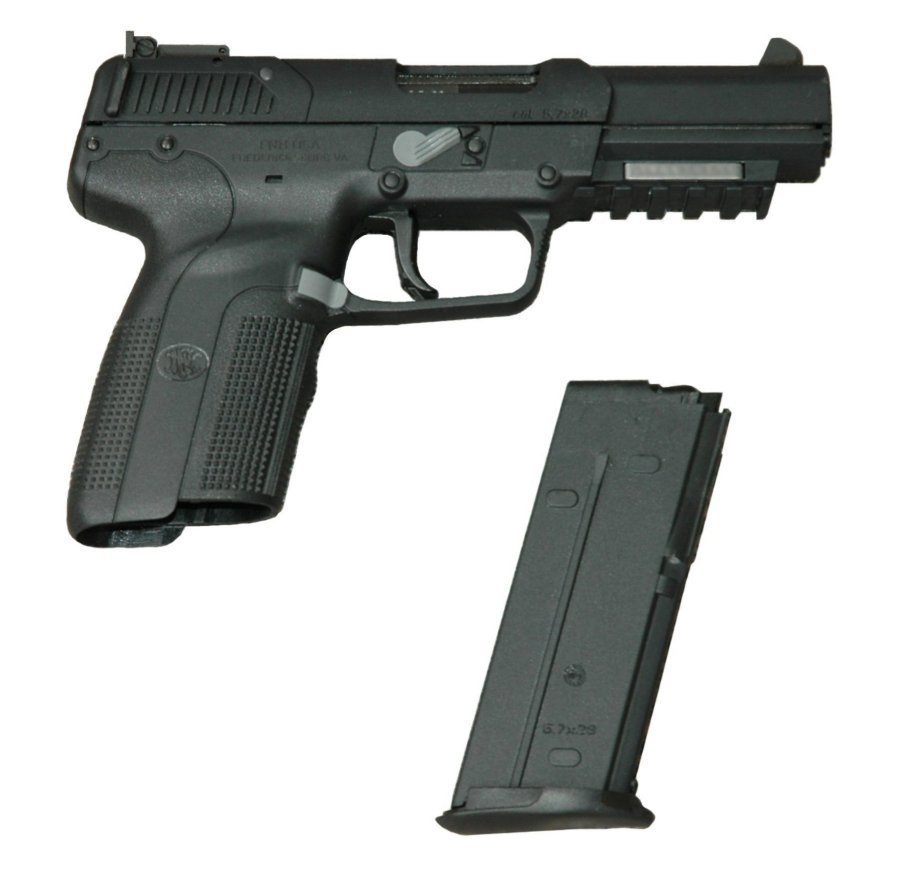
10. FN Five-seveN – Marketing vs. Civilian Reality
The FN Five-seveN was touted as a high-capacity armor-piercing sidearm. Civilian buyers quickly learned the restricted AP ammunition wasn’t available to them. With standard 5.7x28mm loads, performance is closer to a hot .22 Magnum. It’s accurate, low recoil, and lightweight but high gun and ammo costs limit appeal. Without military-grade rounds, the hype just simply doesn’t match the civilian experience. Each of these firearms came with the expectation of greatness-some from legendary designers, others from trusted brands. Yet design compromises, rushed production, or mismatched marketing doomed them. To collectors, they are fascinating artifacts; to shooters, they are lessons in why proven reliability matters more than novelty. In the end, a gun’s reputation is built not in press releases, but on the range.


