Was the latest analyst upgrade of Lockheed Martin just a bullish call, or is it also a sign of deeper geopolitical and industrial shifts? For active investors tracking the defense stocks, convergence in the realms of production momentum, regulatory dynamics, and global instability may hold the key.
At the end of 2025, Lockheed Martin received an upgrade from analysts due to its record order backlog, surging F-35 deliveries, and alignment with geopolitical priorities. This is regardless of some execution issues in the past, underlining how macro conditions and resilience in operations can overcome near-term headwinds. The trajectory of this defense giant is shaped not just by engineering prowess but also by regulatory reforms, AI adoption, and emerging procurement strategies. Here are nine strategic drivers defining its appeal in the market today.
1. Record-Breaking F-35 Production
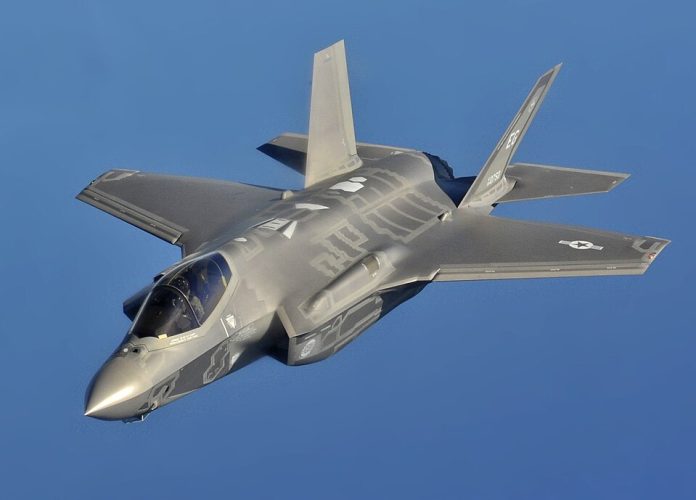
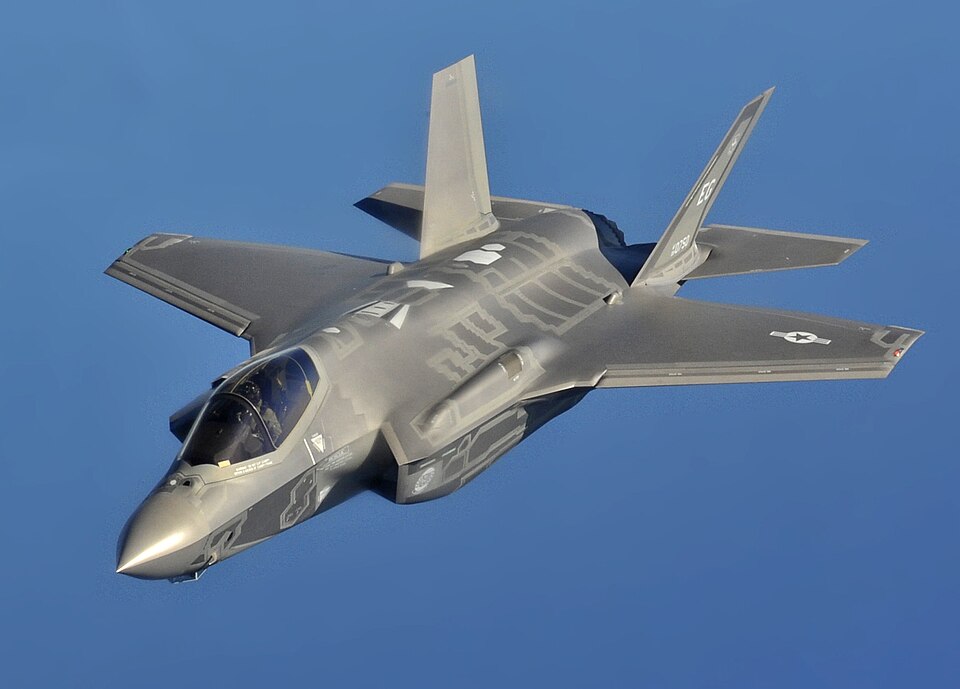
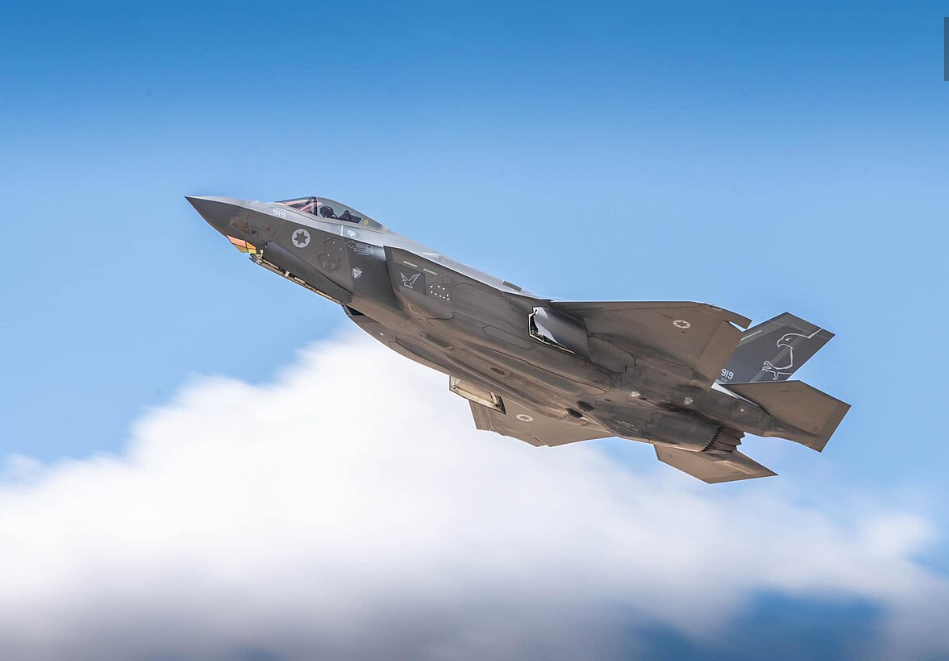
The F-35 Lightning II is Lockheed Martin’s biggest product and is on track to have its best delivery year of the decade. Through Q3 2025, 143 jets had been delivered, topping the previous annual record of 142 set in 2022. CEO Jim Taiclet says the company aims to “manufacture one plane for every working day of the year,” a pace which would result in as many as 200 jets built by year-end.
Priced at roughly $80–$100 million apiece, these deliveries feed a record $179 billion backlog. The surge is an indication not just of manufacturing efficiency but also of keen global demand from allies seeking deterrence amid growing geopolitical tensions.
2. Overcoming TR-3 Integration Delays
This delivery streak at Lockheed follows a rebound from the production delays in 2024 tied to the integration of Technology Refresh 3 – TR-3 – software and hardware. Deliveries of the truncated TR-3 aircraft resumed in mid-2024, with 18% of this year’s output coming from previously stored jets.
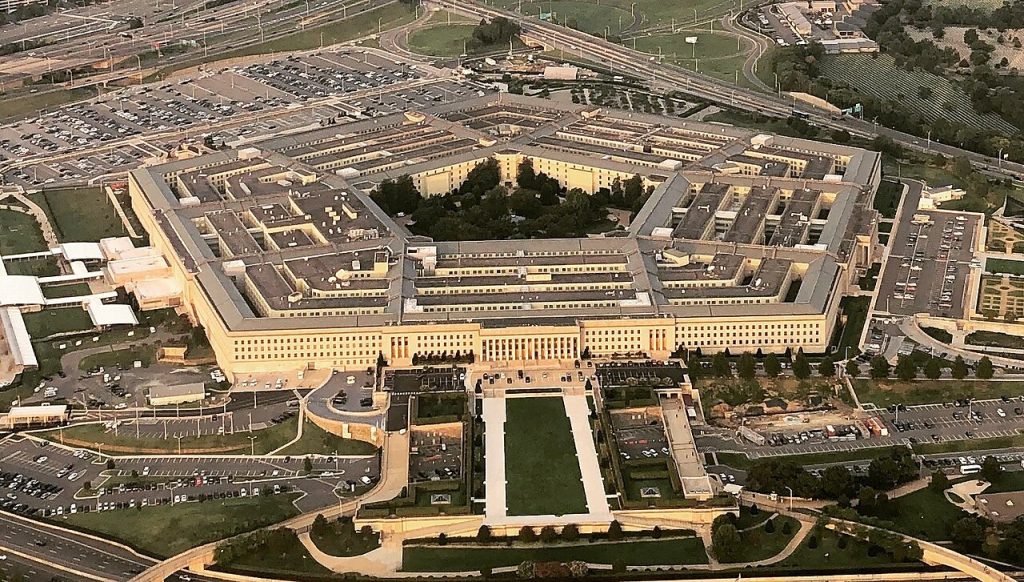
The recovery has been emphatic April 2025 marked the highest single-month delivery total in program history. This stability of execution has restored confidence among the Pentagon stakeholders and investors wary of operational bottlenecks.
3. Expanding Multi-Year Contract Portfolio
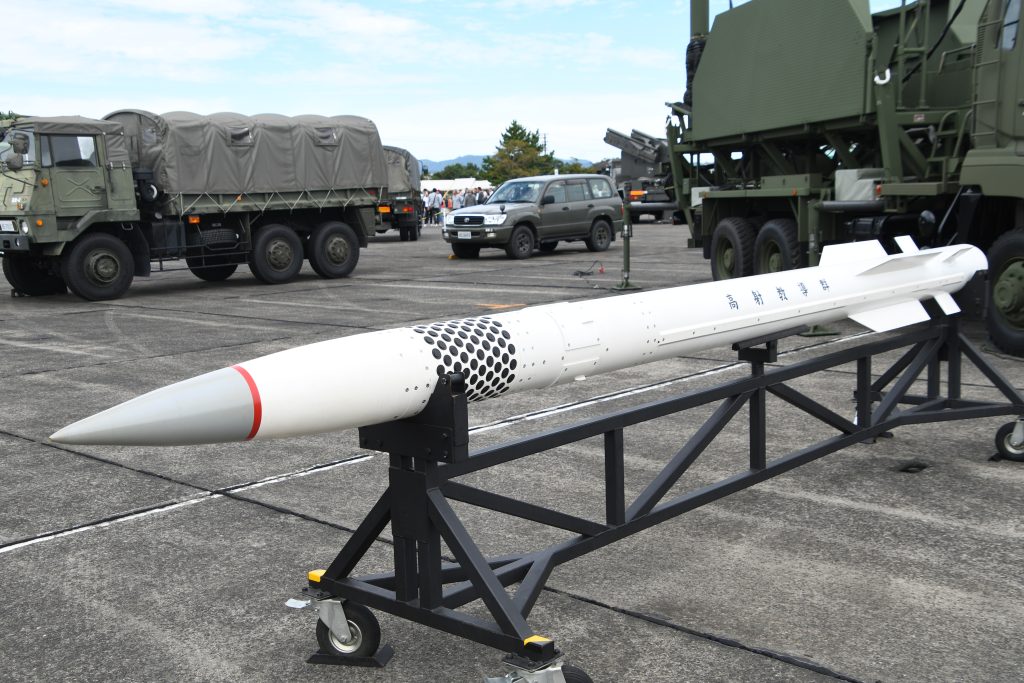
Excluding fighters, Lockheed won $30 billion in new multi-year contracts for PAC-3 missiles, JASSM/LRASM long-range systems, and CH-53K heavy-lift helicopters. The F-35 Lot 18 and 19 contracts added $11 billion.
Aeronautics sales are likely to add $4 billion by end-2025, with the margins for that segment rising by 3%. These deals underpin long-term revenue visibility and further diversify income streams away from flagship programs.
4. Geopolitical Tailwinds and Nationalism
Lockheed’s U.S.-based production fits into a geopolitical environment in which defense spending is both strategic and a political statement. Wars in Ukraine and the Middle East, combined with China’s Indo-Pacific ambitions, have forced allied nations to ramp up air power.
As nationalist economic policies dictate, “Made in America” defense assets carry added strategic currency that positions Lockheed as a beneficiary of bipartisan defense support and protectionist trade sentiment.

5. Regulatory Shifts in Defense Contracting
Recent reforms to acquisition have focused on speed, commercial solutions, and expanded vendor access. Supplemental changes to the Defense Federal Acquisition Regulation and Other Transaction Authority pathways are better-positioning nontraditional suppliers to compete aggressively.
These changes-for incumbents like Lockheed-demand agility balancing compliance with faster delivery and safeguarding of intellectual property. A changing procurement environment can alter the competitive dynamics of the next decade.

6. AI Integration Across Mission Systems
Agentic AI is currently being tested for autonomous mission planning, real-time collision avoidance, and geospatial targeting. The Decision Advantage Sprint experiments at the U.S. Air Force revealed ways AI could hasten decision-making in complex battle spaces.
Participation by Lockheed in AI-driven initiatives places the company in a position to capture efficiency gains and improve mission capabilities. U.S. A&D AI spending is forecasted to increase to $5.8 billion by 2029-3.5 times higher than 2025 levels.
7. Aftermarket and Sustainment Growth
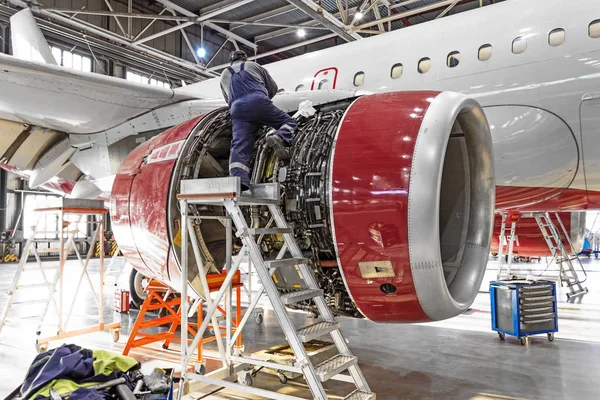
Aftermarket services remain resilient, with double-digit growth in engine maintenance, repair, and overhaul pipelines. Defense sustainment continues to be driven by technology refreshes and efforts to improve mission-capable rates for aging fleets.
The AI-enabled inspection systems from Lockheed reflect the general industry trend for predictive and condition-based maintenance that ensures more reliable assets and grows high-margin service revenues.

8. Supply Chain and Cybersecurity Compliance
Greater scrutiny of foreign investment and supply chain security is changing operational risk profiles. New regulations ban the use of Chinese- and Russian-manufactured components and limit the transfer of sensitive information to adversary nations.
FCA cybersecurity enforcement is increasing, with $93 million recovered in FY2024 for DOD contractors. Whether Lockheed will be able to stay compliant will be crucial to protect contracts and avoid expensive litigation.

9. Dividend Growth and Shareholder Returns
Lockheed approved a 5% dividend increase in 2025 – its 23rd consecutive annual boost – and increased its share repurchase authorization. Its confidence in the stability of its cash flow is supported by a forecast of $6.6 billion of free cash flow next year. For investors, the combination of robust operational performance, geopolitical alignment, and consistent capital returns strengthens the case for long-term holding.
It goes beyond valuation metrics to justify an analyst upgrade of Lockheed Martin rather, it reflects a coming together of operational recovery, geopolitical demand, regulatory positioning, and strategic diversification. The trajectory of the defense giant presents a case study in how industrial resilience and macro tailwinds can redefine investor confidence in the sector – both shaped by engineering excellence and global uncertainty.


