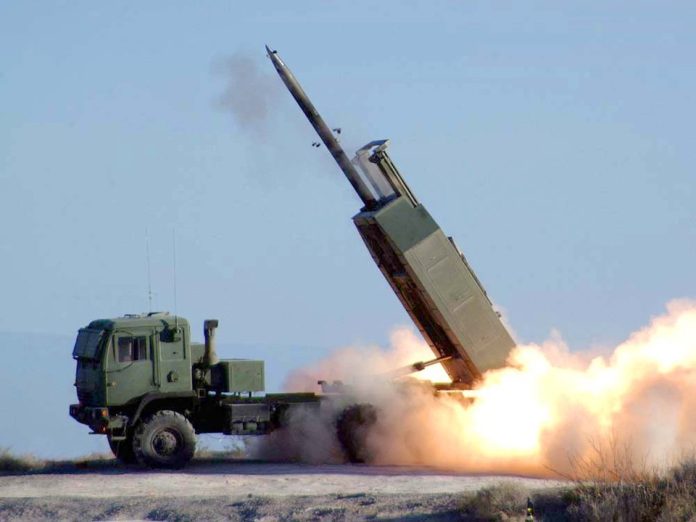
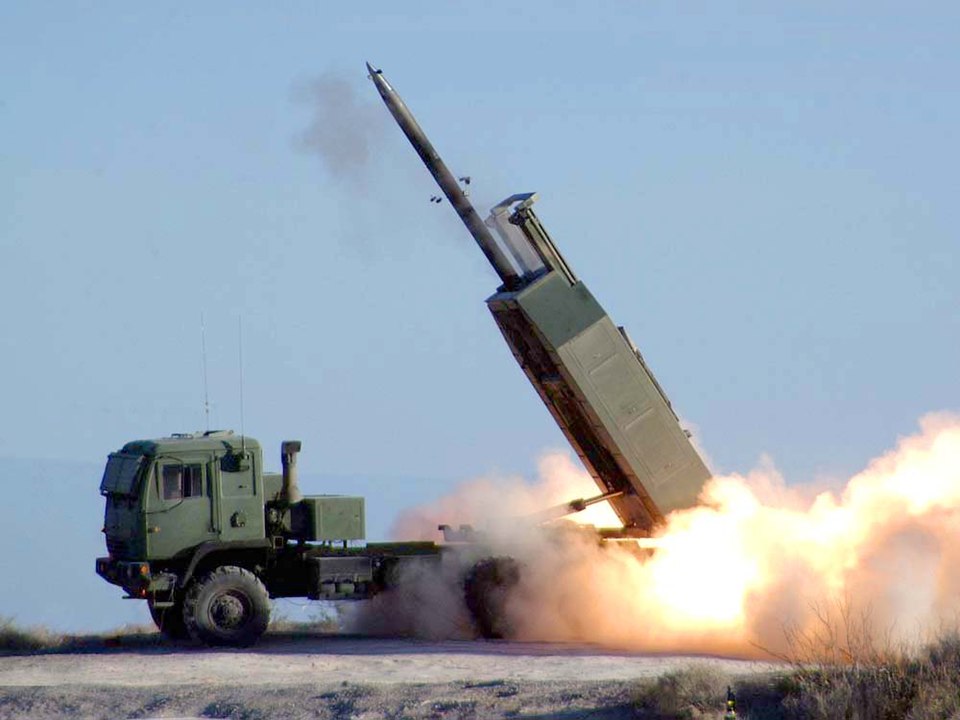
The Baltic states have for a long period lived in the shadow of Russian military power, but Estonia’s latest move has raised eyebrows across NATO. In this part of the world, where strategic depth is measured in minutes, Tallinn is doubling its arsenal of U.S.-made High Mobility Artillery Rocket Systems, known as HIMARS, after Ukraine’s battlefield experience proved their worth. It is not about hardware alone it is about sending a message to Moscow that NATO’s eastern flank will not be caught unprepared.
When in 2022 Ukraine used HIMARS to destroy the Russian advantage in artillery, everything changed. Estonia now takes that lesson to heart and invests heavily in deep strike capabilities, continuing to further diversify with other systems. The following listicle examines key aspects-nine-of Estonia’s HIMARS expansion, operational lessons from Ukraine, and an evolving threat environment-that make such investments urgent.
1. Estonia’s Second HIMARS Order Secured
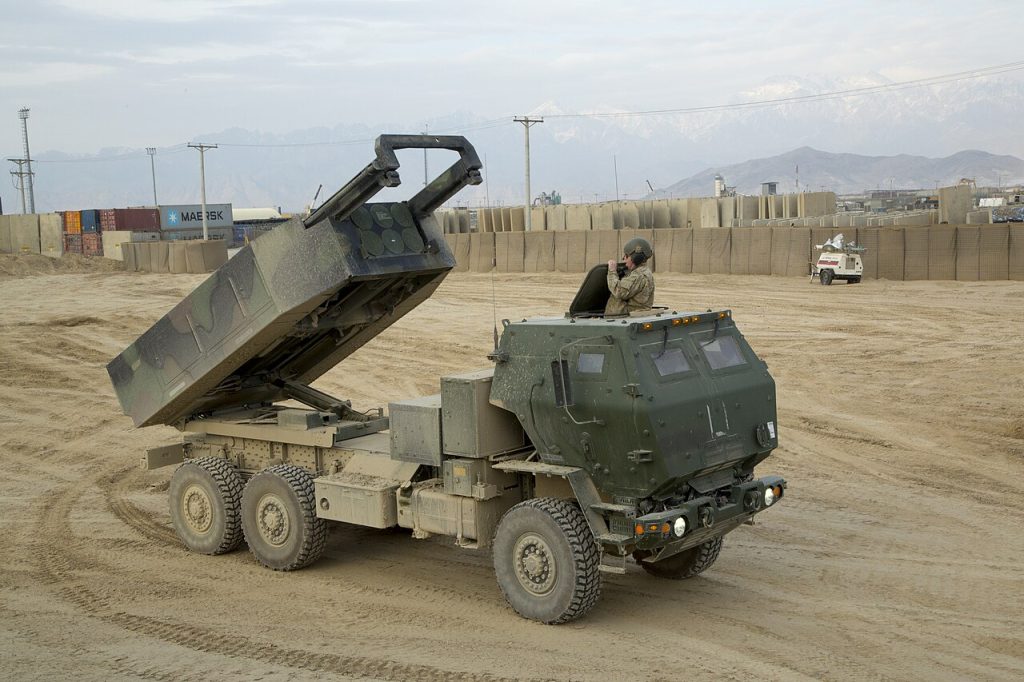
In addition to the six that arrived this year, Estonia has signed a deal with the US for six more HIMARS launchers. Confirming the news, Defense Minister Hanno Pevkur identified Lockheed Martin as the manufacturer, still awaiting full Pentagon approval under the Foreign Military Sales framework. Delivery is projected for the 2028–2029 timeframe, underscoring the long lead times for advanced systems.
This second tranche is part of a €2.8 billion four-year defense investment plan focused on air defense and deep strikes. Pevkur outlined that the lack of strategic depth in Estonia means that long-range precision systems are crucially important to both deterrence and rapid response.
2. Lessons from Ukraine’s HIMARS Deployment
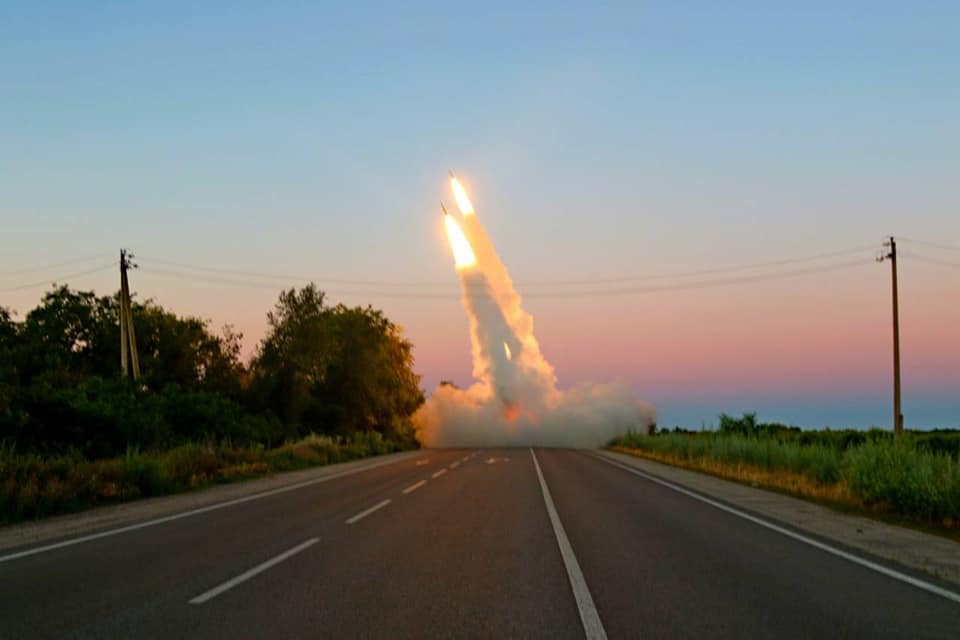
Ukraine received HIMARS in June 2022 after many months of debate about the risks of escalation. Its advent has enabled Kyiv to reach and strike Russian ammunition depots, command centers, and troop concentrations far beyond its previous reach. That capability effectively neutralized Russia’s artillery advantage and forced changes in its operational posture.
The Estonian defense ministry described HIMARS as central to developing deep-strike capability, citing Ukraine’s success as proof of concept. In the opinion of Tallinn, the Ukrainian example proves that precision strikes deep into enemy territory can change the strategic balance.
3. Challenges in Electronic Warfare
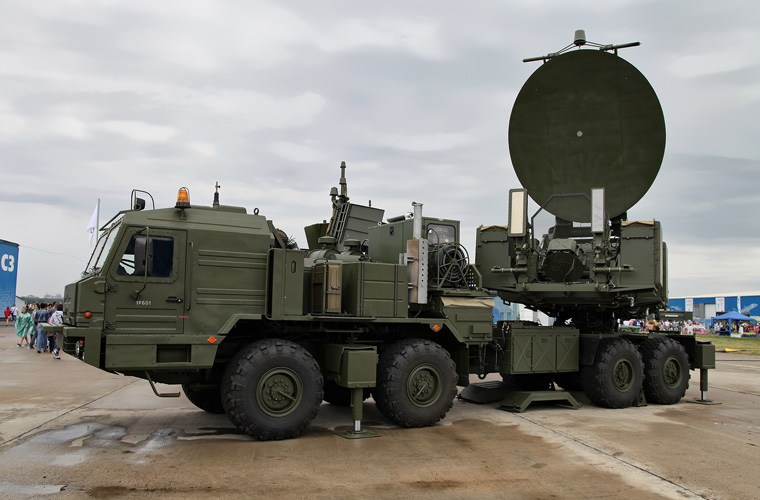
However, Russian electronic warfare has significantly degraded HIMARS’ accuracy, with some rockets missing targets by over 50 feet. A classified Ukrainian assessment reported by The Washington Post stated that the system had been rendered “completely ineffective” in certain sectors due to persistent jamming.
US and Ukrainian officials are working to adapt HIMARS software with the evolving Russian interference. Brig. Gen. Steven Anderson told CNN that maintaining HIMARS operational is critical to effective deep strikes, adding that it’s one thing to hold the Russian forces but another thing altogether to dislodge them from entrenched positions.
4. Diversifying Deep-Strike Options
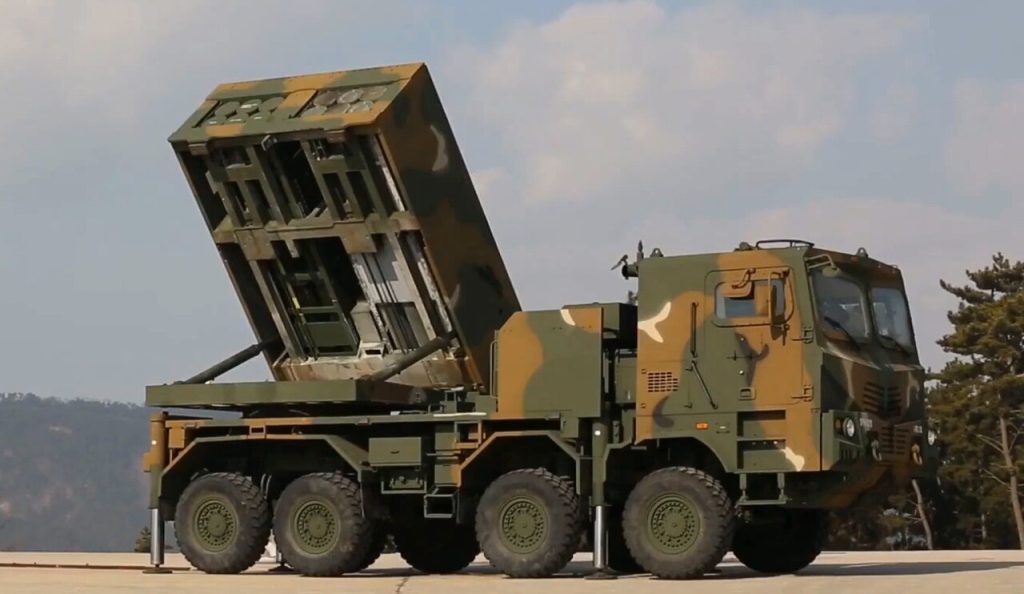
Estonia is not relying exclusively on HIMARS. In October, Tallinn signed a deal for the South Korean K239 Chunmoo rocket launchers, and on top of that, is also looking at cruise missiles and loitering munitions. Pevkur underlined that this mix of systems would give greater reach and flexibility.
This diversification reflects a larger NATO trend of integrating multiple strike platforms to complicate adversary defenses and ensure redundancy in the event that one system is degraded by enemy countermeasures.
5. Baltic Regional Investments
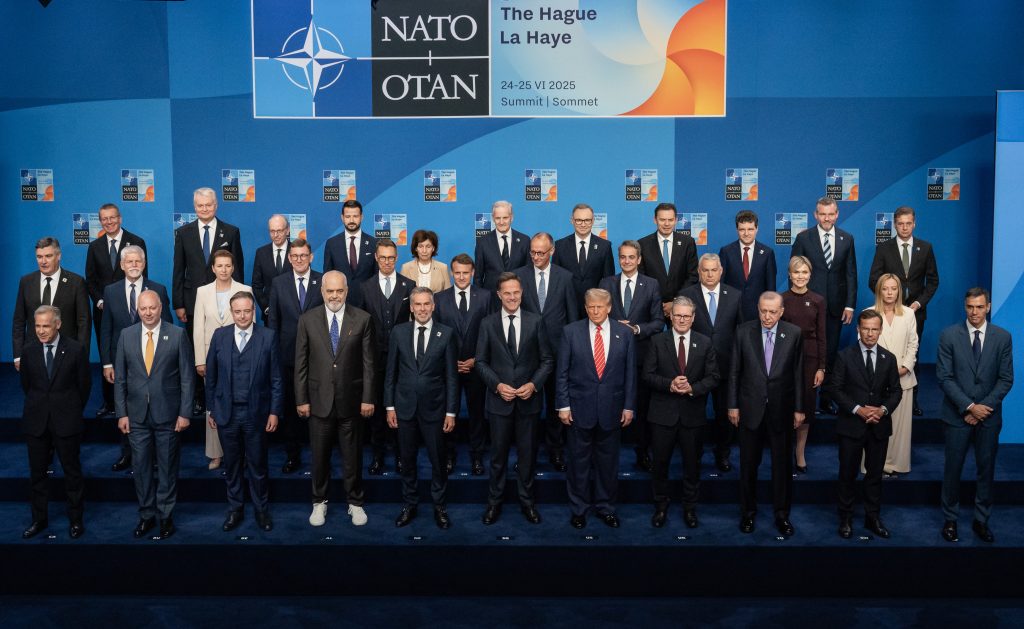
Latvia and Lithuania are also buying HIMARS, with six going to Latvia by 2027 and eight for Lithuania starting this year. All of these are part of broader defense modernization programs, including border fortifications, air defense networks, armored vehicles, and drones.
Expenditures in the Baltics are consistently among the highest in NATO as a share of GDP because of proximity to Russia and a common understanding that, as Pevkur put it, the eastern flank is “the front door of NATO” that needs to stay shut.
6. Ukraine’s Long-Range Strike Campaign Expands
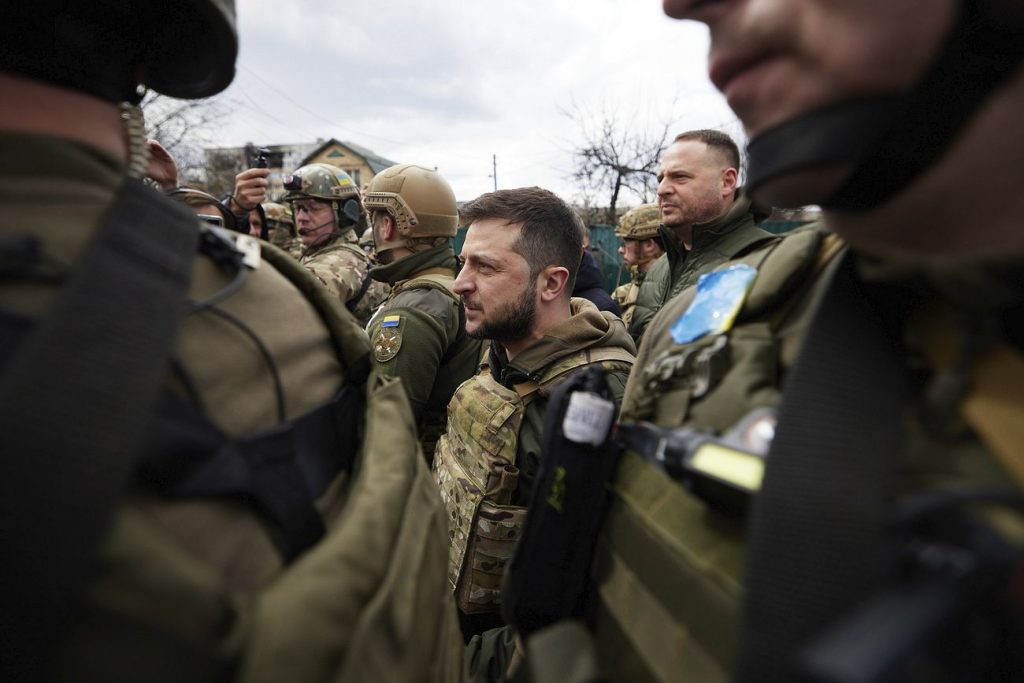
Beyond HIMARS, Ukraine developed a deep-strike capability that has woven together Western and domestic intelligence, weapons, and post-strike analysis in a systematic campaign against Russian military production, energy infrastructure, and missile storage facilities. Flying through Russian airspace requires constant mapping of its dense sensor and air defense network.
A recent US decision to provide intelligence for deeper strikes has been welcomed in Kyiv as it adds depth to operational planning and execution.
7. Homemade Drones Changing the Landscape
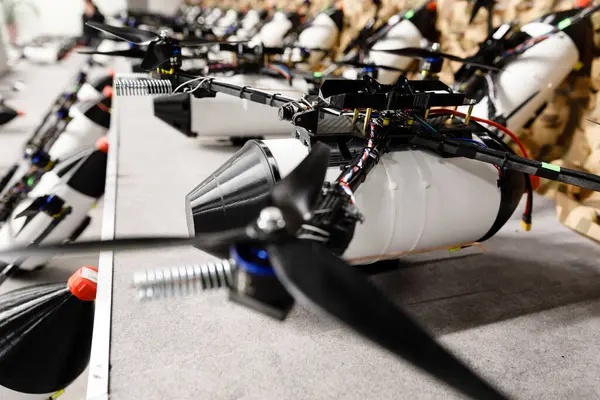
The long-range drones of Ukraine-among them, the Liutyi-have increased their reach to 1,000 km and strike with regularity at strategic targets on Russian soil. Manufactured for as little as $55,000, these drones force Russia to stretch its air defenses and reroute logistics.
Success depends on “the drones, the people, and the planning,” in the words of Commander “Fidel,” emphasizing the symbiosis of human and technical factors in such work. Such capabilities sidestep Western approval processes for the importation of armaments, giving Ukraine operational independence.
8. Russia’s Counteradaptation and Asymmetric Advantages
Russia has developed several overlapping advantages in manpower, frontline drone operations, tactical aviation, and command and control. Its Rubicon drone units standardize tactics and share lessons rapidly, while glide bombs extend its strike reach.
These adaptations present grave challenges for Ukraine, and by extension, NATO’s eastern flank. Estonia’s HIMARS expansion is partly a hedge against Russia’s ability to learn and innovate faster than expected.
9. Strategic Deterrence and NATO Cohesion
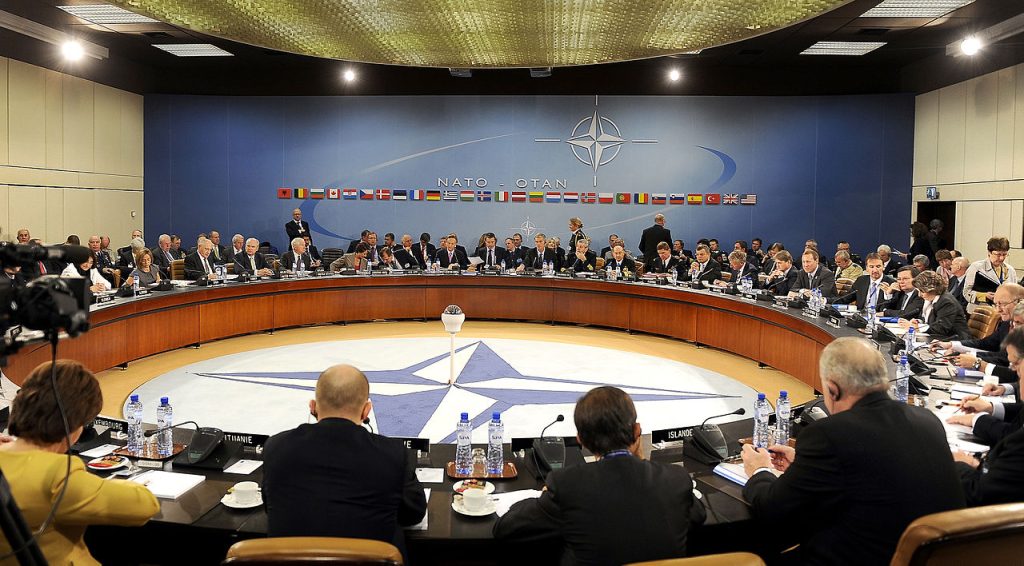
Pevkur underscored that HIMARS are more than battlefield assets they are a deterrent. Their presence is a signal to Russia that NATO’s eastern members can strike deep and reply decisively to aggression. This investment also builds alliance cohesion, as the front-line states demonstrate readiness and capability. For NATO planners, Estonia’s move is a reminder that deterrence requires not only credible force but also the political will to use it.
Estonia’s decision to double its HIMARS fleet follows hard-won lessons from Ukraine’s war and a clear-eyed view of evolving Russian capabilities. Blending precision strike systems, diversifying platforms, and building regional cooperation-these are the keys to constructing a layered deterrence posture for the Baltic States. In a time of rapid technological adaptation, such foresight may prove decisive in keeping NATO’s eastern flank secure.


