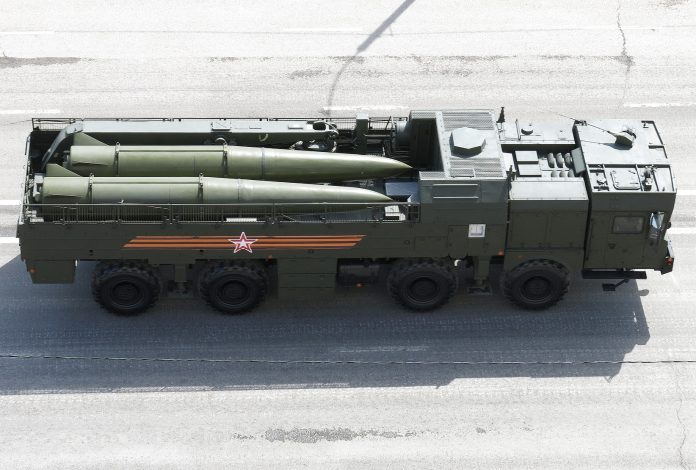
“Since January 2025, close to half of Russia’s Pantsir-S1 systems have been destroyed,” Ukrainian Security Service chief Vasyl Malyuk said this October-a statistic that underlines the growing extent of Ukraine’s long-range strike campaign. This new wave of precision attacks has degraded not just Moscow’s air defense network but opened up vulnerabilities in some of its most vaunted missile assets.
In August 2025, Ukrainian drones struck a high-value target deep within Russian territory: a base housing Iskander-M short-range ballistic missile systems. The strike obliterated launchers and reload vehicles, and even damaged a Pantsir-S1 unit, delivering a blow to a brigade-level capability that has been central to Russia’s battlefield operations and strategic posture. Subsequent imagery and open-source analysis have revealed the scale, precision, and implications of this attack.
It has given defence analysts and observers of military technology a detailed look at the crossroads between Ukrainian strike capabilities and vulnerabilities to Russian missile systems, set in their wider geopolitical context. Following are the nine most important revelations that emerged from the operation itself and its aftermath:
1. Which target – Molkino or Shumakovo?
First reports set the strike at Russia’s Molkino training ground in Krasnodar Krai, home to the 1st Guards Rocket Brigade. Subsequent OSINT geolocation, however, put it in Shumakovo, Kursk region, about 110 km from the front. And analysts matched distinctive markings on destroyed vehicles to the 448th Rocket Brigade of the 20th Combined Arms Army. Whether in Krasnodar or Kursk, the destroyed assets belonged to the formations directly involved in missile strikes against Ukrainian regions and were hence high-priority targets.
2. Precision Drone Strike with Strategic Effect
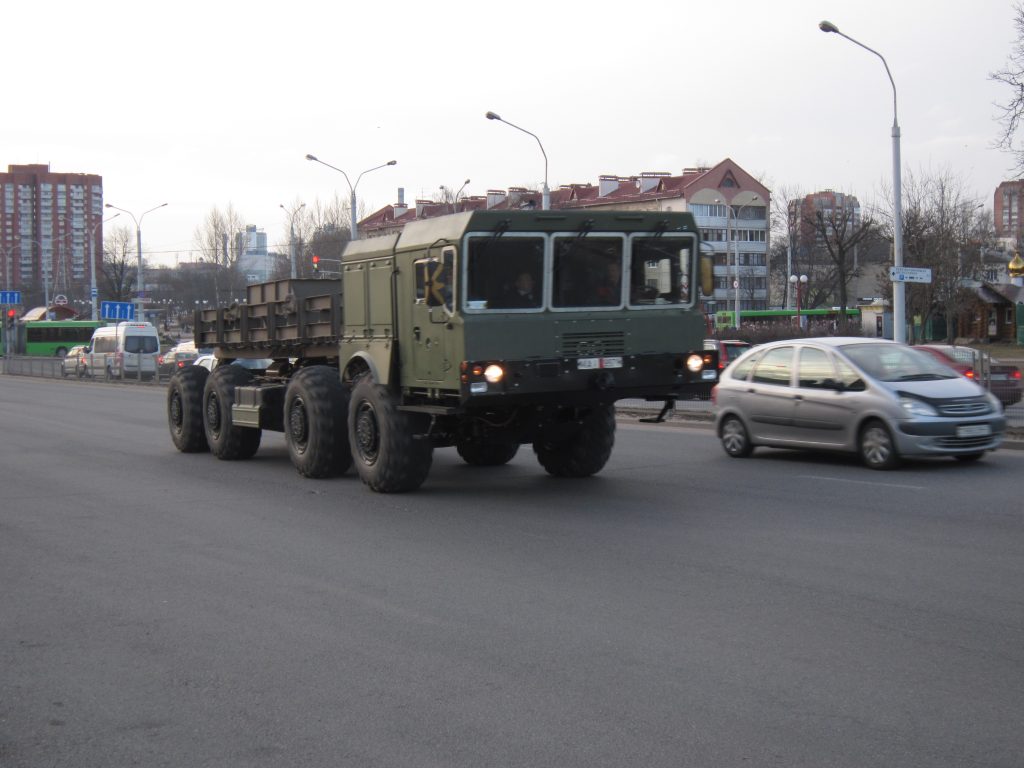
It consisted of fourteen long-range drones that struck both open-air parking and hardened hangars; imagery showed six burned MZKT-7930 heavy chassis, one 9P78-1 launcher, and five 9T250 transport-loaders. The ability to breach covered storage and destroy reload capacity is an operational loss of note because it reduces the brigade’s capability to sustain missile salvos in combat.

3. Battlefield Role of the Iskander-M System
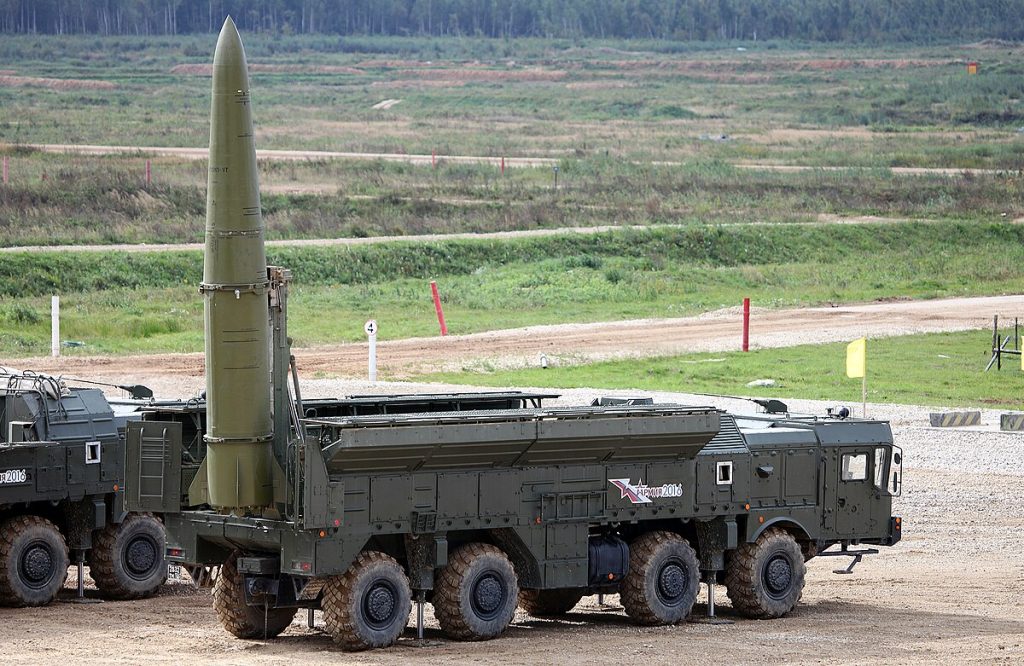
The Iskander-M hosts the 9P78-1 launcher, armed with two ballistic missiles-the 9M723-operating at ranges up to 500 km, carrying warheads from 480 up to 700 kg. It uses inertial navigation, GLONASS, and optionally optical seekers for guidance. CEPs as low as 10 m are reported for some variants. Other variants extend this flexibility further; among them is the cruise missile 9M728. These systems have seen intensive use in Ukraine, ranging from large-scale salvos against Kyiv to precision strikes on military infrastructure.
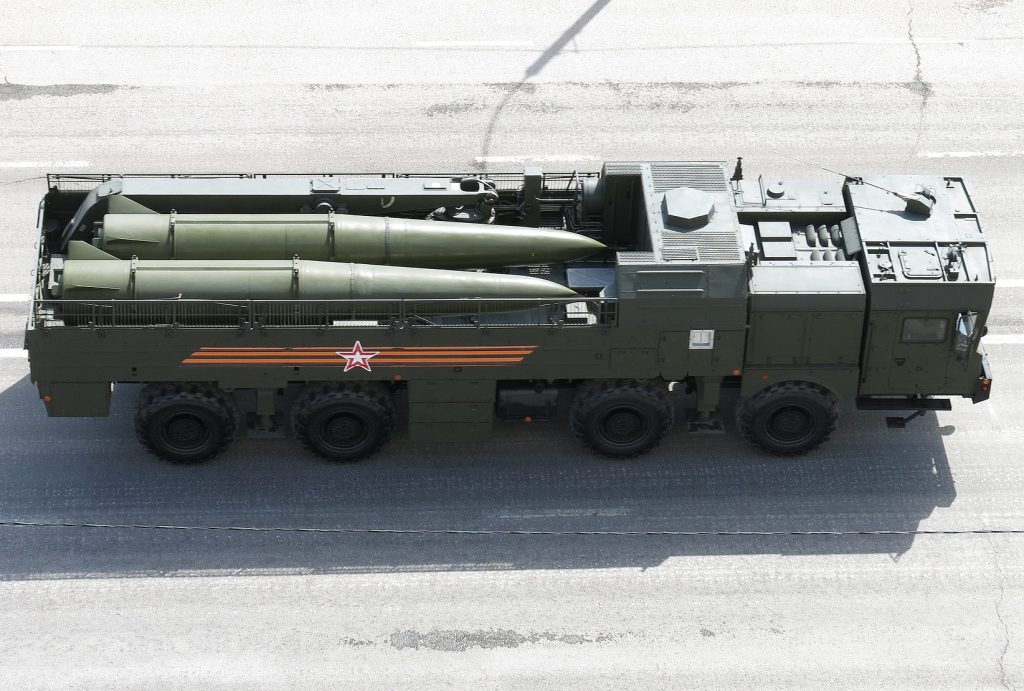
4. Reloading Vehicles: The Hidden Weakness
Each Iskander brigade has twelve launchers and twelve 9T250 transport-loaders with two spare missiles each. In other words, destroying five reloads in one strike eliminates ten missiles from immediate availability and constricts re-engagement cycles. A loss of that number immediately constricts the sustained fire capability of the system, often overlooked in discussions about the destruction of launchers themselves.
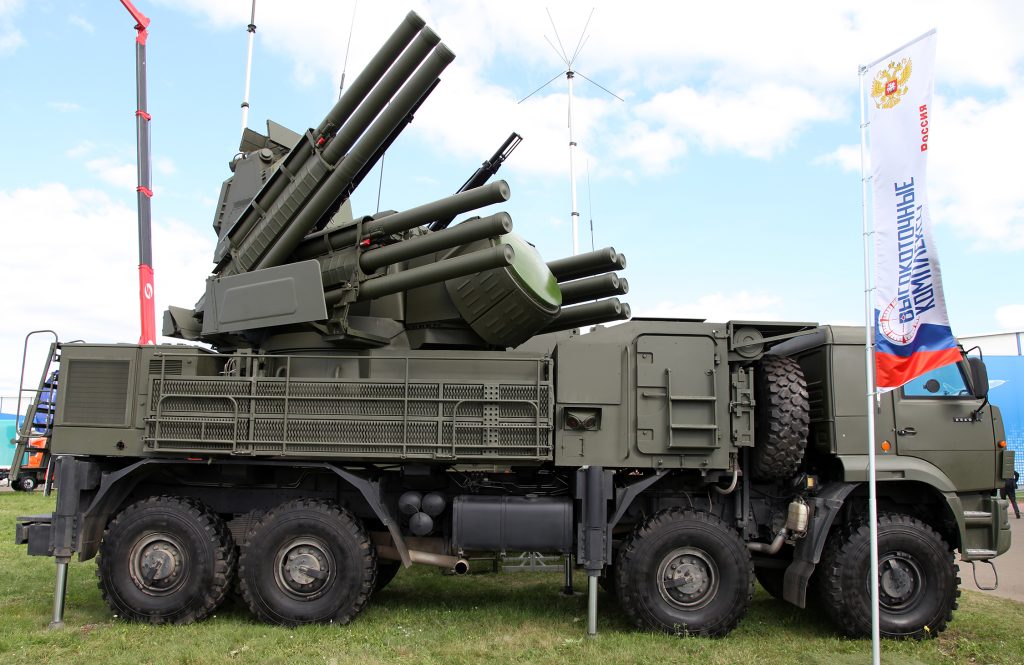
5. Ukrainian Campaign Against Air Defenses
The strike also took out a Pantsir-S1 as part of the broader Ukrainian effort to dismantle Russia’s air defense network. According to Malyuk, Ukraine has taken out around 48% of the Pantsir-S1s since January 2025 a rate higher than the annual production capacity of Russia, accounting for about 30 units. It has created “blind corridors” for the drones to go deep inside Russian territory.
6. Strategic Context: Kaliningrad and Belarus Deployments
The deployment of Iskander brigades in Kaliningrad and Belarus extends the reach of the strikes to bear on NATO territory. This will naturally complicate NATO air and missile defense planning, and such dual-capable systems are central to Russian nuclear signaling. Losses in Ukraine reduce the available assets for these forward deployments, with possible effects on the regional deterrence posture.

7. Wagner Group – Molkino Connection
Not only is Molkino noteworthy because the missile brigades are stationed there; it also shares facilities with the GRU and the Wagner Group. Investigations have shown Wagner operatives training alongside Russian special forces there, a fact underlining the role of the base for both conventional and proxy warfare. Strikes against such sites, therefore, carry symbolic weight too.

8. Russian Adaptations and Doctrine
This also applies to tactics that Russian forces have developed for the use of Iskanders, such as “double strikes” where a second missile is fired after a delay to target first responders. The destruction of reload capacity undermines such tactics. The attack also forces changes in dispersal, concealment, and hardened storage, increasing logistical complexity and reducing operational tempo.

9. OSINT’s Role in Battle Damage
Assessment Meanwhile, open sources, such as CyberBoroshno, provided highly detailed damage analysis cross-referencing vehicle markings against geolocation data. The transparency now allows independent verification of Ukrainian claims and drives broader defense analysis, drawing attention to the increasing prominence of OSINT in modern conflict monitoring. The August 2025 strike on the Iskander base is much more than a tactical success it showcases Ukraine’s ability to combine intelligence with precision strike assets and strategic targeting in a bid to degrade high-value Russian capabilities.
It has demonstrated that not even Russia’s most advanced missile systems are safe by removing both launch and reload capacity and damaging integrated air defenses. For military analysts, it represents a case study in how modern drone warfare, OSINT, and targeted campaigns reshape the balance of power in a contested theater.


