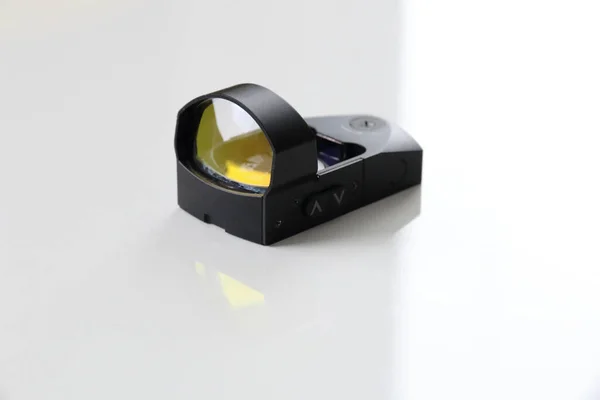
Duty pistols are no longer being changed only at the accessory level. The red dot has started to reshape the pistol itself, from how slides are cut to how backup irons are positioned and how training blocks are built. That shift is being driven by two realities at once: optics have become more reliable, and agencies have become less tolerant of weak mounting systems. As enclosed emitters are taking over, the pistol underneath them is being redesigned to match.
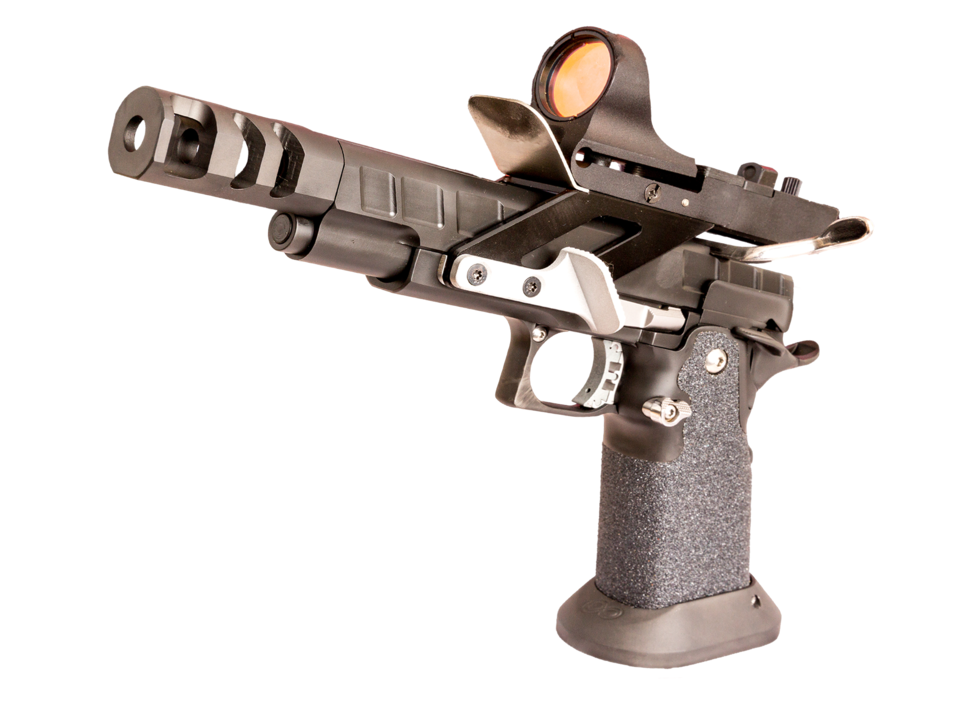
1. Factory slide cuts are replacing generic plate first thinking
Early optics ready pistols often treated the red dot as an add-on. The slide was cut for flexibility, then adapter plates handled the last step. That approach made sense when the market was fragmented, but heavy duty use exposed its compromises. More interfaces meant more screws, more tolerance stacking, and more chances for movement under recoil.
That is why direct, optic-specific cuts have become more important on duty guns. In agency use, the preference has increasingly shifted toward pistols machined at the factory for a chosen optic rather than broad universal plate systems. The attraction is mechanical simplicity: fewer parts carrying recoil forces, more thread engagement, and less opportunity for the sight to work loose over long training cycles.
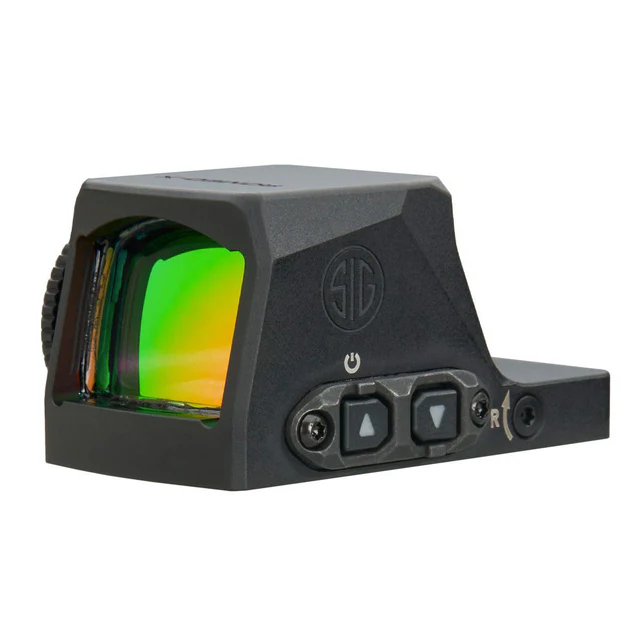
2. Enclosed emitters are changing what “duty grade” means
For years, open emitter optics defined the category. They proved that pistol mounted optics could survive recoil and daily carry, but duty use kept exposing a basic vulnerability: the emitter window and light path could be interrupted by rain, lint, grit, or debris. The move toward sealed designs was the predictable answer.
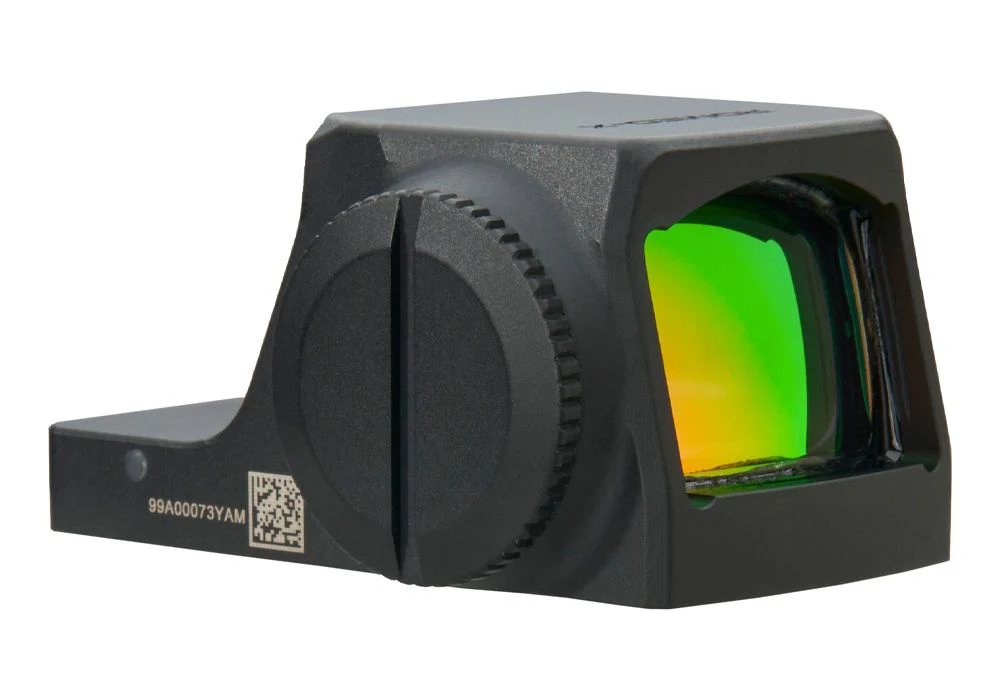
The broader market now reflects that change. SHOT Show coverage in 2025 showed a clear wave of new handgun red dot releases centered on enclosed housings, while longer range industry analysis described closed emitters as the professional standard once environmental reliability became the deciding factor. On a duty pistol, that matters because the optic is no longer judged only by clarity or battery life. It is judged by whether the aiming system remains usable after being carried in weather, bumped against gear, or exposed to daily contamination.
3. Mounting geometry is becoming a slide design problem, not an accessory problem
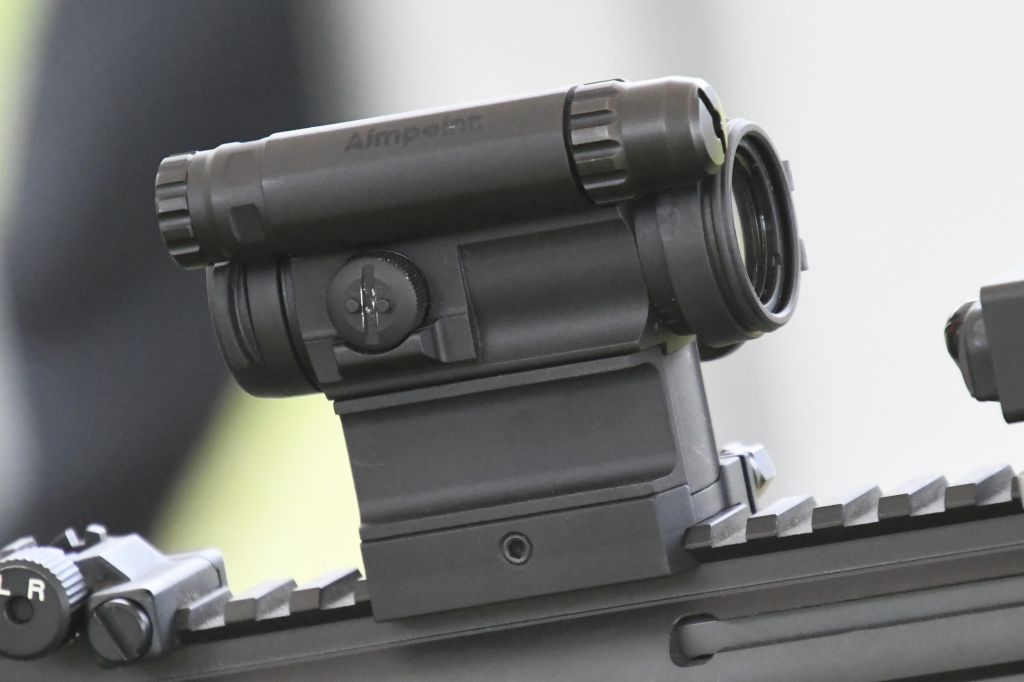
The red dot’s biggest engineering challenge has often been the mount rather than the glass. Traditional two-screw patterns and plate stacks put tremendous stress on small fasteners as the slide reciprocates, and user experience has repeatedly shown how quickly trouble starts when tolerances are loose or screws lack sufficient engagement.
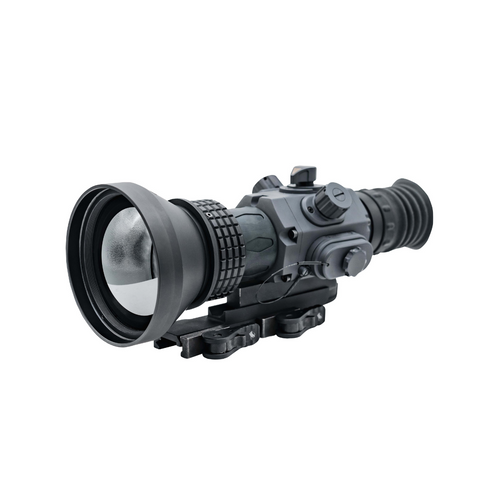
That pressure is why newer mounting concepts are drawing so much attention. Aimpoint and Glock’s A-Cut uses a front shelf and rear locking arrangement to reduce reliance on the classic plate and bolt stack, while broader market analysis has framed rail locked and dovetail style interfaces as an answer to screw shear and deck height problems. The significance is larger than one footprint. Slide makers are being pushed to design around the optic as a structural component, not just provide a flat spot where one can be attached.
4. Lower deck height is changing iron sight strategy
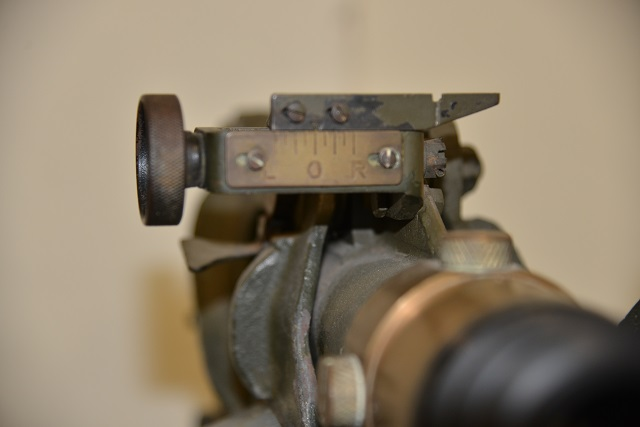
Once optics began riding high on slides, tall backup sights became the default answer. That solved one issue and created another. Oversized suppressor height irons can intrude into the optic window, clutter the sight picture, and pull attention back to a system the shooter is not supposed to use as the primary aiming method.
Modern low-sitting optics and deeper cuts are reducing that conflict. Some newer enclosed optics are specifically aimed at sitting low enough to co-witness with standard-height irons or close to it. That matters because the role of irons is being narrowed. As Vortex’s technical explanation notes, “Your red dot and your irons are two independent sighting solutions that are designed completely different from one another.” On a duty pistol, that means backup sights are increasingly being treated as contingency tools rather than something that should dominate the optic window.
5. Training is shifting from sight alignment to presentation discipline
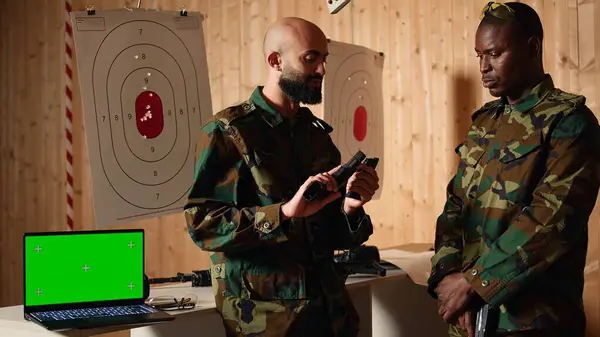
The red dot changes what the shooter must see, but it also changes what the shooter must do. Iron-sight shooting rewards precise alignment across multiple focal planes. A pistol dot rewards a repeatable presentation that places the optic window in front of the eye without hunting for the reticle.
That sounds subtle, but it has changed training priorities. Red dot instruction now emphasizes draw stroke consistency, recoil tracking, target focus, and confirming zero with the optic itself rather than trying to use irons as a crutch. The educational shift is backed by a simple optical fact: red dots don’t have parallax error in the way iron sights do for practical handgun use. The shooter no longer needs a perfectly centered eye behind a rear notch; the shooter needs the gun to arrive in the same place every time.
6. Reliability now includes installation, inspection, and maintenance habits
A duty optic is not made reliable by design alone. It also depends on how the pistol is assembled and monitored in service. Experience from instructors and armorers has shown that screws can loosen, plates can shift, and poorly fitted cuts can create micro-movement that grows under recoil. Even direct mount systems still demand inspection during high round count use.
That has pushed maintenance culture upward. Torque specs, thread locker, witness marks, and periodic screw checks are becoming part of the duty pistol routine because the optic has become part of the weapon system. The lesson is straightforward: once a dot rides the slide, small mechanical details are no longer bench concerns. They are operational concerns.

The modern duty pistol is being redesigned around the red dot in plain view. Slides are cut differently, mounts are being re-engineered, irons are being demoted to backup status, and training programs are being rebuilt around presentation and optic management. That is why the red dot no longer reads like an accessory trend. On a duty handgun, it has become an engineering driver.


