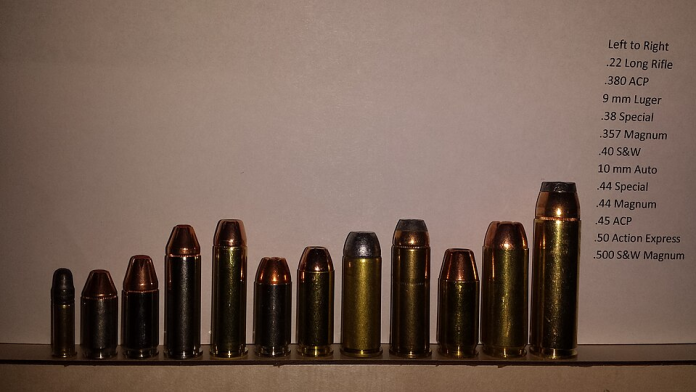
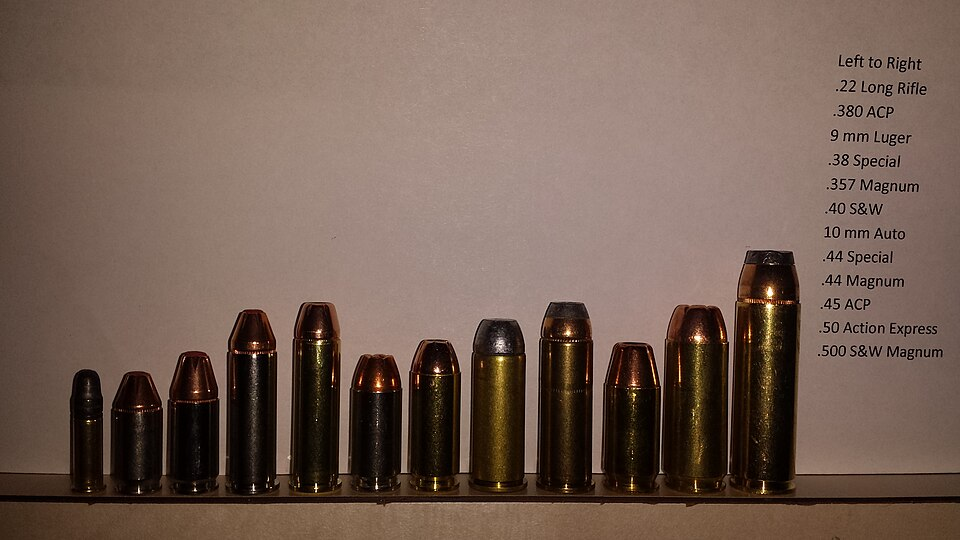
The FBI’s 12–18 inch penetration standard remains one of the clearest ways to discuss defensive handgun performance without drifting into caliber folklore. In calibrated gelatin, that window is meant to show whether a bullet can still reach vital structures after encountering clothing, bone, or an arm crossing the torso, with 12 to 18 inches in calibrated 10 percent ballistic gelatin serving as the benchmark.
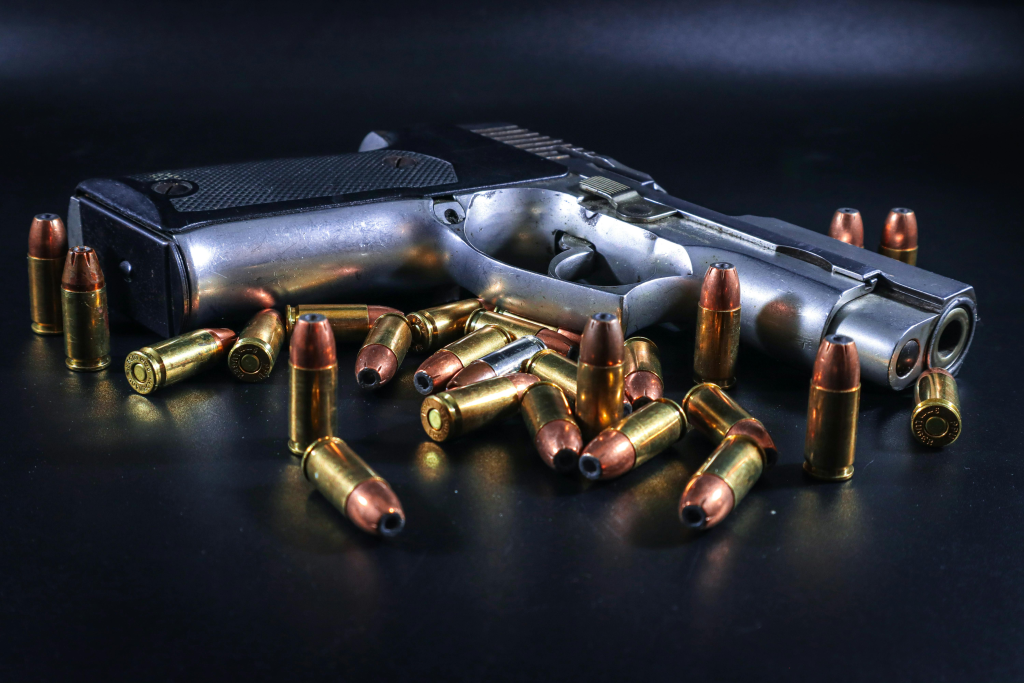
That standard is not a shortcut to declaring one cartridge universally superior. Bullet design, barrel length, expansion reliability, and behavior through heavy clothing all matter. Still, several handgun calibers repeatedly show that, with well developed defensive loads, they can operate inside the FBI window often enough to anchor serious discussions about real world terminal performance.
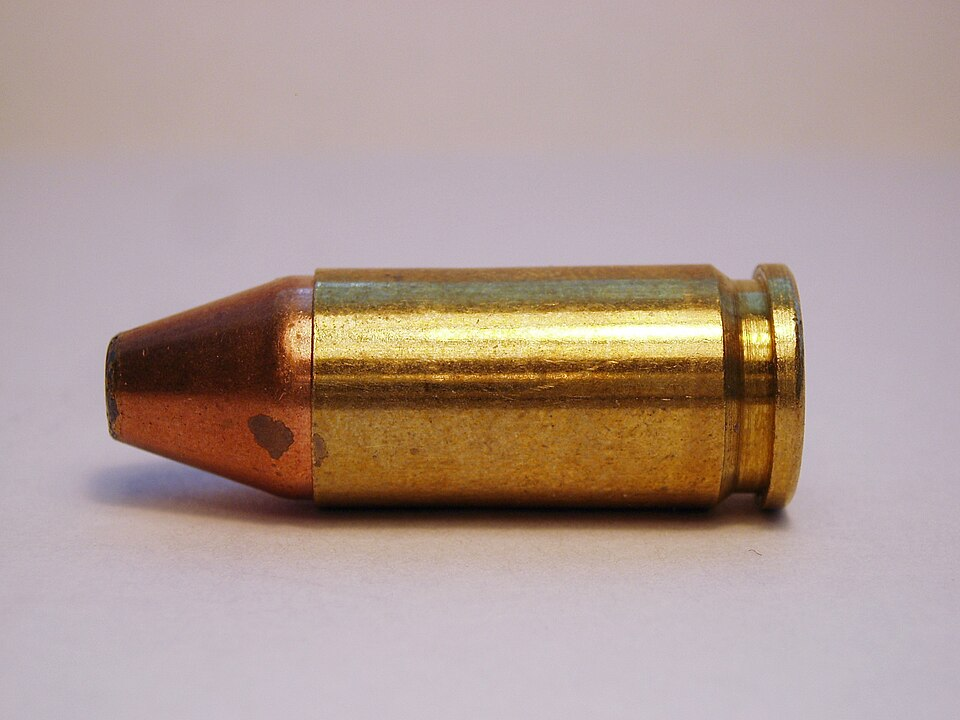
1. 9mm Luger
9mm remains the modern reference point because it blends manageable recoil with an unusually broad field of mature bullet designs. In heavy-clothing gelatin testing, many 9mm loads penetrate deeply enough while still expanding with useful consistency, which helps explain why it became the dominant service-pistol chambering for so many agencies and private carriers.
Independent gelatin projects have shown several 9mm loads showing adequate penetration with a decent amount of expansion. The main complication is variation between hollow-point designs. Some bullets partially clog in fabric and drift into slight over-penetration, while weaker loads can open too quickly and stop short. Even so, 9mm’s best loads repeatedly demonstrate that careful bullet engineering matters more than raw caliber debates.
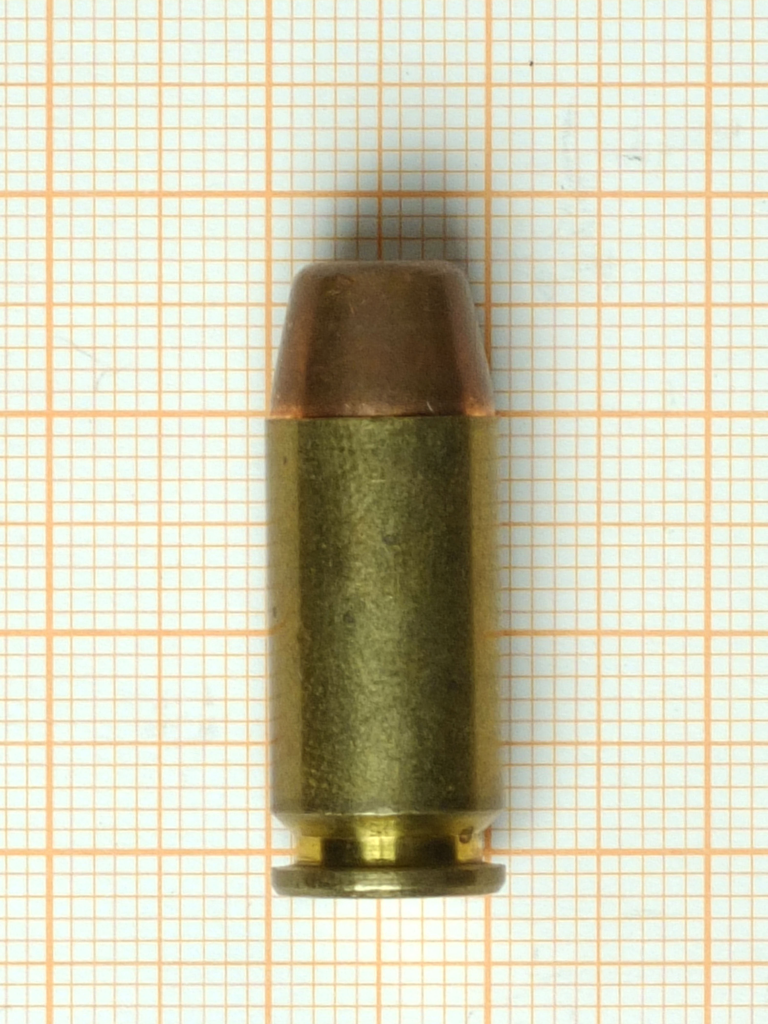
2. .40 S&W
.40 S&W was developed to offer more bullet weight and diameter than 9mm while still fitting practical duty-size pistols. That design goal shows up clearly in gelatin work, where under-penetration is uncommon and the caliber usually has little trouble reaching the lower edge of the FBI minimum.
Its recurring pattern is straightforward: when expansion works properly, .40 S&W often lands comfortably inside the desired window and can produce large expanded diameters. The risk comes when heavy clothing interferes with hollow-point performance. In those cases, penetration can run longer than intended. The caliber’s reputation for meeting the standard rests less on raw energy than on whether the projectile is built to control that energy.
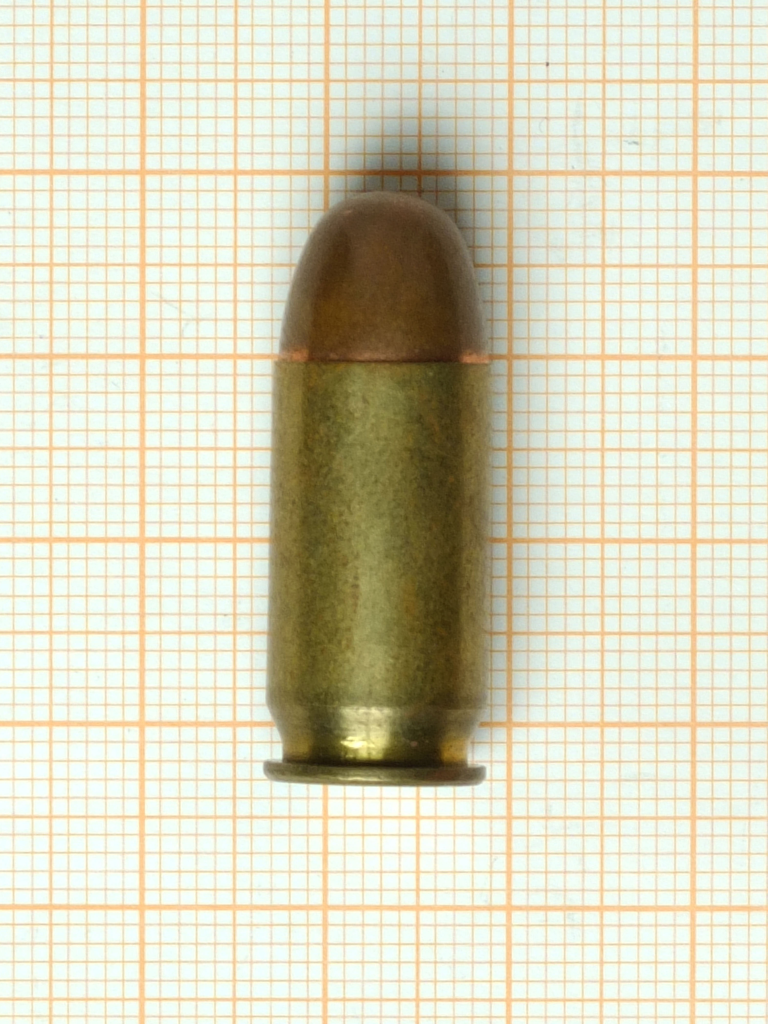
3. .45 ACP
.45 ACP has long carried a reputation based on frontal diameter, but modern ballistic testing shows diameter alone is not enough. To stay within the FBI window, .45 loads still need to balance expansion with retained depth, especially when fired through fabric barriers that can disrupt hollow-point function.
When that balance is right, .45 ACP remains a dependable performer in service-size pistols and compact carry guns alike. Heavy-clothing tests have repeatedly shown that successful expanding loads can stay in range while cutting broad permanent wound channels. When expansion fails, however, the large projectile can behave more like a non-expanding slug and travel much farther than intended. Its strongest showings come from bullet designs that keep the caliber’s mass and width under control rather than simply relying on tradition.
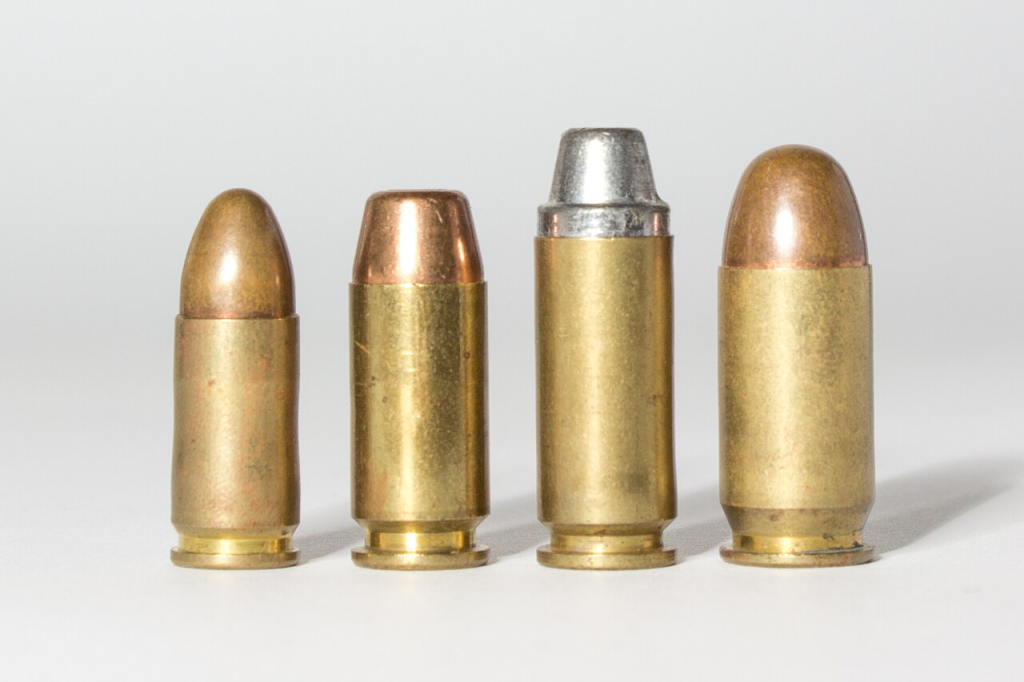
4. .38 Special
.38 Special stays relevant because compact revolvers remain common carry guns, and ammunition makers spent years tuning loads for short barrels. That was not always the case. Older .38 defensive loads often struggled to expand from snub-nose revolvers, making the FBI window difficult to hit consistently.
Modern +P loads built specifically for two-inch-class revolvers changed that equation. Limited velocity still makes the margin for error narrow, because a bullet that expands too aggressively can stop short of acceptable depth. But the better short-barrel loads now reach the standard much more often, proving that the cartridge’s modern relevance is tied directly to projectile design rather than nostalgia.
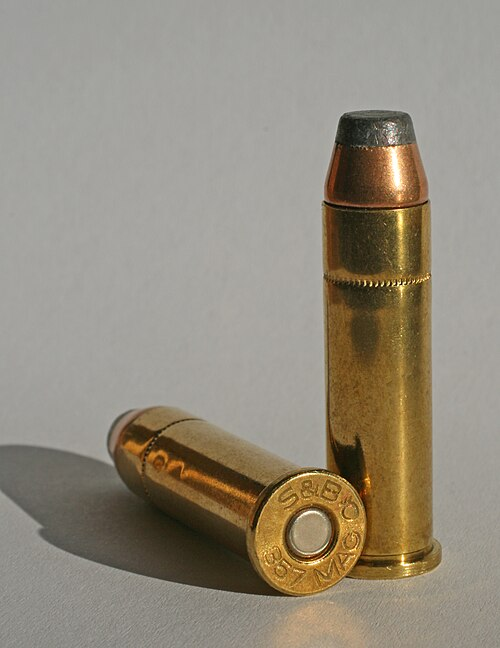
5. .357 Magnum
.357 Magnum has never suffered from a lack of penetration potential. Its real challenge is staying below the upper boundary while still expanding in a controlled way. That is why modern defensive loads matter more than raw velocity figures when evaluating this revolver cartridge against FBI-style criteria.
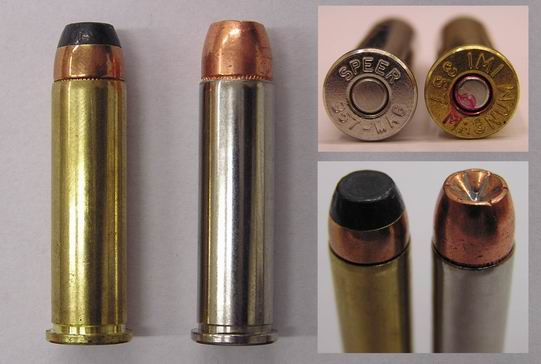
With appropriate jacketed hollow points, .357 Magnum routinely reaches service-grade depths and expands reliably through clothing. It remains one of the stronger revolver chamberings for meeting the standard, though it brings more recoil, blast, and muzzle flash than lower-pressure alternatives. Its consistency comes from having surplus penetration capacity that must be managed carefully by the bullet itself.
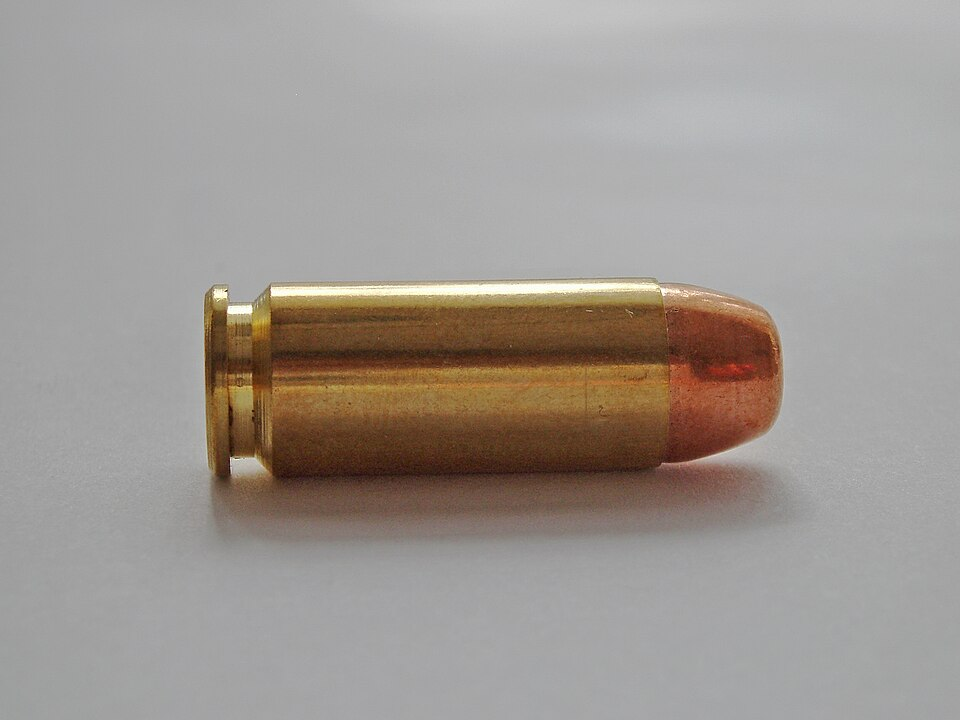
6. 10mm Auto
10mm Auto often carries a reputation for excess, yet gelatin testing shows a more nuanced picture. It is not simply a deeper-driving .40 S&W. Instead, performance is highly dependent on bullet weight, construction, and velocity band, which means some loads fit the FBI window while others run past it.
One published gel series found five of the eleven loads tested met the FBI criteria while also showing useful expansion. That result captures the caliber well. It has power in reserve, but speed alone is not the answer. Loads engineered specifically for defensive use are the ones that keep 10mm inside the desired penetration envelope rather than treating maximum velocity as the only goal. The calibers that most consistently stay inside the FBI’s 12–18 inch range are not automatically the biggest, fastest, or loudest. They are the ones supported by bullet designs that remain stable through heavy clothing and still reach meaningful depth.
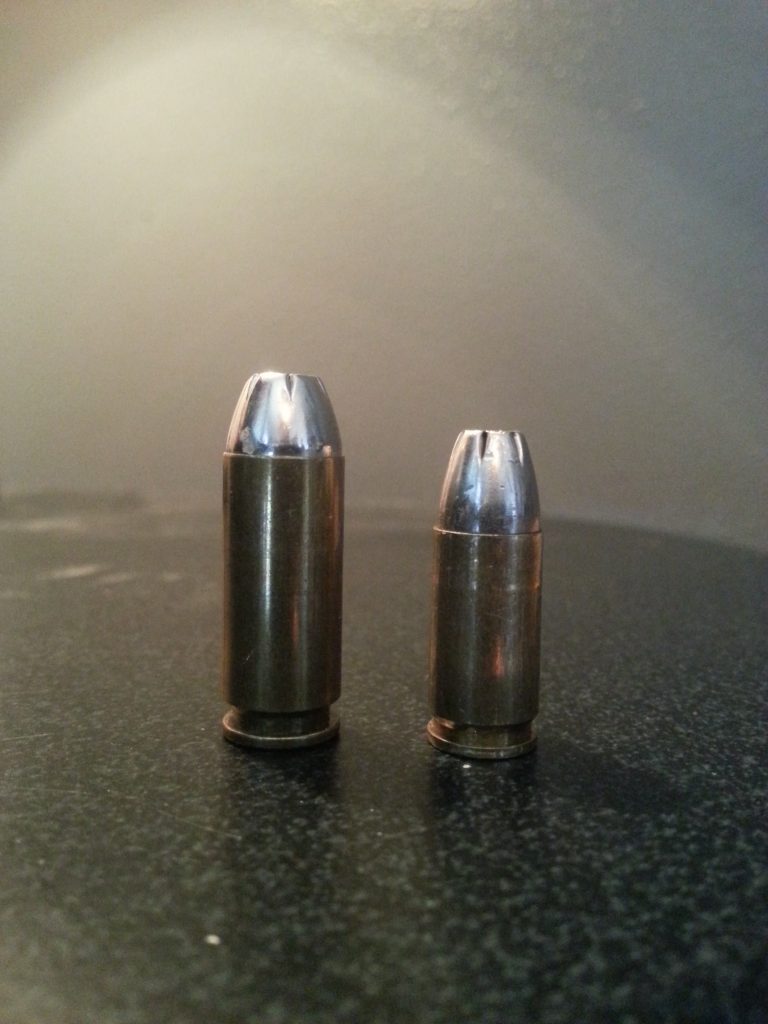
A bullet’s performance can be greatly affected by the material or barrier it passes through before entering the target medium, and barrel lengths we think are more representative of what the average citizen is actually carrying can shift velocity enough to change outcomes. That is why the FBI window remains useful as a yardstick rather than a verdict. Across 9mm, .40 S&W, .45 ACP, .38 Special, .357 Magnum, and 10mm Auto, the recurring lesson is simple: sound bullet design matters as much as the headstamp.


