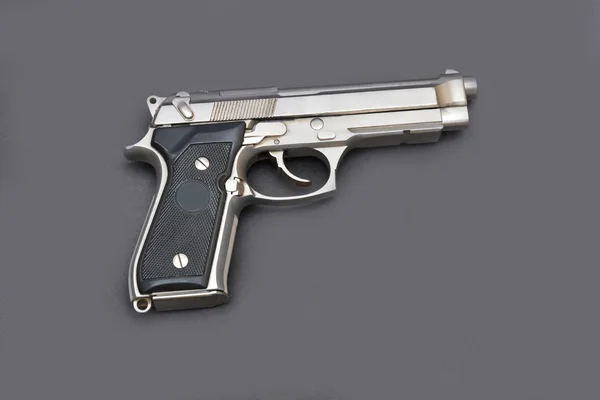
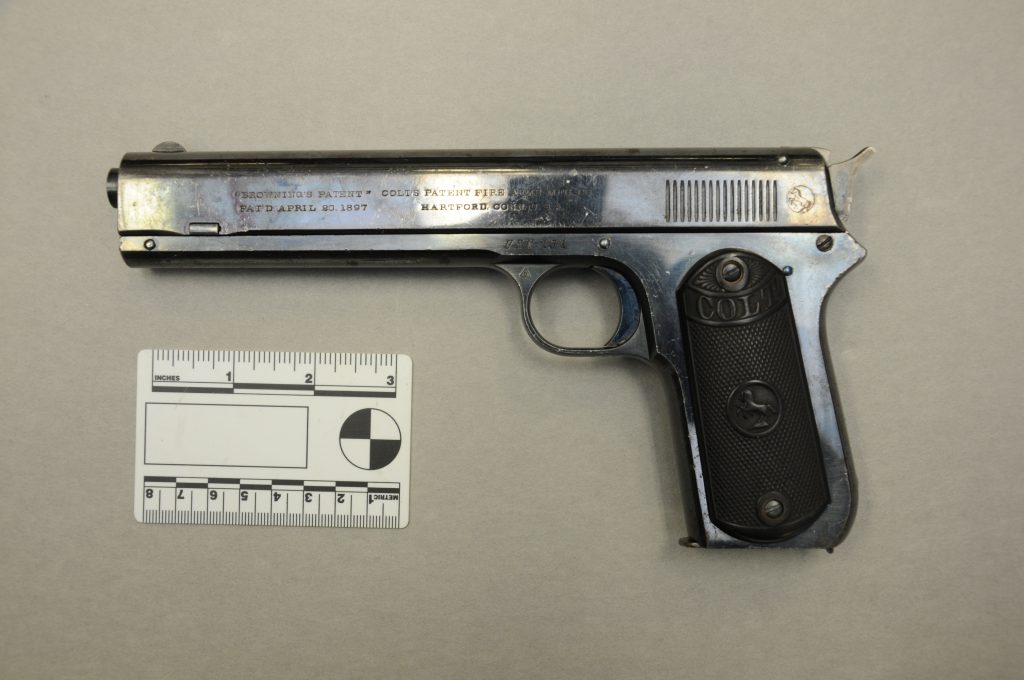
Polymer pistols changed handgun design by trimming weight, simplifying production, and making high-capacity sidearms easier to carry all day. None of that erased the appeal of steel at the firing line. On the range, the priorities shift. Comfort through long strings, controllability, heat management, durability over heavy round counts, and the way a pistol settles in the hand all matter more than light carry weight. That is where steel-frame handguns continue to hold ground.
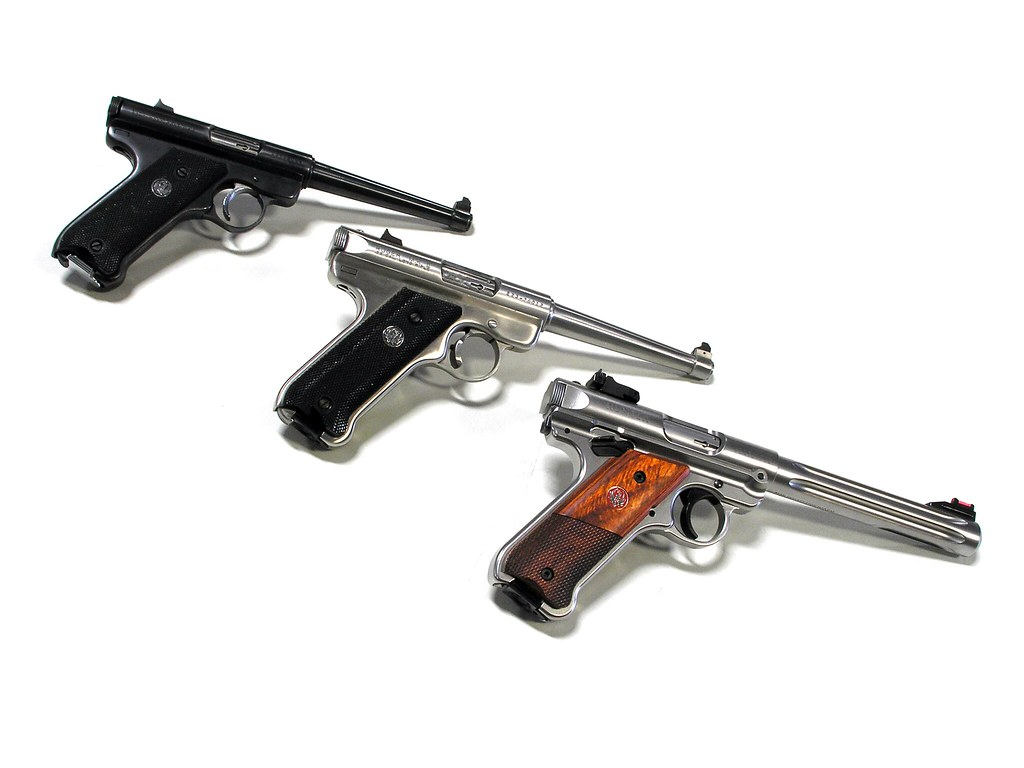
1. Extra weight smooths out recoil
Steel-frame pistols generally carry more mass, and that mass works in the shooter’s favor when the gun fires. More weight reduces the amount of movement transmitted into the hands, which helps the pistol track flatter and feel less abrupt during repeated strings. In side-by-side discussion of comparable handguns, shooters repeatedly describe the all-steel gun as softer shooting, even when the difference is not dramatic.
That matters most on the range, where dozens or hundreds of rounds can make small recoil differences feel much larger over time. A heavy pistol is not automatically better in every context, but on a static line or during practice drills, added weight is often an advantage rather than a burden.
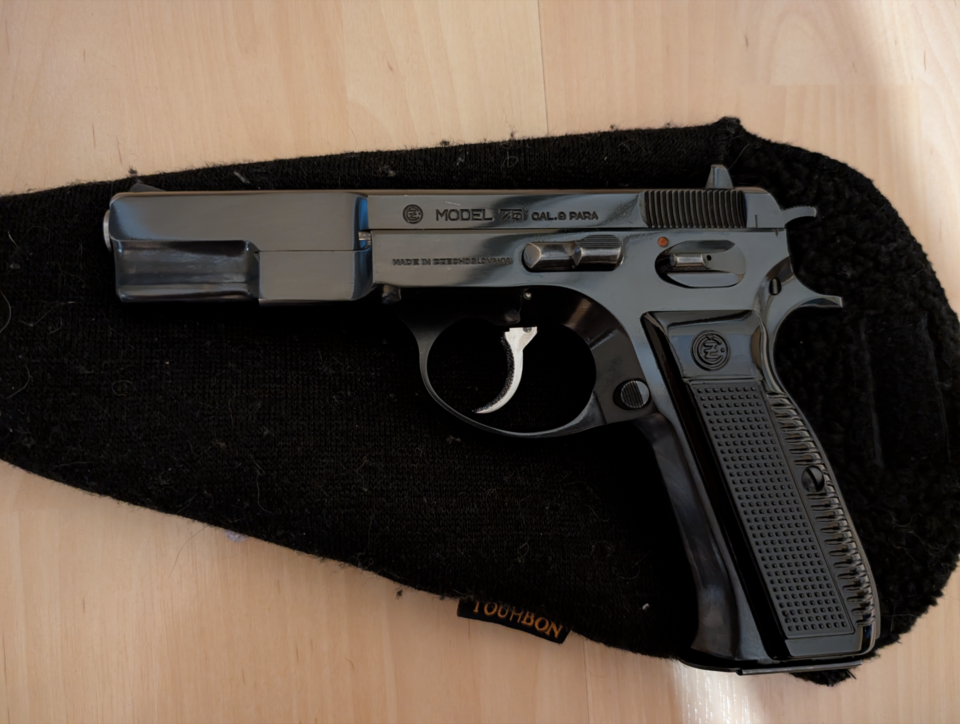
2. Steel pistols stay composed in rapid follow-up shots
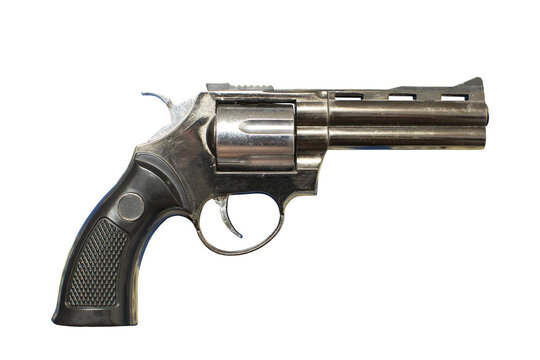
Range use rewards guns that return to target predictably. Steel frames tend to resist abrupt muzzle movement, which can make transitions and follow-up shots feel more deliberate and less hurried. The effect is especially noticeable in full-size designs with long sight radius and substantial dust covers. The CZ 75’s smooth recoil impulse is often cited as a core reason it remains popular for range work. Its weight and low, hand-filling profile do not eliminate recoil, but they help turn it into a more manageable pattern.
3. Ergonomics often matter more than frame material alone
Frame material gets most of the attention, but the hand does not interact with material in isolation. Grip shape, contour, palm contact, and how well the support hand locks in can change the entire shooting experience. Steel pistols, especially classic designs, often use slimmer grip geometry and more sculpted contours that many shooters find easier to control. That difference shows up clearly in discussions of perceived recoil, where grip fit is described as a major factor alongside weight and bore axis. A pistol that fills the hand correctly can feel calmer, even before any stopwatch comes out.
4. Long practice sessions favor stability over lightness
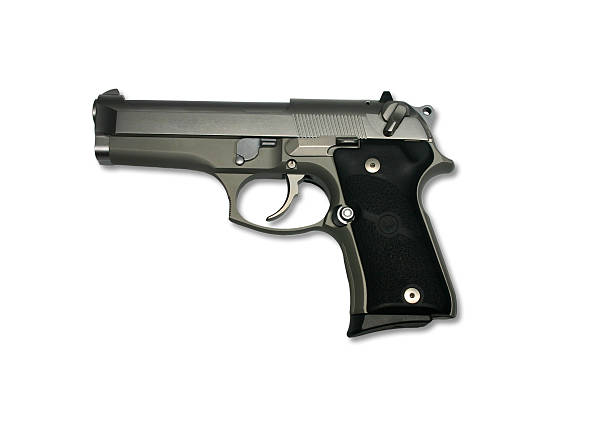
A carry gun benefits from being easy to wear. A range gun benefits from being easy to shoot well for hours. Those are not the same job. Steel-frame pistols shine during extended sessions because they settle the shooter down instead of demanding constant correction. Fatigue still arrives, but the gun itself is less likely to feel twitchy as concentration fades. That makes steel a practical choice for training days built around repetition rather than portability.
5. Heat is less of a practical concern than many shooters assume
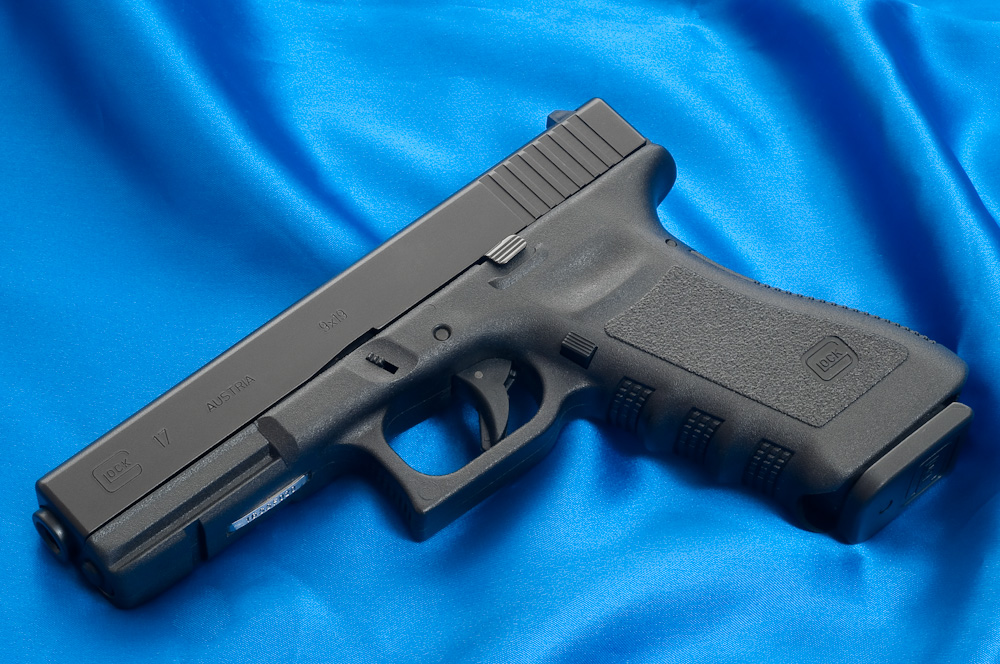
Pistols can get hot during long strings, but practical range use rarely pushes a quality handgun anywhere near the kind of temperature that damages a barrel. Competitive shooters discussing sustained fire describe pistols becoming very hot to the touch without seeing meaningful barrel failure or severe accuracy loss. One experienced shooter even described a Glock 17 with over 100,000 rounds whose rifling still looked strong and whose accuracy remained serviceable.
Steel does not make a pistol immune to heat, but steel-frame range guns are often built around extended use, and their heft helps them feel more substantial when the round count climbs. For the kind of firing most range shooters actually do, the platform is usually limited by comfort and maintenance, not heat damage.
6. All-steel construction rewards precision-oriented shooting
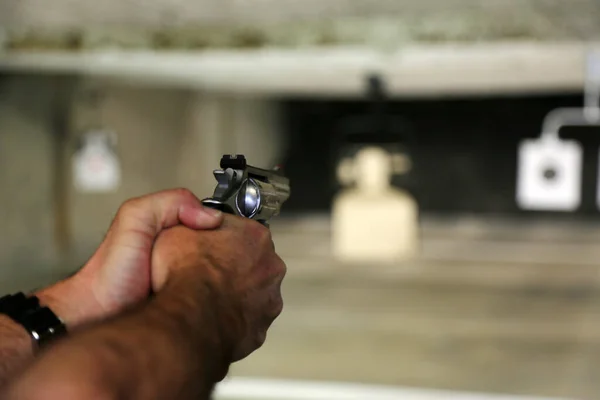
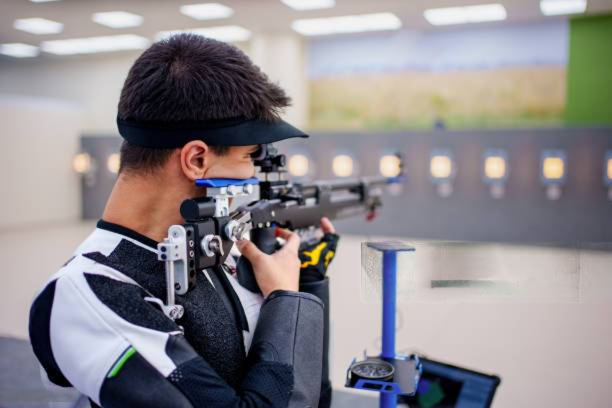
A pistol used for target work benefits from consistency. Steel frames tend to provide a planted feel at the start of the trigger press and a steady return after the shot breaks. That steadiness can make slow-fire groups easier to manage and can reduce the sensation that the pistol is shifting in the hands between shots. In practical terms, steel’s advantage is less about raw mechanical accuracy than about how calmly the gun behaves. A stable platform makes it easier to call shots, notice small sight errors, and refine trigger control.
7. Classic steel designs age well under high round counts
Range pistols live hard lives. They are loaded, fired, cleaned, and fired again over years, sometimes decades. In that role, steel’s reputation for longevity still carries weight. Competitive shooters discussing pistol wear note that service pistols often remain useful for well into the tens of thousands of rounds, with wear showing up as gradual loosening rather than sudden failure. That slow, predictable aging suits a dedicated range gun. A steel-frame pistol often feels like a machine meant to be maintained and kept running, not simply replaced when use becomes heavy.
8. Trigger systems on many steel pistols are still range favorites
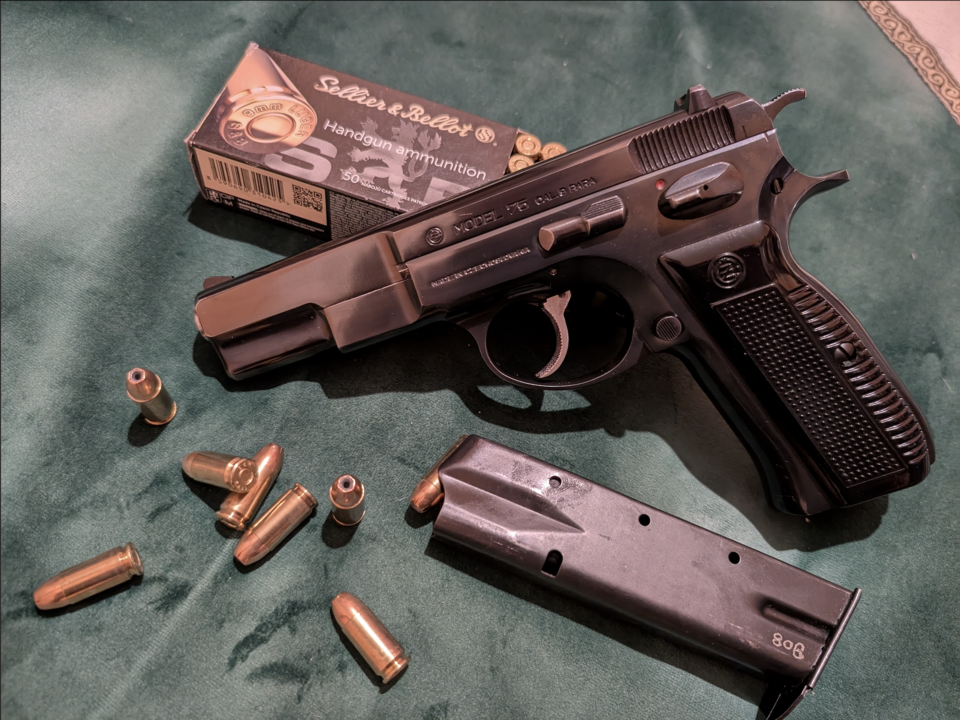
Many of the most respected steel handguns come from design eras that prioritized shootability above modularity. Single-action and refined double-action/single-action systems remain popular because they offer clean break characteristics and strong control over deliberate shots. That is one reason classics such as the 1911 and CZ 75 continue to attract shooters long after lighter platforms took over the duty market. The double-action/single-action trigger of the CZ 75 remains part of that appeal. On the range, a good trigger can matter as much as capacity or accessory compatibility.
9. Steel guns often feel better balanced in the hand
Balance is harder to measure than weight, but shooters notice it immediately. A steel-frame pistol often carries its mass low and evenly, which can make the gun feel less top-heavy through recoil and less abrupt during presentation. That balance is one reason older full-size handguns continue to feel “right” to many shooters even when newer designs offer more features. The result is not just comfort. Better balance can improve rhythm, especially in drills where the pistol is fired, lowered, and brought back on target again and again.
10. Range use rewards shooting character, not just efficiency
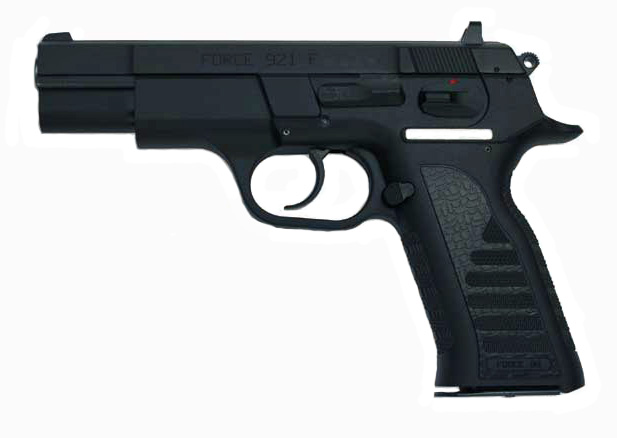
Polymer frames dominate where low weight, corrosion resistance, and easy carry matter most. The range asks a different question: which gun makes sustained shooting more controllable, more comfortable, and easier to repeat well? Steel-frame pistols answer that with mass, stability, mature ergonomics, and a shooting feel that many newer designs still chase. Their advantage is not nostalgia. It is the simple fact that when a handgun is judged mainly by how it behaves during long practice and careful shooting, steel still holds a very strong case.
That does not make polymer obsolete. It only shows that range performance is not the same as carry convenience. For shooters spending most of their time on paper, steel-frame pistols remain relevant because they keep recoil manageable, stay settled in the hand, and turn long sessions into more productive ones. Those qualities are why the old formula continues to endure.


