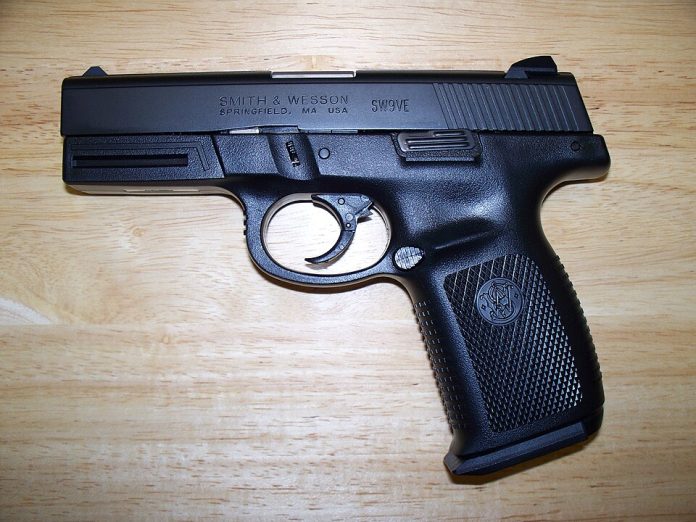
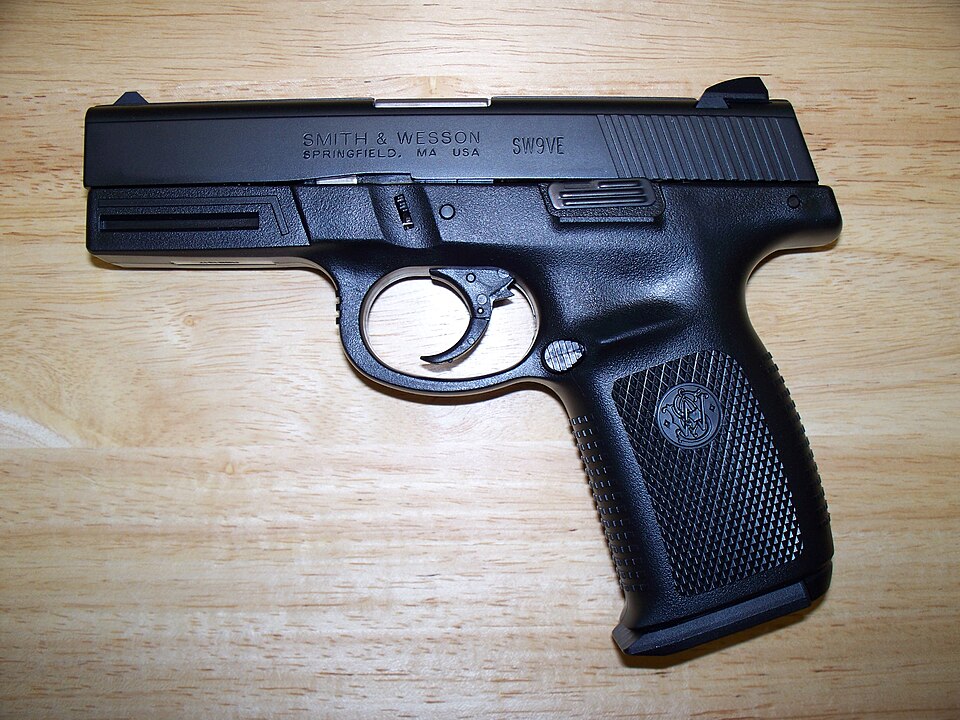
The 9mm pistol did not become the dominant handgun format by accident. Its rise came from a long chain of design decisions: how a cartridge feeds from a magazine, how a grip fits the hand, how a trigger system balances speed and safety, and how a service sidearm survives hard use. Some pistols introduced features that looked unusual in their own time but later became normal. Others proved that durability, magazine capacity, controllability, or modular updates mattered more than tradition. Together, they created the blueprint modern handguns still use.
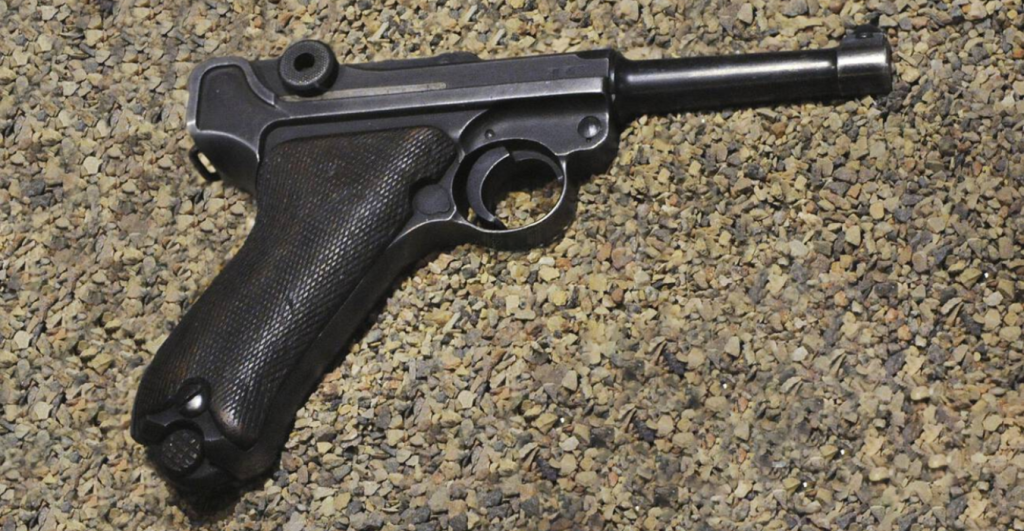
1. Luger P.08
The starting point is the pistol that gave the cartridge its identity. The Luger P.08 was built around the 9×19mm Parabellum cartridge designed by Georg Luger, and that pairing set the course for more than a century of handgun development.
Its toggle-lock system was mechanically distinctive, but its lasting influence came from something more basic: it established 9mm as a practical autoloading pistol round with moderate recoil, useful range, and packaging that fit efficiently into a self-loading handgun. Later pistols would abandon the Luger’s complex action, but they kept the cartridge. That decision alone shaped the entire category.
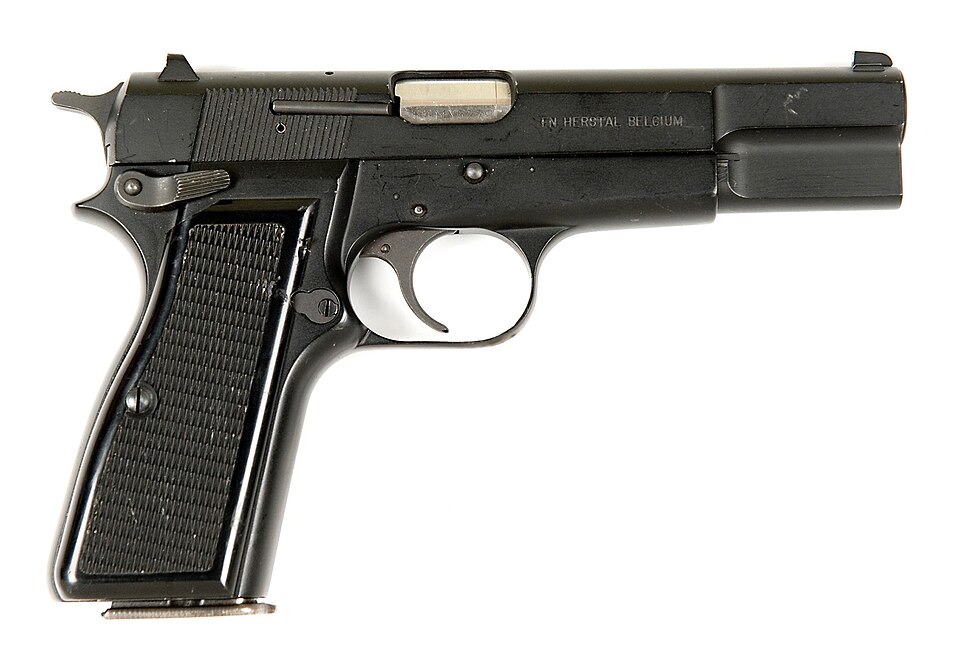
2. Browning Hi-Power
The Browning Hi-Power changed expectations about capacity. Introduced in 1935, it became famous for a 13-round double-stack magazine at a time when many service pistols carried far less, and its 13-round magazine capacity helped define what “high capacity” meant for decades.
Just as important, it showed that a fighting pistol could offer strong ergonomics without becoming bulky. The Hi-Power’s grip shape, short-recoil operation, and broad military use made it one of the clearest ancestors of the later “wonder nine” formula. Even many modern steel and polymer pistols still follow the same capacity-plus-control logic it popularized.
3. Walther P.38
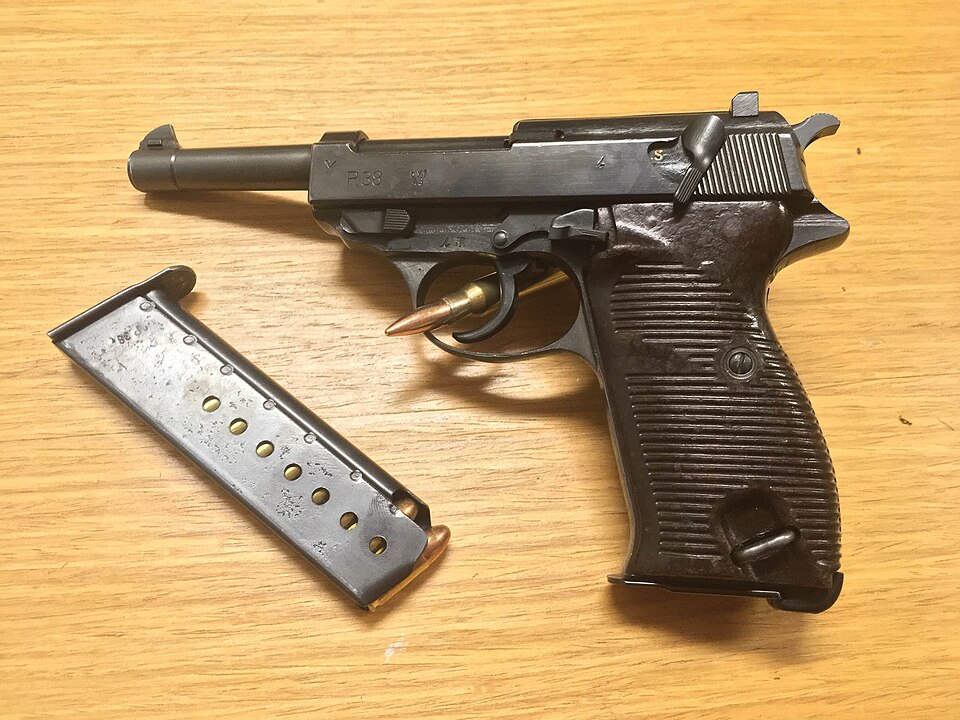
The Walther P.38 helped normalize the double-action/single-action service pistol. Its decocker and safer hammer-down carry mode represented a major departure from older single-action military handguns. That operating concept mattered far beyond the pistol itself. Later duty guns from Beretta, SIG, and Smith & Wesson would all work within the same general framework: first-shot double action, subsequent single action, with controls designed for administrative safety and field practicality. The P.38 did not invent every element in isolation, but it proved the system belonged in a military sidearm.
4. Smith & Wesson Model 39
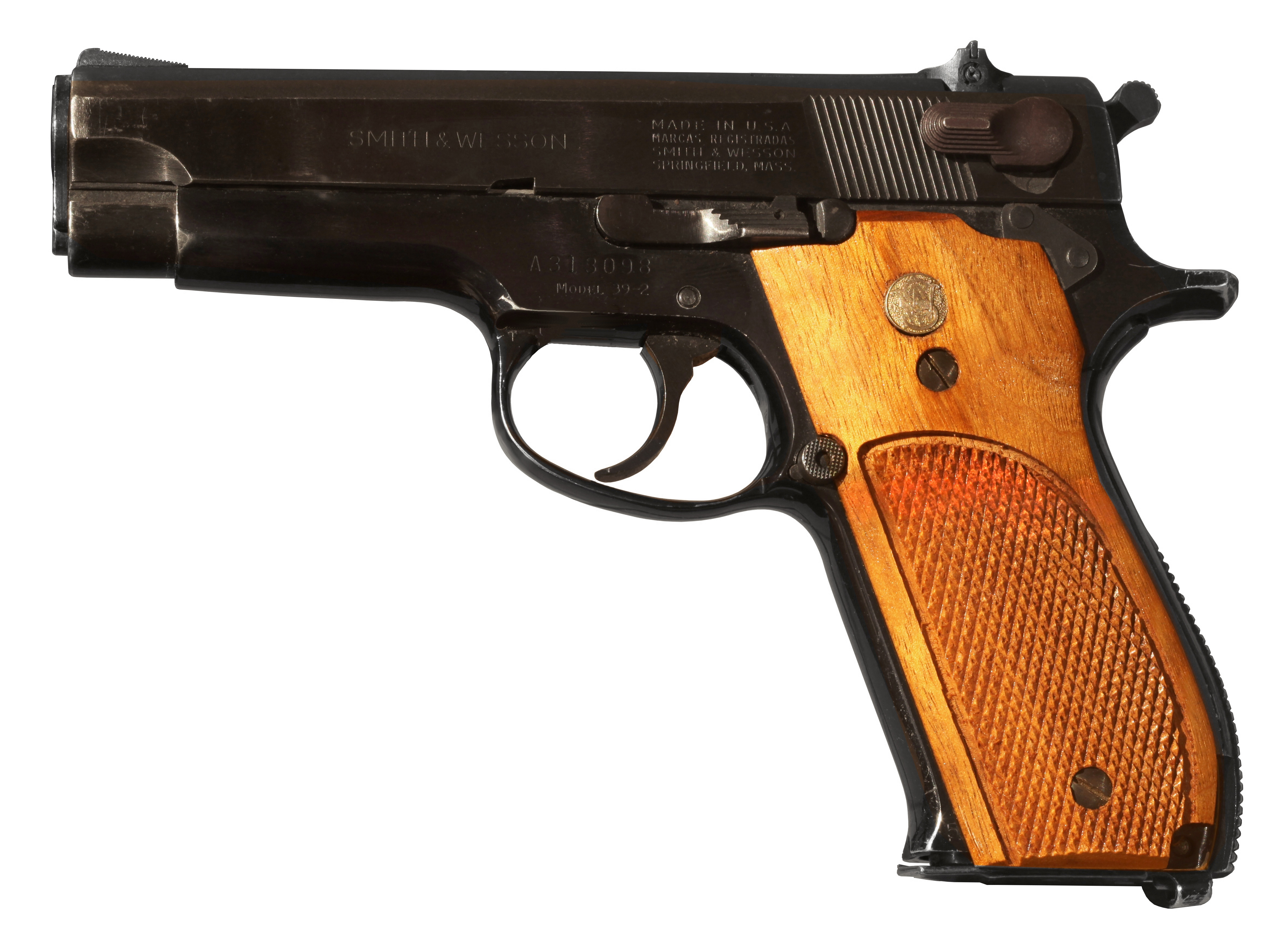
The Model 39 was one of the clearest bridges between older service pistols and the American transition to 9mm semi-autos. It brought DA/SA operation and slim autoloading form into mainstream U.S. law-enforcement thinking at a time when revolvers still dominated.
Its influence shows up in policy as much as engineering. The broader shift toward 9mm in American policing was foreshadowed by the Illinois State Police adopting the Smith & Wesson Model 39 in 1968. That move helped demonstrate that a semi-automatic 9mm could be a duty gun, not just an alternative.
5. Smith & Wesson Model 59
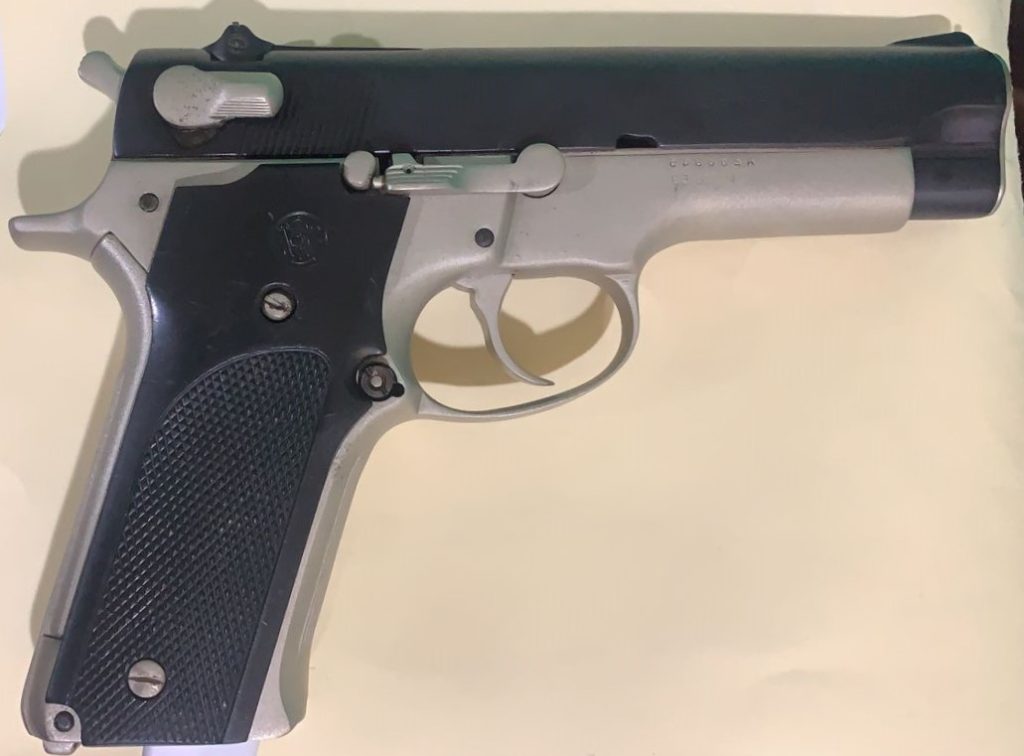
If the Model 39 opened the door, the Model 59 widened it. By combining a double-action trigger system with a double-stack magazine, it pushed American shooters and police agencies toward the high-capacity 9mm concept that would dominate the following decades.
This was one of the pistols that made the “wonder nine” idea tangible: more rounds on board, flatter reloads from box magazines, and recoil characteristics that encouraged faster follow-up shots than many revolver platforms. Modern full-size duty pistols still follow that same template.
6. Beretta 92F / M9
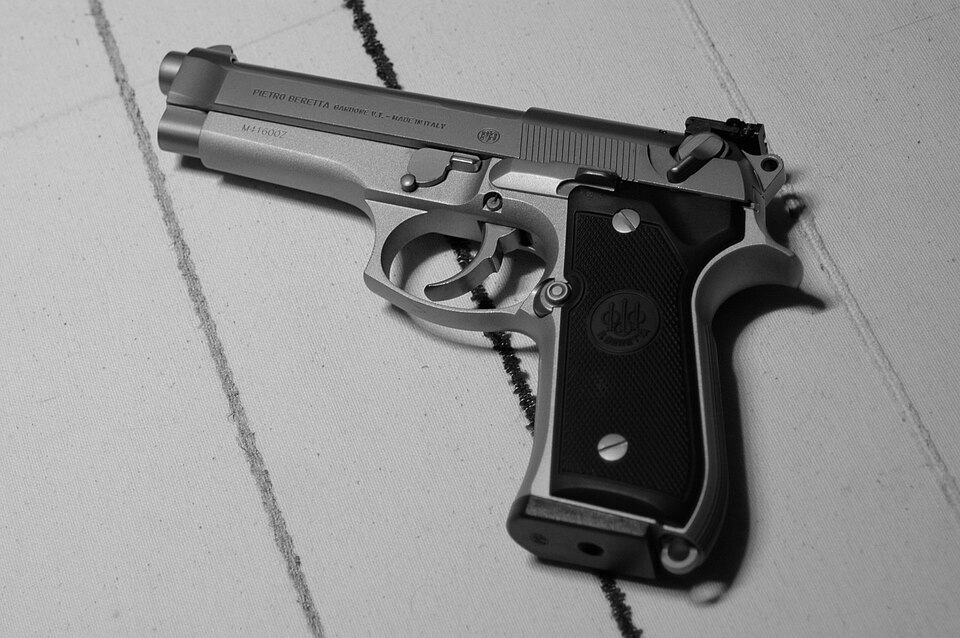
The Beretta 92 family turned the high-capacity service pistol into an institutional standard. Its open-slide design, locking block system, large grip frame, and 15-round magazine made it one of the most recognizable 9mm pistols ever fielded.
Its deeper influence came from endurance and scale. In the XM9 trials, the Beretta 92F was adopted as the M9 in 1985, and that gave the design enormous visibility. The later M9A1 also reflected a pattern that became standard across the industry: legacy pistols updated with accessory rails, improved magazines, and longer-life internal components rather than replaced outright at the first sign of age.
7. Glock 17
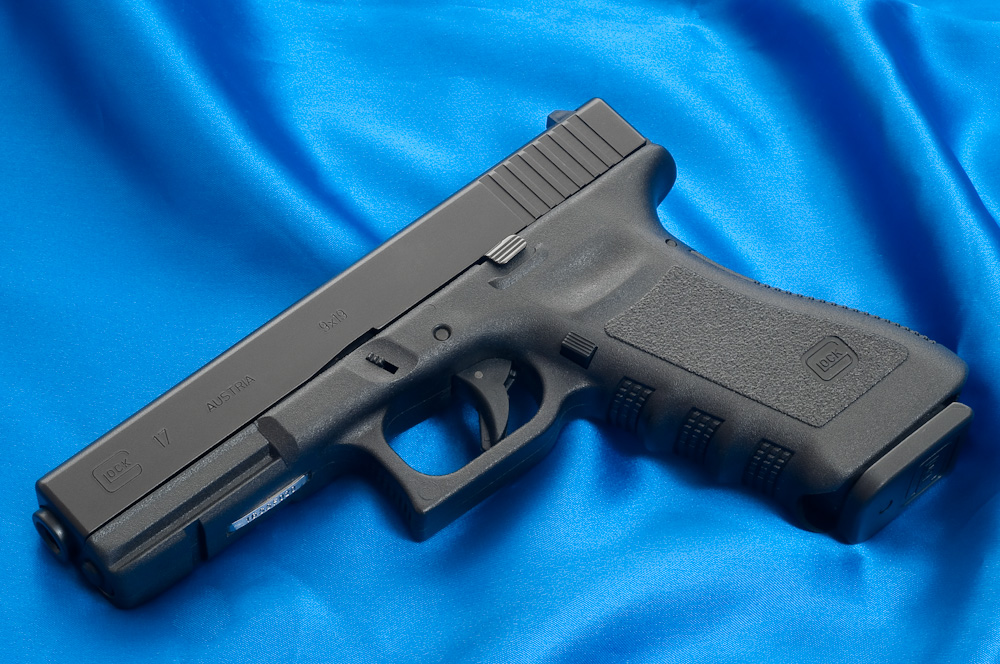
The Glock 17 changed the center of gravity of handgun design. It paired a polymer frame with a striker-fired system, a 17-round magazine, and a famously low parts count. According to Handguns, the original design used just 34 separate parts.
That simplicity had consequences across the market. The Glock showed that a duty pistol could be lighter, easier to maintain, consistent in trigger pull, and rugged enough for harsh testing. Later additions across its generations, including accessory rails, interchangeable backstraps, ambidextrous controls, flared magwells, and optics-ready MOS slides, map almost perfectly onto the feature list buyers now expect in a modern service pistol.
8. SIG Sauer P226
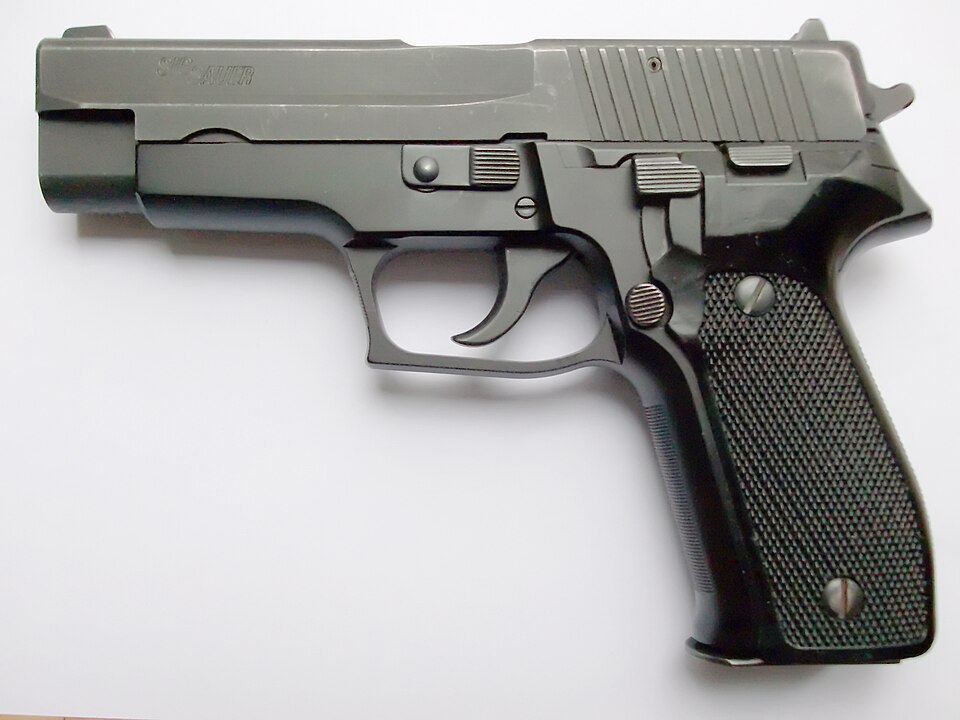
The P226 proved that refinement could be as influential as disruption. It was not the XM9 winner, but its performance in those trials cemented its reputation as a top-tier service pistol and helped establish the premium DA/SA format that many agencies and specialized units favored for years.
Its full-size frame, high magazine capacity, strong reliability record, and excellent practical accuracy became benchmarks for duty sidearms. Many later pistols chased the same balance: smooth shooting, durable construction, and controls suited to professional users without sacrificing combat reliability.
9. CZ 75
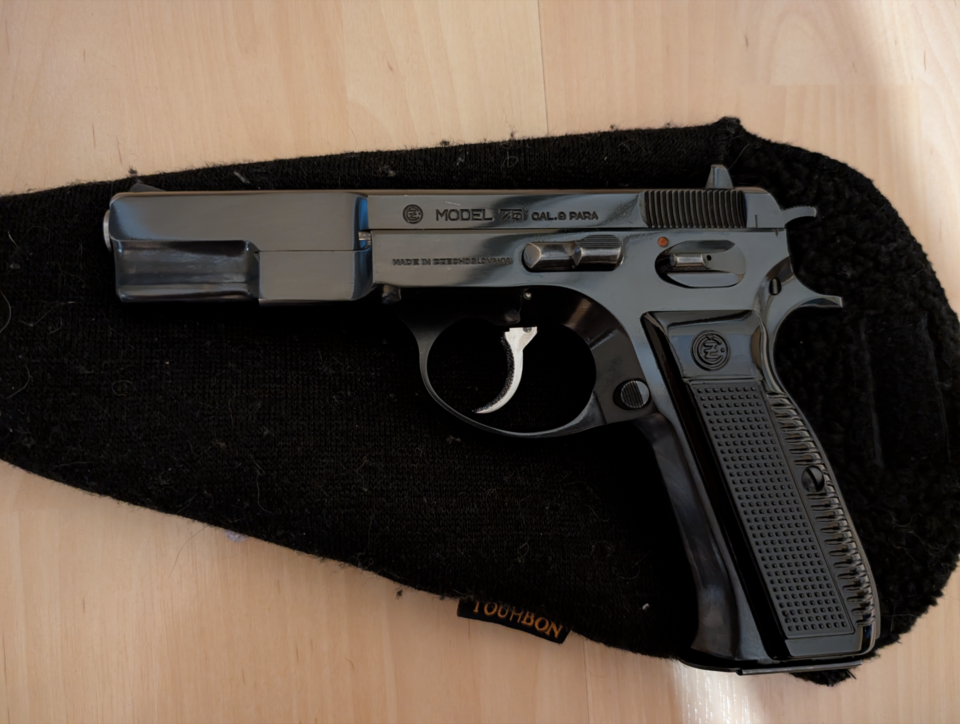
The CZ 75 brought together ergonomics, capacity, and shootability in a way that designers still study. Its inside-the-frame slide rails gave it a low bore feel in the hand, while its grip contour earned a reputation for natural pointing. It also proved that a high-capacity all-steel pistol could remain controllable and fast. The pistol’s descendants influenced competition guns, defensive pistols, and countless clones, making the CZ 75 one of the quiet giants of 9mm design history.
10. SIG Sauer P365
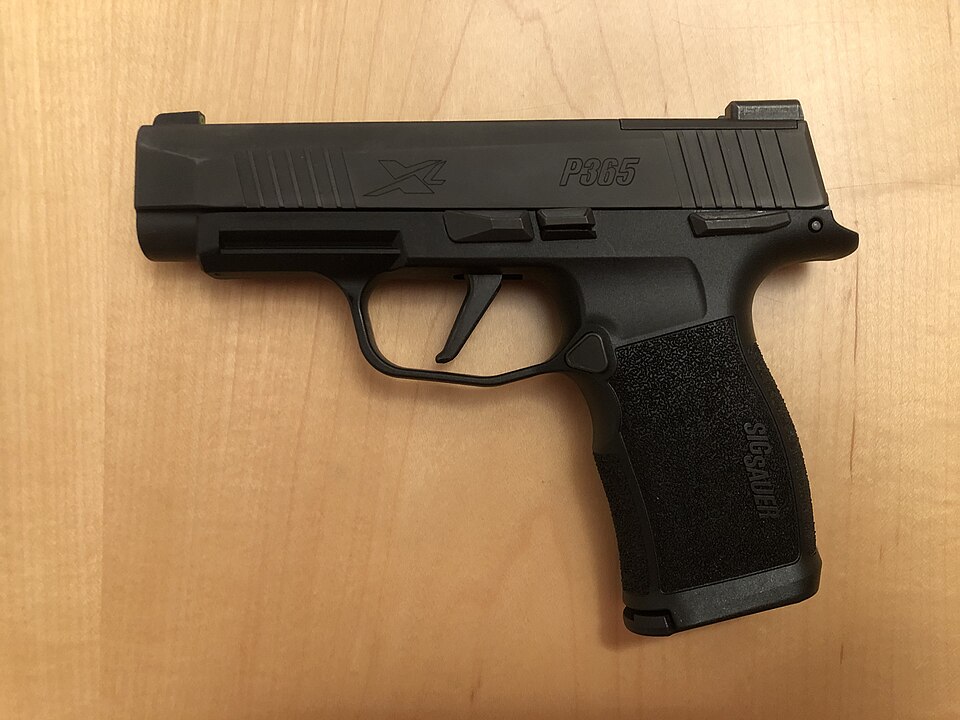
The P365 reset expectations for size-to-capacity efficiency. Instead of treating compact carry pistols as reduced-capacity compromises, it showed that a very small 9mm could still deliver serious onboard ammunition in a practical everyday format. That shift spread quickly through the concealed-carry market. The modern micro-compact category now assumes that slim pistols should still offer double-digit capacity, usable sights, and accessory compatibility. That expectation exists because the P365 made older carry tradeoffs look outdated.
These pistols do not all resemble one another, and they do not belong to one design school. Some are steel-framed classics, some are alloy duty guns, and some are polymer benchmarks. What connects them is that each moved the standard forward in a lasting way. Modern 9mm handguns still trace their priorities back to this lineage: practical recoil, efficient magazine design, reliable locked-breech operation, safer carry systems, adaptable ergonomics, and ever-higher usefulness per ounce of gun. The details changed. The template stayed.


