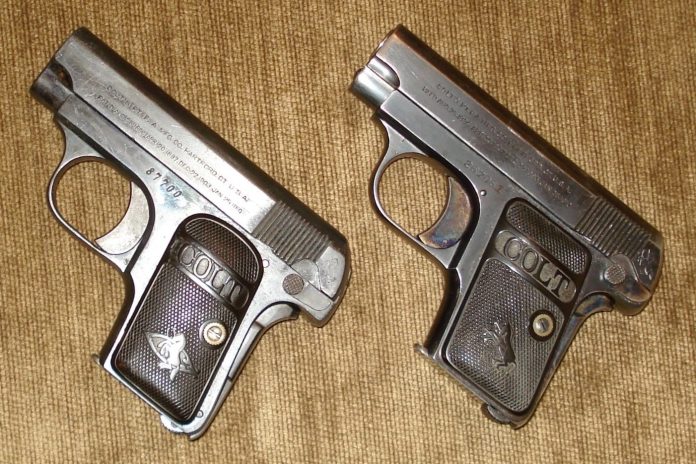
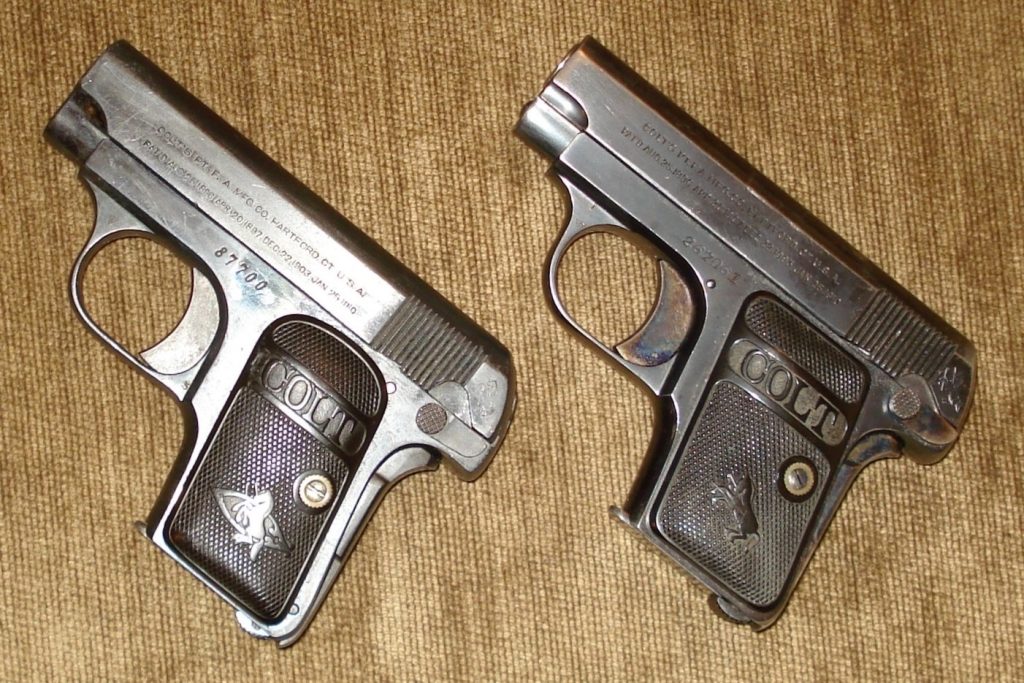
Pocket pistols compress a difficult ballistic problem into the smallest possible package. Their appeal is obvious: low weight, easy concealment, and simple carry. Their challenge is less visible, because the limitation begins before the bullet even leaves the muzzle.
In very short barrels, ammunition has less distance to build speed, and small handgun cartridges already operate with a narrow performance margin. That is why rounds that look acceptable on packaging or in larger pistols can behave very differently once they are fired from a subcompact barrel and driven through clothing into gel.
1. Short barrels cut velocity where small calibers need it most
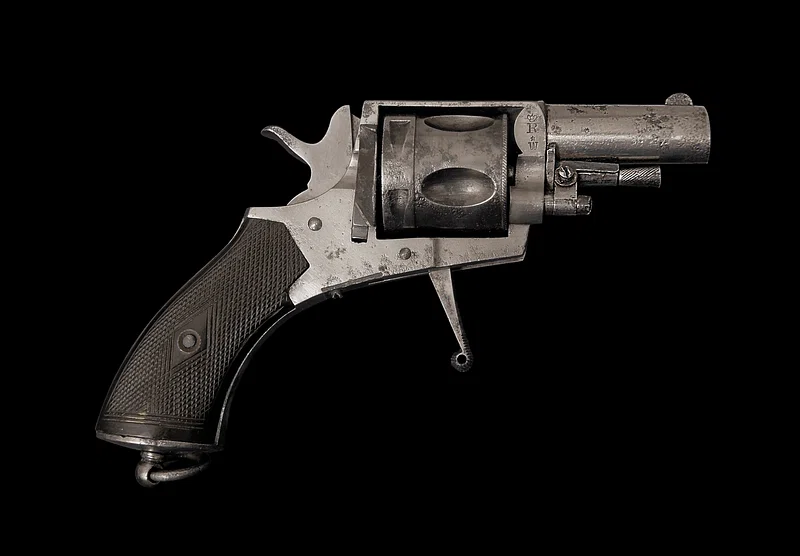
The central problem is acceleration distance. A compact cartridge depends on expanding gas to push the bullet to useful speed, but a pocket pistol may offer less than three inches of barrel for that process to finish. When the barrel shrinks, the bullet leaves earlier, often before it has gained the velocity its design expects. That loss is not trivial. In one comparison, a 4.4-inch barrel produced an average 126 fps increase over a 1.9-inch snub with .22 LR. In .32 ACP testing, moving from a 2.7-inch barrel to 3.8 inches added roughly 129 fps. In a service caliber, that might be a moderate loss. In a pocket caliber, it can define whether the bullet expands, under-penetrates, or simply acts like a solid.
2. Hollow points depend on a narrow velocity window
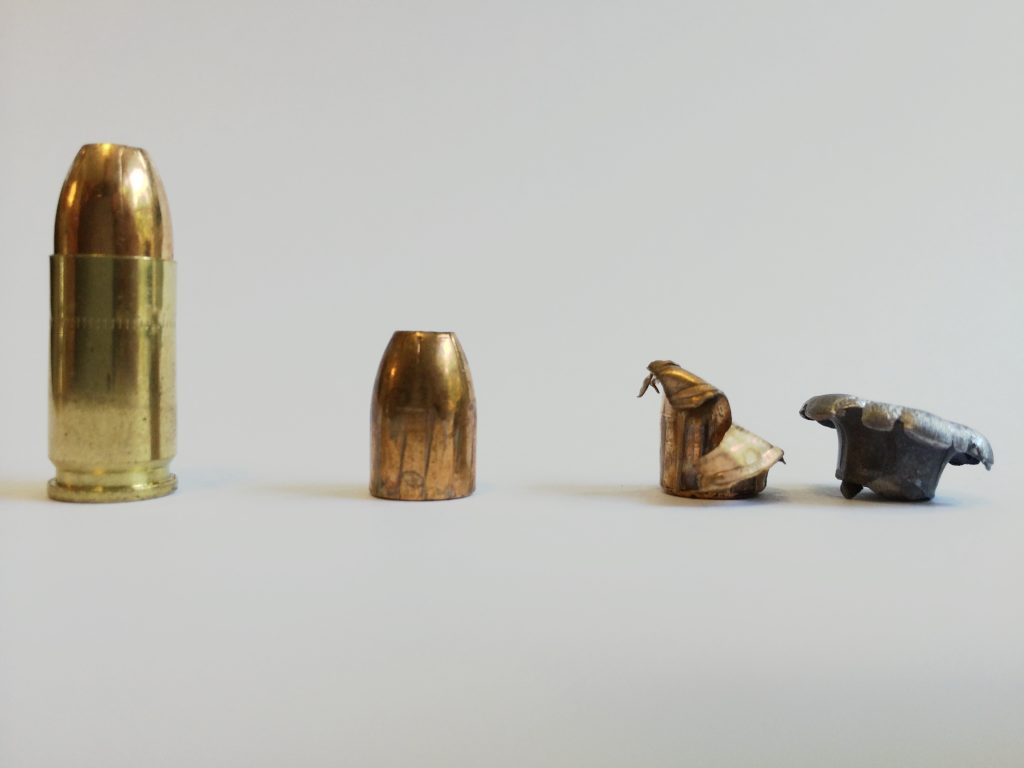
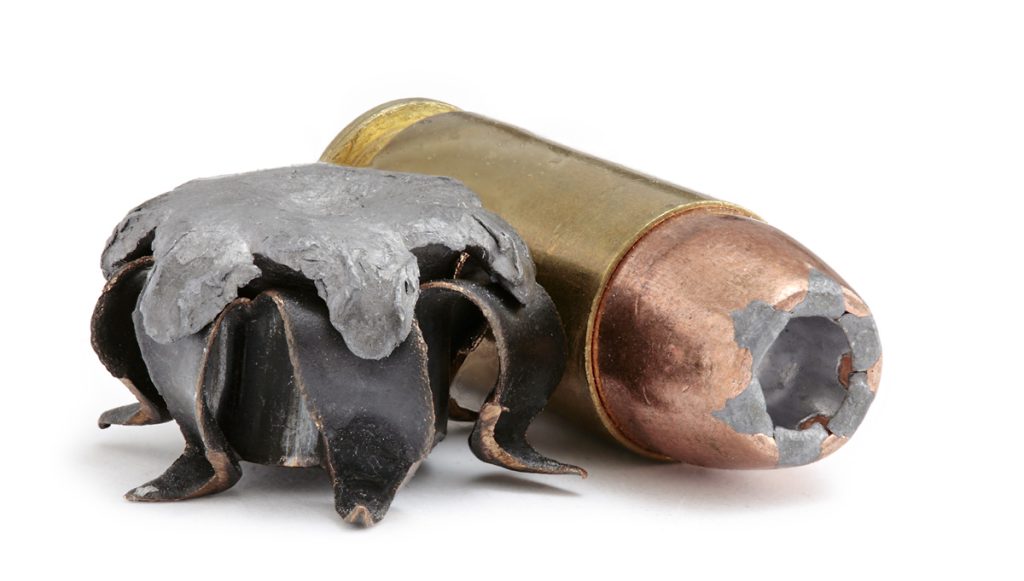
Hollow-point ammunition is built around controlled deformation, but deformation is not automatic. It depends on impact speed, jacket thickness, cavity geometry, and what the bullet hits first. A hollow tip is only the beginning of the engineering. As one forum discussion put it, “All hollow points are sensitive to velocity and bullet design.” That matters more in pocket pistols than in larger handguns because the shorter platform is more likely to push the bullet below its intended operating threshold. Once that happens, expansion can become partial, inconsistent, or absent.
3. Expansion and penetration fight each other in small cartridges
This tradeoff dominates short-barrel testing. Expansion increases frontal area, and larger frontal area creates drag in soft tissue simulants. Drag slows the bullet, and a slow bullet with little mass reserve can run out of momentum before it reaches meaningful depth. That is why many small-caliber loads show a repeating pattern in gel: rounds that expand well often stop early, while rounds that stay narrow tend to penetrate farther. The issue is not whether expansion is desirable in theory. It is that pocket calibers rarely have enough excess energy to buy both reliable mushrooming and deep straight-line travel after impact. In effect, every bit of bullet upset is paid for from the same limited ballistic budget.
4. Heavy clothing can disrupt the bullet before gel even matters
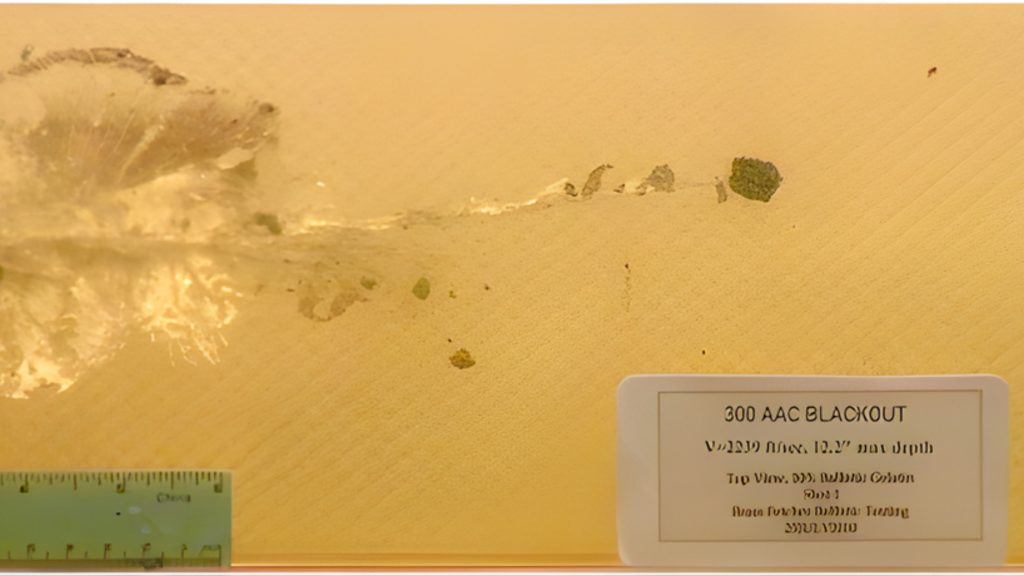
Barrier testing exposes just how narrow that budget really is. Layers of denim or other heavy fabric can clog a hollow-point cavity, delay opening, or produce irregular expansion from one shot to the next. In a more powerful handgun round, the bullet may still carry enough speed to recover. In a tiny pistol, there may be no recovery available. This is one reason the 12- to 18-inch penetration window in ballistic gel is hard to reach for classic pocket cartridges. The bullet must survive the barrier, stay stable, and continue deep enough after any deformation begins.
5. FMJ often penetrates better simply because it stays narrow
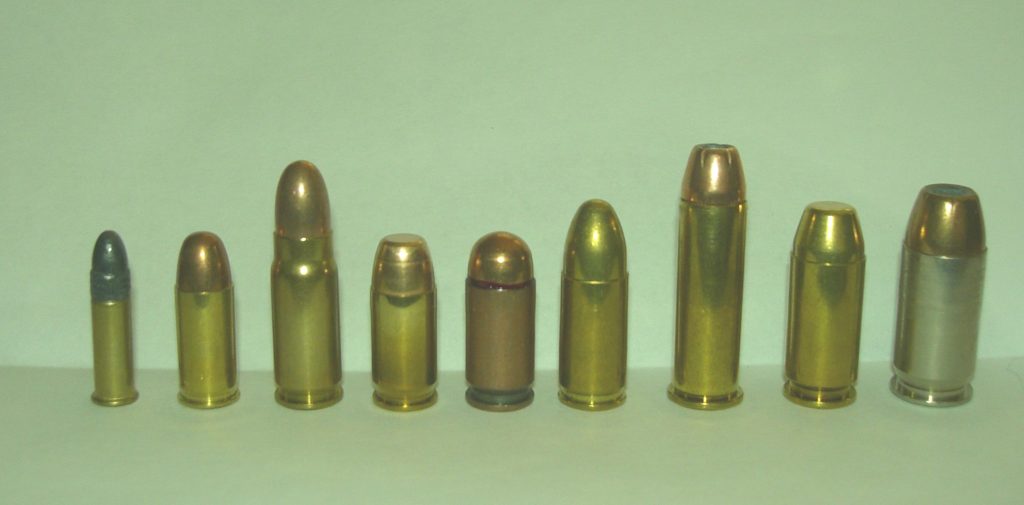
Full metal jacket loads are not sophisticated answers to the problem, but they do avoid the expansion penalty. A non-expanding bullet usually preserves its frontal area, which helps it shed speed more slowly in gel. That can make FMJ look unexpectedly effective in lower-powered pocket calibers. Testing on .32 ACP has shown that the extra 1.05 inches in barrel length made quite a difference in terminal performance, but it also highlighted how load choice changes the result. In many short-barrel scenarios, FMJ reaches depth more consistently than hollow points that either fail to open or open too much for the available velocity.
6. Barrel length changes matter more in pocket pistols than many expect
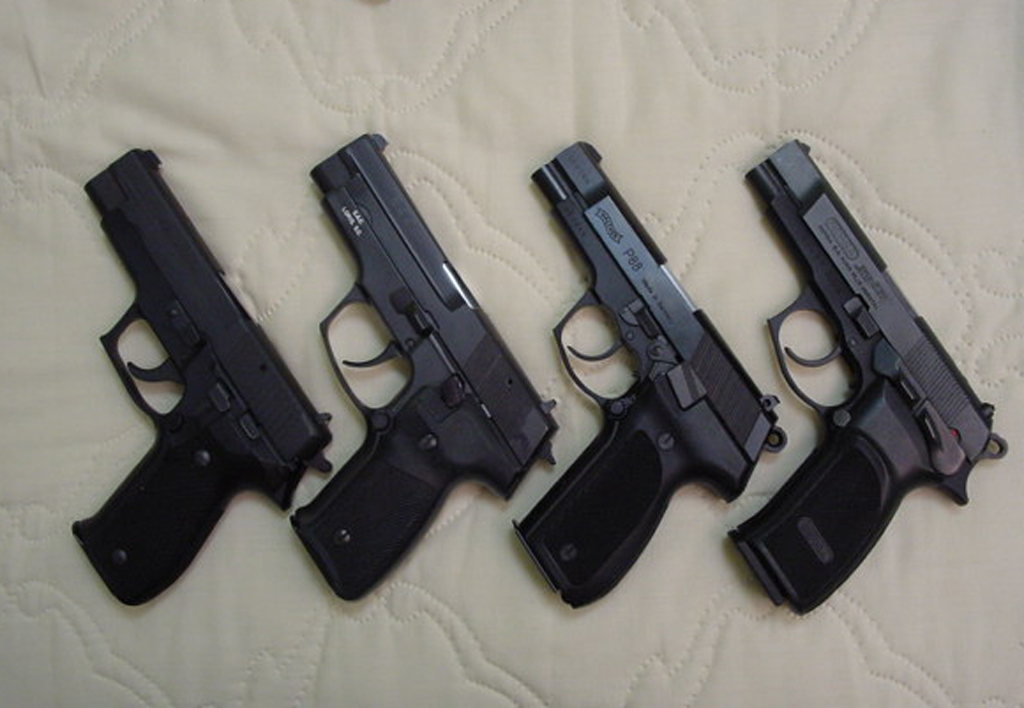
General discussions about barrel shortening often rely on broad rules of thumb, but those rules flatten a much sharper curve at the extreme short end. In a full-size handgun or rifle, losing an inch can be noticeable but manageable. In a pocket pistol, losing an inch may remove a huge fraction of the bullet’s total acceleration path. That is why the gun and the ammunition cannot be separated. The same cartridge can produce one set of results in a 3.75-inch barrel and another in a 2.7-inch barrel. At that scale, the platform itself becomes part of terminal performance.
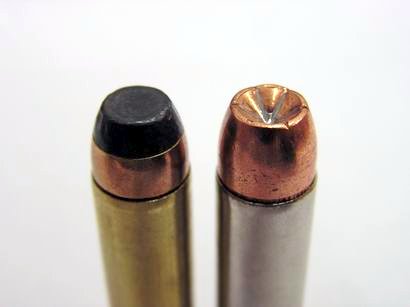
7. Not every hollow-point shape is built to mushroom reliably
Bullet profile can mislead. Some projectiles resemble defensive hollow points but are not optimized for aggressive expansion at low impact speed. That distinction matters in small pistols, where there is little room for design ambiguity. One discussion of hollow-point performance described it plainly: “a results may vary sticker should be slapped on every demonstration of hollow point effectiveness.” In pocket guns, that variability is amplified. A cavity in the nose does not guarantee that the bullet has enough energy, enough structural tuning, or enough resistance profile to expand in a useful and repeatable way.
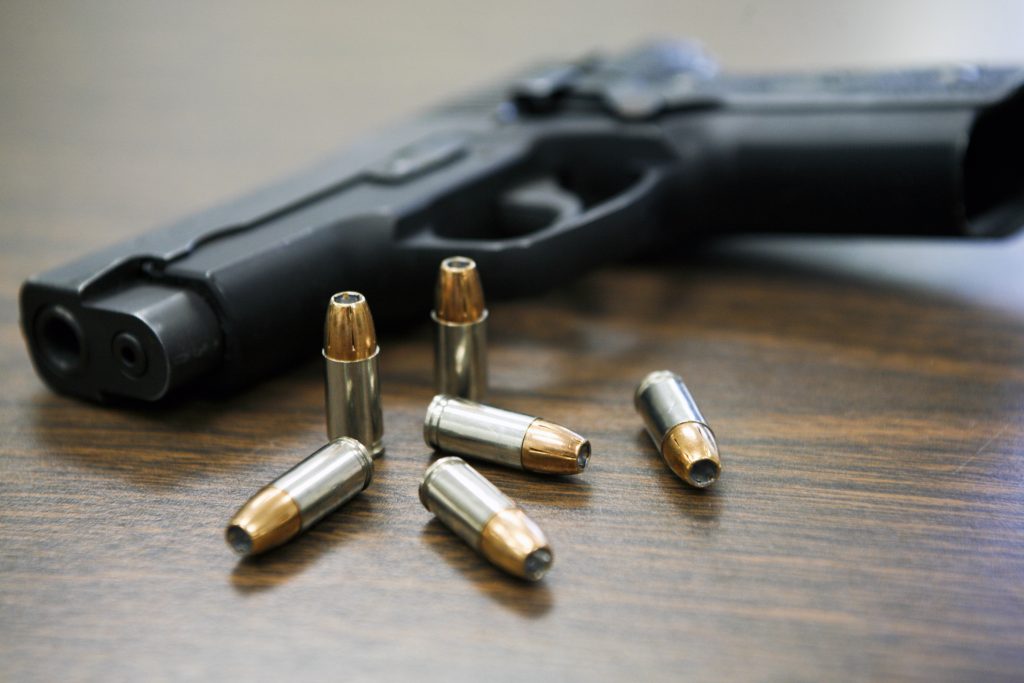
8. The rare successes show how much performance margin really matters
Short-barrel ballistics are not mysterious, and they are not random. Cartridges that start with more velocity and energy tend to tolerate the penalties of expansion and short-barrel loss far better than traditional pocket rounds. When there is enough reserve, the bullet can open and still keep moving. That is the larger lesson. Pocket pistols do not lose effectiveness because of a single flaw. They lose it through accumulation: less barrel, less speed, less bullet mass, more sensitivity to clothing, and less tolerance for imperfect expansion.
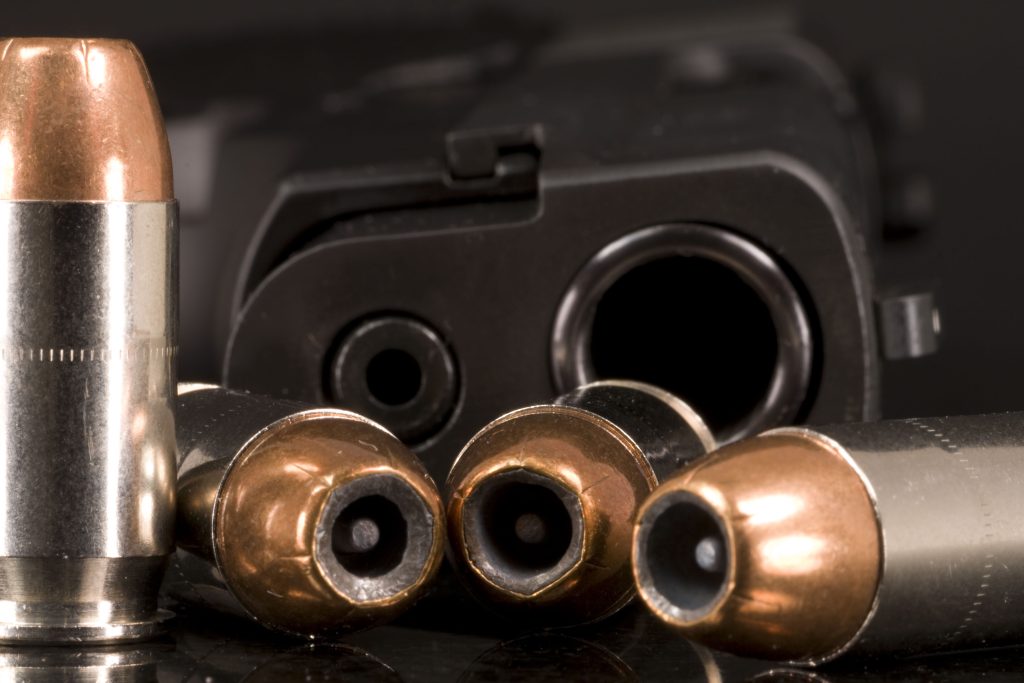
The design remains mechanically useful because concealability solves one problem very well. Terminal performance simply obeys a stricter set of limits. In the smallest handguns, physics leaves little surplus. The cartridge has to launch fast enough, the bullet has to open correctly, and enough momentum has to remain after impact to continue to useful depth. When any step falls short, the entire system feels it.


