Wind does more than spoil a clean trigger press. It exposes weak ballistic profiles, magnifies ranging errors, and makes even accurate rifles look ordinary once the target is far enough away. That is why long-range shooters tend to sort cartridges by more than raw group size. The rounds that keep hits predictable at distance usually combine high ballistic-coefficient bullets, enough velocity to shorten time of flight, and recoil levels that still let the shooter watch impacts and corrections. The calibers below stand out for exactly that reason.
1. 6mm ARC
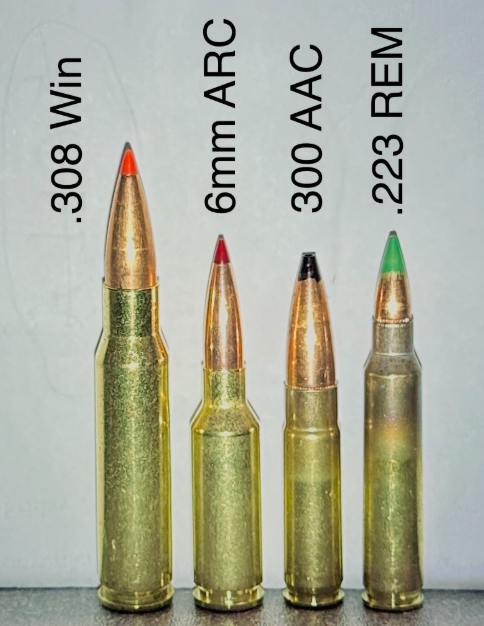
The 6mm ARC earned attention by pushing long-range capability deeper into the AR-15 envelope without jumping to a larger rifle platform. In practical terms, it was built around heavy-for-caliber 6mm bullets with modern shapes, the same formula that has become common in precision matches where wind calls often decide outcomes. In one widely cited setup, the cartridge launches 103- to 108-grain bullets at about 2,750 fps from a 22-inch barrel, which is enough to keep drop and drift manageable while recoil stays mild.
That recoil piece matters. Shooters running awkward barricades or improvised supports often need to see misses in real time, and the ARC’s lighter push makes that easier than many larger cartridges. Its appeal is not just paper ballistics; it is the combination of compact platform, efficient bullet design, and shootability.
2. 6.5 Creedmoor
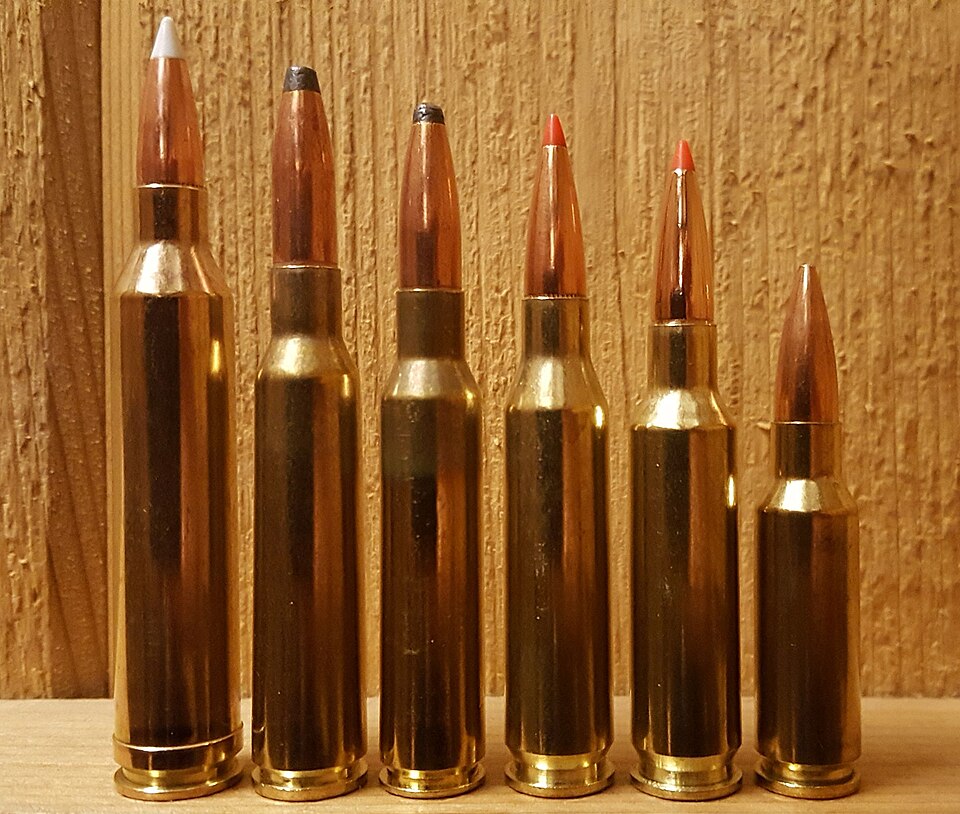
The 6.5 Creedmoor remains one of the clearest examples of how aerodynamic bullets can change a cartridge’s reputation. It was designed around long, sleek 6.5mm projectiles, and that shape advantage still shows up once wind starts moving across the range. Compared with .308 Winchester, the Creedmoor typically carries a flatter trajectory and less drift.
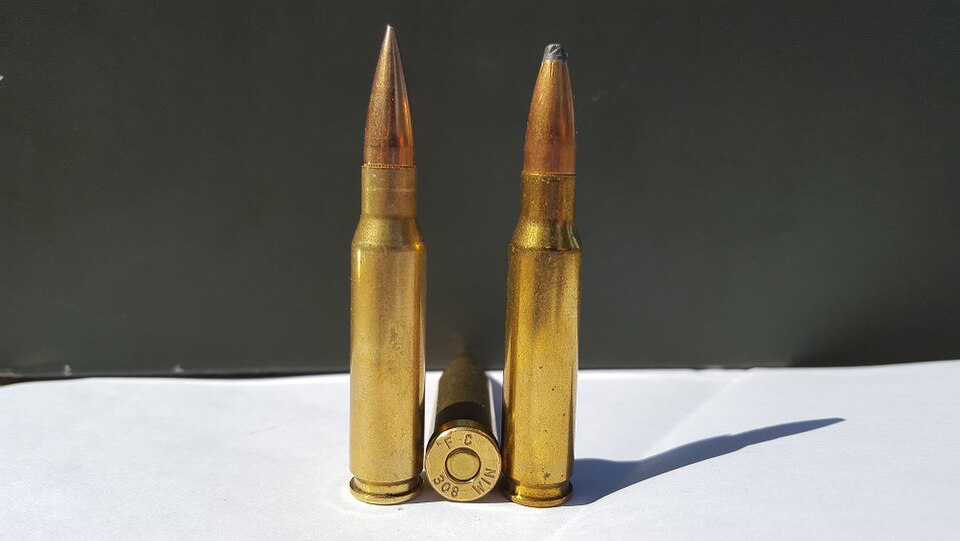
One ballistic comparison showed about 0.4 mil less wind drift at 1,000 yards in a representative match load comparison, along with less recoil. Sports Afield also noted that a 140-grain Creedmoor load at roughly 2700 fps can remain supersonic well past 1,200 yards, which helps preserve stability as distance stretches. It is not the fastest cartridge in this field, but it earns its place because it balances accuracy, barrel life, and controllability unusually well.
3. 6.5 PRC
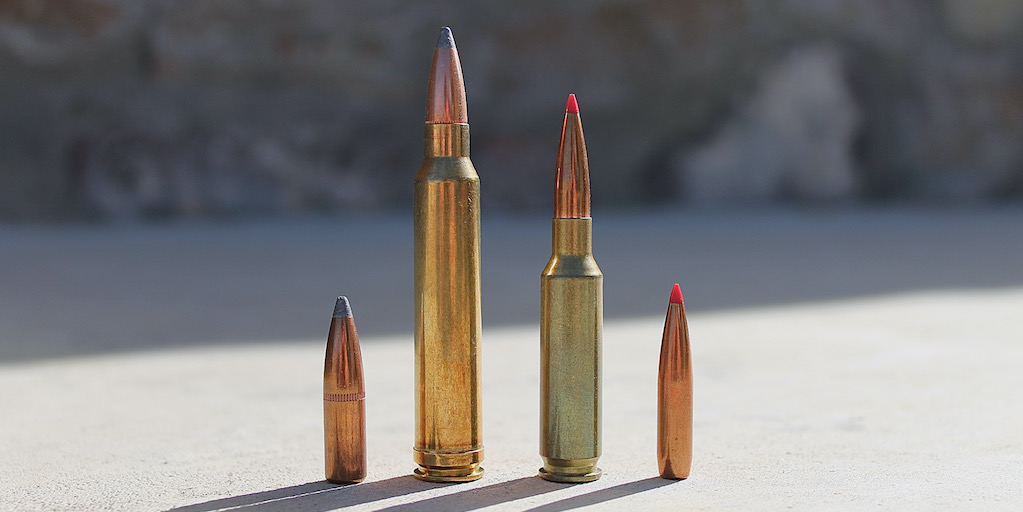
The 6.5 PRC occupies the middle ground many shooters want: faster and harder-hitting than the Creedmoor class, but more restrained than the overbore speedsters. That extra velocity shortens time of flight, and shorter flight means the wind has less time to work.
Hornady’s factory specifications place common loads in the 140- to 147-grain range at roughly 2910 to 2925 fps, and field-oriented summaries continue to place the cartridge among the best all-around long-range 6.5s. A wind table compiled across multiple loads listed 62.3 inches of drift at 1,000 yards in a 10 mph wind on average, substantially better than many legacy standards. That is a major reason the PRC keeps showing up in rifles meant for open-country shooting, where the target may be far enough away for every mph of crosswind to matter.
4. 6.8 Western
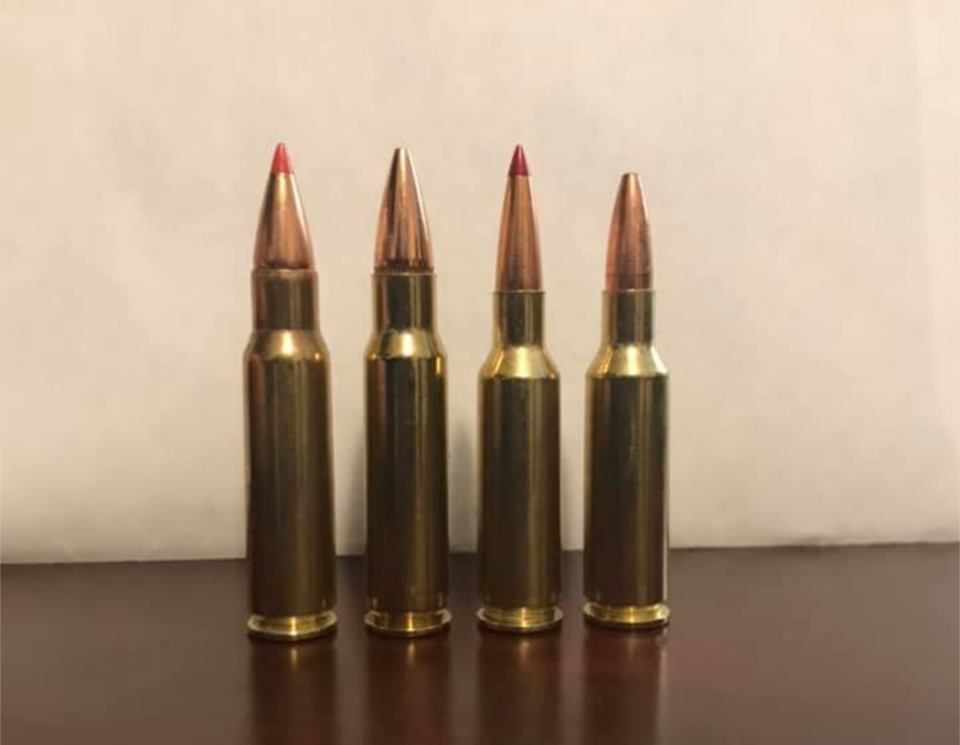
The 6.8 Western was designed to make full use of modern, heavy .277-caliber bullets in a short-action format. Instead of chasing only raw muzzle speed, it leans on fast twist rates and high-BC projectiles to hold onto velocity and resist deflection. That strategy pays off when wind is the real opponent. Average data puts the cartridge at 69.8 inches of drift at 1,000 yards in a 10 mph wind, giving it a measurable edge over many common hunting cartridges.
American Hunter also highlighted its ability to run bullets up to 175 grains, which broadens its usefulness across target and field roles. In practical terms, it behaves like a modern answer to the shooter who wants magnum-like downrange authority without moving all the way into the hardest-kicking class.
5. 7mm Remington Magnum
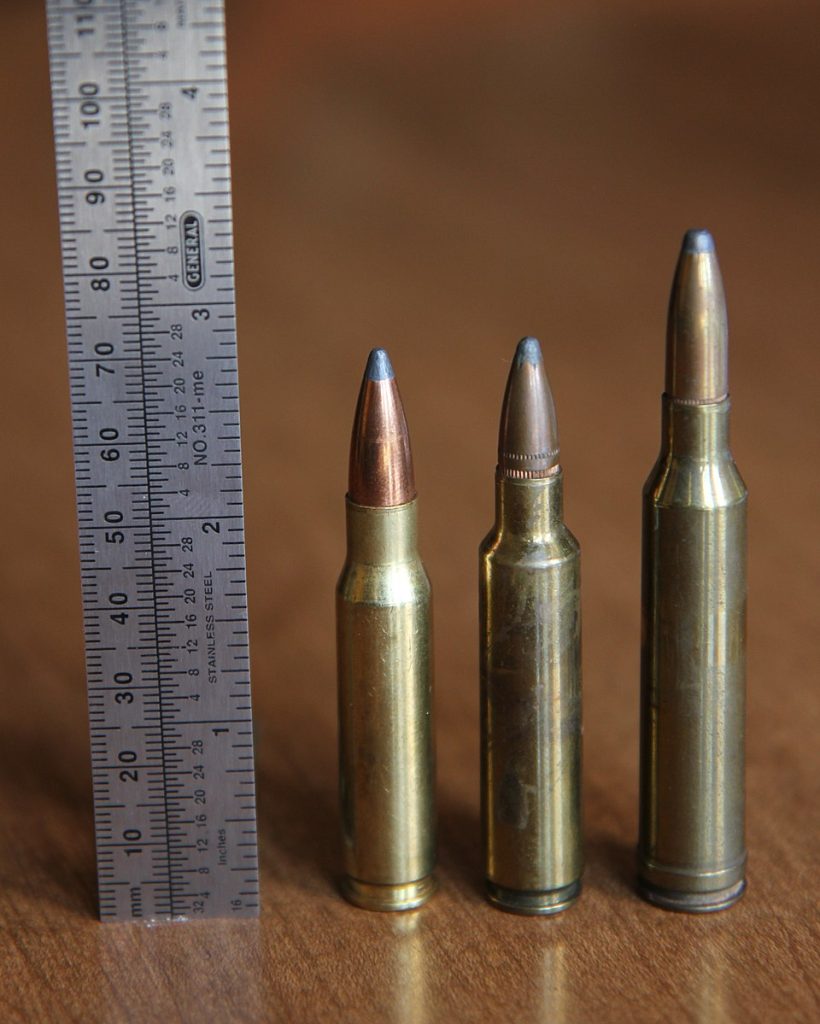
The 7mm Remington Magnum has stayed relevant for decades because it still solves the same problem well: getting streamlined bullets moving fast enough that distance and weather remain manageable. Plenty of newer cartridges have arrived, but this one never really left the conversation.
Its reputation rests on case capacity and bullet selection. With heavy, slippery 7mm bullets, it carries respectable energy while keeping trajectory flat enough for real long-range work. Average wind numbers place it at 69 inches of drift at 1,000 yards in a 10 mph crosswind, nearly identical to some newer designs. That is why it still appears so often in discussions of practical long-range hunting and steel shooting alike.
6. .28 Nosler
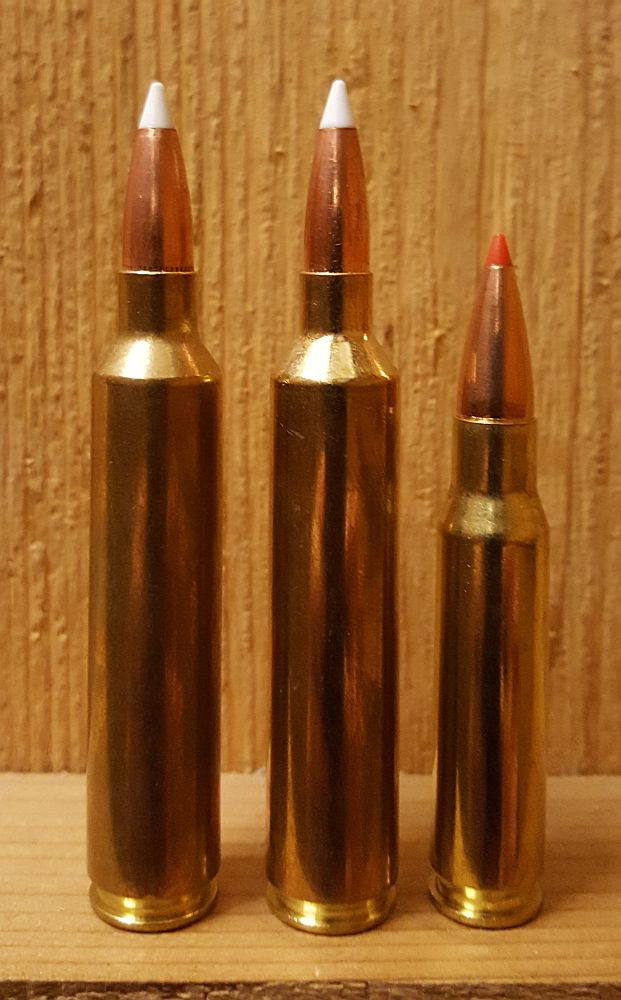
When the goal is minimizing wind deflection with a conventional sporting cartridge, the .28 Nosler belongs near the top of the discussion. It combines strong velocity with the aerodynamic benefits of 7mm bullets, a pairing that is hard to ignore once targets move past ordinary distances.
Backfire’s multi-load comparison listed 56.6 inches of drift at 1,000 yards in a 10 mph full-value wind, putting it among the best performers on the board. American Hunter described it as a cartridge capable of the “hair-splitting accuracy” needed for distant targets while also reducing wind deflection through speed. The tradeoff, of course, is increased recoil and barrel wear compared with milder rounds, but pure ballistic resilience is exactly why it stands out.
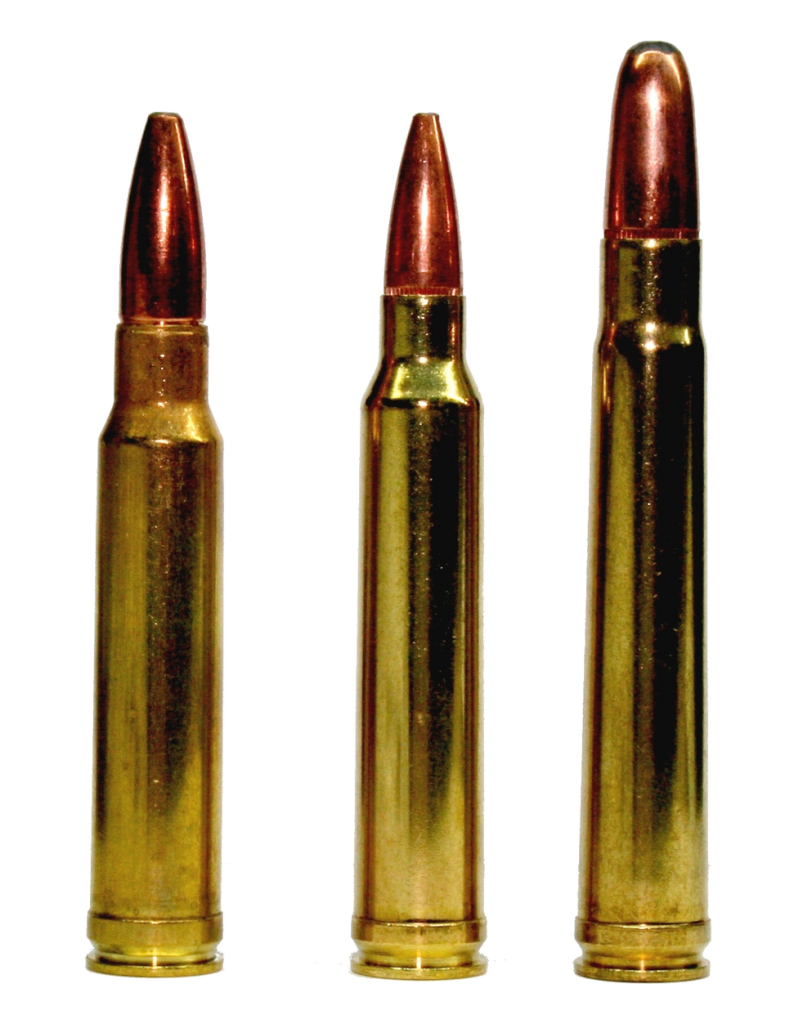
7. .300 Winchester Magnum
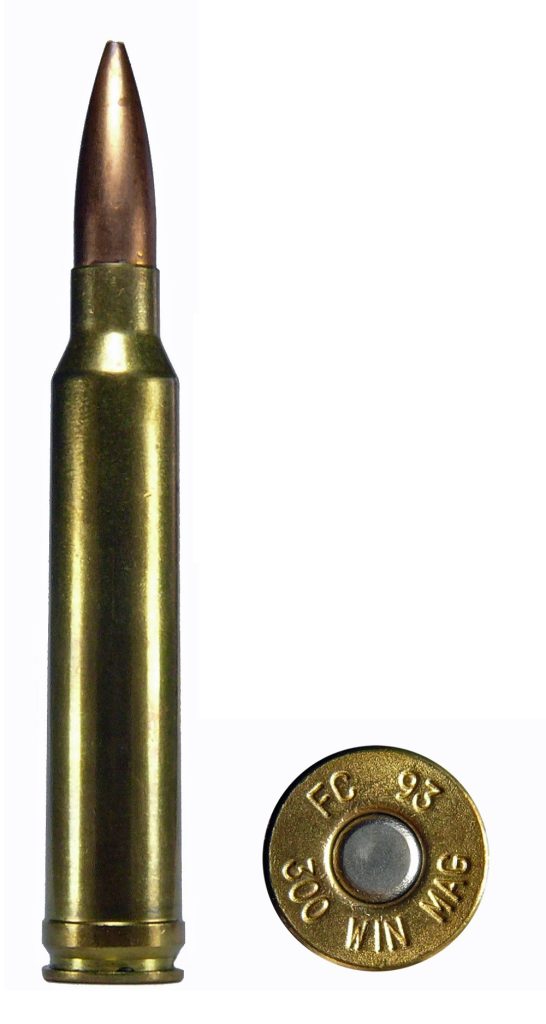
The .300 Winchester Magnum remains one of the classic answers for shooters who want reach, energy, and broad bullet availability in one chambering. It does not always win the drift contest against the sleekest 6.5s and 7mms, but it stays relevant because it can drive a wide spread of bullet weights fast enough to remain serious at long range. American Hunter cited 180-grain bullets at 2960 fps, and that combination helps explain why the cartridge has such a long track record in open-country shooting. Heavier .30-caliber bullets do bring more recoil, yet they also provide impact authority and flexibility that many shooters still value when shots stretch and conditions deteriorate.
No cartridge cancels the wind. The better ones simply reduce how much punishment a bad call delivers. Across this group, the pattern is clear: the most capable long-range calibers rely on efficient bullets, enough speed to cut time of flight, and recoil levels that let the shooter stay in the optic. Some do that in compact platforms like 6mm ARC, while others use magnum case capacity to overpower distance. What they share is a design that remains useful after the easy shots are gone.


