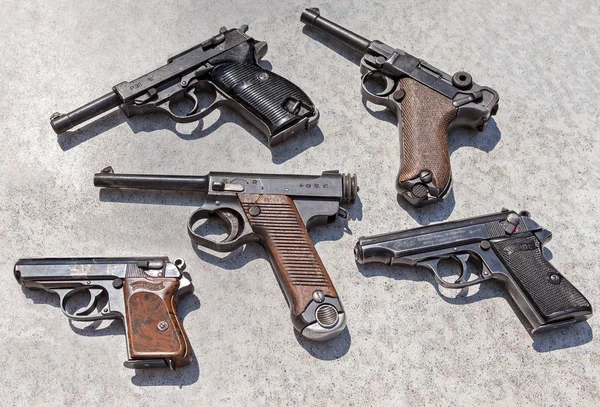
Army sidearms rarely change because of fashion. They change when an old answer stops solving a practical problem: too slow to reload, too weak in the hand, too hard to maintain, or too dated for the way troops actually fight and train. A handful of U.S. service pistols stand out because each one exposed a limit in the sidearm that came before it. Some did it through mechanical innovation, some through battlefield lessons, and some simply by showing that a service handgun had to fit a larger system of doctrine, ammunition, and logistics.
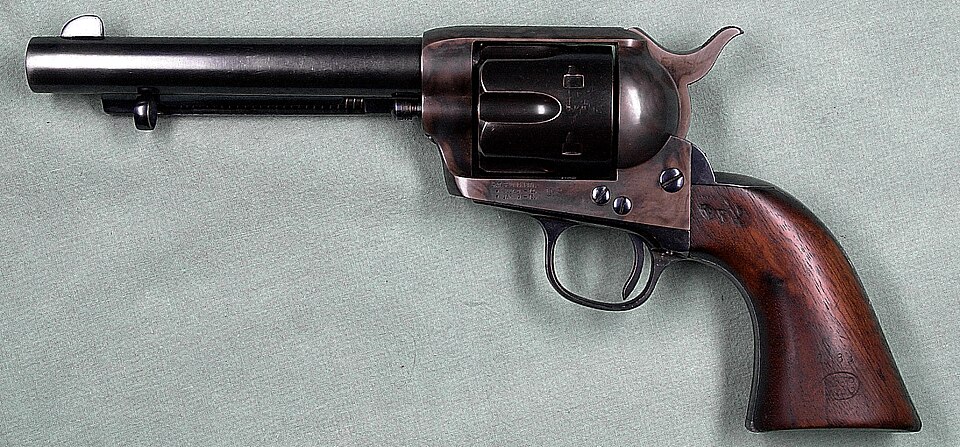
1. Colt Single Action Army
The Colt Single Action Army arrived in 1873 as a stronger, more modern revolver than many earlier handguns in service. Its topstrap frame was a major structural improvement, built to handle heavier loads and harder use than older open-top designs. Chambered in .45 Colt, it gave the Army a powerful cartridge at a time when handgun effectiveness was still judged in very direct terms. Its military role also revealed an old truth about sidearms: once the Army adopts a handgun, the civilian market often follows. By 1892, the government had bought only about 37,000 Single Action Army revolvers, while total factory output had reached 144,000 produced by 1892.
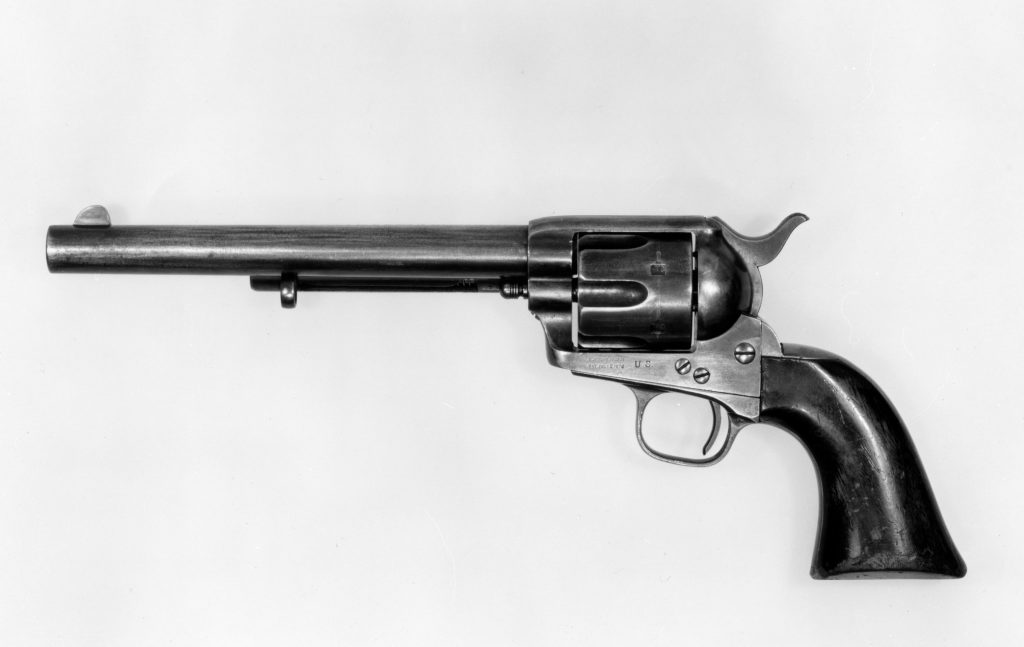
That split mattered because it showed how military use could legitimize a design far beyond the armory. The revolver also exposed the limits of 19th-century safety practice. Early examples relied on a hammer notch rather than a robust drop-safe system, and accidental discharges became part of the platform’s real-world story. In effect, the Single Action Army helped set the baseline for what soldiers expected from a powerful sidearm, while also making clear that power alone was not enough.
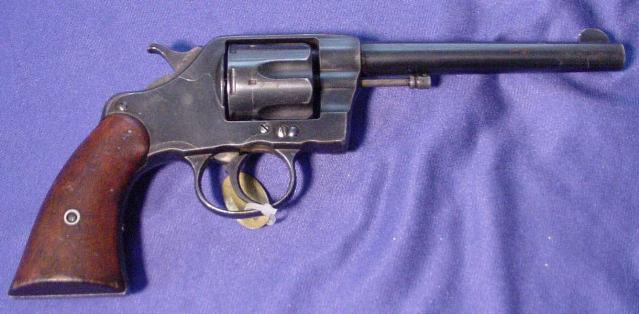
2. Colt M1892
The Colt M1892 looked like progress on paper. It was a double-action revolver in .38 Long Colt with a swing-out cylinder and star extractor, making reloads faster and handling more modern than the old single-action Colt. That mattered because speed, not just raw power, had become part of the Army’s idea of a useful handgun. But the M1892 became the pistol that forced a deeper rethink. In the Philippines, the .38 Long Colt gained a reputation for insufficient stopping effect in close combat, pushing Army leadership to reassess both cartridge size and handgun design.
The problem was not merely that the revolver was newer or older than its predecessor. It was that sidearm doctrine had outrun the cartridge. That failure fed directly into the Army’s demand for a heavier projectile and a more decisive service pistol. The later 1904 Thompson-LaGarde tests reinforced the move toward .45 caliber handguns. Few service pistols have had a larger indirect impact than the M1892, because its shortcomings helped define what the next Army sidearm had to be.
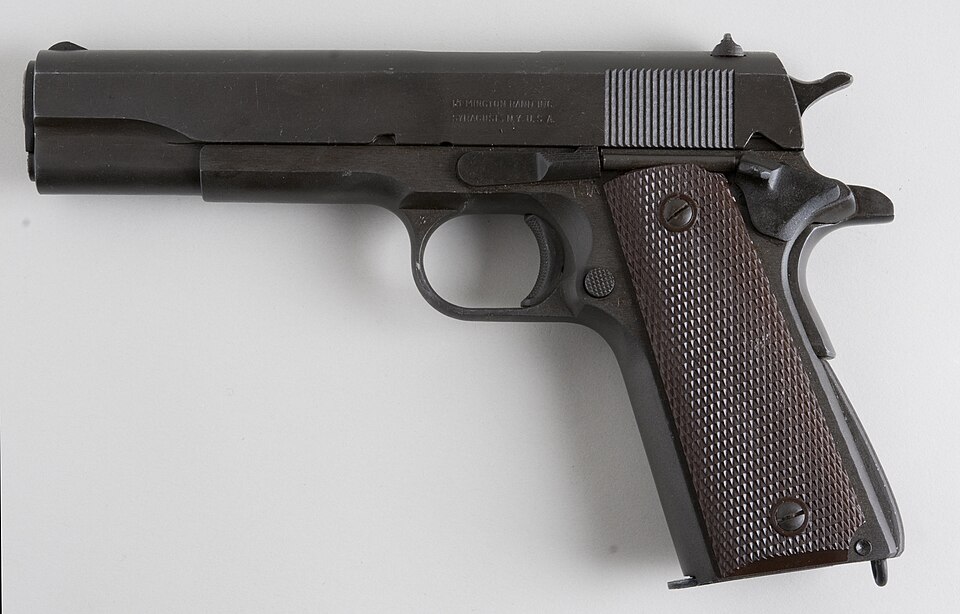
3. M1911
The M1911 did more than replace a revolver. It changed the Army’s idea of what a standard sidearm could be. John Browning’s recoil-operated semi-automatic pistol paired .45 ACP power with faster reloads, a slimmer ammunition system, and a manual of arms that pointed toward the 20th century. Its final trials became part of handgun lore. During one decisive Army test, 6,000 rounds were fired from a single pistol over two days, with the gun cooled by immersion in water when it became hot.
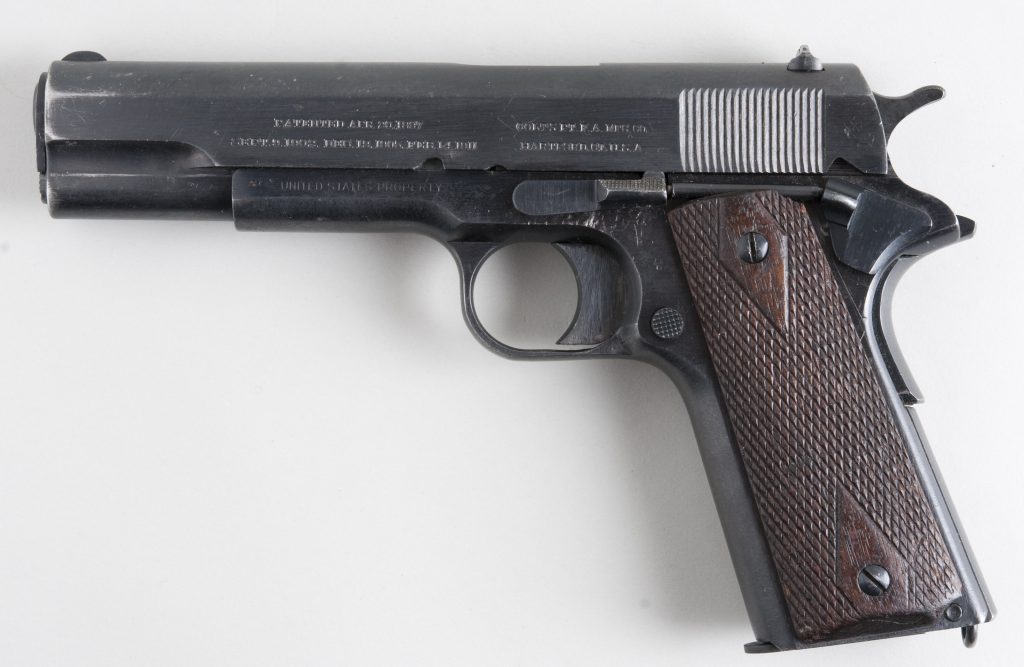
The Colt completed the test without reported malfunctions, and the Army adopted it in 1911. The M1911 then stayed in frontline U.S. service for generations, serving as the standard-issue sidearm from 1911 to 1985. That longevity says as much about the design as any test report. Even when later pistols offered greater capacity, the 1911 had already established a template for reliability, ergonomics, and service durability that every successor had to answer.
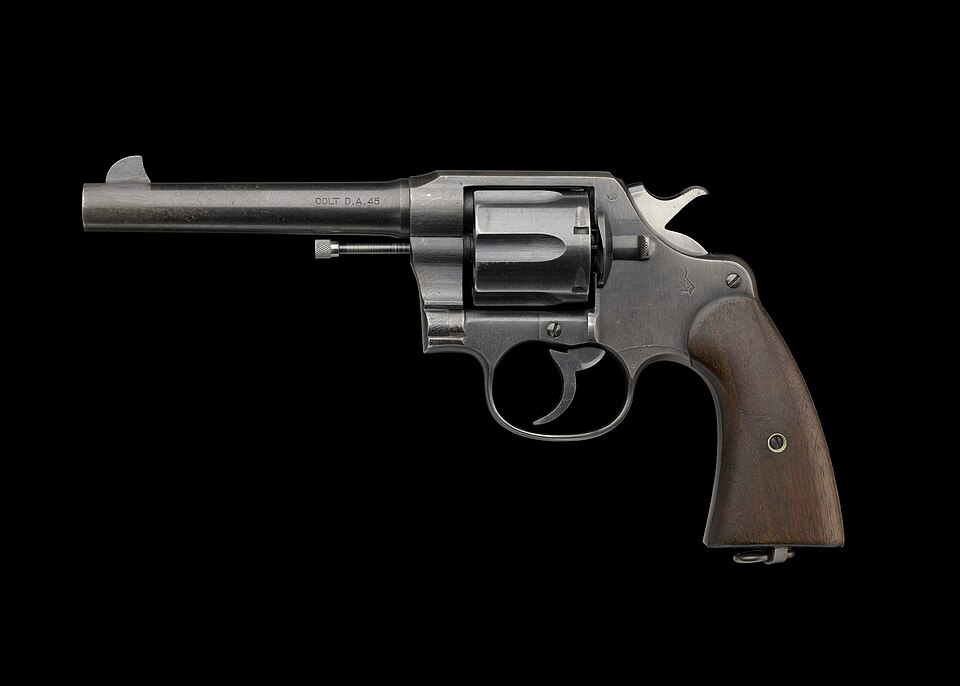
4. Colt Model 1917
The Model 1917 is often treated as a wartime stopgap, but it revealed something important about military sidearms: standardization can be less important than fast scalability. When U.S. entry into World War I created demand that exceeded available M1911 stocks, the Army turned to a revolver that could still fire the same .45 ACP cartridge by using half-moon clips. That was a practical engineering answer to an industrial problem.
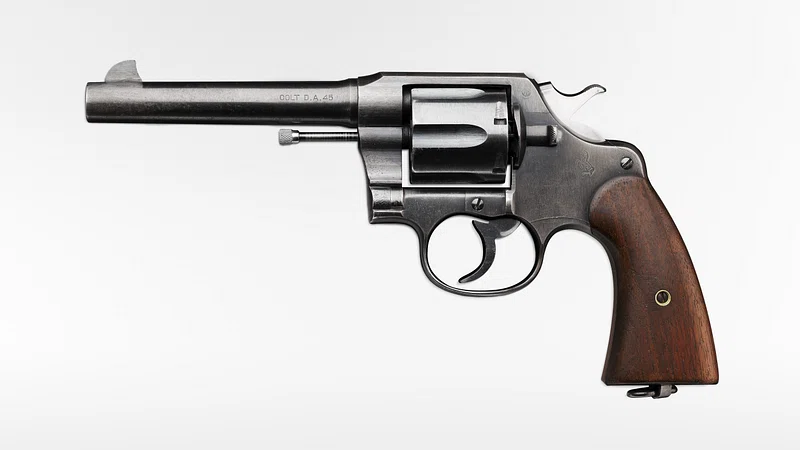
Rather than abandon the new cartridge or delay issue, the Army adapted a large-frame revolver around its existing ammunition supply. The result was not a doctrinal revolution, but it proved that sidearm policy had to include production capacity, interchangeability, and training simplicity. It also reminded planners that a service pistol is never judged only by ideal design. It is judged by whether enough working guns can reach enough troops at the right moment. The Model 1917 forced that logistical lesson into the sidearm conversation.
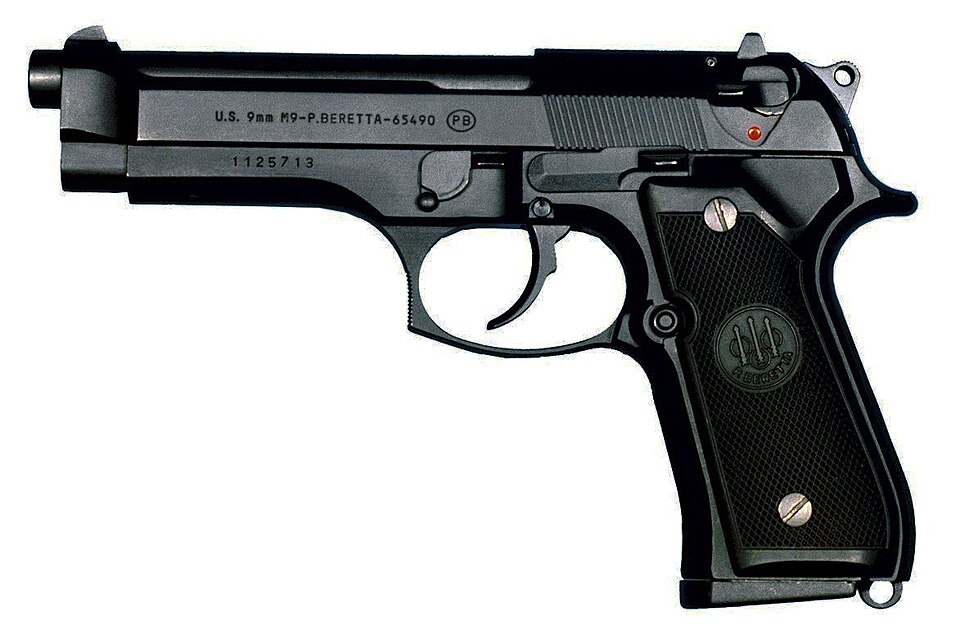
5. Beretta M9
By the late 1970s, the M1911A1 was respected but visibly old. Many pistols had been rebuilt repeatedly, and the broader NATO environment pushed the U.S. toward a 9mm service handgun. The Beretta M9 answered that requirement with a high-capacity magazine, double-action/single-action operation, and controls suited to a more modern qualification system. The Army ultimately adopted the Beretta platform in 1985 after the XM9 competition, selecting the design that became the Pistol, Semiautomatic, 9mm, M9. That shift was bigger than caliber alone. It represented a move toward alliance standardization, higher onboard ammunition capacity, and a sidearm better suited to broad issue across the force.
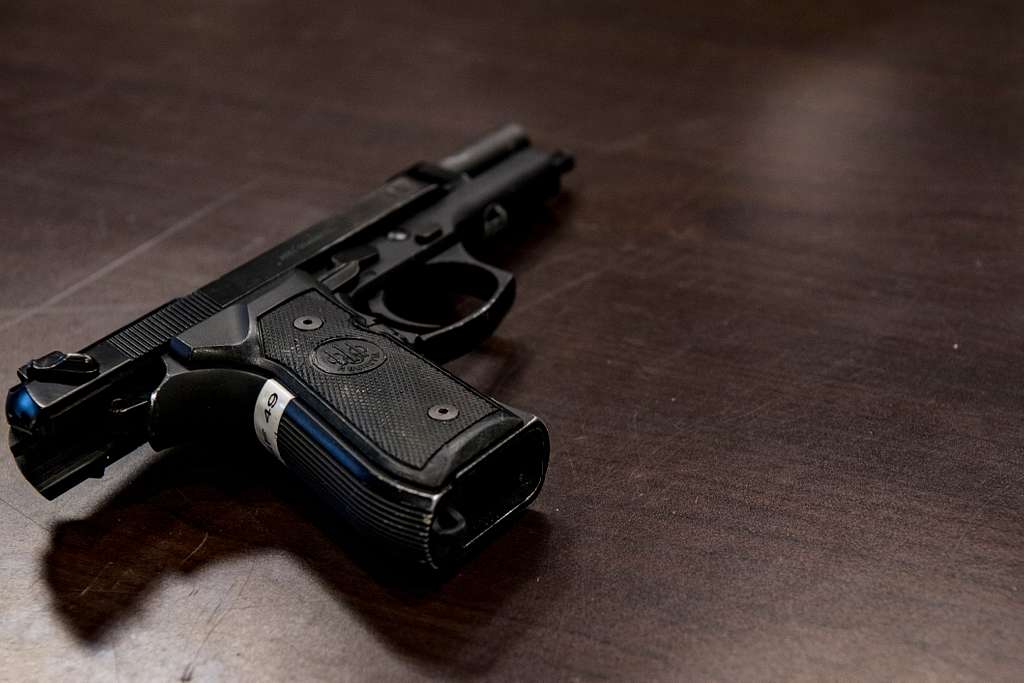
The M9 also exposed the costs of transition. Early slide-failure concerns damaged confidence, even though the issue was later corrected, and the pistol’s large grip profile did not suit every shooter. At the same time, some users reported improved qualification performance compared with worn-out M1911A1s. In that sense, the M9 forced the Army to rethink not just what made a pistol lethal, but what made it trainable, supportable, and acceptable across a very large institution.
These five pistols were not simply replacements in a chain of issue weapons. Each one exposed a weakness in existing assumptions about sidearms, whether the problem was power, safety, reload speed, production capacity, or alliance-driven standardization. That is why the most influential Army pistols are rarely the ones remembered only for their shape. They are the ones that changed the questions the military asked before choosing the next handgun.


