
The AR-15 rewards careful setup more than casual confidence. Its modular reputation often makes it look forgiving, but the platform is still a machine governed by chamber dimensions, gas timing, torque values, spring rates, and a legal framework that does not always care whether a mistake began as a misunderstanding. That is why many of the platform’s most persistent myths show up in two places at once: on the bench during a build, and later on the range or in a compliance problem. The issues below are the ones that quietly create bad assumptions, unreliable rifles, and preventable headaches.

1. “AR” tells people how the rifle fires
It does not. “AR” refers to ArmaLite, the company tied to the design lineage that produced the AR-10 and AR-15 pattern rifles, not to “assault rifle” or automatic fire. That confusion matters because people often mix a model family name with legal labels such as “assault weapon,” even though those are separate categories with separate meanings. The mistake seems minor, but it shapes bad assumptions about what a civilian semi-automatic rifle actually is and what parts or features define it.

2. A civilian AR-15 is just an M16 missing one piece
The shared outline hides the real divide. The difference is rooted in the fire-control system and receiver features that support select-fire operation, not in a single casual swap. Treating the gap like a one-part conversion encourages unsafe tinkering around tightly regulated components and confuses appearance with function. That misunderstanding has lingered for decades because the external architecture is so familiar, but the practical internals are where the line is drawn.
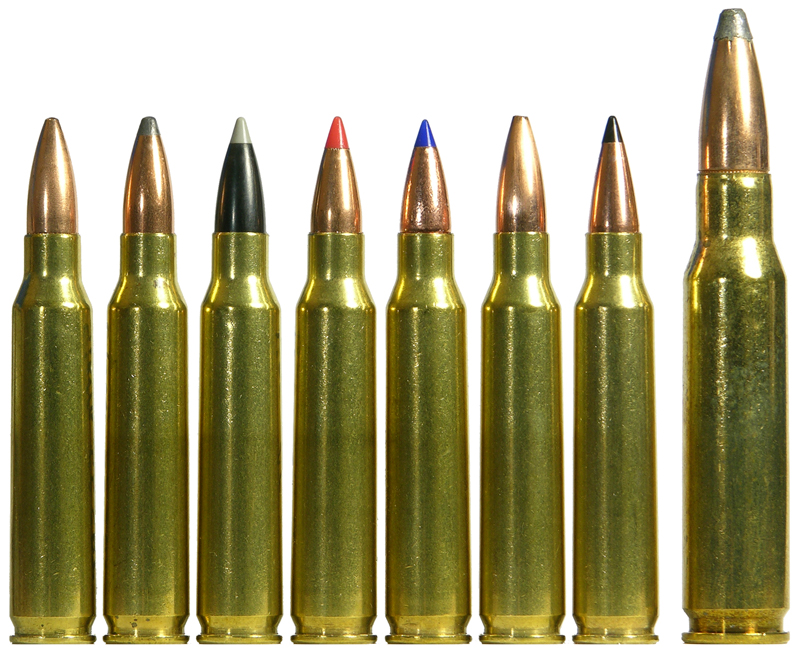
3. .223 Remington and 5.56 NATO can always be used interchangeably
This is one of the oldest AR shortcuts, and it survives because the cartridges look nearly identical. Chamber geometry is the real issue. A .223 Remington chamber can differ from a 5.56 NATO chamber in throat and leade dimensions, which can change pressure behavior when the wrong ammunition is used. The problem is not cosmetic, and it is not solved by brand reputation. The risk tied to 5.56 NATO in a .223 Remington chamber is exactly why barrel markings should be treated as operating data, not decoration.
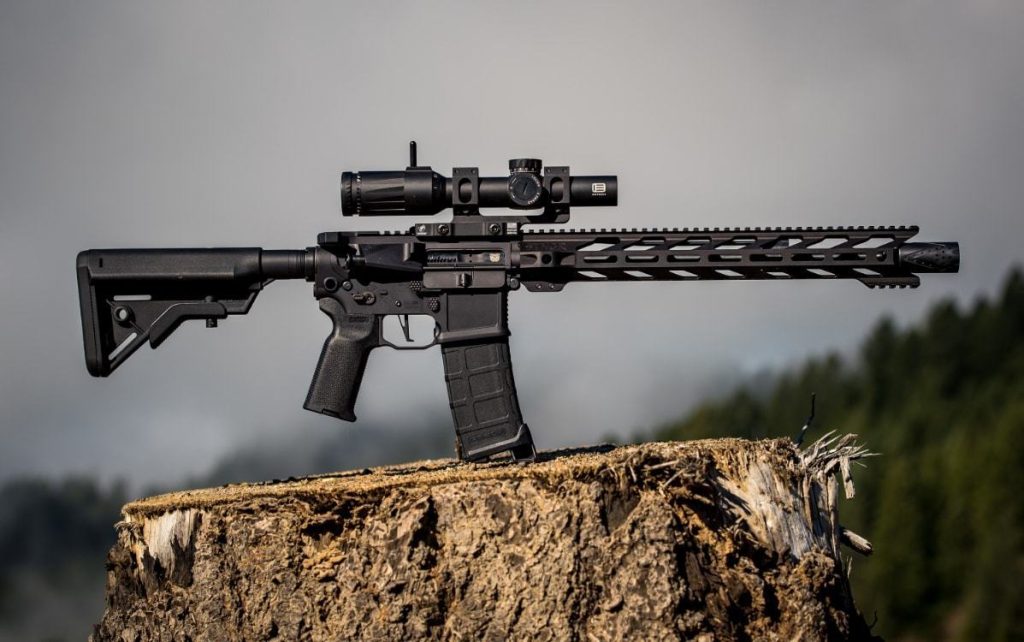
4. “Modular” means parts will fit and function if they bolt on
The AR’s parts ecosystem is broad, but not frictionless. Dimensional differences keep showing up in places new owners do not expect, especially when upgrades are bought as loose parts instead of complete assemblies. A dust cover, for example, may require the rest of the installation hardware, and the small safety-selector detent hidden in the pistol grip can disappear during a swap if the lower is not handled carefully. Compatibility problems also show up in the stock system. Mil-Spec and commercial buffer tubes differ by about 0.02 inch in outside diameter, enough to create poor fit or wobble when the wrong stock is used. Rail interfaces bring the same lesson: KeyMod, M-LOK, Picatinny, and proprietary systems are not interchangeable just because they share the same general shape language.
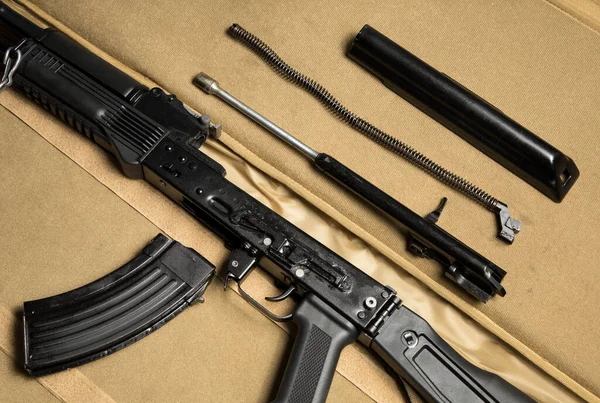
5. Cycling failures usually mean a new part is needed
Many rifles do not need replacement parts first. They need diagnosis. Short-stroking, weak ejection, and failure to lock back often come from a short list of causes: ammunition variation, poor magazines, gas leakage, buffer and spring mismatch, or inadequate lubrication. One line from user troubleshooting culture remains blunt because it often proves true: “OIL. Mine all like to be wet.” Direct-impingement ARs are notably sensitive to friction, and one lubrication guide argues that friction is cumulative in a gun, which is why small dry contact points can add up to malfunctions.
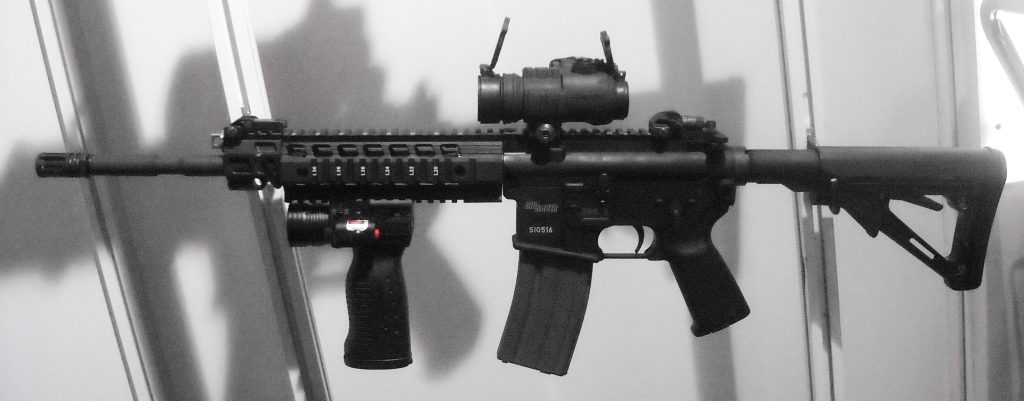
6. Gas problems are mysterious and impossible to read
They are often visible if the rifle is observed carefully. Ejection pattern, felt recoil, fouling buildup, and failure to lock open can all point toward gas imbalance. Brass launching far forward can indicate an over-gassed setup, while rearward ejection and short-stroking often suggest the opposite. Gas system length matters here too. Carbine, midlength, and rifle gas tubes are not the same part, and the wrong combination can create timing problems that feel random until the rifle is measured. Builders chasing reliability often overlook the possibility that a gas block shifted, a port is mismatched to the setup, or the buffer system is working against the gas system instead of with it.

7. Mixing a new bolt and barrel is fine if both brands are respected
Headspace does not care about branding. It is a tolerance relationship between the chamber and the bolt, and it sits directly in the path of safety, reliability, and case life. If it is too tight, the rifle may resist going fully into battery. If it is too loose, the cartridge case can stretch excessively. That is why technical guidance from barrel makers still recommends checking headspace when a build combines a new bolt and barrel from different sources. The parts may fit together externally and still demand verification before use.
8. Home-defense AR debates are mainly about barrel length and recoil
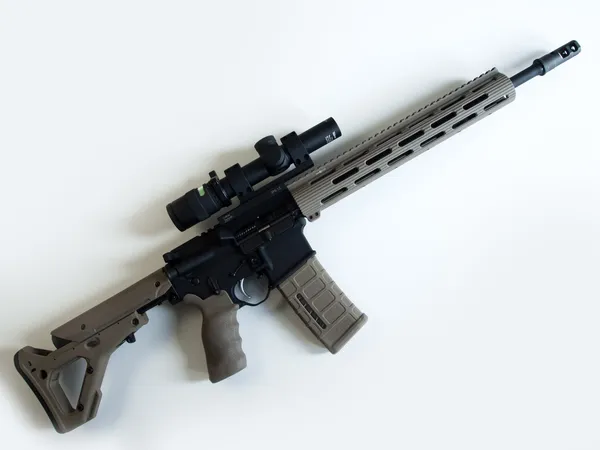
Those factors are easy to discuss, but projectile behavior after a miss is harder to ignore. Testing with ballistic gel and interior wall simulations has repeatedly reinforced the same point: misses do not stay contained by argument. A round that does not hit the intended target can continue through drywall and into spaces beyond it. That shifts the focus toward shot accountability, backstop awareness, and ammunition behavior after barriers, not just handling comfort or compact dimensions.
9. Unassembled parts cannot create legal exposure
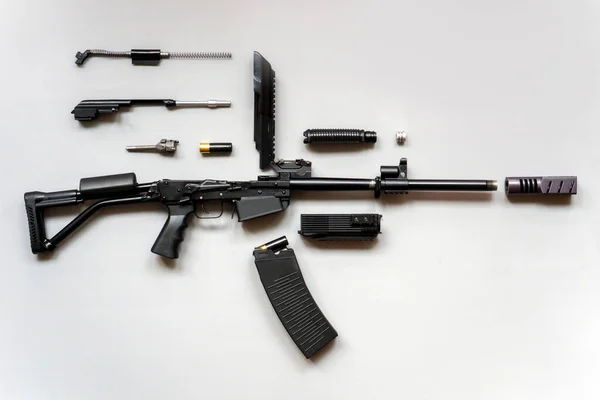
This is one of the costliest assumptions in the platform’s parts culture. Spare uppers, lowers, short barrels, stocks, and bins of components can intersect with constructive-possession arguments when the available parts only sensibly assemble into a regulated configuration. The legal question is not always whether the item is assembled; it can be whether control over the necessary parts already exists. Storage can complicate that further. Access by other household members, especially with regulated items, may blur who has control of what.
A locked container with limited access is not just good practice. In some circumstances, it is the cleanest boundary between ordinary ownership and unnecessary ambiguity. The AR-15 remains easy to customize, but it is not casual machinery. Most expensive mistakes trace back to ordinary myths: the wrong chamber assumption, the wrong buffer tube, the wrong diagnosis, the wrong idea about what “close enough” means. The platform usually runs best when it is treated less like a pile of compatible accessories and more like a tightly timed system.


