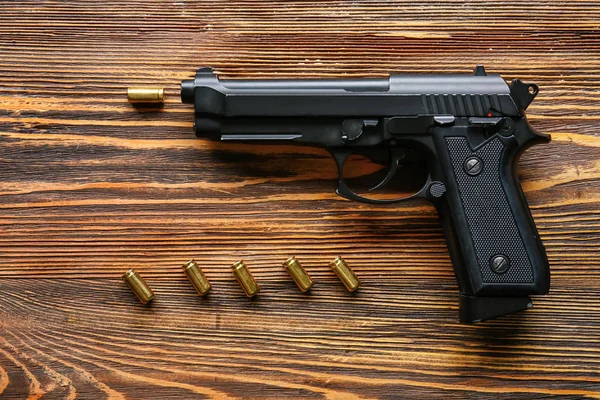
Modern handgun reliability standards did not appear all at once. They were shaped by a long series of Army sidearm trials that forced pistol makers to prove function under mud, salt water, heavy firing schedules, and strict endurance scoring. Those programs were not important only because they selected service pistols. They also helped define how reliability gets measured, how environmental abuse is structured in testing, and why magazine design, sealing, and malfunction classification still matter in handgun engineering.
1. The shift from accuracy contests to reliability-centered evaluations
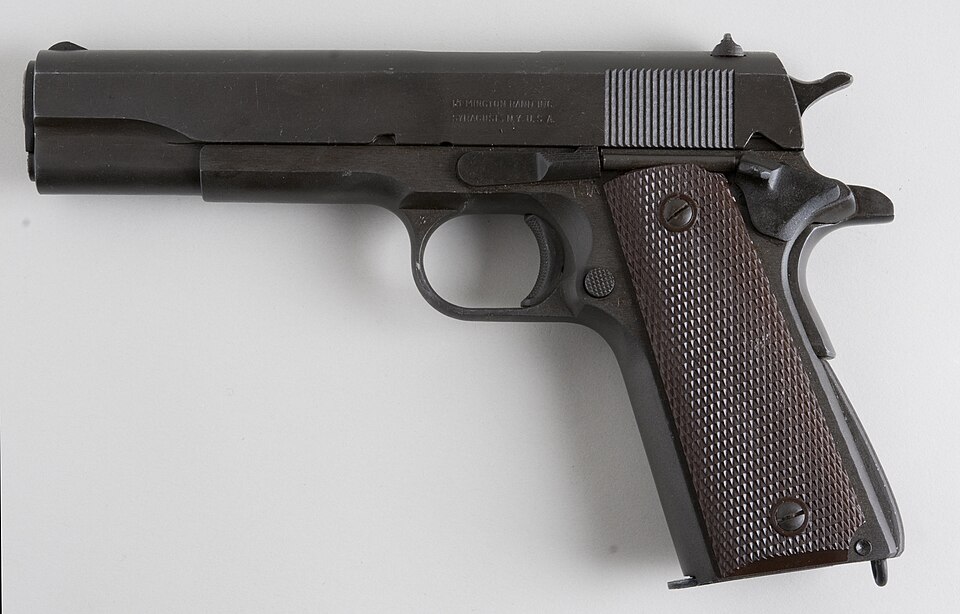
Early Army sidearm competitions gradually moved beyond simple marksmanship and basic function checks. By the late 1970s and early 1980s, the replacement search for the M1911 pushed manufacturers into broader test programs built around sustained operation, magazine capacity, and performance after exposure to hostile conditions.
That change mattered because it treated the pistol as a system instead of a standalone firing mechanism. Reliability stopped being a vague claim and became something quantified over thousands of rounds, with stoppages counted and categorized. Modern acceptance protocols for service handguns still follow that logic: consistency under use matters as much as peak performance on a clean range.
2. The 1981 trials helped establish capacity as a reliability factor
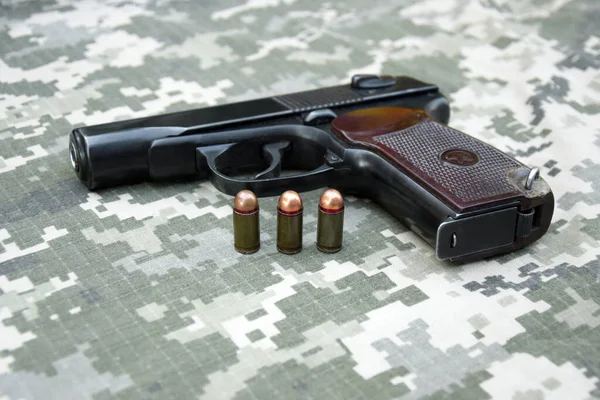
The Army’s search for a new 9mm sidearm imposed minimum capacity expectations that affected both design and testing. Competitors had to show that higher-capacity magazines could feed dependably instead of merely offering more rounds on paper. That requirement drove redesign work across the field.
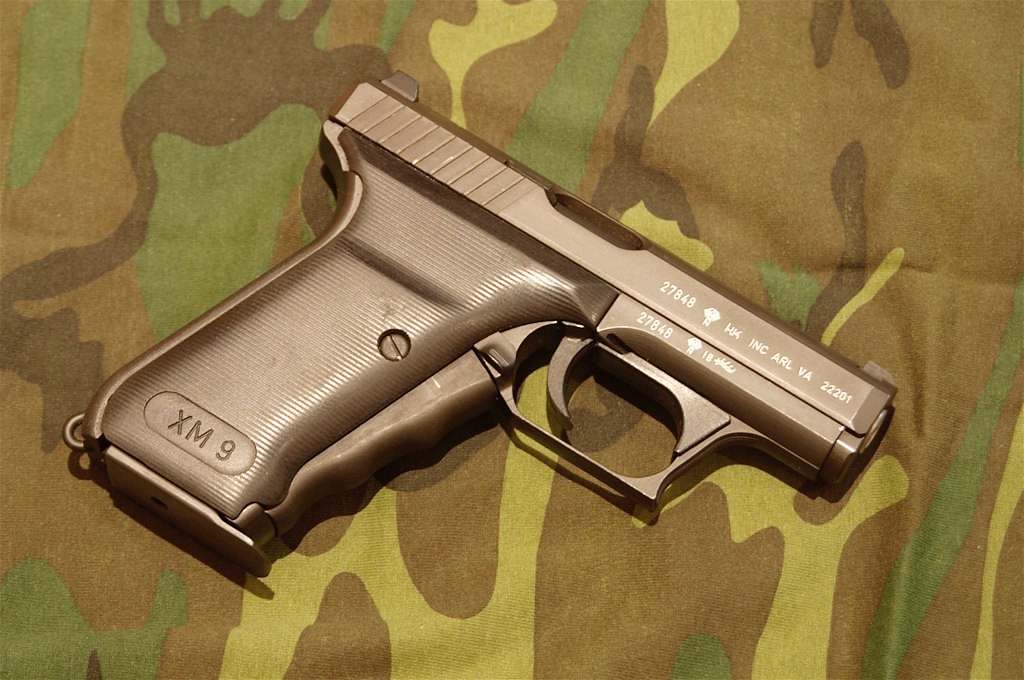
H&K’s development path is a clear example, moving from earlier entries toward expanded-capacity versions and eventually to the double-stack 13-round P7A13. In engineering terms, that kind of change is never limited to the magazine body. Feed angle, spring force, heat behavior, grip dimensions, and release geometry all become part of the reliability problem. Current duty-pistol testing still reflects that lesson by treating magazines as critical wear items rather than accessories.
3. Mud testing exposed the tradeoff between tight fit and field function
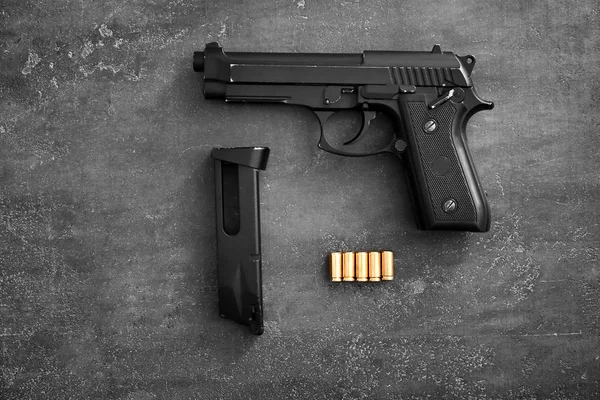
One of the most revealing Army procedures immersed loaded pistols and spare magazines in mud, then required firing after only limited cleaning. The trial records described a 60-second mud bath followed by hand wiping before evaluation, with a second phase involving drying before firing. The results highlighted a basic handgun engineering compromise. Loose-fitting pistols often tolerated debris better, while tighter-fitting 9mm designs could deliver advantages elsewhere but showed greater sensitivity to contamination.
In the 1984 mud results, H&K posted 99 percent average successful firings in the mud test, while other entrants showed different strengths and weaknesses across wet and dry phases. Modern reliability rules still account for that balance by evaluating tolerance stacking, slide travel, chambering force, and magazine contamination resistance together rather than in isolation.
4. Salt-water exposure turned sealing and corrosion resistance into core requirements
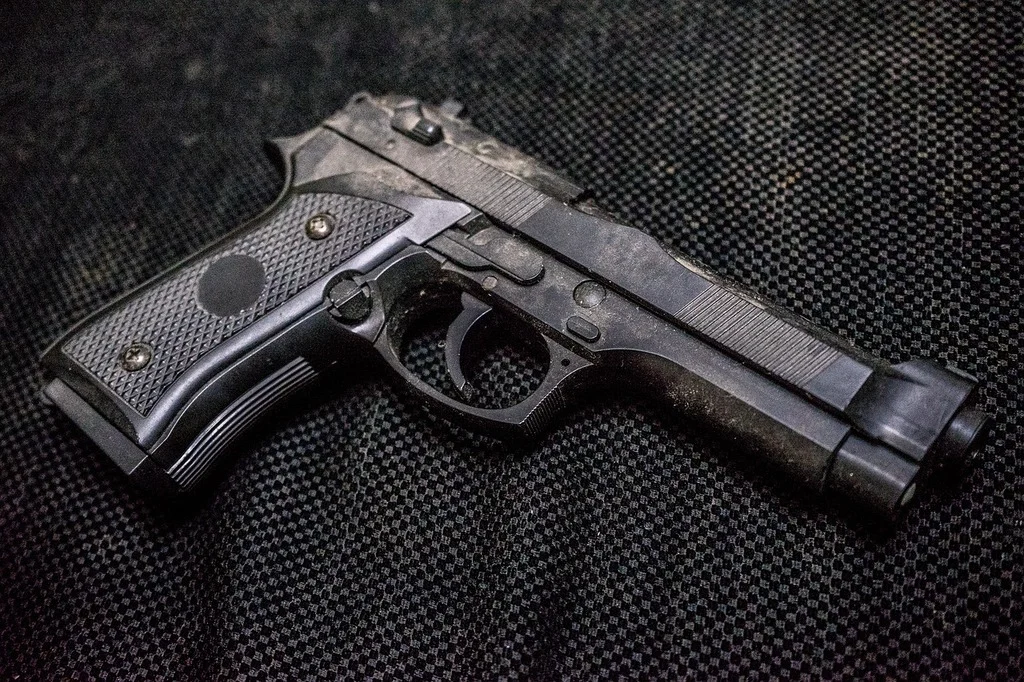
Salt water became more than a niche concern during the Army trials. In the 1984 competition, it was elevated into a mandatory requirement, reflecting the expectation that sidearms might be carried in maritime, tropical, or persistently humid environments. That is where testing became especially punishing. Weapons and magazines were immersed in a salt solution, then cycled through firing periods and humidity-controlled storage over ten days.
H&K’s performance dropped sharply in that regime, with 55 malfunctions in 390 rounds during salt-water testing. The broader lesson survives in present-day standards: corrosion is not just surface rust. Moisture migration, spring degradation, residue buildup, and hidden internal damage can alter function long before a part visibly fails. That same principle appears in modern immersion methodology, where water intrusion can reveal defective seals and internal corrosion paths.
5. The Army’s malfunction classes influenced how reliability is scored today
Army evaluators did not treat every stoppage as equally serious. Trial data separated failures into classes, ranging from quickly cleared interruptions to faults requiring maintenance intervention. That framework remains one of the most important legacies of the sidearm trials. A pistol with many minor stoppages may look similar on a raw score sheet to one with fewer but more severe failures, yet the operational meaning is different.
The test archive noted that the 1984 evaluations counted Class I, II, and III malfunctions separately while calculating mean rounds between operational mission failure. Modern handgun protocols continue to borrow from that logic by distinguishing between shooter-clearable stoppages, parts breakages, and faults that take the gun out of service.
6. Mission-length probability changed how test results were interpreted
One of the more sophisticated ideas in the Army work was the recognition that reliability depends on expected use. Analysts did not look only at aggregate stoppages; they also examined the probability that a pistol could complete a short firing sequence without interruption. That approach tied engineering to realistic sidearm roles. The trial material explained that the pistol was viewed as a last-resort weapon, and mission modeling focused on short strings of fire rather than endless continuous shooting.
This helped explain why a pistol could post an imperfect reliability figure yet still show a very high chance of completing a 7-, 10-, or 15-round mission. Current duty-handgun testing often does the same thing by pairing endurance totals with discrete event testing such as magazine dumps, immediate-action drills, and limited-round qualification strings.
7. The XM9 era proved that failed trial guns can still shape future handgun design
Not every influential pistol won. Some of the most lasting design changes came from trial entries that were rejected but refined afterward for other users. The H&K P7A13 is a strong example because its XM9-driven modifications carried forward into later commercial and police variants. The model introduced a higher-capacity layout, a trigger-guard-area lever magazine release, and a heat shield to address the warming effect of the gas system. Those are not trivial details. They show how trial pressure can expose user-interface problems, thermal management issues, and loading constraints that become design priorities long after the competition ends.
The Army sidearm trials did more than identify a service pistol. They built a testing culture around contamination resistance, corrosion control, magazine function, and meaningful reliability scoring. That is why modern handgun reliability rules still look familiar decades later. The language has evolved, the fixtures are better, and the data is cleaner, but the core questions remain the same: Will the pistol fire after abuse, will the magazine keep feeding, and will the stoppage matter when it counts?


