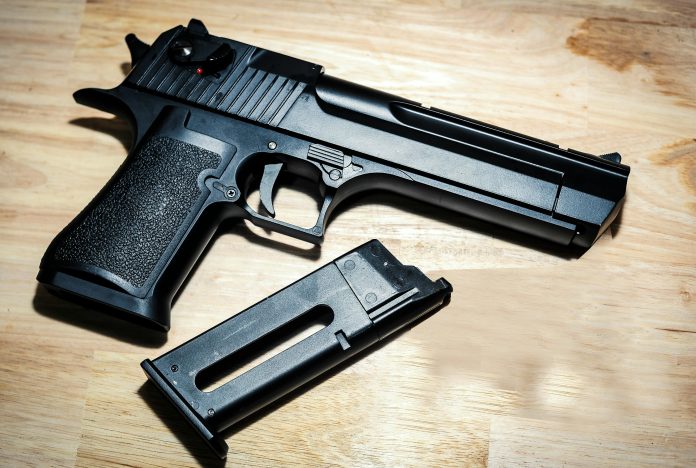
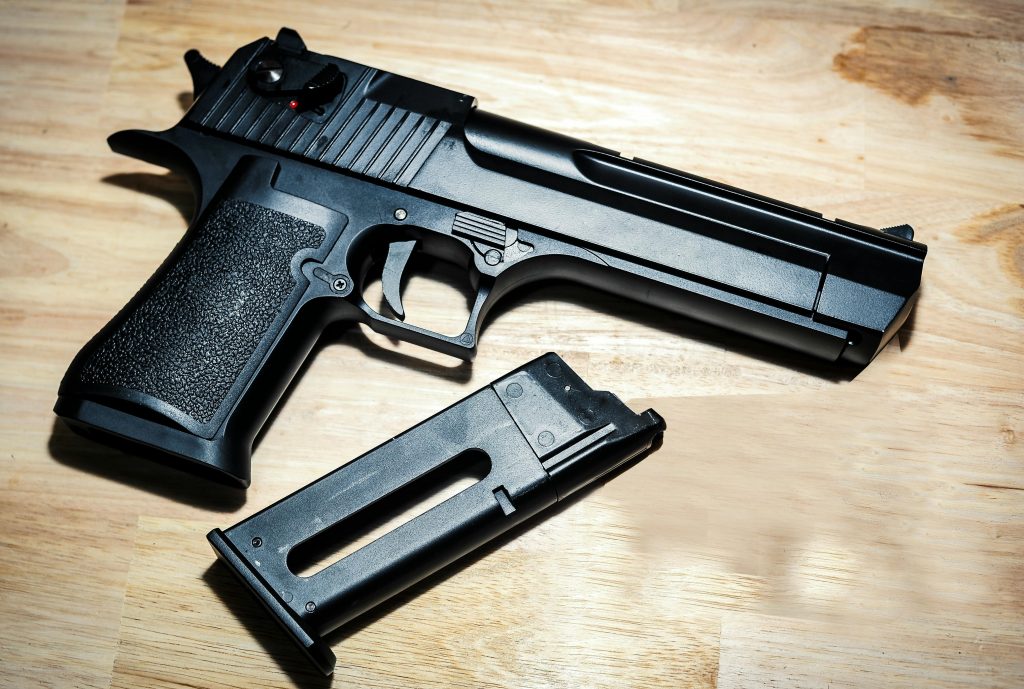
Modern duty pistols did not appear fully formed in the polymer era. Long before striker-fired sidearms became standard equipment, a handful of 9mm handguns established the mechanical ideas, handling traits, and service expectations that still shape holster choices today. Some introduced high-capacity magazines when that was still unusual. Others normalized double-action triggers, improved safety systems, or proved that service pistols could be both rugged and widely adaptable. Together, these designs created the template from which the current duty handgun evolved.
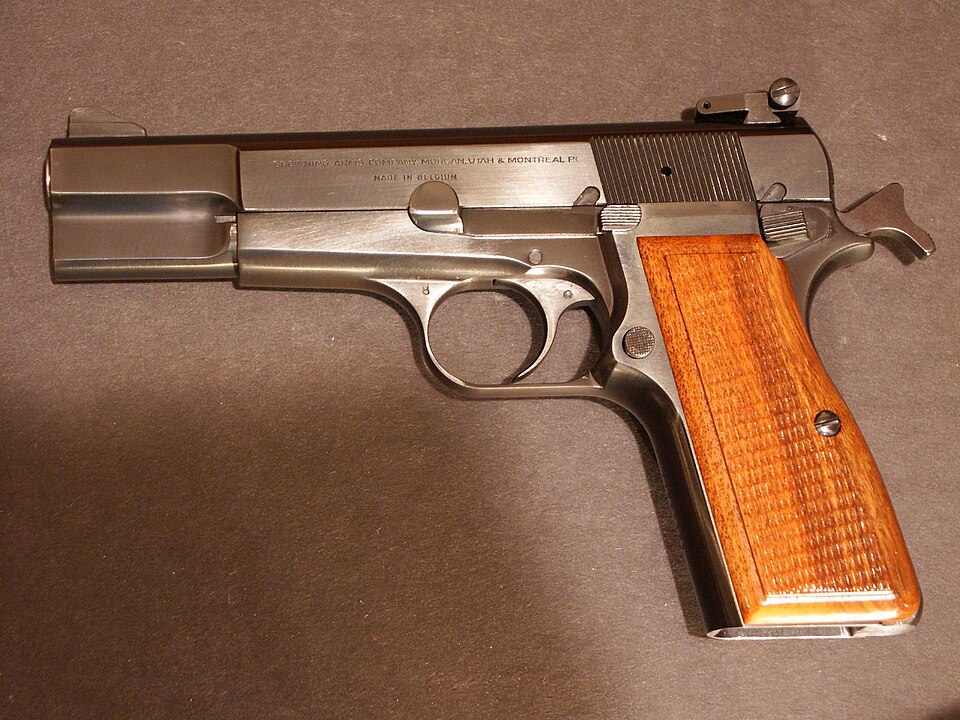
1. Browning Hi-Power
The Browning Hi-Power remains one of the foundational 9mm service pistols because it proved that a duty sidearm could combine practical size with major onboard capacity. Its 13-round magazine capacity was a dramatic leap for its era and helped establish the “high-capacity 9mm” concept that later duty pistols would refine rather than reinvent. Designed from John Browning’s work and completed by Dieudonné Saive, the pistol spread across military inventories on several continents and served with an unusually wide range of armed forces. Even where later designs replaced it, the Hi-Power’s influence endured through its slim grip profile, locked-breech operation, and service-first layout. Many later pistols departed from its single-action trigger, but few escaped its shadow.
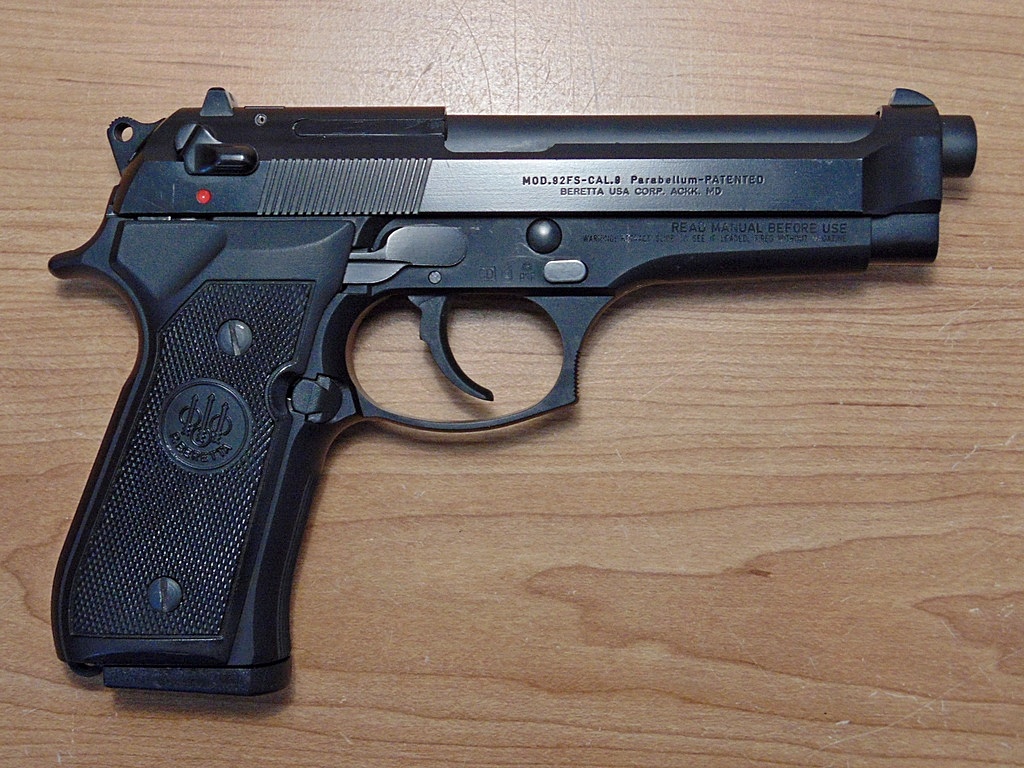
2. Beretta 92F/M9
The Beretta 92 family showed how a full-size 9mm could become a modern institutional sidearm for a very large force. In U.S. trials, Beretta’s entry posted 2,000 mean rounds between failure in early testing, a performance level that helped define what military planners expected from a service pistol. Its open-slide design, double-action/single-action trigger, decocker-safety arrangement, and generous magazine capacity made it one of the most recognizable duty handguns of the late twentieth century. The pistol’s later M9A1 evolution added a rail and other refinements that mirrored the broader shift toward weapon-mounted accessories. Even after replacement in many roles, the Beretta 92/M9 remains a bridge between classic metal-frame service pistols and the accessory-ready duty guns that followed.
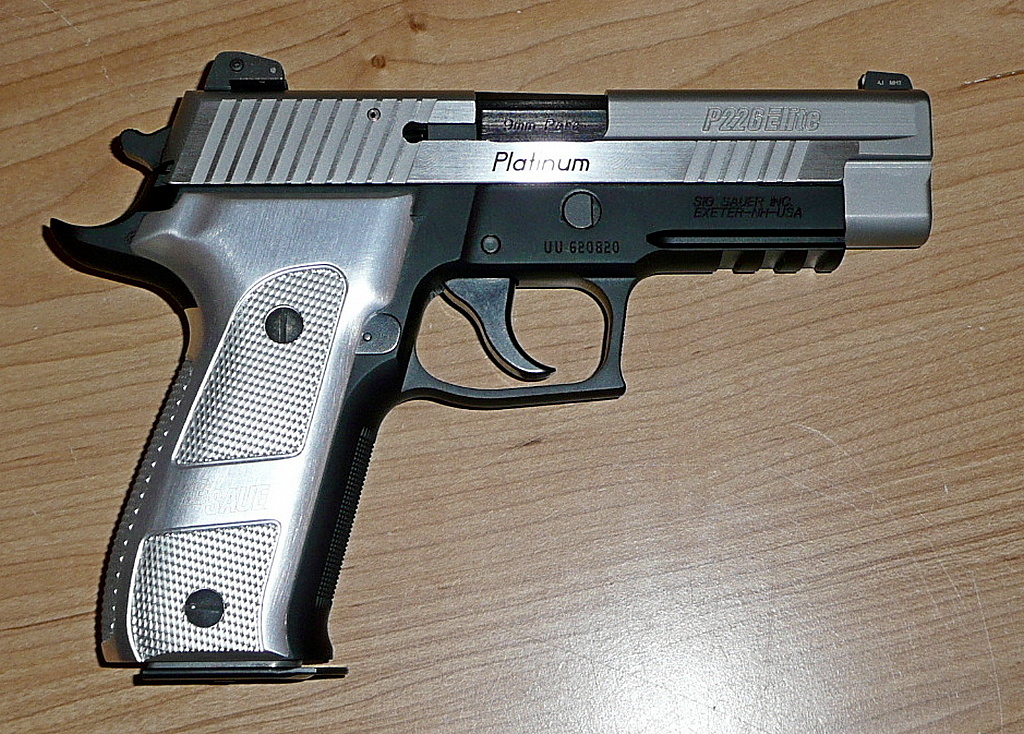
3. SIG Sauer P226
The SIG Sauer P226 became legendary not because it won the most famous U.S. pistol competition, but because it nearly did and then built a reputation anyway. As one of the final contenders in the XM9 trials, it demonstrated that a duty pistol could combine high capacity, strong ergonomics, and serious service durability in a package that many professionals considered first-rate.The design’s alloy frame and double-action/single-action system gave it a distinctly modern character for the 1980s. It later became deeply associated with specialized military and law-enforcement users, including the Navy’s well-known adoption path. That service story, along with subsequent variants such as the Mk 25, helped keep the P226 relevant even as lighter polymer pistols took over the broader market. In design terms, it cemented the idea that refinement and reliability could coexist in a mass-issued sidearm.
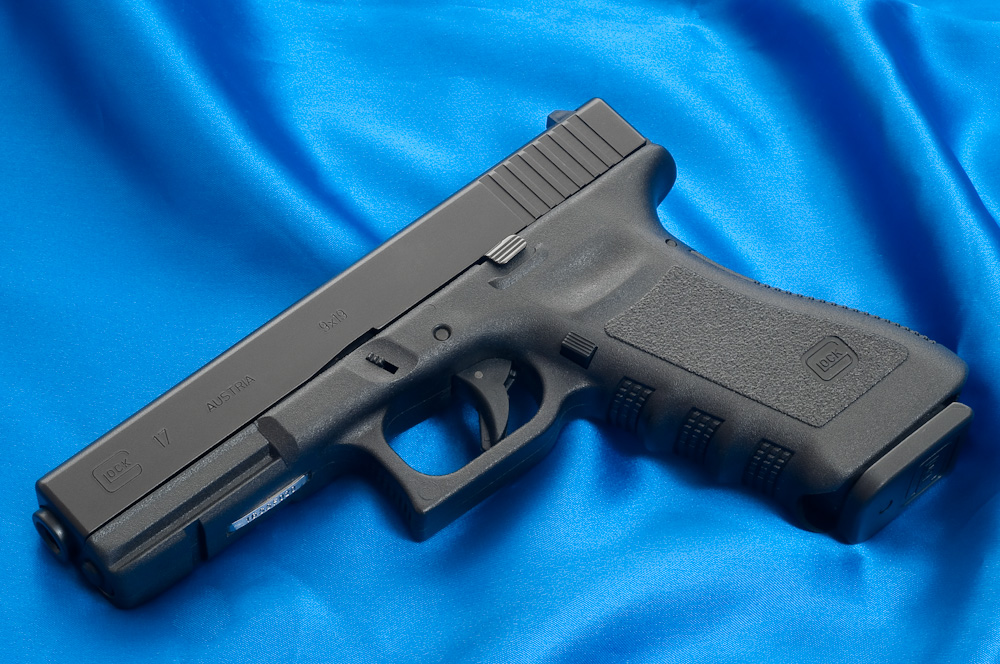
4. Glock 17
If one pistol changed the duty handgun market faster than any other, it was the Glock 17. Its polymer frame, simple striker-fired mechanism, and reduced parts count rewrote institutional expectations about weight, maintenance, and procurement. What made the Glock 17 so important was not only reliability but manufacturing logic. It showed agencies that a service pistol did not need to be all-metal, externally complex, or expensive to maintain in order to perform at a high level. Its trigger system also normalized a more consistent pull from shot to shot, something many departments would later favor over traditional double-action/single-action transitions. A large share of modern duty pistols, including those made by rival firms, follow a path the Glock 17 helped clear.
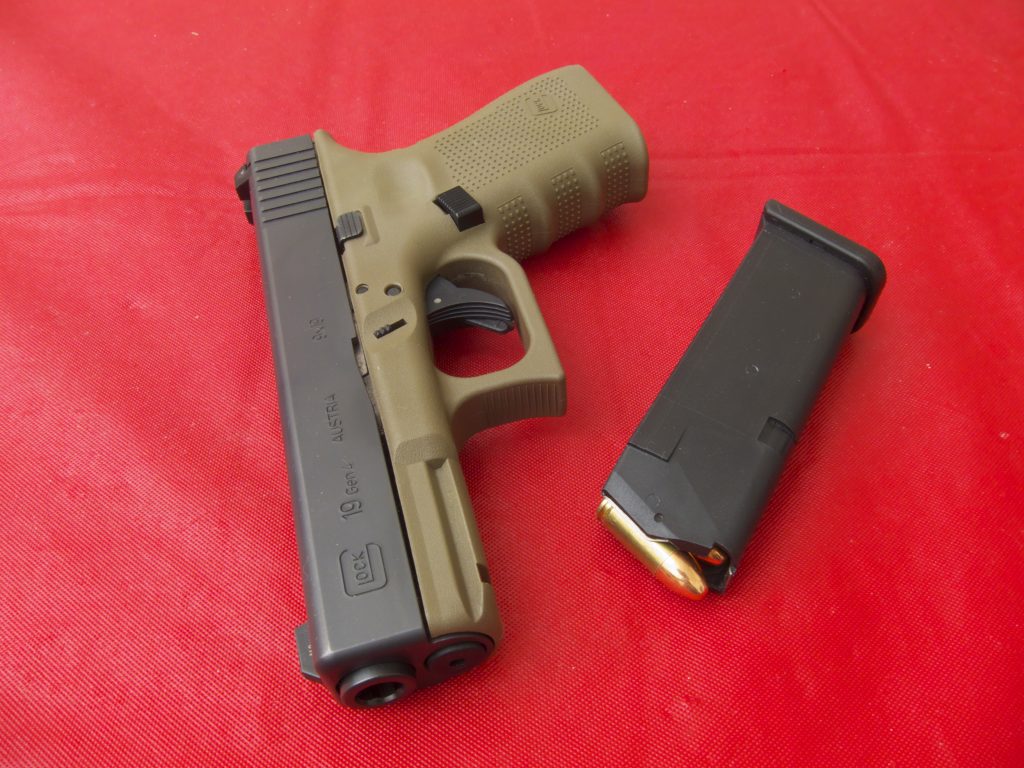
5. Glock 19
The Glock 19 proved that a duty handgun did not need full-size dimensions to remain serviceable. It carried enough ammunition, accepted larger magazines, and kept the same operating system as the Glock 17 while offering easier concealment and better day-long wear. That balance helped make it a crossover sidearm for uniformed work, plainclothes roles, and specialized units. The model became especially influential once major agencies and elite units treated compact size as a practical advantage rather than a compromise. Its broad law-enforcement appeal and estimated popularity within the NYPD reinforced a lesson the industry absorbed quickly: compact duty pistols could be mainstream, not niche.
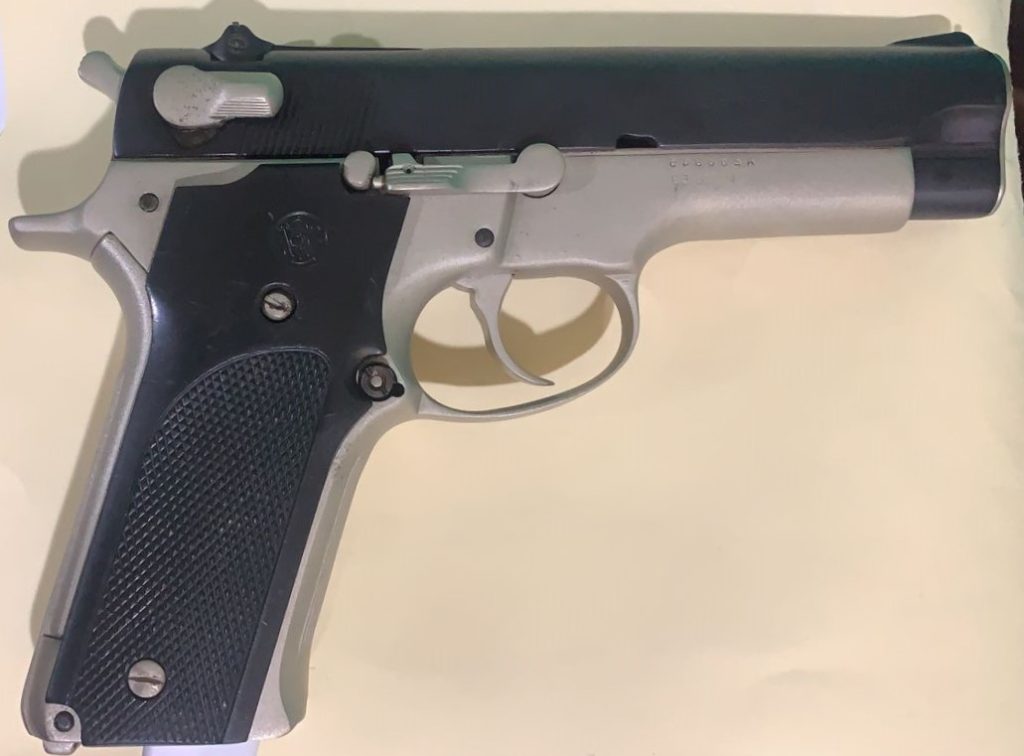
6. Smith & Wesson Model 59 Series
Before the “wonder nine” label became cliché, Smith & Wesson’s double-stack 9mm pistols helped move American law enforcement away from revolvers. The Model 59 and its descendants were among the domestic designs that familiarized agencies with higher capacity and double-action operation in a duty format. That mattered because institutional change usually comes in steps. The Smith & Wesson approach did not dominate the long term in the same way Glock later would, but it helped prepare agencies for the idea that a sidearm should offer more rounds, quicker reloads, and safer administrative handling than older service revolvers. In that sense, it was a transitional design with outsized historical importance.
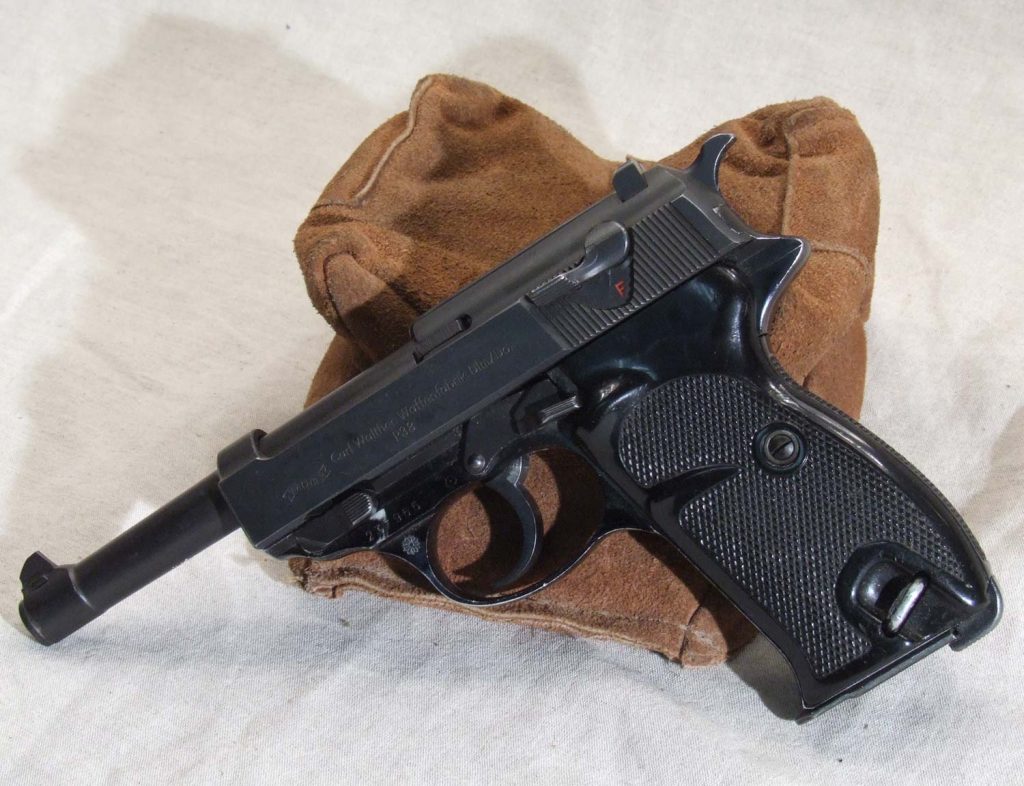
7. Walther P38
The Walther P38 predates most modern 9mm duty pistols, yet its influence is easy to trace. It helped popularize the double-action/single-action trigger system in a military handgun and paired that concept with a decocking safety, two features that became central to later service-pistol doctrine. Its wartime origins belong to an earlier generation, but its engineering legacy carried forward into decades of postwar pistol development. Many later duty guns refined the formula, improved materials, and increased magazine capacity, yet the underlying control scheme owed a clear debt to Walther’s work.
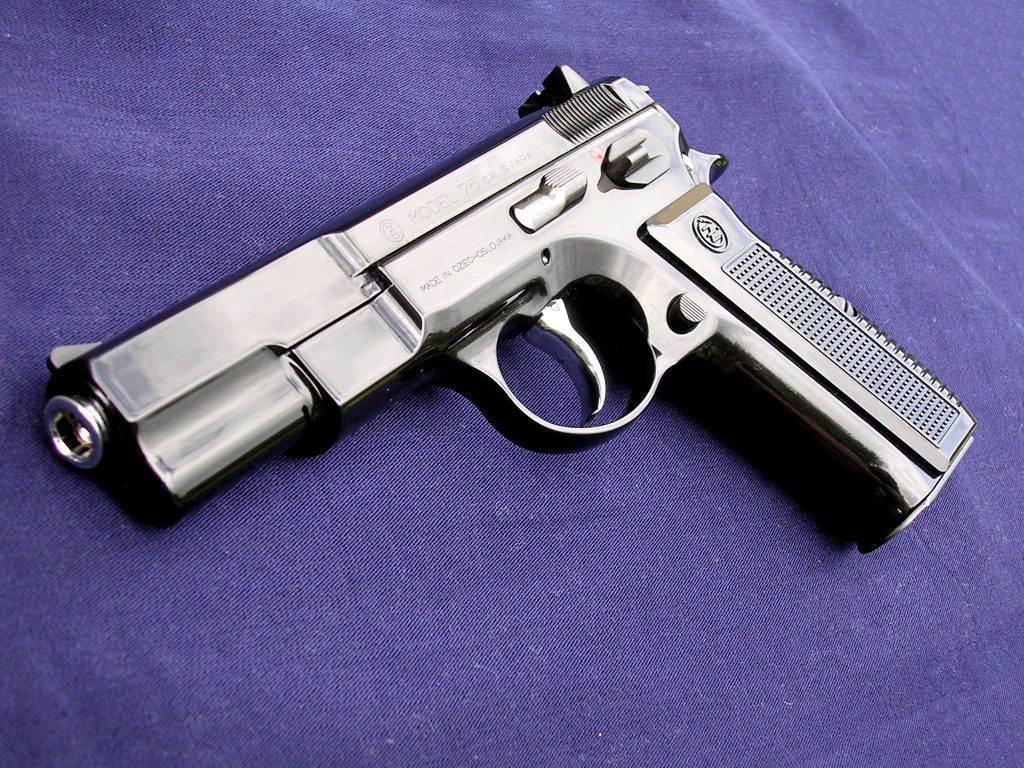
8. CZ 75
The CZ 75 became legendary because it blended familiar strengths into an unusually coherent whole. It offered excellent ergonomics, a high-capacity magazine, and a slide-in-frame design that contributed to its distinct feel in the hand and on the range. Although it was not adopted as universally as some Western rivals, the pistol became hugely influential through copies, derivatives, and competition use. Its grip shape in particular helped set a benchmark for natural pointing characteristics. Many later metal-frame duty pistols, and even some polymer designs, borrowed from lessons the CZ 75 had already demonstrated.
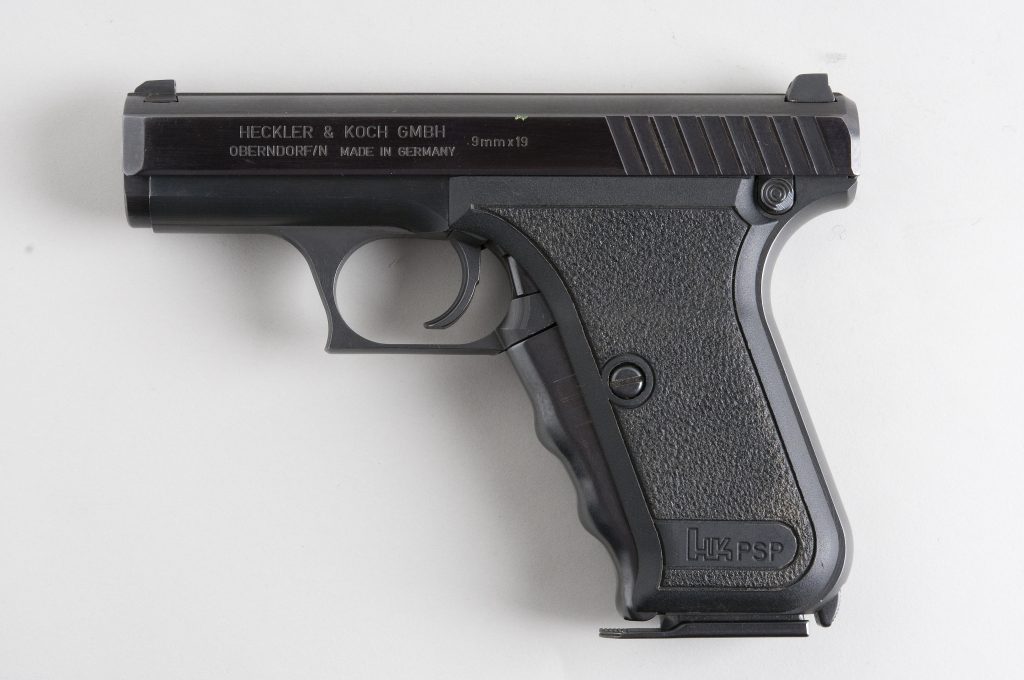
9. Heckler & Koch P7
The HK P7 was never the most common duty sidearm, but it earned legendary status by taking a radically different approach to safety and readiness. Its squeeze-cocking mechanism allowed the pistol to remain secure at rest while becoming immediately ready once gripped. That unusual system did not become the industry standard, but the P7 showed how seriously designers were rethinking the relationship between carry safety, fast deployment, and compact form. It also built a reputation for precision and engineering sophistication that kept it prominent in discussions of elite service pistols. Even its commercial rarity strengthened its standing as a benchmark design rather than a mass-market one.
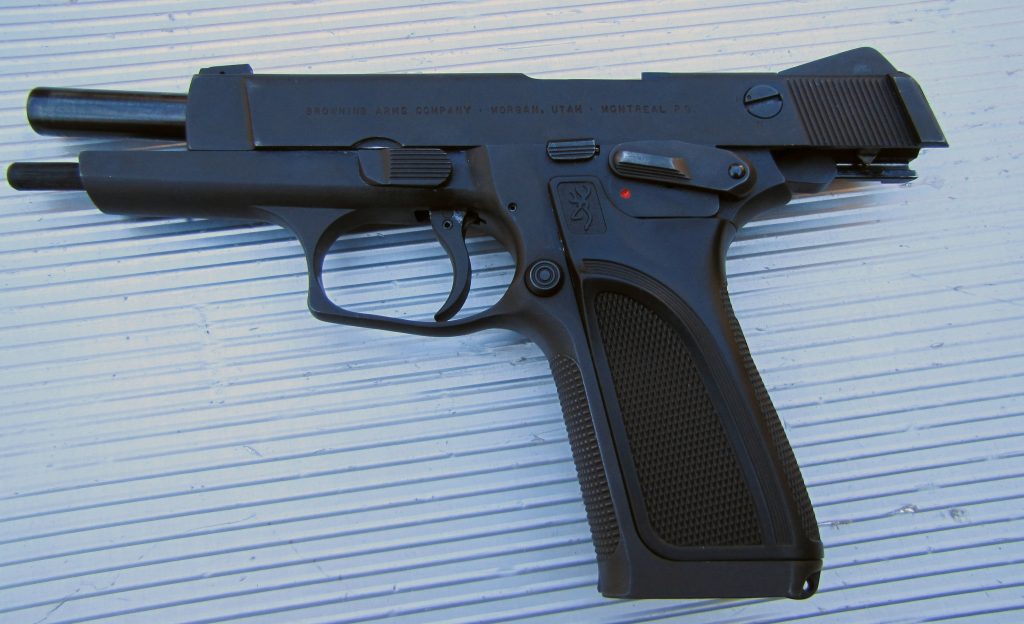
10. Browning BDM
The Browning BDM is less famous than several others on this list, yet it deserves mention for the specific problem it tried to solve. Browning designed it for agencies transitioning from revolvers to semiautomatics, and the pistol featured a distinctive dual-mode system that could switch between DA/SA and DAO-style operation. That concept reflected a real concern in law enforcement procurement during the 1990s: how to ease officers from revolver habits into semiautomatic doctrine without sacrificing familiarity. The BDM did not win major contracts, but its design captured a moment when trigger systems, administrative safety, and training continuity were central to service-pistol development.
Not every influential handgun became a dominant seller; some mattered because they revealed what agencies were trying to become. Modern duty handguns owe their shape to more than one family tree. The high-capacity single-actions, the metal-frame DA/SA pistols, and the polymer striker-fired workhorses all contributed pieces of the current formula. That is why these ten pistols still matter. They are not simply famous sidearms from different decades. They are the engineering milestones behind the modern duty handgun’s capacity, controls, durability, and role in professional service.


