

Glock built its reputation on doing a few things extremely well: simple mechanics, broad parts compatibility, and a product family that became the default benchmark for polymer-framed service pistols. That same success also created a catalog crowded with overlapping generations, caliber variants, long-slide competition models, and optics-ready versions that often differed by only a few features. Now the company is trimming that lineup in a way that says as much about manufacturing and regulation as it does about pistol design. The move is less about abandoning the platform than about redefining which versions remain central to Glock’s future.

1. The catalog had become too large to manage efficiently
One of the clearest reasons behind the cuts is simple industrial logic. Glock had been producing Gen 3, Gen 4, and Gen 5 pistols across multiple calibers and configurations, creating a large SKU count that complicated production, inventory, and parts planning. According to a 2025 report on the transition, Glock described the change as an effort to simplify our processes. For a manufacturer known for standardization, that phrasing matters. A slimmer lineup reduces tooling changes, lowers inventory complexity, and makes it easier to focus factory capacity on the models that move in the highest numbers.
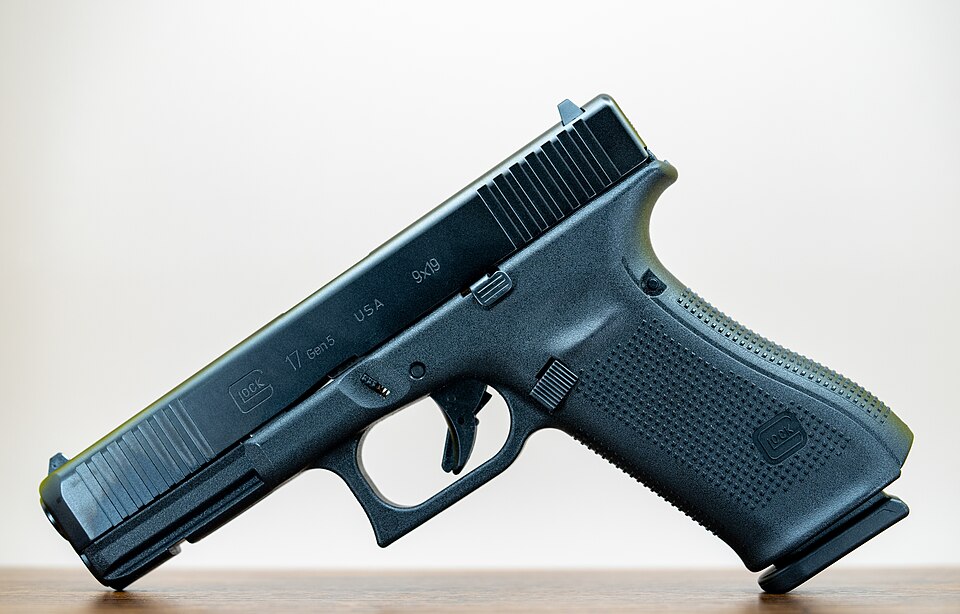
2. Glock is making room for the V Series
The discontinuations are tied directly to a replacement strategy rather than a retreat from the market. Glock stated that it was making updates to align with upcoming offerings, with the new V Series positioned as a baseline family that replaces much of the Gen 4 and Gen 5 spread. That matters because the outgoing pistols are not being dropped in isolation. They are being cleared out so the next architecture can arrive without Glock carrying several generations of near-duplicate products at once. In engineering terms, this looks more like a platform reset than a discontinuation in the traditional sense.
3. Illegal conversion devices have forced a design response
A major pressure point is the rise of illegal conversion devices commonly known as Glock switches. These devices are designed to alter a semi-automatic pistol into an unlawful automatic configuration, and they have pushed Glock’s rear-plate and fire-control design into a legal and regulatory spotlight. The V Series has been described as incorporating an anti-switch design intended to make those conversions harder. The issue has moved beyond criminal enforcement and into product design. Once a manufacturer’s most recognizable mechanical layout becomes associated with an illicit add-on, redesign becomes part of risk management as much as engineering.

4. Regulatory pressure is no longer limited to one state
Glock also faces a tougher legal environment around convertibility claims. In New Jersey, the state alleged that Glock pistols can be altered with a device that fits into the backplate and that can be acquired cheaply or produced through consumer fabrication tools. The complaint argued Glock had been asked to modify its designs and had not done so. That pressure is broader than any single lawsuit. The 2025 discontinuation reporting also pointed to California’s AB 1127, a law aimed at firearms described as readily convertible. For a company selling into multiple states with different compliance burdens, a fresh baseline design reduces the number of separate legal headaches attached to older configurations.

5. Optics-ready expansion created overlapping versions
The MOS system helped keep Glock current as slide-mounted red dots moved from competition to mainstream carry and duty use. A pistol like the G17 MOS could accept a wide range of mini red dots through its plate system, while still retaining the familiar Glock operating system and aftermarket compatibility. That made MOS models popular, but it also created duplicate branches of the same gun: standard and MOS, across several generations. Once optics-ready versions multiplied across full-size, compact, and long-slide models, the lineup became harder to justify as separate permanent products. Consolidation allows Glock to decide where optics support belongs in the next family instead of maintaining so many parallel variants.

6. Some calibers and niche models no longer fit the center of demand
The reported discontinuation list stretches well beyond staple 9mm pistols. It includes .40 S&W, 10mm, .45 ACP, .357 SIG, and .45 GAP variants, along with competition-oriented and specialty long-slide models. That suggests Glock is concentrating on its most durable market core rather than preserving every historical branch of the brand. This is typical of mature product families. When one platform becomes dominant, the unusual chamberings and edge-case configurations often survive only as long as they justify their own manufacturing and distribution footprint.
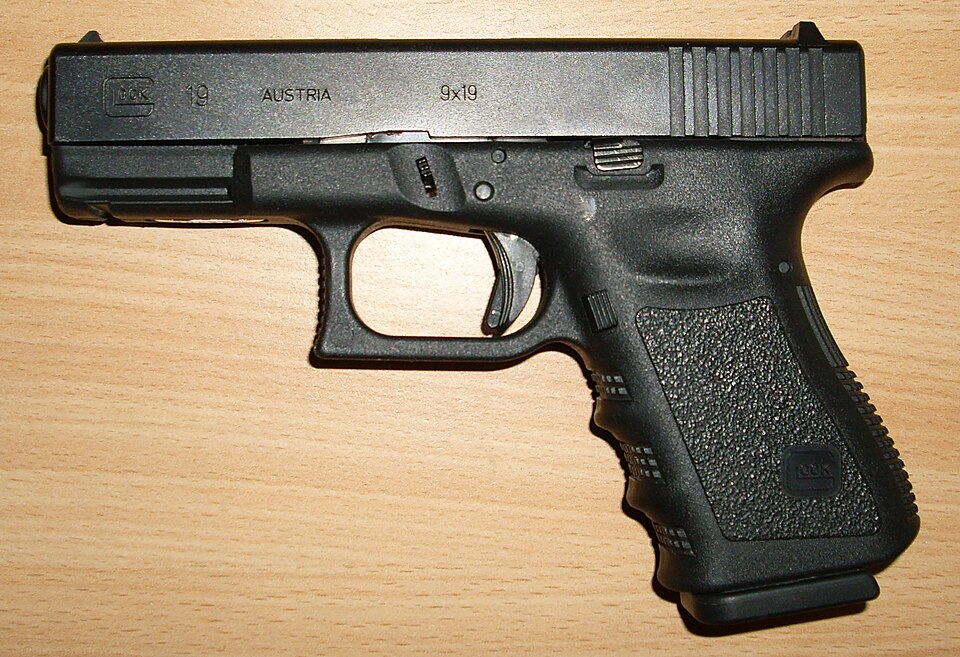
7. Gen 3 staying alive shows the cuts are selective, not random
One revealing detail is that Gen 3 models continue in production while many newer variants are being dropped. That does not mean Glock is moving backward. It shows the company is keeping the versions that still serve specific compliance and institutional roles while retiring generations that overlap too heavily with what comes next. In other words, the decision is not about age alone. It is about where each design sits in the intersection of regulation, legacy compatibility, and future product planning.
8. The aftermarket is strong enough that Glock can streamline without stranding owners
Glock has an unusual advantage when shrinking a catalog: the ecosystem around the pistols is enormous. The G17 alone has long been described as the number one law enforcement sidearm and one of the most common modern handguns in circulation, with extensive support for magazines, sights, holsters, internal parts, and optic plates. That installed base changes the consequences of discontinuation. Owners of outgoing models are not left with orphaned designs. They remain tied to one of the deepest support networks in the handgun world, which gives Glock more freedom to simplify its factory lineup.

The larger story is not that Glock is walking away from its best-known pistols. It is that the company appears to be trading variety for control: fewer overlapping models, a cleaner production structure, and a new baseline shaped by optics trends, legal pressure, and anti-conversion redesign. For a brand built on mechanical sameness, that may be the most Glock move possible.


