
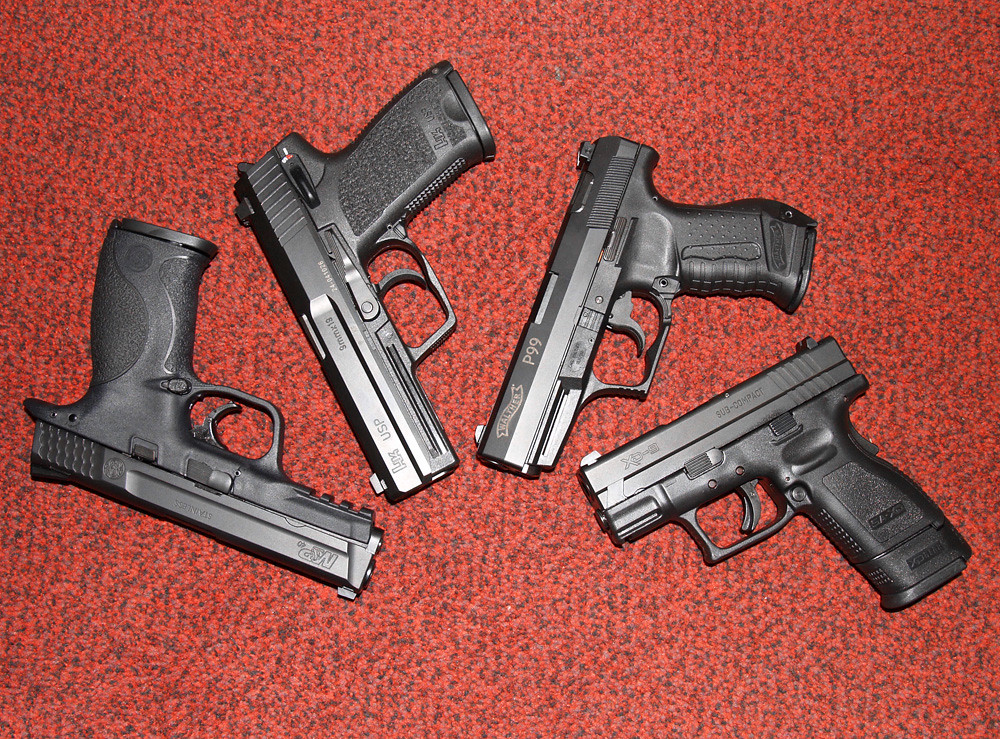
For decades, Glock’s catalog looked almost permanent. A buyer could choose a size, a caliber, a generation, and expect that exact configuration to remain part of the commercial landscape for years.
That pattern has changed. The company’s recent portfolio cuts point to something larger than routine housekeeping: a reset around manufacturing discipline, optics-ready standards, and internal redesigns that matter far beyond a dealer’s shelf. For a brand built on consistency, trimming the lineup signals where the platform is headed next.

1. Too many overlapping models were slowing the machine
Glock’s product tree had grown into a dense web of near-duplicates across Gen3, Gen4, and Gen5, with overlapping frame sizes, finishes, and chamberings. That kind of breadth gives buyers choice, but it also divides factory attention, warehousing space, and distributor inventory across slow-moving variants. Streamlining reduces changeovers, simplifies forecasting, and concentrates output on the models with the broadest demand. That logic also fits the wider 2025 firearms market, where manufacturers have leaned harder on efficiency as retail demand softened. Industry data showed retail firearm unit sales declined 9.6% year-over-year in early 2025, putting more pressure on companies to protect margins with tighter, cleaner product planning.

2. Factory optics are no longer a side option
Optics-ready pistols used to sit in a separate lane from standard models. That separation is fading fast. Glock’s catalog decisions increasingly reflect a market where red-dot compatibility is expected at launch, not added later through aftermarket slide work. The strongest sign is the company’s move toward deeper integration rather than simple cut slides. Some packages ship with optics installed through the Aimpoint A-CUT interface, which treats the sight as part of the pistol’s architecture. Once that becomes the baseline, older variants without that structure become harder to justify in a crowded catalog.
3. Gen5 became the natural technical center of gravity
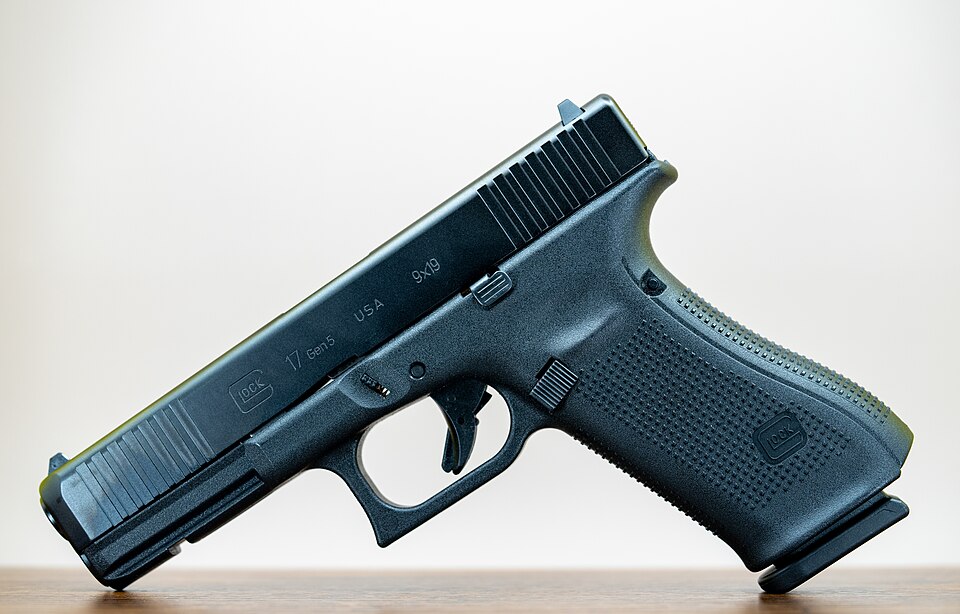
Glock has rarely reinvented its pistols in one leap. It tends to refine them in layers, and Gen5 pulled together several of the updates that had been building for years. The generation removed finger grooves, added an ambidextrous slide stop, introduced a slightly flared magazine well, and brought internal changes aimed at durability and reliability. It also shifted the barrel and finish package. The Gen5 line adopted the Glock Marksman Barrel and nDLC treatment while keeping the familiar operating system intact. That makes Gen5 less of a cosmetic refresh and more of a practical baseline for future production, especially when a company wants fewer branches to support.
4. Magazine and parts commonality still matter, but not across everything
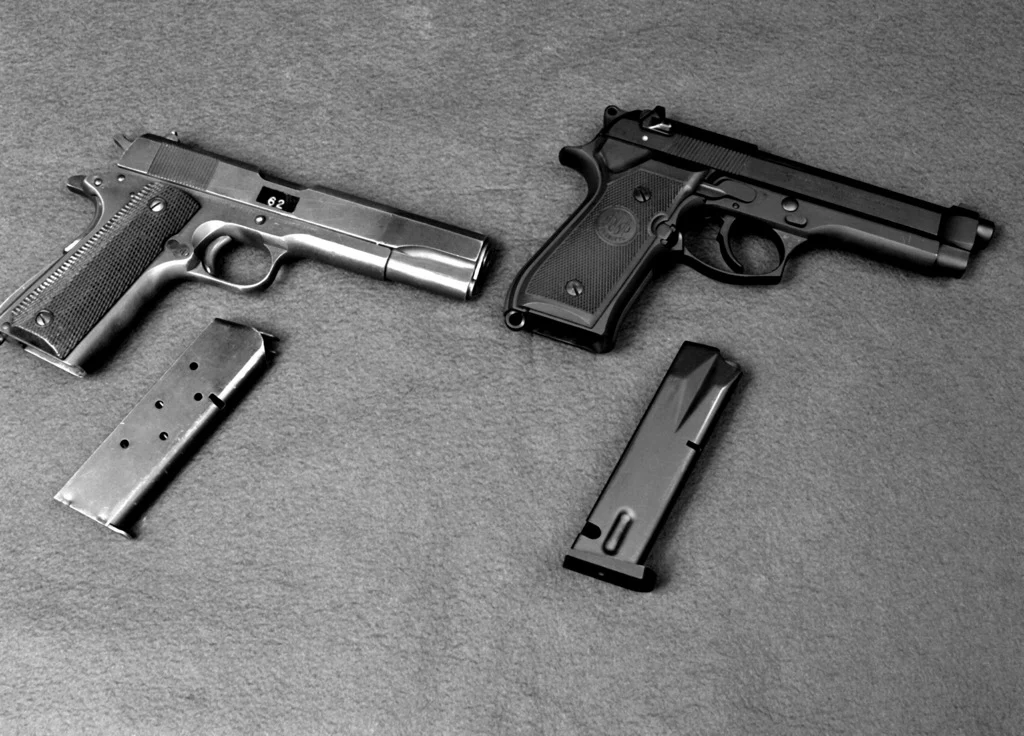
One reason Glock became deeply entrenched with agencies and civilian shooters was interchangeability. Full-size and compact pistols in the same caliber often shared magazines, and the platform’s simple architecture made armorer support unusually straightforward. Glock itself has long emphasized that the pistol uses roughly 35 parts, a design philosophy centered on mechanical simplicity. Even so, catalog sprawl eventually works against that advantage. Once multiple generations and niche variants remain in parallel production, compatibility becomes a planning burden rather than a selling point. Consolidation allows Glock to preserve commonality where it matters most while reducing the number of edge-case configurations that complicate service, training inventories, and aftermarket support.
5. Compliance pressure moved internal geometry into the spotlight
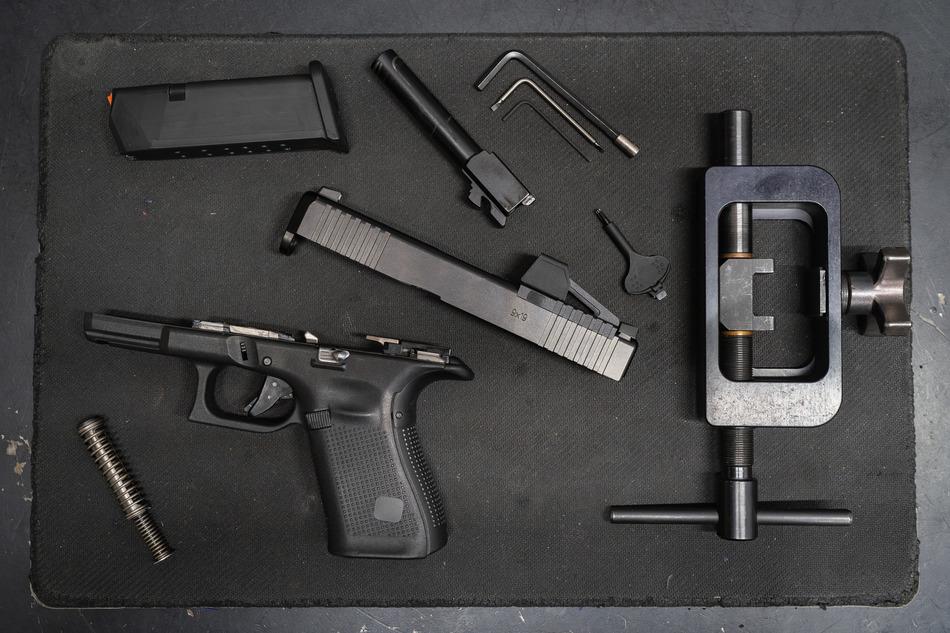
The strongest non-market pressure on Glock’s lineup has come from legal scrutiny surrounding illegal conversion devices known as switches. California’s AB 1127 targets dealer transfers of pistols categorized as readily convertible on and after July 1, 2026. The law’s language is unusually technical for a consumer handgun rule set, reaching into how a pistol is built rather than simply how it is sold. That matters because Glock’s commercial success makes its internal layout highly visible. When regulation starts focusing on trigger-bar geometry and ease of conversion, product planning can no longer treat internal dimensions as invisible details. They become compliance variables.

6. The new “V” line shows Glock wants a fresh baseline
Catalog cuts make more sense when viewed alongside the company’s replacement strategy. Glock announced a V-designation family meant to simplify the lineup while establishing a new default set of models, including full-size, compact, crossover, and select MOS variants. In trade coverage, the V series was described as “a baseline of products while simplifying our processes”.
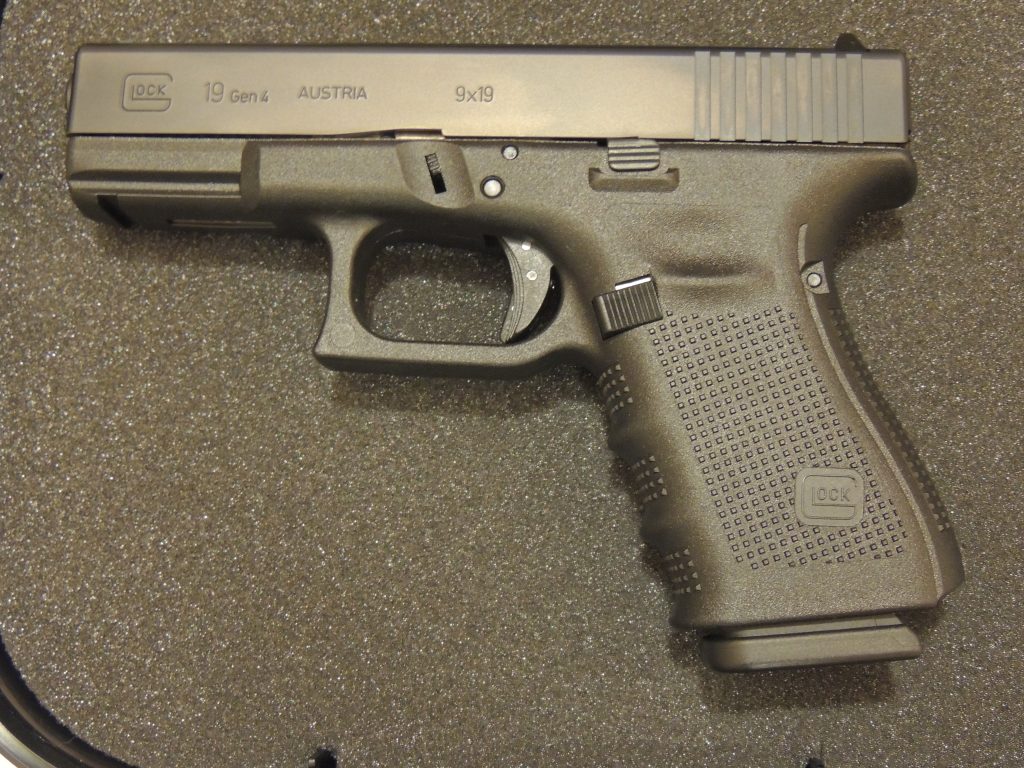
The important point is not cosmetic novelty. Glock stated that the pistols would remain externally familiar, which suggests the reset is mainly about what sits under the skin and which models deserve full production priority going forward.

7. Glock is protecting its core institutional footprint while reshaping retail
Glock’s commercial catalog may be shrinking, but the company’s position with agencies remains a major stabilizing force. Glock says over 65% of federal, state and local agencies in the United States have been issued GLOCK pistols, and that installed base changes how a lineup can be reworked. Agencies need parts continuity, armorer familiarity, and training consistency more than they need every commercial variant to survive indefinitely. That is why Glock’s statement on the reduction mattered: “In order to focus on the products that will drive future innovation and growth, we are making a strategic decision to reduce our current commercial portfolio. This streamlined approach allows us to concentrate on continuing to deliver the highest-quality and most relevant solutions for the market.”

A company with that kind of institutional presence can narrow the retail offering without abandoning the larger ecosystem already built around the platform. Glock’s smaller catalog is not simply a retreat from variety. It is a sign that the company is choosing a tighter technical baseline at a time when optics integration, manufacturing efficiency, and anti-conversion design work all carry more weight than they did a decade ago. For owners, the practical takeaway is straightforward: older models do not disappear, but the center of gravity does. Parts support, accessory development, and the idea of what counts as a “standard” Glock are moving toward a narrower set of pistols engineered for the next phase of the platform.


