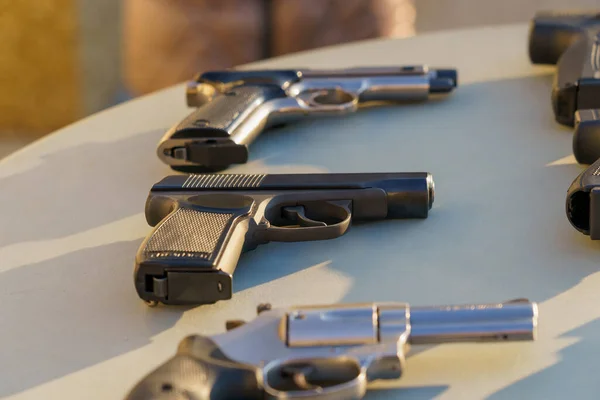
Firearms history is full of designs that looked ingenious on paper. A new locking system, a clever workaround, a lighter frame, or a bold production shortcut can all sound like the next step forward until the first magazines, shells, or cartridges go through the gun. The models below stand out not because they were obscure, but because each one carried some form of technical ambition. In different ways, they showed how quickly a promising idea can collapse when reliability, handling, or safety falls short at the range.
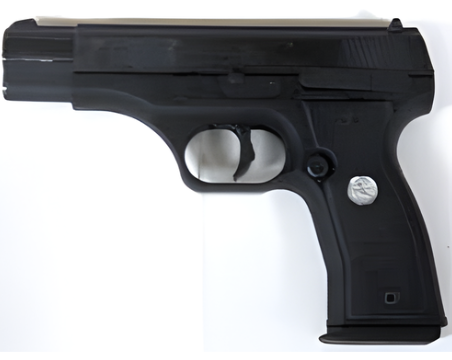
1. Colt All American 2000
Colt wanted a modern American answer to the polymer-framed, high-capacity 9mm era, and the All American 2000 arrived with serious design pedigree. It grew out of work by Eugene Stoner and C. Reed Knight, used a rotating barrel, and even featured a trigger module that anticipated later modular handgun thinking. What reached shooters was much less convincing. The production version carried a 12-pound trigger pull, a removable front section that also held the front sight, and a reputation for poor accuracy and extraction trouble. A pistol meant to announce Colt’s leap into the future instead became one of the clearest examples of re-engineering a promising concept into failure.
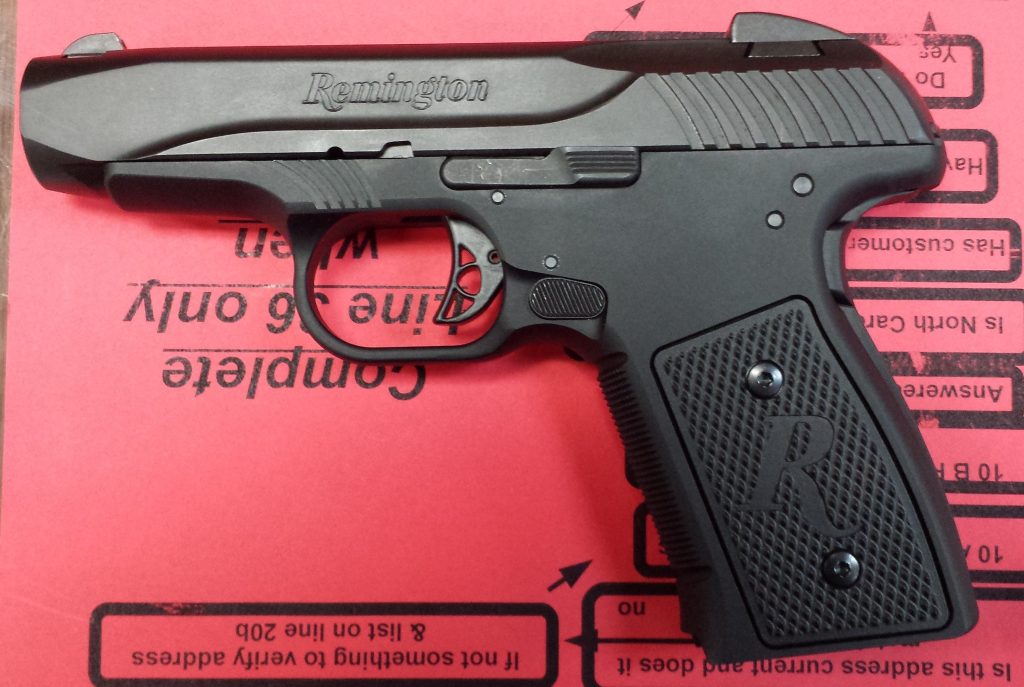
2. Remington R51
The R51 revived John Pedersen’s old hesitation-lock principle and wrapped it in a slim, art-deco-inspired concealed-carry pistol. It promised soft recoil, a low bore axis, and a refreshing alternative to the standard locked-breech compact 9mm. Early examples were undone by basic function. Reviewers documented repeated stoppages, difficult disassembly, and even out-of-battery firing problems. A revised version improved matters but never repaired the design’s damaged reputation. The R51 remains a case study in how a revived mechanism can still fail if execution and manufacturing quality are not ready for release.
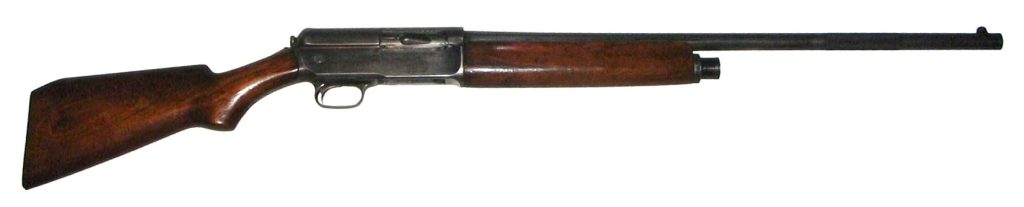
3. Winchester Model 1911 SL
The Winchester 1911 SL existed because patent pressure forced designers away from more obvious autoloading solutions. Its most unusual feature was also its defining flaw: instead of using a conventional charging handle, the shooter had to pull back on the barrel itself to cycle the action. That workaround made the gun memorable for all the wrong reasons. According to Winchester’s barrel-charging system, operation was awkward even before wear, heat, and recoil entered the picture. The shotgun’s “Widowmaker” nickname may be larger than the documented record, but the design still showed how solving a patent problem can create a user problem that overshadows everything else.
4. Nambu Type A
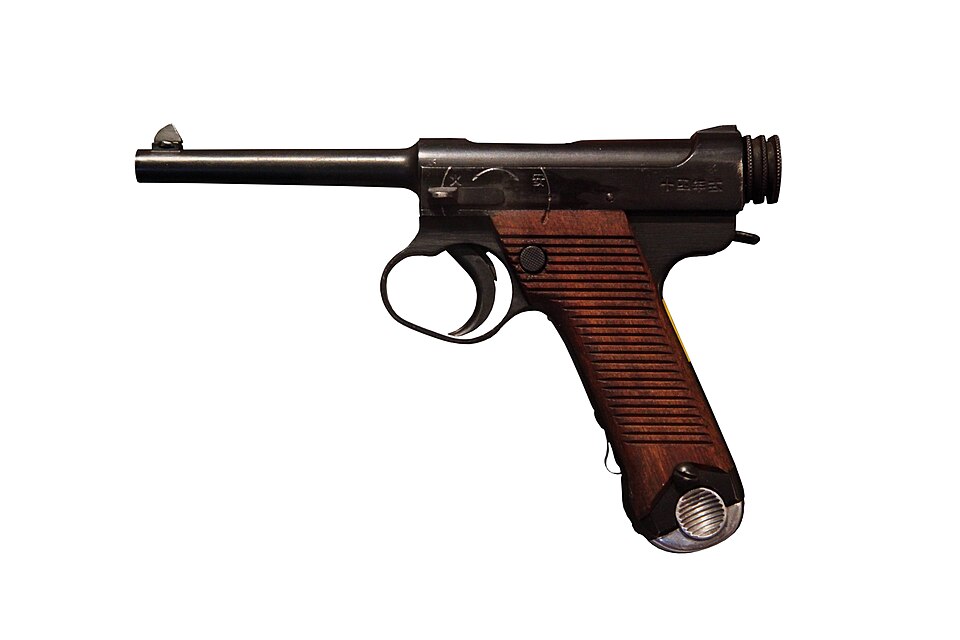
Japan’s early semi-automatic pistol effort looked modern at a glance, especially beside other turn-of-the-century military handguns. Under use, however, the Type A Nambu exposed a stack of practical flaws that mattered more than visual novelty. The pistol suffered from difficult magazine extraction, weak striker spring performance, and ergonomics that worked against quick, confident handling. In a handgun, where short-range reliability is everything, those faults were enough to turn a national design milestone into a range disappointment.
5. Beretta Model 1923
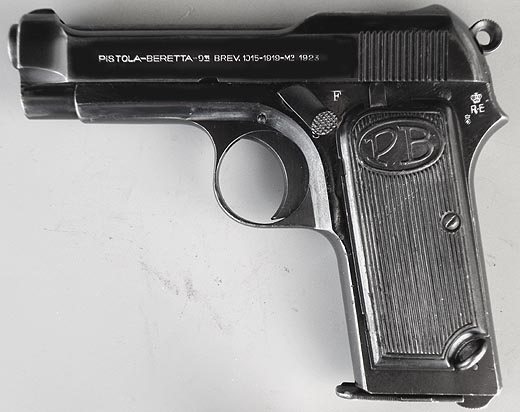
The Model 1923 was supposed to modernize Beretta’s earlier service pistol line, but its chambering decision became its central weakness. It used 9×19 Glisenti at a moment when 9×19 Parabellum was becoming the dominant European pistol round. That mattered because the cartridges were similar enough to invite dangerous confusion. A modernization effort that should have simplified service use instead introduced the possibility of the wrong ammunition being inserted with severe consequences. It was discontinued quickly, and later Beretta development moved in safer directions.
6. Type 68 Pistol
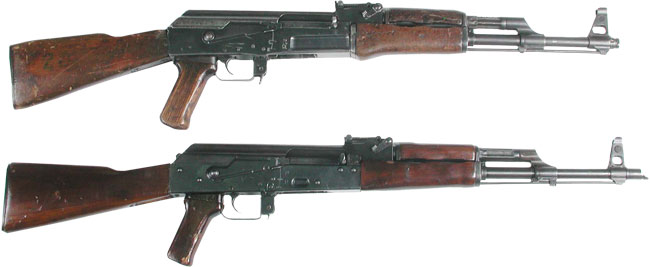
Based loosely on the Tokarev pattern, the Type 68 should have benefited from an already established operating concept. Instead, its altered dimensions made it shorter and bulkier than many other Tokarev variants, hurting one of the parent design’s main advantages: shootability The result was stronger perceived recoil and reduced accuracy. Even magazine compatibility was sacrificed, cutting off one of the practical benefits of building from a familiar platform. It was less an improvement on the Tokarev than a reminder that copying a proven gun does not guarantee preserving its strengths.
7. Deer Gun
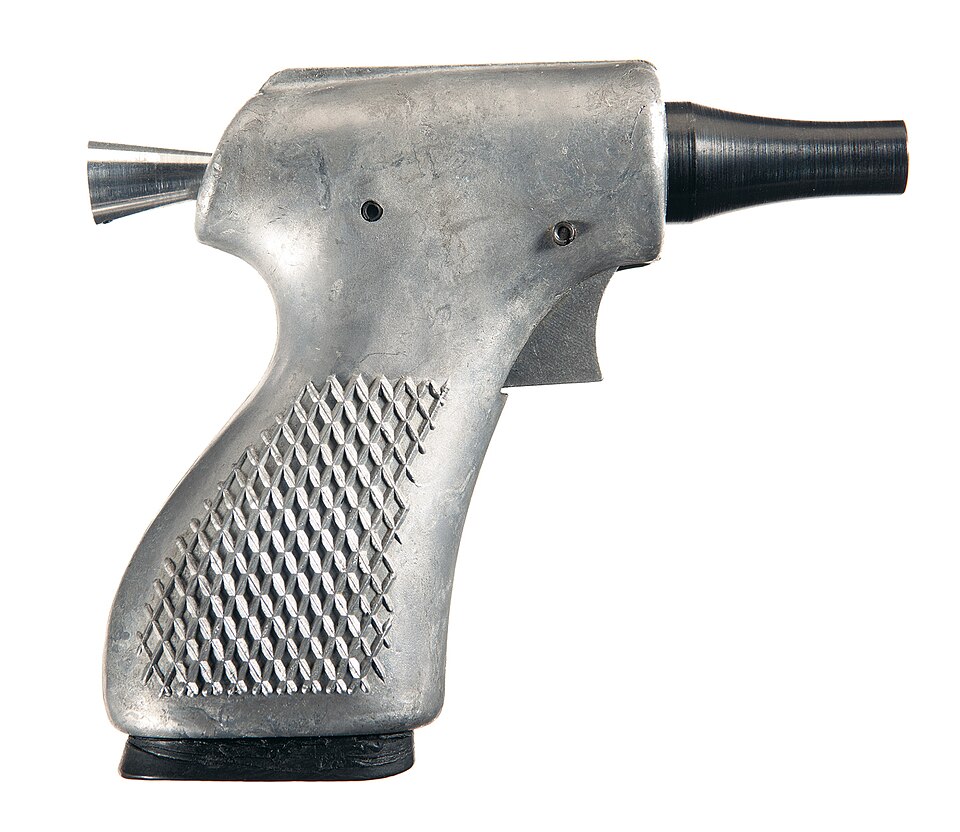
The Deer Gun is one of the starkest examples of engineering stripped down past usefulness. Conceived as a disposable, single-shot pistol, it was intended to be as simple and cheap as possible. That simplicity was also its failure. Its extremely slow reload process and one-shot format meant the user got almost no margin for error. Only 1,000 were built, and the concept never proved broadly practical. It was ingenious in packaging, but deeply limited as a fighting tool.
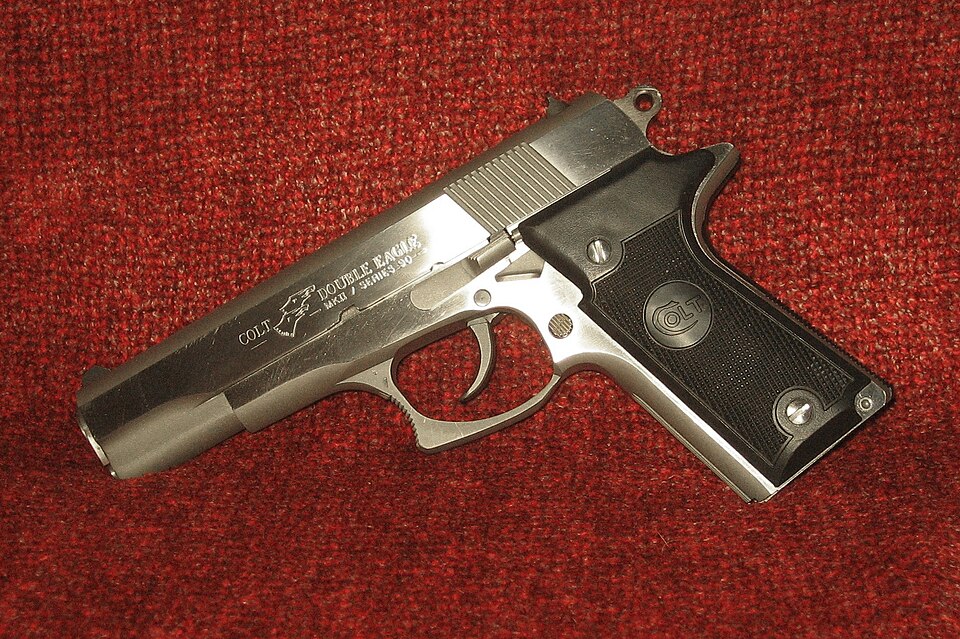
8. Colt Double Eagle
The Double Eagle was Colt’s attempt to modernize the 1911 formula with a double-action system. That pitch sounded sensible in an era when departments and shooters were shifting toward higher-capacity semi-autos and different trigger formats. On the range, it occupied an uncomfortable middle ground. It carried the weight and bulk of older steel-framed thinking without delivering the cleaner handling, capacity, or simplicity shooters were starting to expect. It was not as catastrophic as some other entries here, but it still fell short of the breakthrough role it was supposed to play.
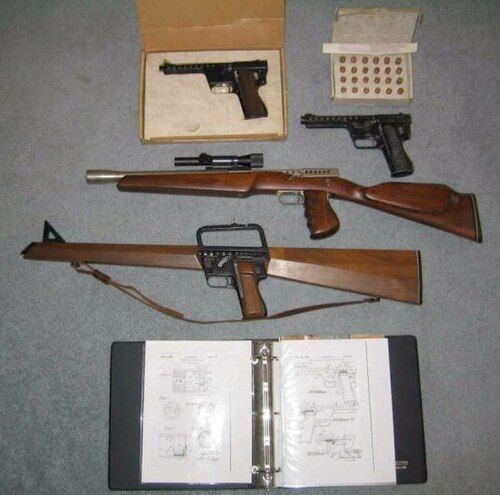
9. Gyrojet Pistol
The MBA Gyrojet remains one of the most imaginative handgun concepts ever sold. Instead of firing conventional bullets, it launched tiny rocket projectiles, a concept that promised low recoil and futuristic performance unlike anything in a standard pistol. The problem was that range performance did not match the concept art. Accuracy was inconsistent, projectile velocity behavior was unusual at close distance, and ammunition complexity kept the system from becoming practical. It is still one of the best examples of a radical ballistic idea failing to beat conventional handguns where it counted.
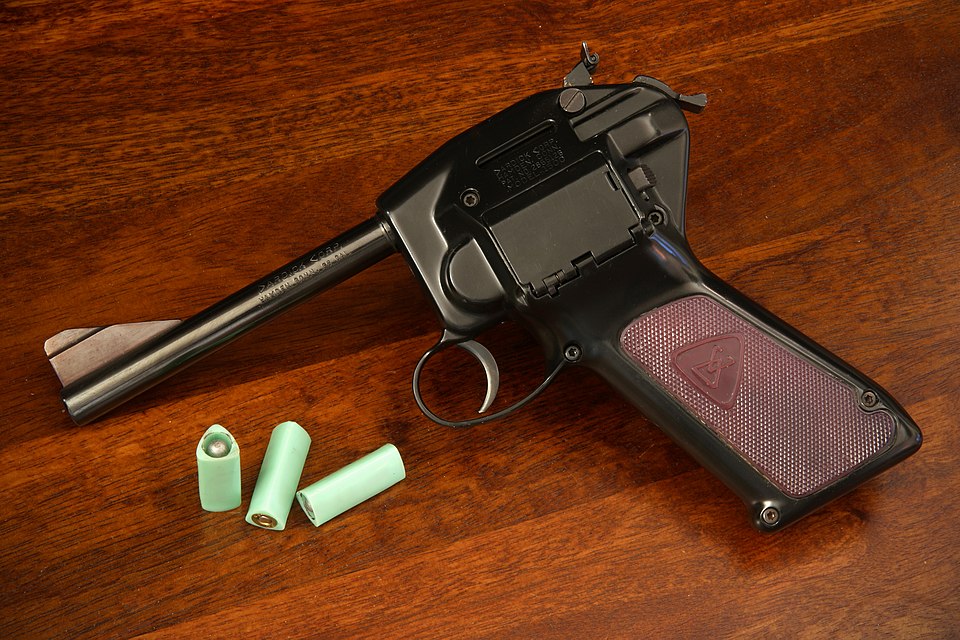
10. Dardick Model 1500
Dardick’s open-chamber revolver-pistol hybrid tried to rethink ammunition and feeding at the same time. Its triangular “tround” cartridges and unusual action made it one of the boldest departures from standard handgun design ever offered to the public. It also asked shooters to accept too many changes at once. Novel ammunition, unfamiliar mechanics, and limited practical payoff kept it from gaining traction. The gun proved that innovation can be technically real and commercially impressive in concept while still failing to win confidence on the firing line.
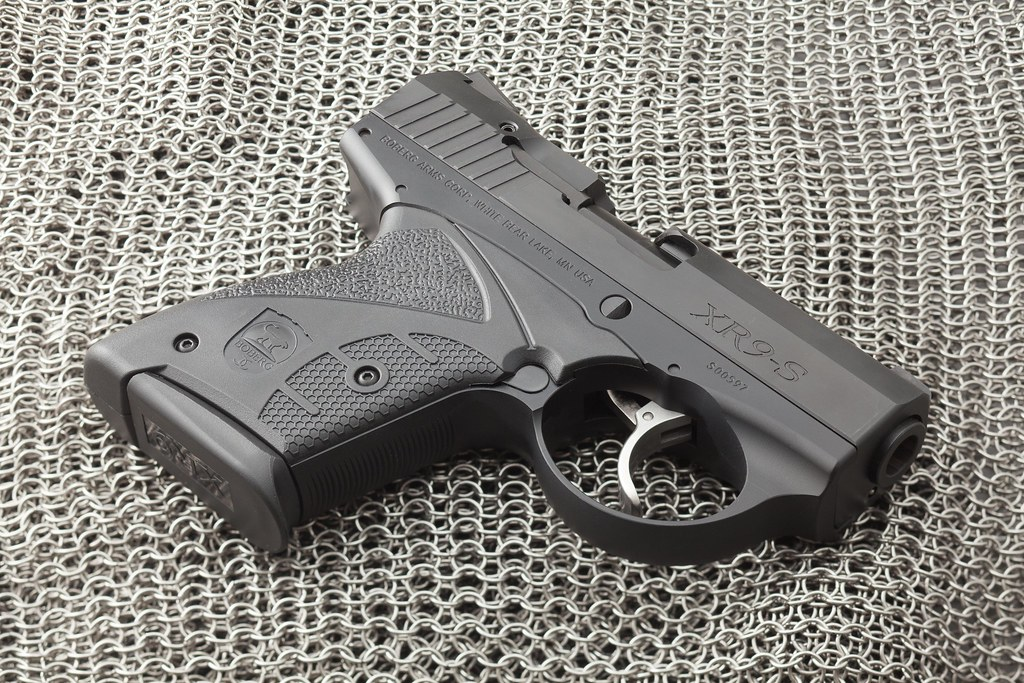
11. Boberg XR9
The Boberg XR9 offered a genuinely original feed system that pulled cartridges rearward from the magazine before chambering them. That let the pistol pack a longer barrel into a compact footprint, exactly the kind of clever packaging solution concealed-carry design often chases. Its trouble was sensitivity. The mechanism could be finicky with ammunition selection, and a carry pistol built around a specialized feeding path has little tolerance for inconsistency. The engineering was striking, but range trust is earned through repetition, and that was the hard part.
These firearms did not fail because they lacked ideas. Most had too many. They chased new lockups, fresh ergonomics, patent detours, exotic ammunition, or compactness gains that sounded like the future. What separated the survivors from the curiosities was simpler: dependable cycling, safe handling, manageable recoil, and repeatable accuracy. In firearms design, the breakthrough only counts after the shooting starts.


