
Defensive handguns are often discussed by caliber first, but specialists in terminal ballistics tend to start somewhere else: penetration, consistency, and reliability. That shift matters because a cartridge can be easy to carry or pleasant to shoot yet still leave too little margin when heavy clothing, short barrels, or imperfect shot angles enter the picture.
The benchmark most often cited in this conversation is the FBI’s 12-to-18-inch penetration standard, developed around calibrated gelatin testing. Gelatin is not a stand-in for anatomy, but it remains a useful comparison tool for spotting patterns. The calibers below tend to show the same pattern repeatedly: they either struggle to reach adequate depth, give up too much performance when bullets expand, or rely on platforms that bring reliability compromises into a defensive role.
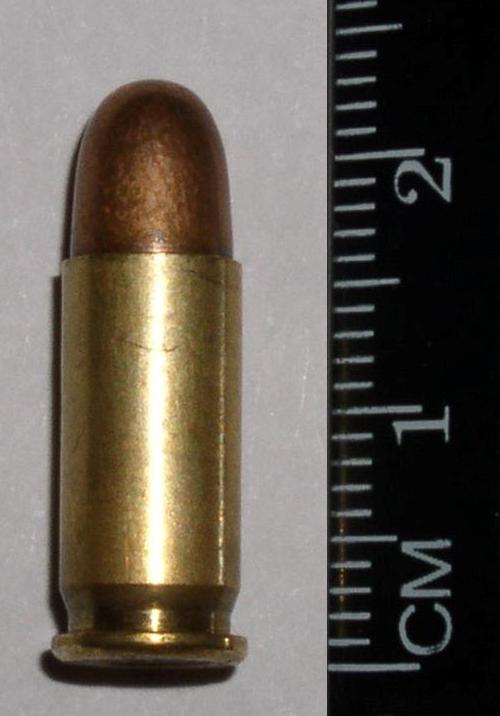
1. .25 ACP
.25 ACP remains one of the clearest examples of a cartridge with almost no performance reserve. In pocket-pistol testing, even loads that avoided expansion often failed to deliver the depth expected from serious defensive ammunition. That leaves little room for clothing barriers or off-angle hits.
Results from pocket-pistol gel testing showed only one tested load getting all five shots past the 11-inch mark. For a cartridge already starting at the bottom of the power spectrum, that kind of inconsistency undercuts confidence in repeatable terminal performance.
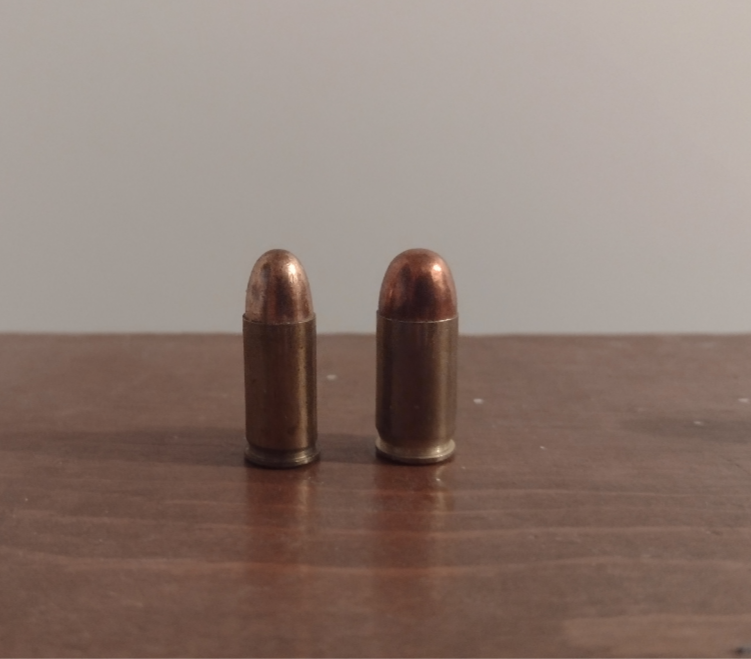
2. .32 ACP JHP
.32 ACP can look like a meaningful step above .25 ACP on paper, but hollow-point loads often expose its limits. Compact pistols shave velocity, and many expanding .32 loads give away too much penetration trying to open up.
The more revealing issue is that some .32 ACP hollow points still came up short even when expansion was limited or incomplete. That suggests the cartridge often lacks enough momentum to meet a demanding standard from true pocket-size barrels. In testing, FMJ generally penetrated better, but the JHP side of the caliber remains a weak point in defensive use.
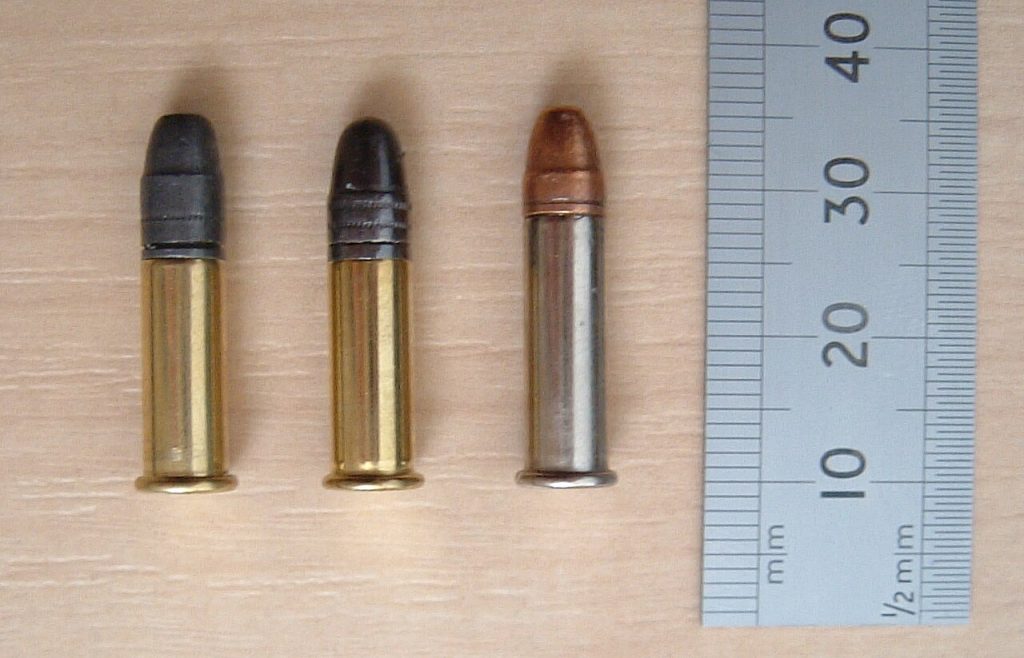
3. .22 LR From Short-Barrel Handguns
.22 LR is common, easy to shoot, and chambered in many compact handguns. None of that changes the cartridge’s central problem in a defensive pistol: short barrels cut velocity, and the round has little energy to spare.
Testing showed that modest increases in barrel length improved performance, but snub-length handguns still left the round with narrow penetration margins and almost no realistic expansion headroom. There is also the rimfire issue. Because rimfire priming can have voids in the compound around the case rim, centerfire priming is generally more reliable than rimfire, which makes .22 LR a weaker defensive choice even before gel performance is considered.
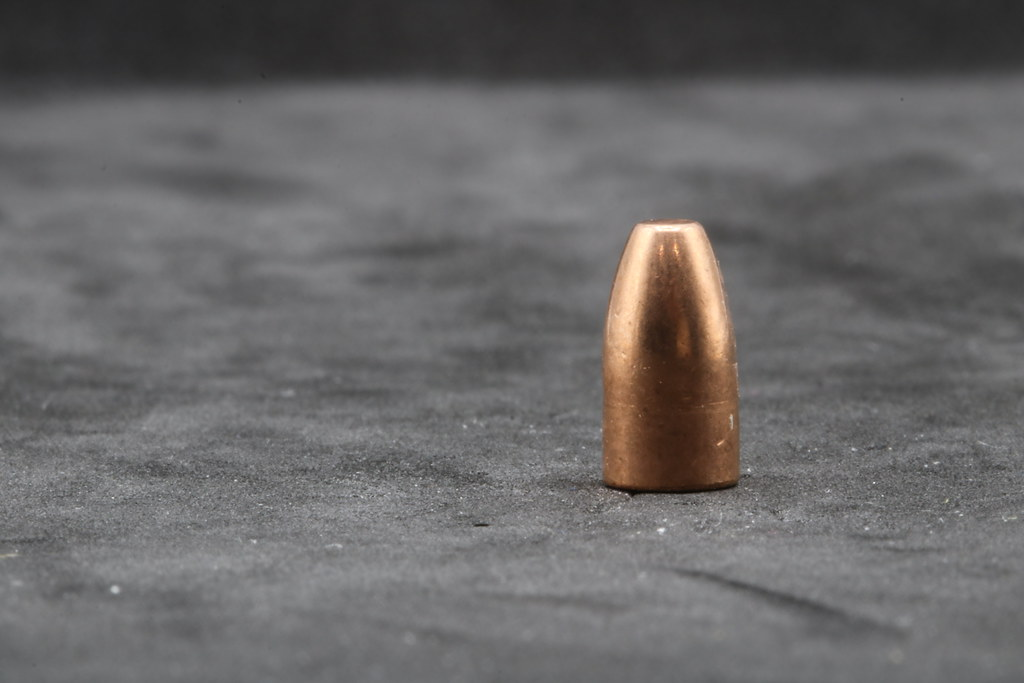
4. .22 WMR Short-Barrel Defensive JHPs
.22 Magnum does deliver more speed than .22 LR, and in handguns that advantage is real. The problem appears when short-barrel defensive hollow points are tuned for expansion. They often open well enough, but the added expansion costs depth.
Conventional .22 WMR loads frequently penetrated better because they did not expand. Purpose-built defensive loads for short barrels produced the opposite tradeoff: better upset and shallower travel. That leaves the shooter choosing between decent penetration without expansion or more dramatic expansion without ideal depth, which is a familiar compromise in smaller calibers.
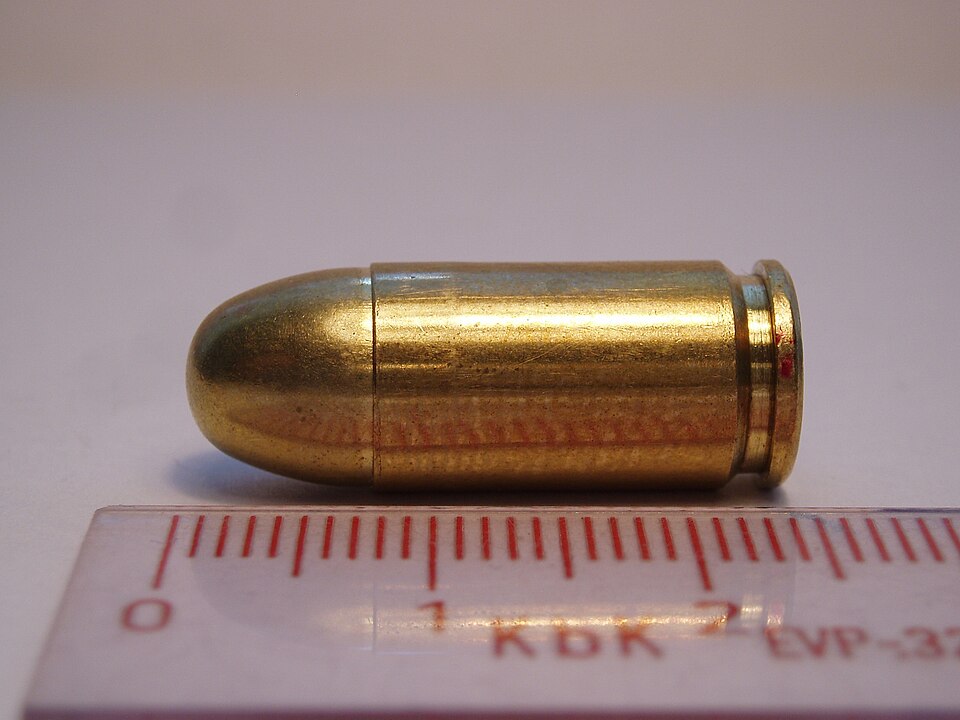
5. .380 ACP Lightweight High-Expansion Loads
.380 ACP sits on the border between workable and marginal, and bullet design determines which side it lands on. Loads built for rapid expansion can look impressive in gelatin, but they often stop short of ideal penetration after heavy clothing is added.
This is not a blanket dismissal of .380 ACP. Modern ammunition has made it more capable than earlier generations, and some loads perform credibly. Still, lightweight, fast-opening bullets are where the caliber most often undermines itself. In that form, it can offer expansion or depth, but not always both from the short barrels that define most .380 carry pistols.
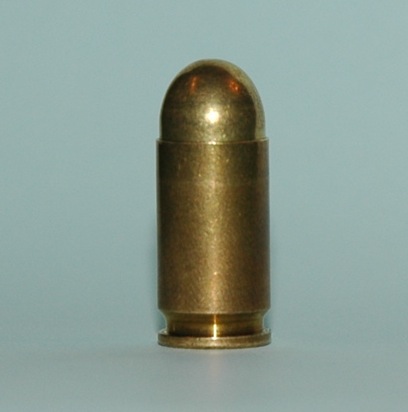
6. 9x18mm Makarov JHP
9x18mm Makarov has a dedicated following, but its defensive hollow-point options remain limited. In gelatin testing, basic JHP loads often behaved more like deep-penetrating solids than controlled-expansion defense rounds, while the more modern options did not clearly outperform strong .380 ACP loads.
That leaves the cartridge in an awkward position. It is not inherently ineffective, but the available defensive load landscape gives up the advantage expected from a purpose-selected carry round. When performance gains over more common alternatives are hard to demonstrate, the caliber becomes difficult to justify on terminal-ballistic grounds alone.
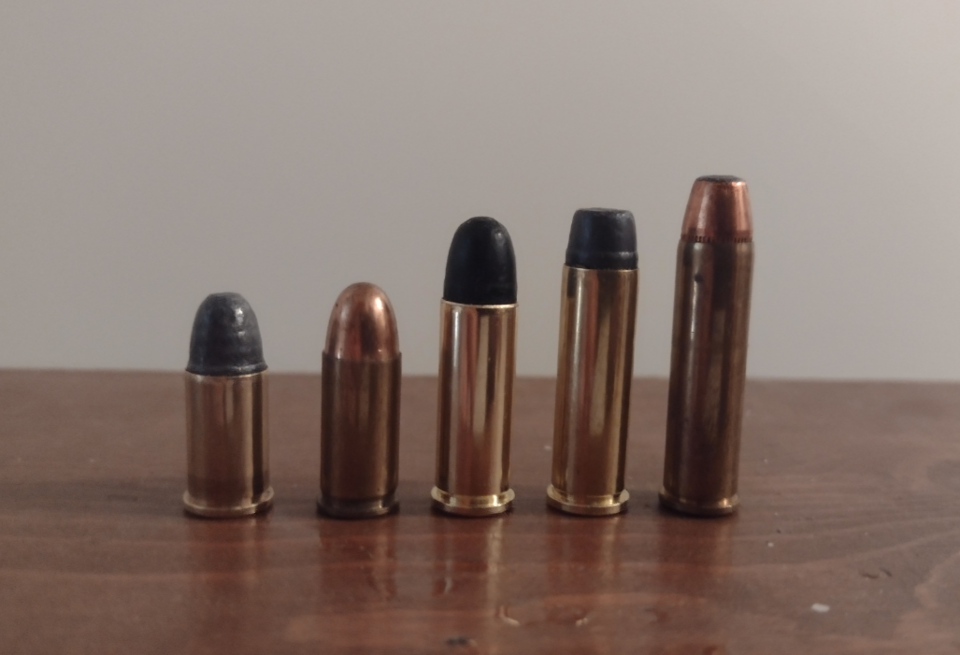
7. .32 S&W Long
.32 S&W Long is soft-shooting and can produce respectable straight-line penetration, but it offers little modern defensive development. Hollow-point performance is sparse, and at least one tested JHP showed no meaningful expansion from either short or longer revolver barrels.
That matters because defensive handgun design has moved toward controlled expansion paired with adequate depth. A cartridge that depends mainly on non-expanding behavior can still penetrate, but it does so without the broader terminal-performance gains expected from stronger modern service rounds. In practical terms, it asks the shooter to accept a lower ceiling.
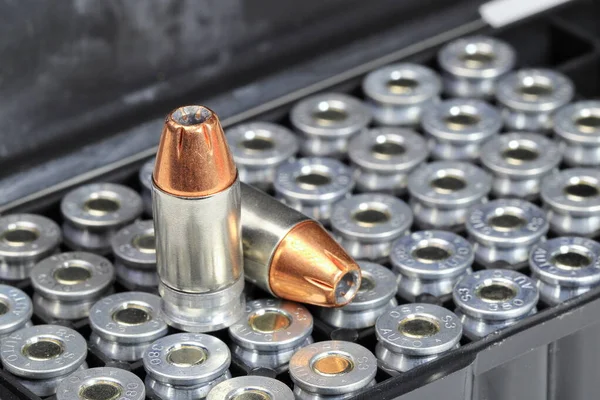
8. Fragmenting or Intentionally Low-Penetration Defense Loads
Some loads are marketed around reduced penetration or dramatic fragmentation. In handguns, both concepts tend to work against the first requirement of defensive ballistics: reaching vital structures consistently. When a bullet sheds mass early, the remaining core often loses the momentum needed to continue deeply. Loads intentionally tuned to stop short for indoor use can make the same trade in a different way. The issue is not branding but physics.
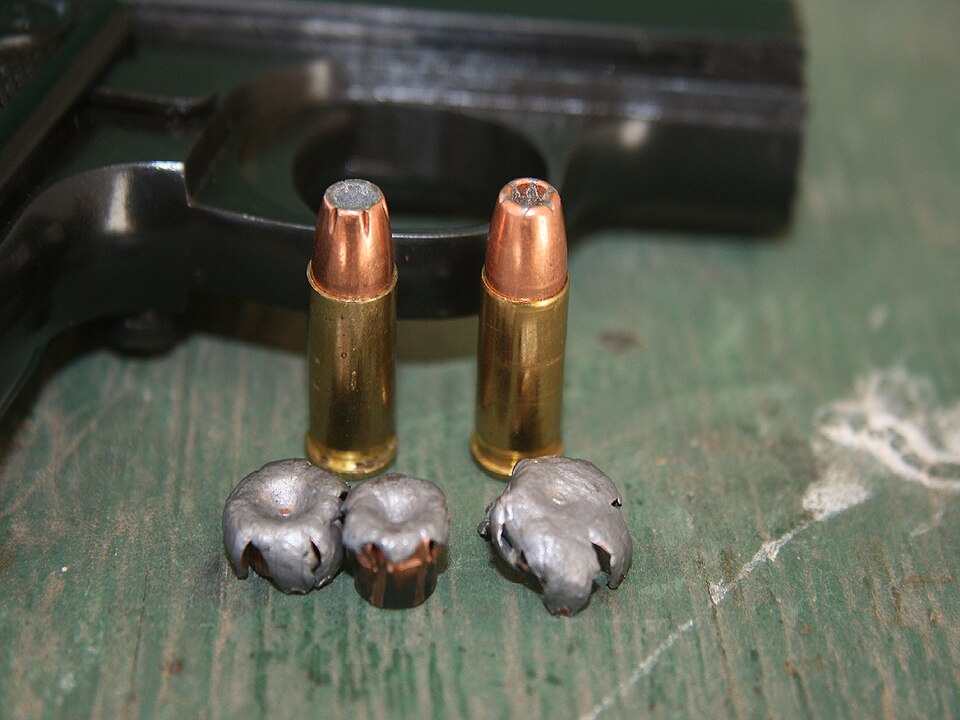
Across handgun platforms, designs that prioritize shallow disruption over straight-line depth tend to run afoul of the same penetration standards that larger, better-balanced service loads meet more reliably. The larger lesson is that defensive handgun performance is less about caliber labels than about margin. Small cartridges, short barrels, rimfire ignition, and aggressive bullet expansion all reduce margin in different ways. That is why these calibers and load types keep appearing in ballistic discussions. Once penetration falls below a dependable threshold, every other claimed advantage becomes secondary.


