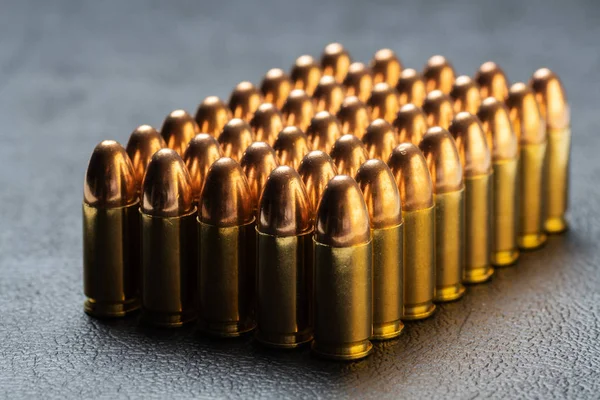
Handgun caliber debates often sound settled until controlled testing starts stripping away the folklore. The biggest change came when agencies and ammunition makers stopped judging rounds by label alone and started comparing what bullets actually do after impact. The benchmark that reshaped the conversation is the FBI’s 12-to-18-inch penetration window in calibrated gelatin. As retired FBI firearms veteran Bill Vanderpool put it, “It was more a matter of bullet construction than caliber.” That standard does not crown a magic cartridge, but it does reveal which handgun rounds leave too little margin once clothing, bone, or awkward angles enter the equation.
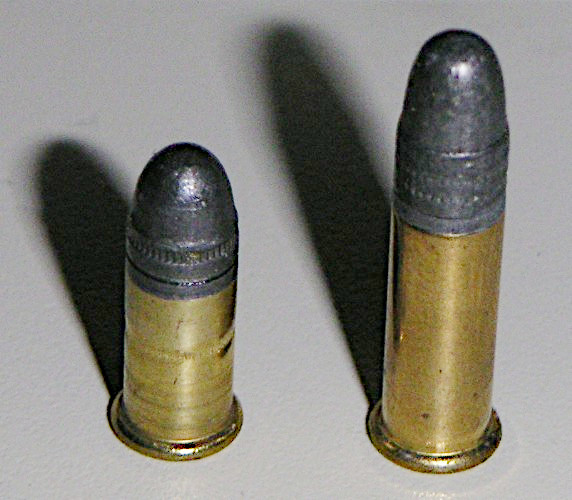
1. .22 Short
The .22 Short remains one of the oldest surviving metallic cartridges in common circulation, and its appeal is easy to understand. Recoil is minimal, report is modest, and the round still fits light target shooting and close-range pest work. Its limitations show up quickly when the discussion shifts to defensive or hunting use.
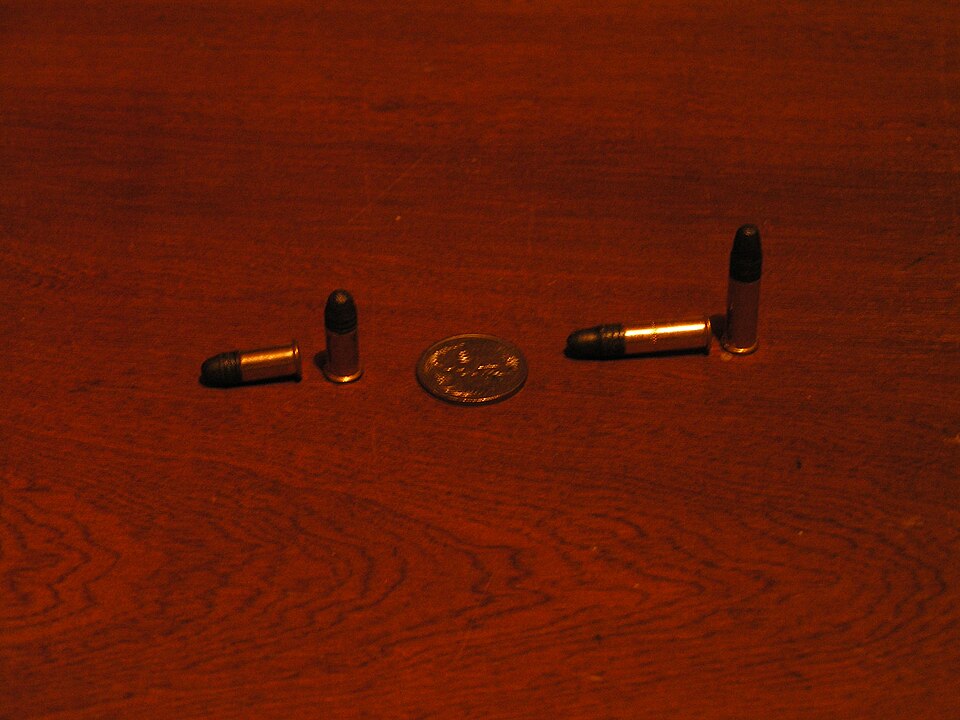
The cartridge carries too little bullet mass and too little momentum to offer dependable penetration into vital structures. That matters because 12 to 18 inches became the key yardstick for service handgun performance, and .22 Short sits well outside the spirit of that standard.
2. .25 ACP
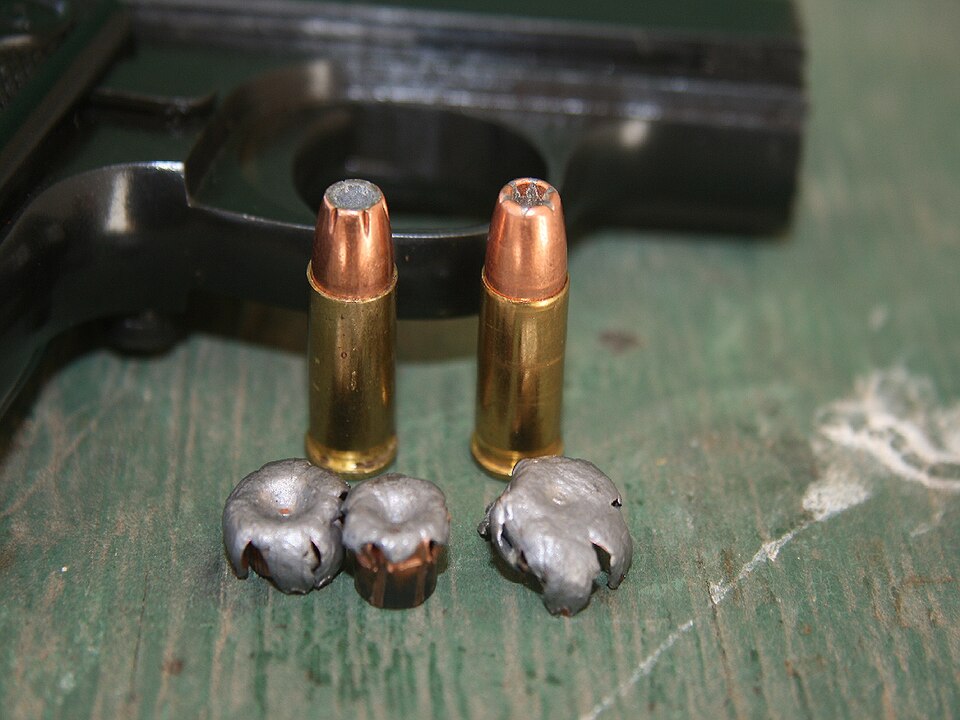
John Browning’s .25 ACP was designed to improve on small rimfire pocket pistols by using centerfire ignition. That gives it a genuine technical advantage over tiny rimfire cartridges, especially in older deep-concealment handguns where ignition reliability matters. Penetration is the problem it never fully solved. Heavy-clothing gel testing has repeatedly shown that .25 ACP struggles to reach meaningful depth, and even full metal jacket loads do not consistently clear the minimum expected of stronger defensive rounds. The result is a cartridge with very little reserve once fabric, angle, or bone starts slowing it down.
3. Original .32 S&W
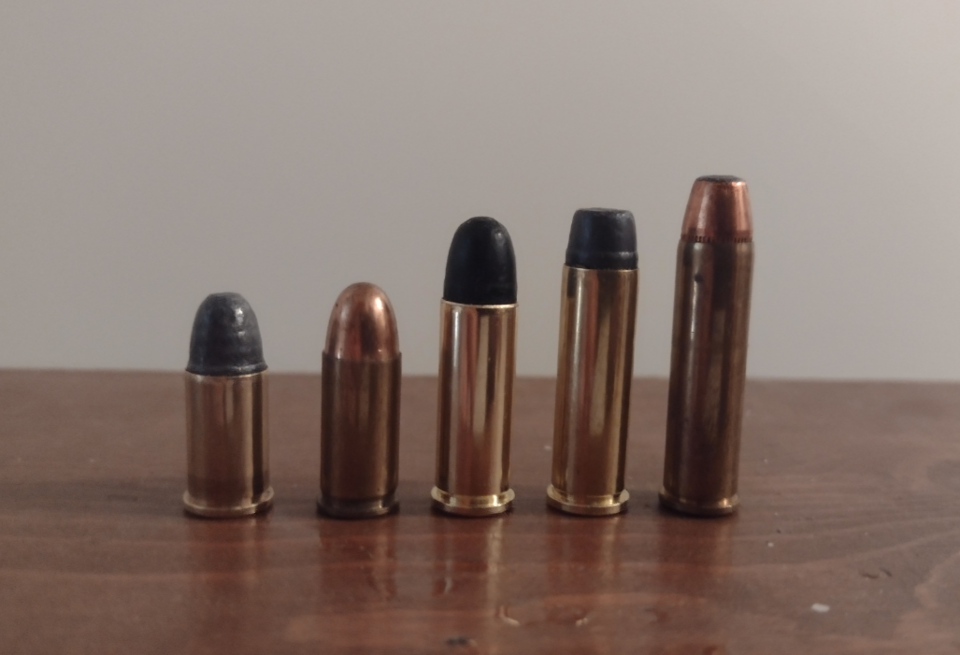
The original .32 Smith & Wesson once filled holsters and coat pockets across the United States. In its own era, mild recoil and compact revolvers made it practical for everyday carry. Modern standards are less forgiving. Compared with later .32 family cartridges, the original version lacks the velocity needed to drive a bullet deeply or create much disruption after impact. It survives today mostly as a historical chambering, not as a serious answer to current defensive expectations.
4. .410 Bore From Handguns
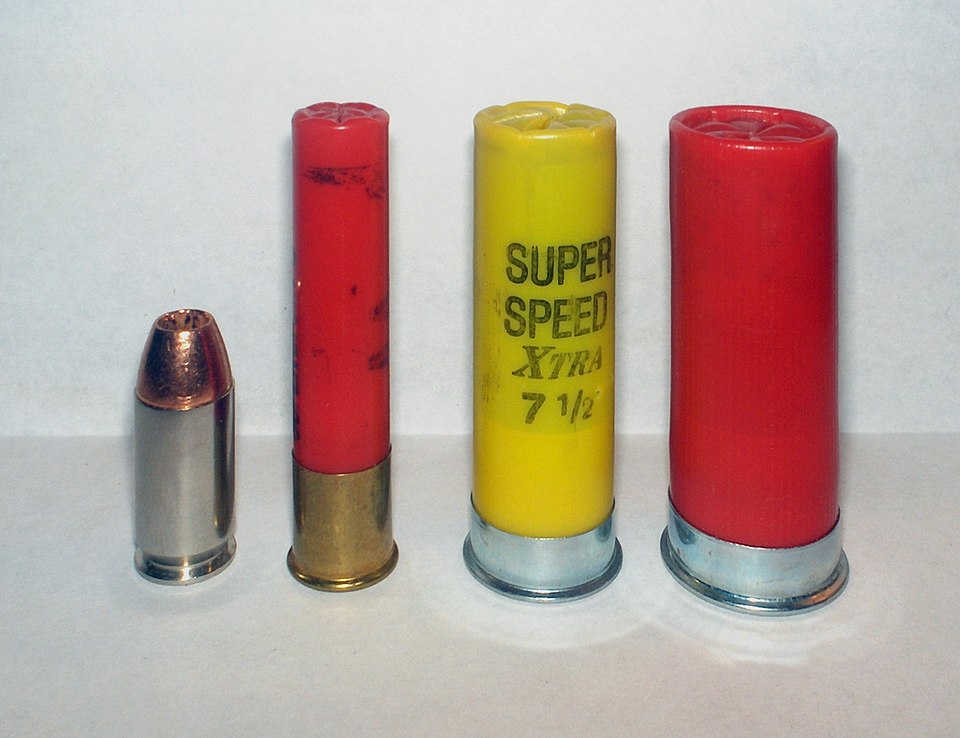
The .410 handgun concept sells itself on visual drama: multiple projectiles, a large muzzle opening, and the promise of forgiving shot spread from a compact revolver. The engineering tradeoff is far less glamorous. Short handgun barrels cut velocity, and that leaves pellets with limited individual energy. Some buckshot loads can penetrate adequately in bare gel, but results tend to weaken once heavy clothing is added. Slug loads also face stability questions from short-barreled revolvers. In practical terms, handgun .410 often exchanges straight-line penetration for wider but shallower effect, a poor bargain when the target path is not simple.
5. .22 LR From Short-Barrel Handguns
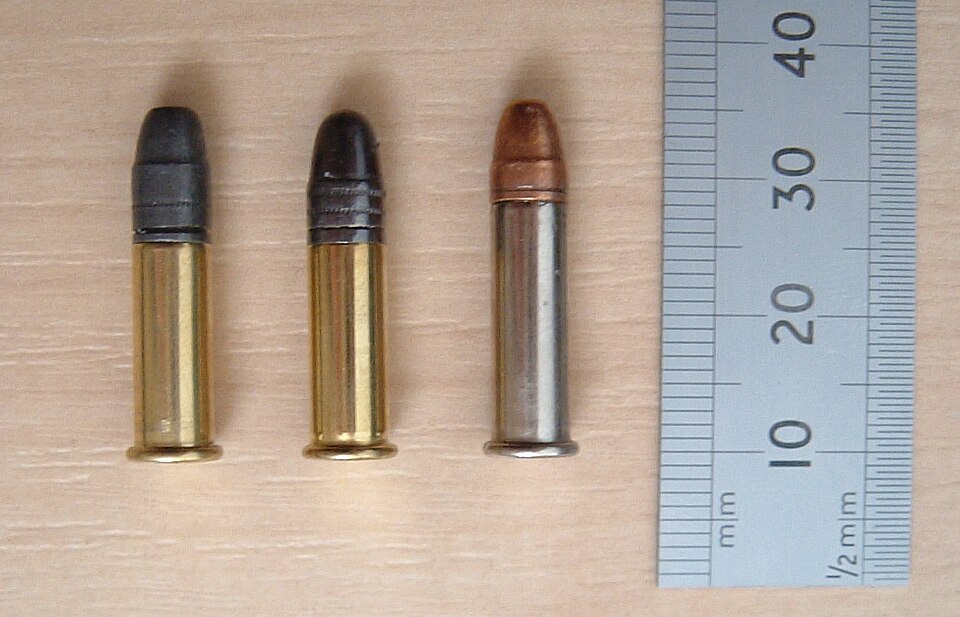
.22 Long Rifle is one of the world’s most useful cartridges, but barrel length changes the story dramatically. From very short handguns, velocity loss becomes a real handicap, shrinking the round’s already thin performance margin. Controlled gel work has shown that .22 LR from short-barrel handguns often lacks the penetration headroom expected from a defensive load. Expansion is usually limited, and attempts to force expansion tend to reduce depth even more. The round can still be dangerous, but danger and reliable terminal performance are not the same thing.
6. .380 ACP With the Wrong Load
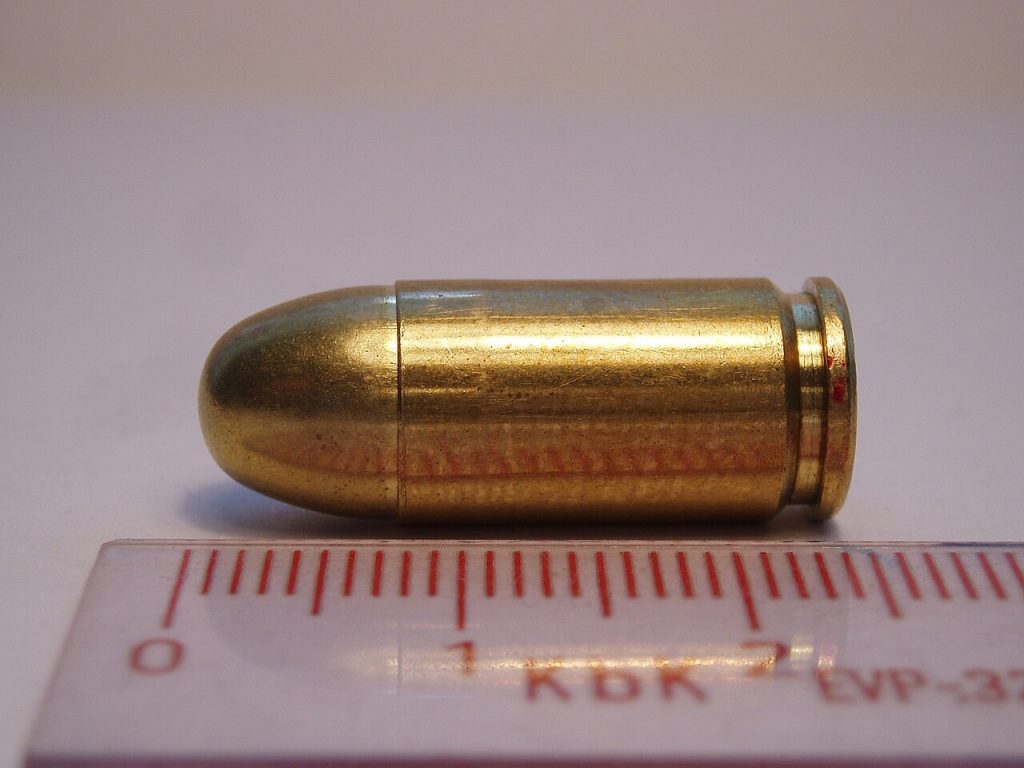
.380 ACP occupies the edge of modern defensive acceptability, which makes load design unusually important. The caliber can work, but it does not forgive poor bullet choices. Fast, lightweight hollow points may expand impressively yet stop short of ideal depth, especially after passing through clothing. Full metal jacket loads can travel farther, but sometimes at the cost of a smaller wound channel. Testing across many popular loads has shown that lightweight, high-expansion loads are where .380 ACP most often dips below the benchmark. In this caliber, bullet construction matters at least as much as the cartridge headstamp.
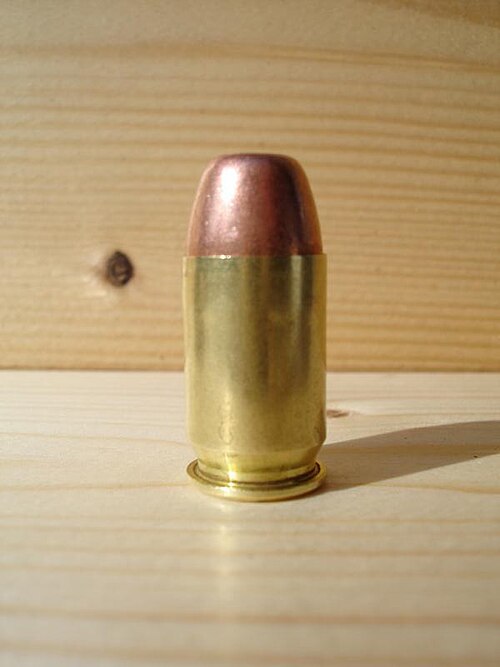
7. .45 GAP
.45 GAP was created to compress .45 ACP-style performance into a shorter cartridge that fit smaller grip frames. On paper, the idea addressed a real ergonomic concern, especially for duty pistols. Its trouble was not terminal weakness so much as strategic redundancy. It arrived without a clear ballistic advantage over .45 ACP, while giving shooters fewer handgun options and a thinner long-term support base. The broader lesson mirrors what modern gelatin protocols have shown for decades: cartridge identity alone is not enough. When two rounds perform similarly, the one with wider platform support and better ammunition development usually wins.
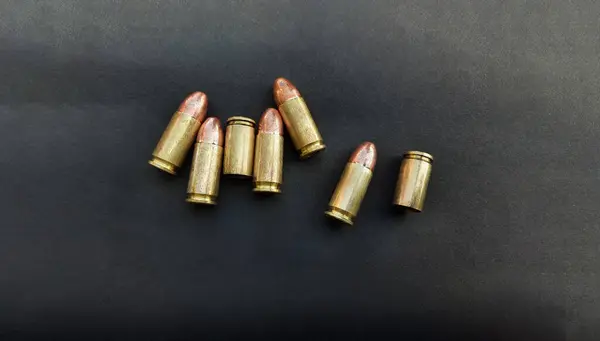
What links these cartridges is not a shared level of power, but a shared lack of margin. Some are too weak by design. Others become unreliable choices when fired from short barrels or paired with the wrong bullet style. A few were simply overtaken by better-supported alternatives. The bigger lesson is that handgun performance stopped being a caliber myth the moment testing became repeatable. The 10% ballistic gelatin protocol did not end every argument, but it forced the useful ones to become more precise: penetration first, expansion second, and engineering ahead of legend.


