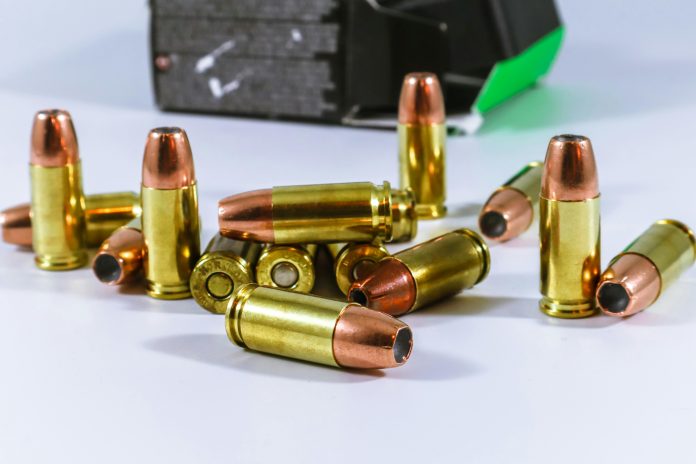
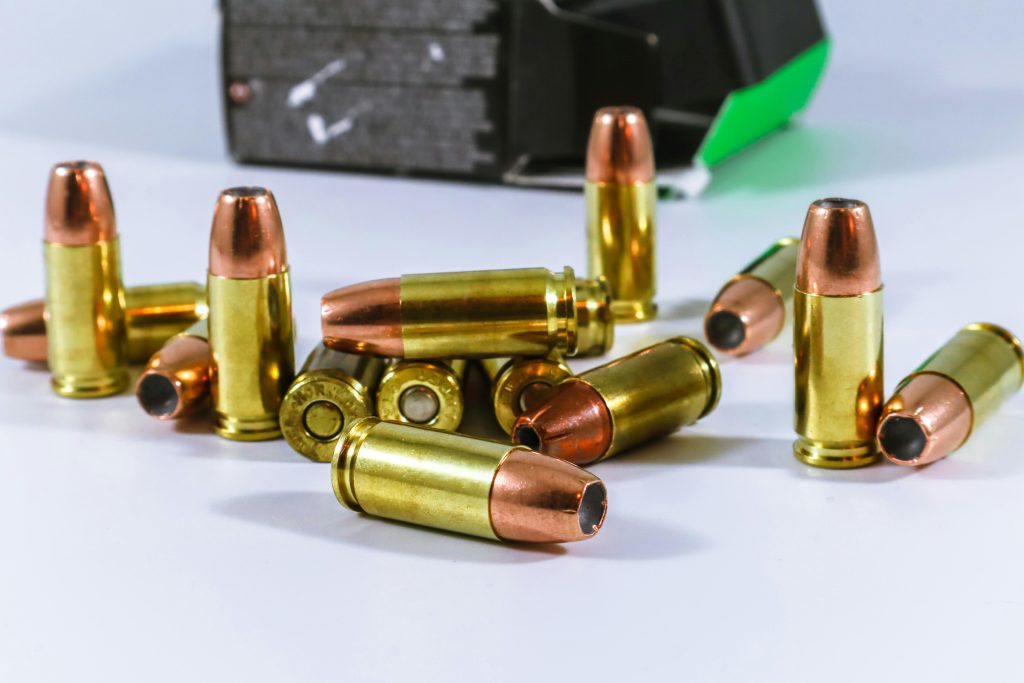
Handgun caliber debates rarely end because they often start in the wrong place. The useful question is not which round carries the biggest reputation, but which one keeps working when recoil, short barrels, heavy clothing, and imperfect shot angles start stripping away performance.
Modern defensive testing has pushed the conversation toward repeatable standards: reliable ignition, adequate penetration, controlled expansion, and practical shootability. As the FBI-style approach to handgun ammo evaluation has shown, 12 to 18 inches of penetration remains a widely used benchmark because handgun rounds depend on reaching vital structures, not on dramatic energy claims.
1. .22 Long Rifle
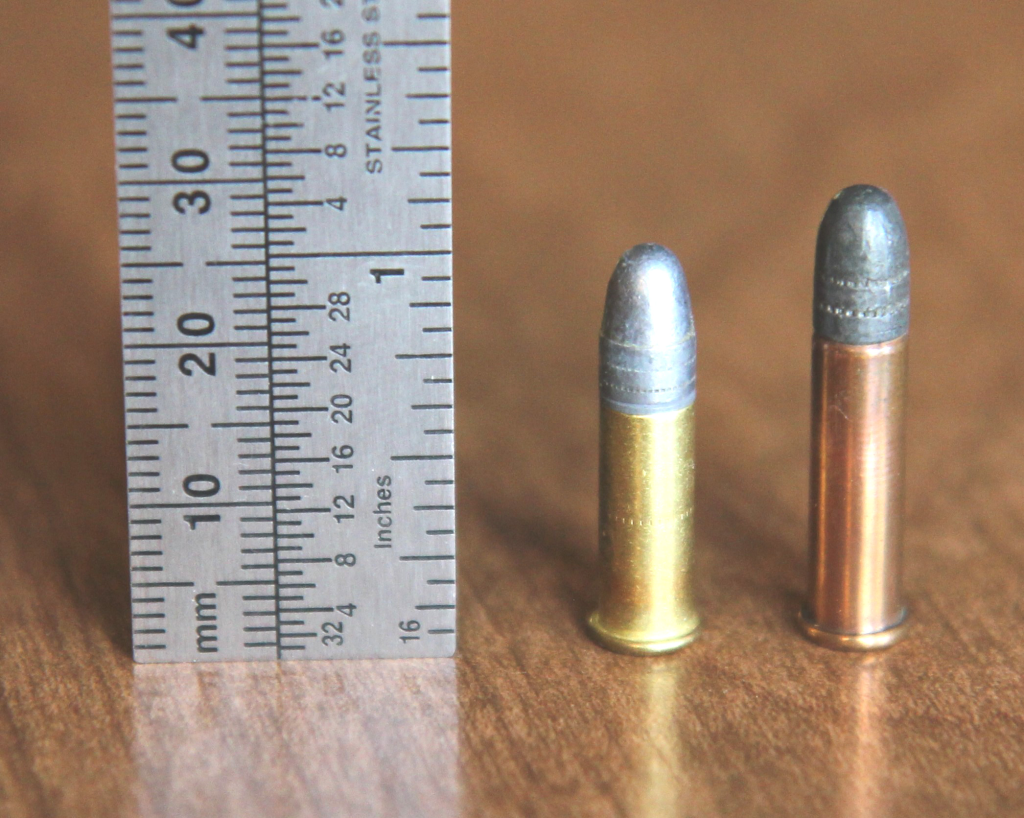
The appeal is obvious. Pistols can be light, recoil is minimal, and many shooters handle .22 LR faster than any centerfire option. The weakness is built into the cartridge itself: rimfire ignition is inherently less consistent than centerfire ignition, and that matters more in a defensive handgun than almost anywhere else. Penetration also remains hit-or-miss. Some loads can surprise in gel, but many struggle to meet the depth standards commonly used in defensive testing, especially after clothing or from tiny barrels. That leaves .22 LR depending on very narrow success conditions. It can still serve shooters with physical limitations, but its reliability and terminal margin are thinner than its popularity suggests.
2. .25 ACP
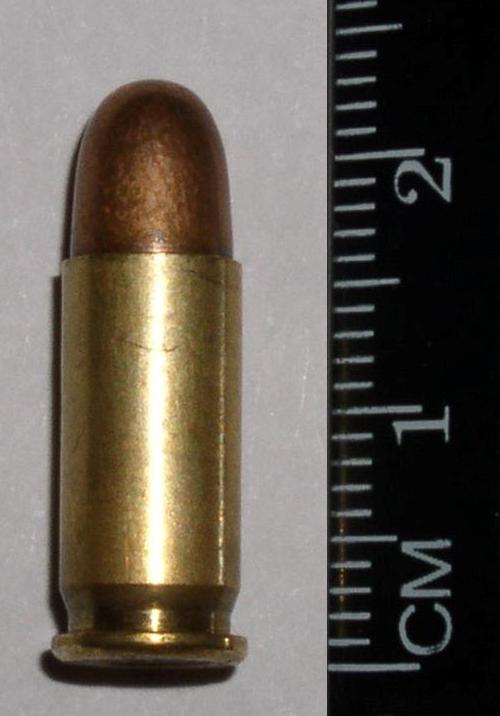
.25 ACP was meant to offer pocket-pistol performance with centerfire reliability, and that does give it one advantage over .22 LR. The tradeoff is that the cartridge remains extremely weak by modern defensive standards, often producing limited penetration and little meaningful expansion. Its core problem is simple: it occupies space that more capable cartridges now fill better. When small centerfire pistols can be built around stronger rounds, .25 ACP stops looking like a clever compromise and starts looking dated. Its centerfire primer helps, but the low energy and small wound potential still place it near the bottom of the defensive field.
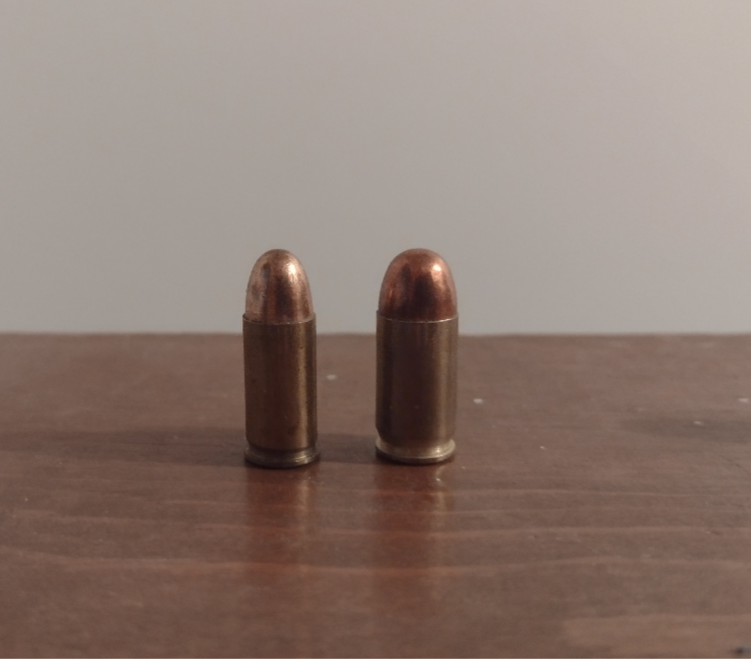
3. .32 ACP
.32 ACP survives because it is easy to shoot well. In soft-shooting pocket pistols, that is not nothing. But controllability alone does not erase the fact that the cartridge often works right at the edge of acceptable performance. Short barrels cut into velocity quickly, and that can leave expansion inconsistent and penetration load-dependent. Heavy clothing makes the margin even smaller. For a shooter who truly needs the mild recoil, .32 ACP can be manageable. For everyone else, it often delivers too little benefit compared with the larger defensive rounds now offered in similarly compact platforms.
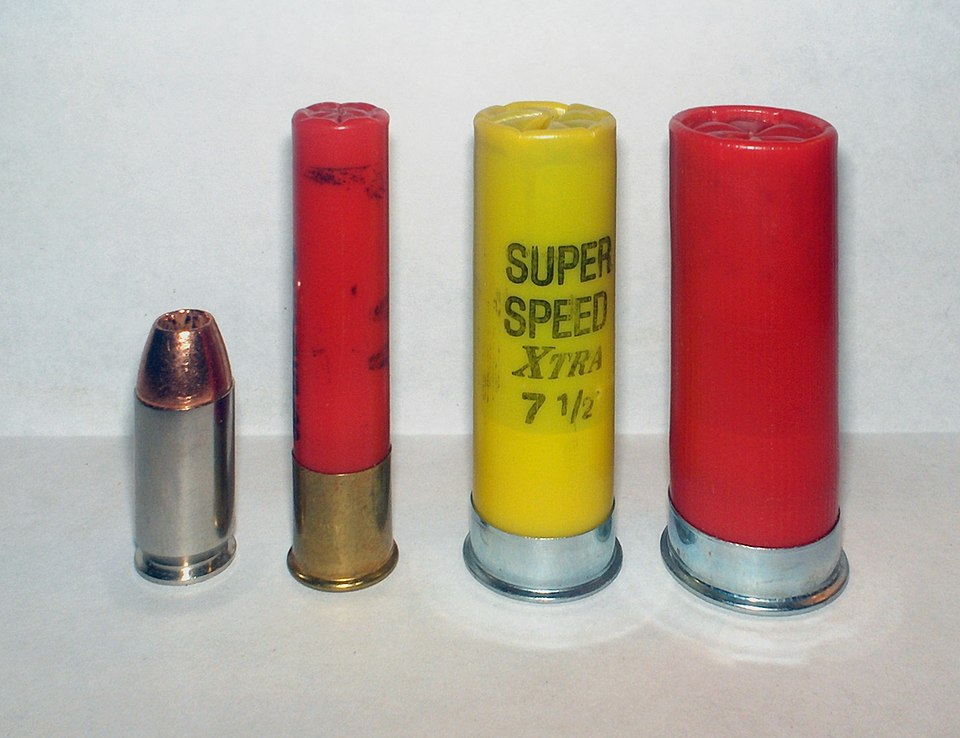
4. .410 Shotshell From Handguns
The concept sounds powerful: a handgun that throws a cloud of shot. In practice, short barrels and revolver-style platforms usually turn that promise into loose patterns, shallow penetration, and poor predictability. That matters for two reasons. First, wide spreads at indoor distances create accountability problems. Second, birdshot and lighter payloads can fail to penetrate deeply enough to produce consistent stops. The platform looks versatile on paper, but defensive handguns need repeatable point-of-impact and controlled penetration more than novelty. On those terms, .410 handgun loads remain a workaround rather than a benchmark.
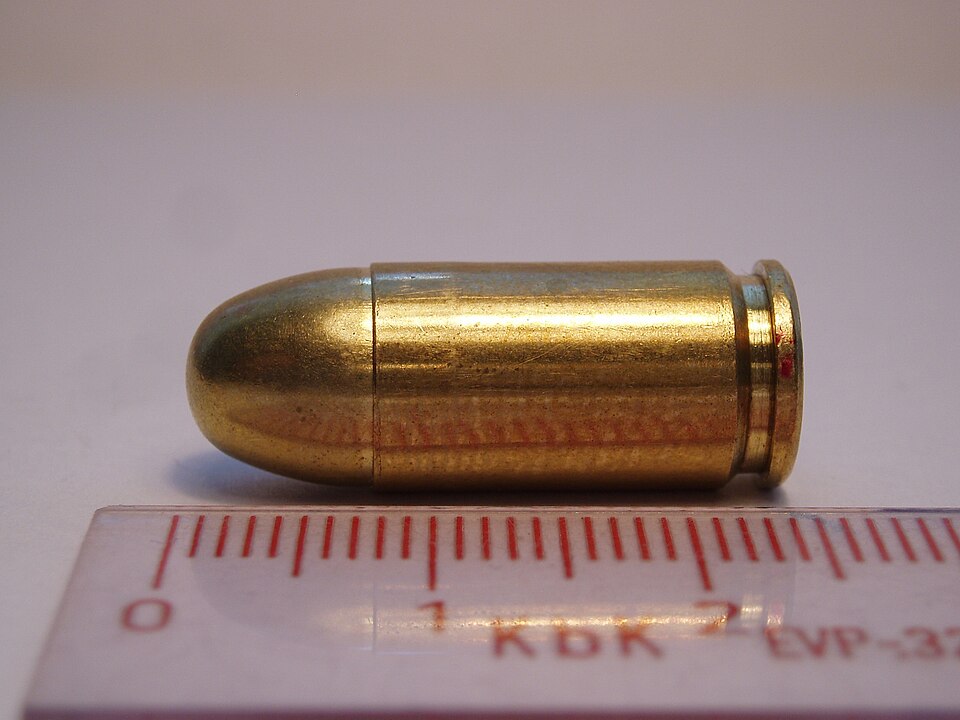
5. .380 ACP in Micro Pistols
.380 ACP is not automatically a poor defensive choice. The catch is that the smallest pistols chambered for it can rob the cartridge of the velocity many hollow points need to work properly. In that setup, some loads expand too fast and stop short, while others act more like non-expanding bullets and give up the larger wound channel shooters expected. This is where ammunition engineering matters more than caliber labels. As Federal’s handgun-ammo specialists have argued, handgun performance is about penetration and expansion, not about chasing raw velocity or muzzle energy. Micro .380s can be effective, but they demand careful load selection in a way that stronger service calibers often do not.
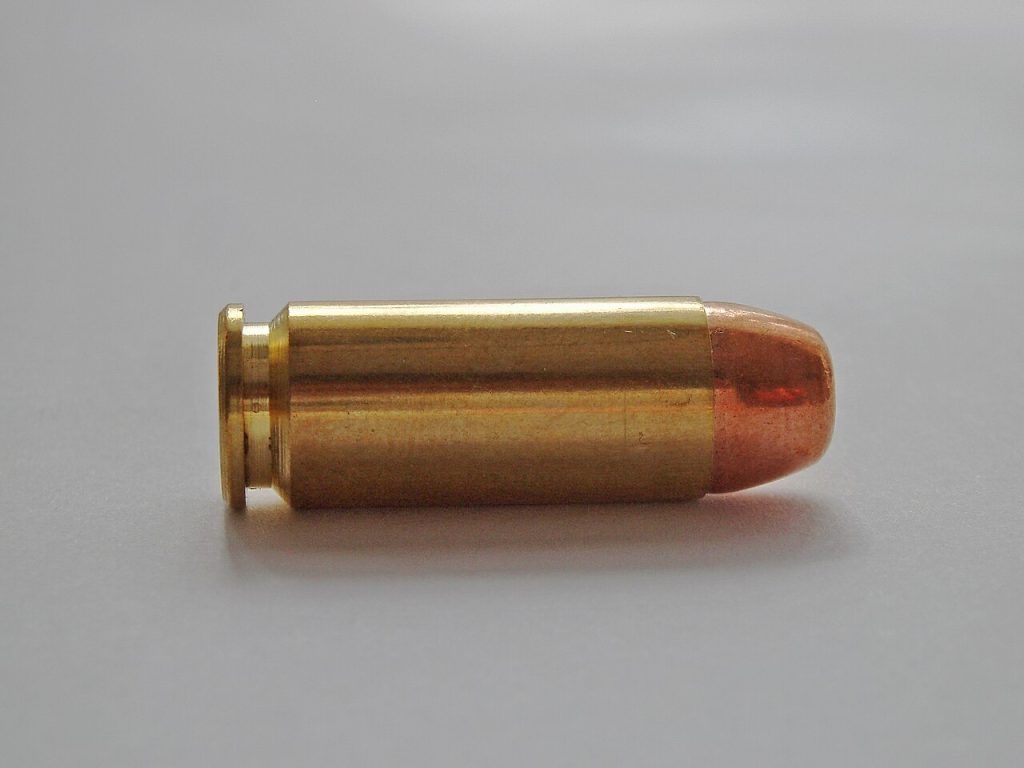
6. 10mm Auto for Typical Concealed Carry
10mm Auto lands on this list for the opposite reason. It is not underpowered. It often delivers more recoil, blast, and penetration than many everyday concealed-carry users need, and that extra output can complicate fast, accurate follow-up shots. There is also a practical limit to what handgun power buys.
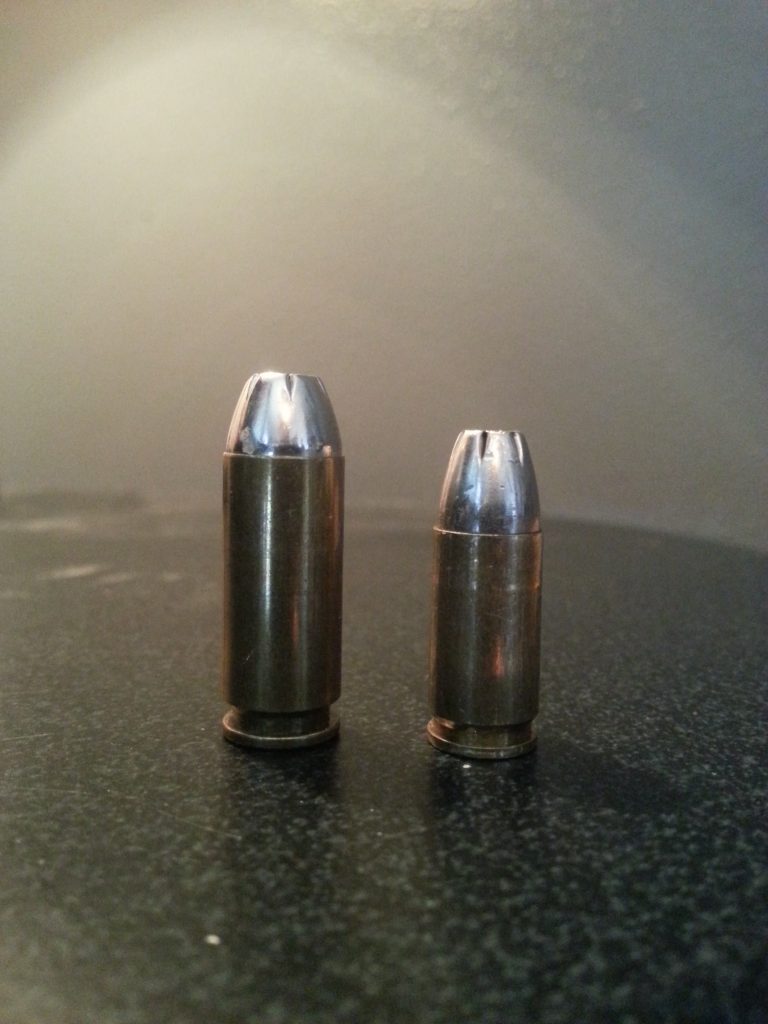
Ballistics specialists have noted that handguns are handguns; once a bullet reaches useful penetration and expands correctly, extra speed does not always translate into a proportionally better outcome. In dense carry environments, 10mm can become a cartridge that asks more from the shooter than it gives back.
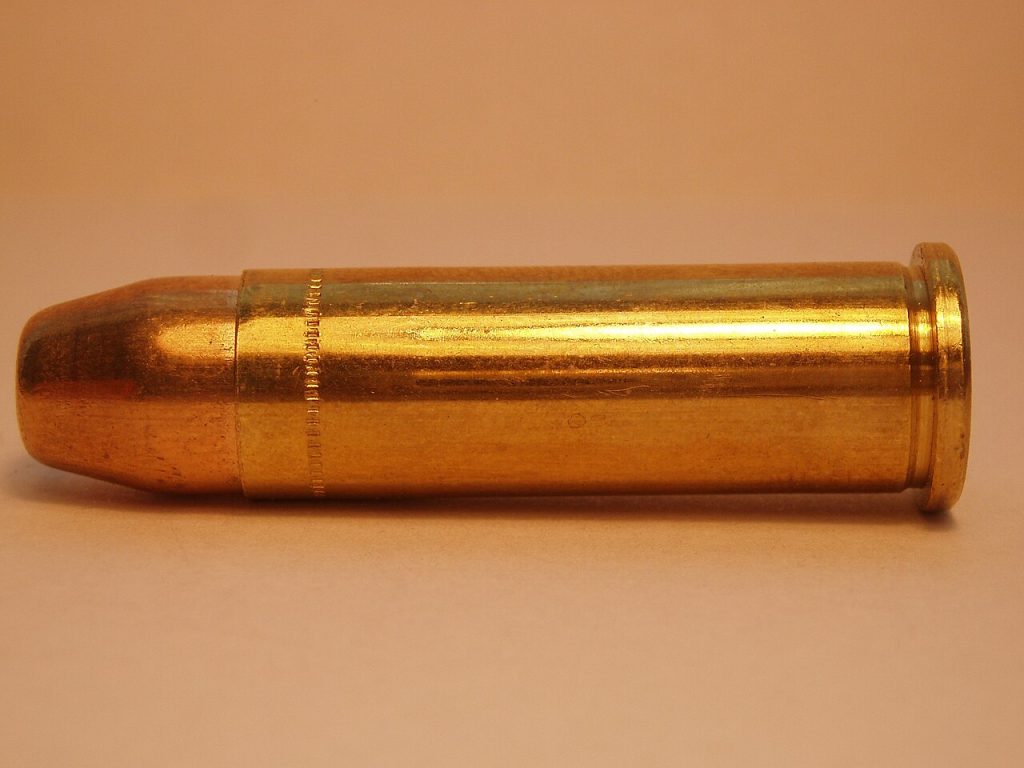
7. .38 Special From Ultra-Short Revolvers
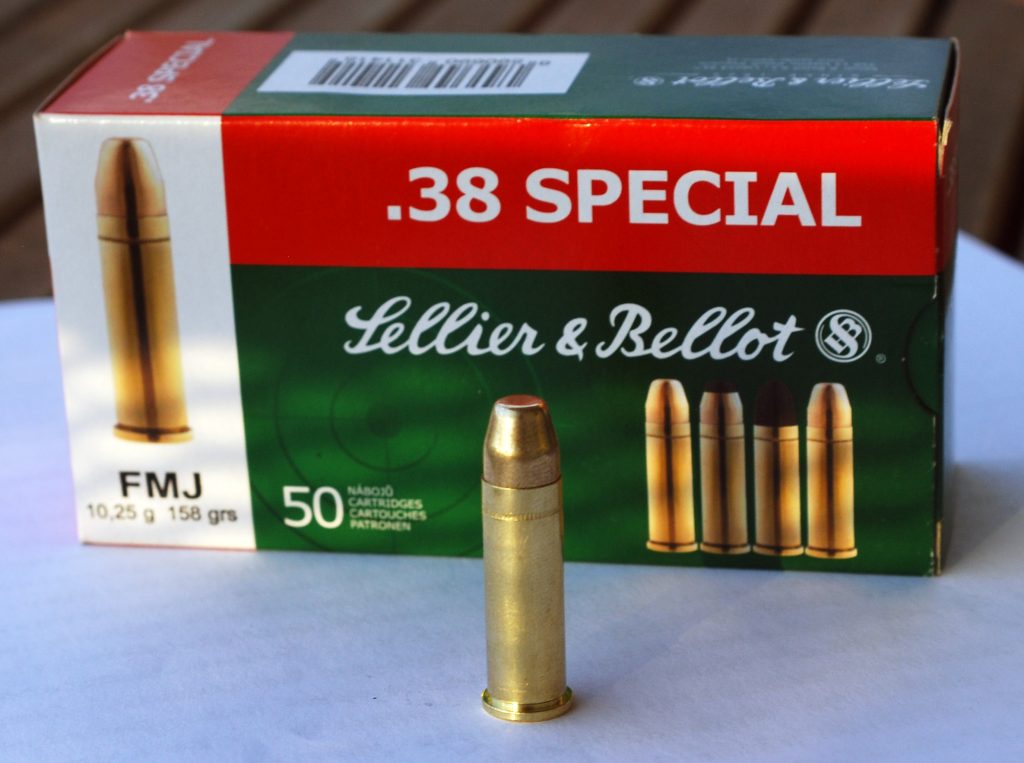
.38 Special has a strong defensive history, but much of that reputation came from longer barrels than today’s smallest snub-nose revolvers. Chop the barrel down far enough and many traditional loads lose the speed needed for reliable expansion, especially through heavy clothing. That can leave a short-barrel .38 in an awkward spot: standard-pressure loads may underperform, while +P loads can make tiny revolvers harder to control without guaranteeing a major terminal gain. Some modern loads are tuned specifically for snubs and do better, but the cartridge becomes unusually load-sensitive once barrel length drops below the point it was designed around.
The common theme across all seven is not that any one headstamp is doomed to fail. It is that defensive performance narrows quickly when ignition is less reliable, penetration falls short, patterns spread too wide, or recoil outruns the shooter. That is why the old caliber-war talking points hold up poorly. The better standard is plainer: a reliable handgun, a load that performs consistently in realistic testing, and a cartridge the shooter can control well enough to place repeated hits where they count.


