The 9mm-versus-.45 ACP debate usually gets flattened into slogans about capacity or bullet diameter. That misses the more interesting part of the comparison: these cartridges ask different things of the pistol, the shooter, and the ammunition engineer.
Seen through an engineering lens, the choice is less about mythology and more about tradeoffs in recoil impulse, packaging efficiency, pressure, expansion behavior, and how fast accurate hits can be repeated. That is where the practical differences actually live.

1. Recoil energy is not just comfort it changes timing
The largest mechanical difference between the two cartridges is how much recoil energy they return to the shooter and the gun. In one side-by-side test using near-identical 1911-pattern pistols, split times were 18 percent faster with the 9mm, and overall engagement times favored the smaller round as well. That matters because handgun performance is rarely about a single shot in isolation; it is about how quickly the sights settle back into a usable picture. .45 ACP’s push is often described as broad and heavy, while 9mm tends to feel sharper but easier to recover from in comparable guns. Those sensations are subjective, but the timer exposes the engineering reality: more recoil usually increases the time required for accurate repeat shots.
2. Capacity is really a packaging problem
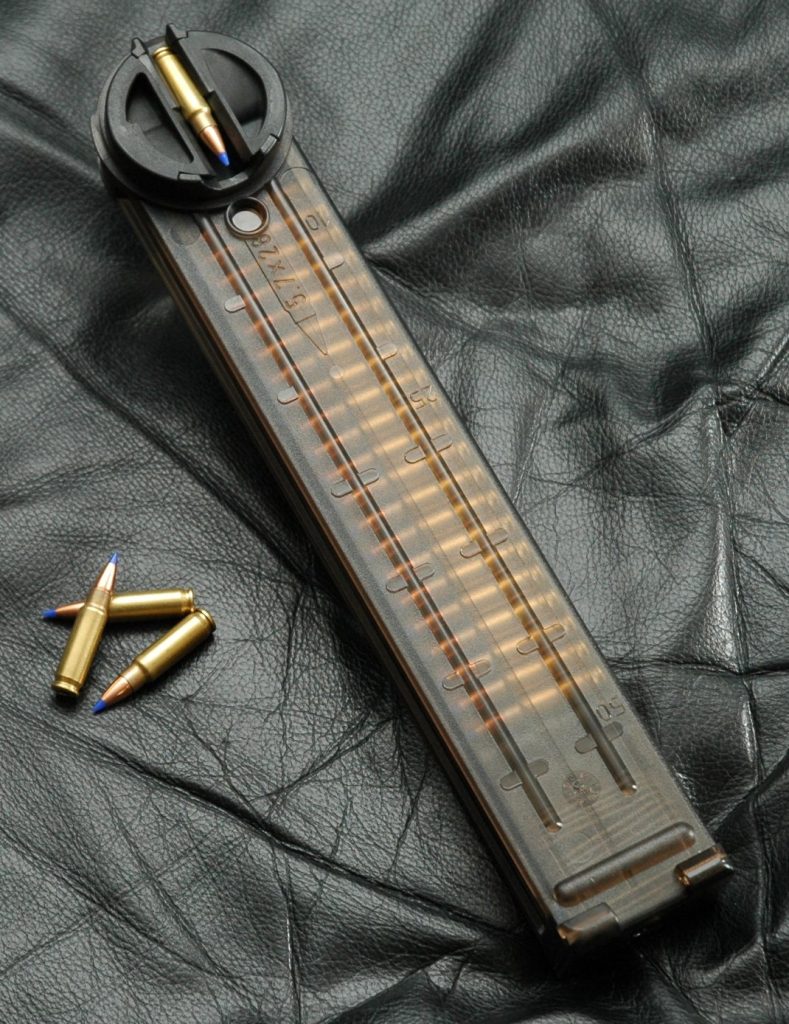
Magazine capacity is often framed as a tactical talking point, but from a design standpoint it is mainly about geometry. The 9mm cartridge is narrower, so a grip of similar size can stack more rounds into the same vertical space. The result is commonly 20 to 30 percent more ammo than .45 pistols in like-for-like formats. That extra capacity is not free. It comes with a thinner cartridge case, a smaller frontal area, and different feeding and magazine layout constraints. The benefit is obvious in double-stack pistols, where the 9mm lets designers build a higher-capacity sidearm without turning the grip into a brick.
3. Bullet diameter matters, but expansion engineering compresses the gap
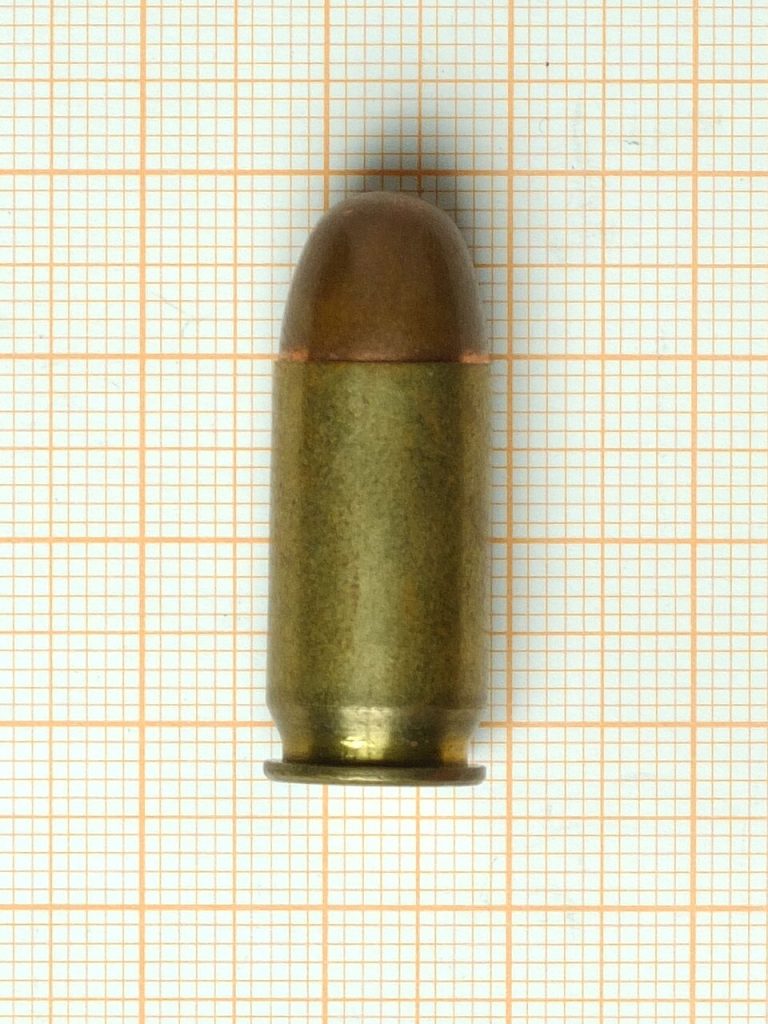
.45 ACP begins with a larger diameter and therefore has more room to expand while still maintaining a substantial frontal area. That is the core of its appeal. Modern 9mm hollow-point design, however, has narrowed the practical gap by using improved cavities, jacket skives, and controlled-velocity windows to make expansion more consistent across service-length barrels. That shift helps explain why agencies migrated back to 9mm. As one forum poster with surgery-room experience put it, “a trauma surgeon isn’t going to know what caliber was used until he recovers the spent round.” The quote is anecdotal, but it reflects a broad trend in modern service ammunition design: engineers increasingly tune different calibers toward similar terminal benchmarks rather than radically different outcomes.
4. Pressure and velocity shape how each round gets its result
9mm generally operates faster, with common service loads in the roughly 1,000 to 1,200 fps band, while .45 ACP usually runs slower and heavier. That means the 9mm leans more on velocity and bullet construction, while the .45 leans more on mass and starting diameter. These are different engineering routes to the same goal. Faster bullets can help flatten trajectory and maintain expansion thresholds, but they also ask more of bullet design if penetration must remain controlled. Slower, heavier bullets can be forgiving in some expansion scenarios, yet they impose a recoil penalty and occupy more magazine volume.
5. Precision work exaggerates the difference
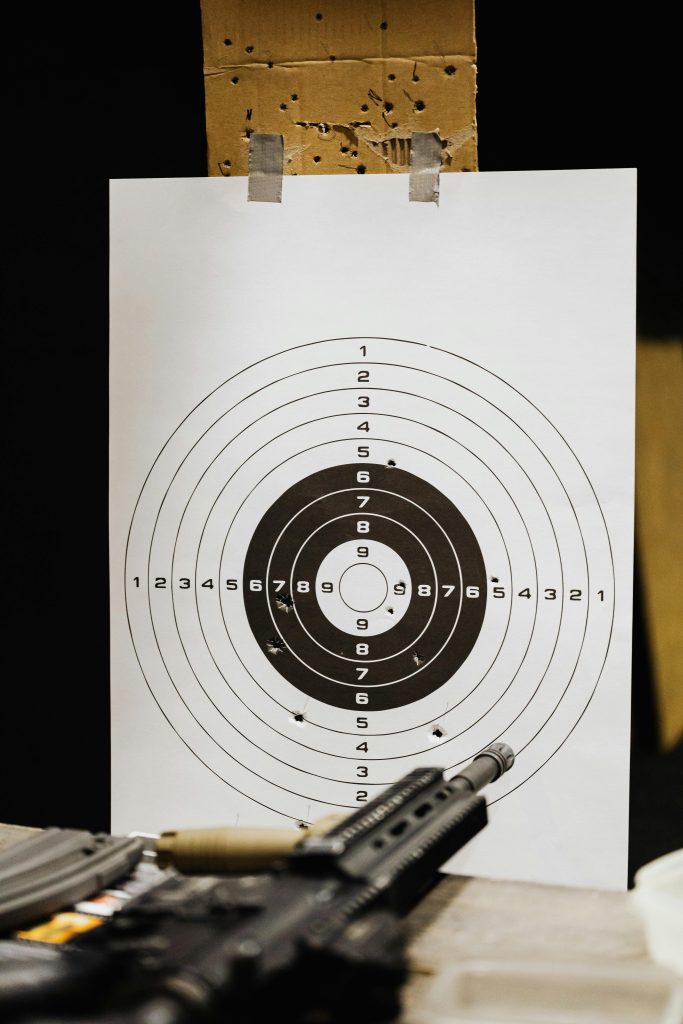
Not all shooting drills expose caliber tradeoffs equally. In broad, close-range strings, the gap can look modest. In drills that demand a precise hit after rapid fire, the difference tends to widen because sight recovery becomes the limiting factor. That was visible in the comparative drill data, where the 9mm’s advantage grew when shooters had to make a more exact shot after multiple rounds. In engineering terms, recoil does not just move the gun rearward; it disrupts orientation, delays visual confirmation, and extends the recovery cycle before the next precise input can be made.
6. Suppression behavior starts with speed, not branding
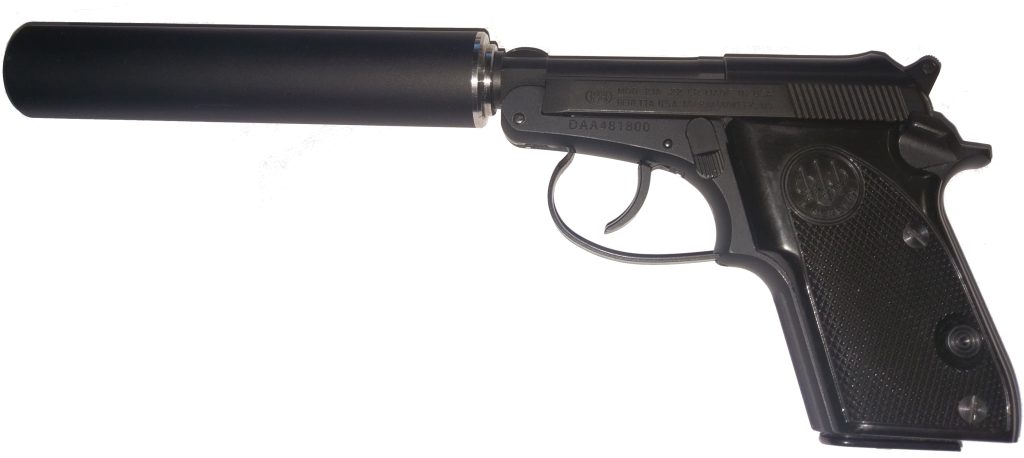
.45 ACP has a technical characteristic that enthusiasts often notice immediately: standard loads are commonly subsonic. That makes the cartridge naturally compatible with suppressed use because it avoids the ballistic crack that accompanies a supersonic projectile. 9mm can also be run subsonic, but that usually requires specific load selection, often with heavier bullets. The tradeoff is simple. .45 ACP gives up velocity from the start and gains easier subsonic behavior; 9mm offers more speed and flexibility but needs tighter tuning when quiet operation is the objective.
7. Short barrels make ammunition design more important than caliber slogans
Compact pistols complicate every easy answer in this debate. Shorter barrels reduce dwell time and velocity, which can alter how reliably a hollow point expands. Several references emphasized a point often ignored in caliber arguments: a cartridge’s published performance can change meaningfully when barrel length changes. That is why load selection matters so much. A well-matched 9mm defensive load can deliver performance close to standard .45 ACP loads, while a poorly matched load in either caliber can underperform. The practical question becomes less “Which caliber wins?” and more “Which load still behaves correctly from this exact barrel length?”
8. The real tradeoff is system efficiency, not raw power
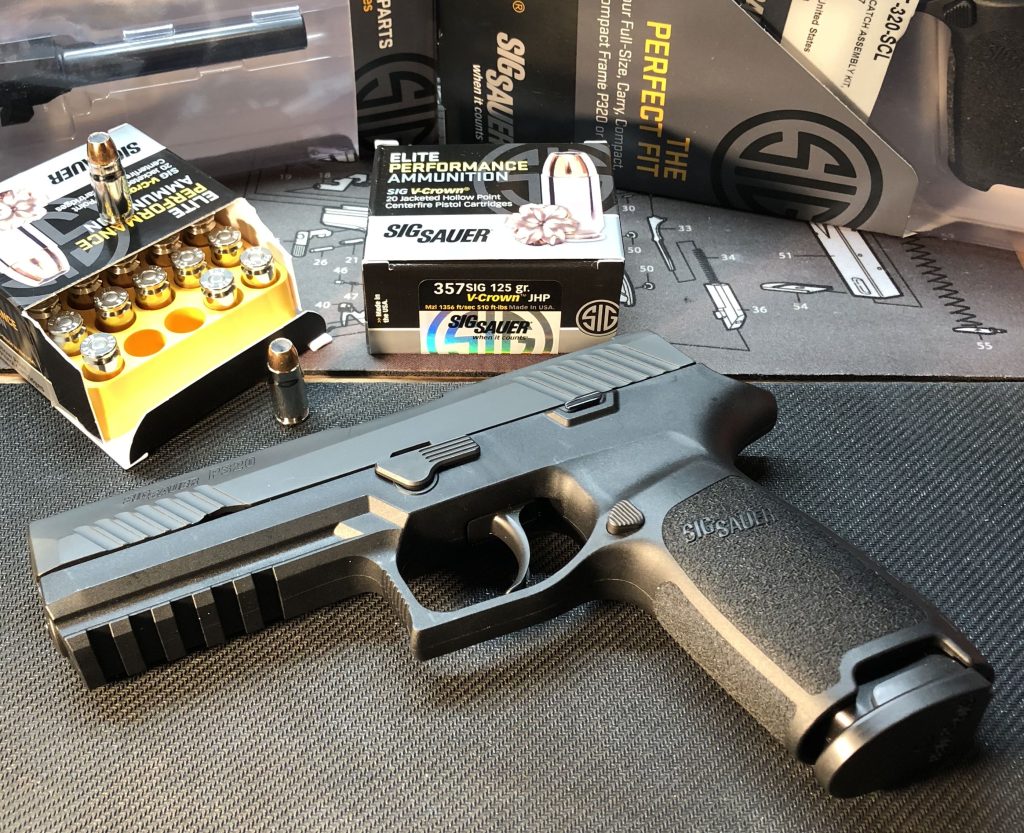
Looking at bullet diameter alone oversimplifies the handgun as a machine. A fighting pistol is a system made of cartridge, magazine, slide mass, recoil spring, grip dimensions, shooter tolerance, and ammunition behavior through barriers and soft targets. Change one variable and the balance shifts. That is why 9mm remains dominant in modern service pistols while .45 ACP keeps its loyal following. The 9mm usually offers a more efficient package: less recoil, more capacity, and strong modern terminal performance.
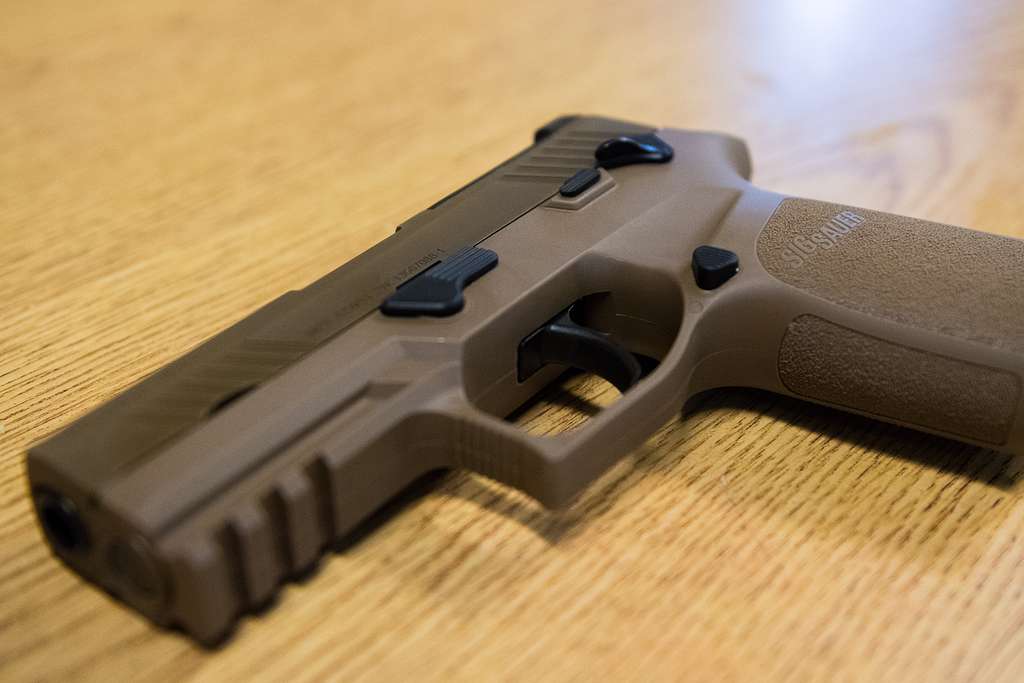
The .45 ACP offers a larger projectile, inherently subsonic behavior, and a different recoil character that some shooters manage well. Neither cartridge escapes compromise; they just spend their compromises in different places. The engineering takeaway is straightforward. Shooters who only compare caliber labels tend to ignore the parts that actually drive outcomes: recovery time, magazine geometry, barrel length sensitivity, and bullet design windows. In that sense, 9mm versus .45 ACP is not a duel between winners and losers. It is a study in how two mature cartridges solve the same handgun problem with very different mechanical priorities.


