Long-range shooting gets unforgiving in a hurry. Once distances stretch and wind starts moving across the bullet’s path, a cartridge is no longer judged by reputation alone. It is judged by how well it holds velocity, how little it drifts, how manageable its recoil remains, and whether the rifle platform behind it can consistently launch bullets with the stability that accuracy demands.
That is why certain chamberings keep showing up anywhere precision matters. Some are established standards, some are newer designs, and some stay relevant because they balance recoil, barrel life, and external ballistics better than the numbers on paper first suggest.
1. 6.5 Creedmoor
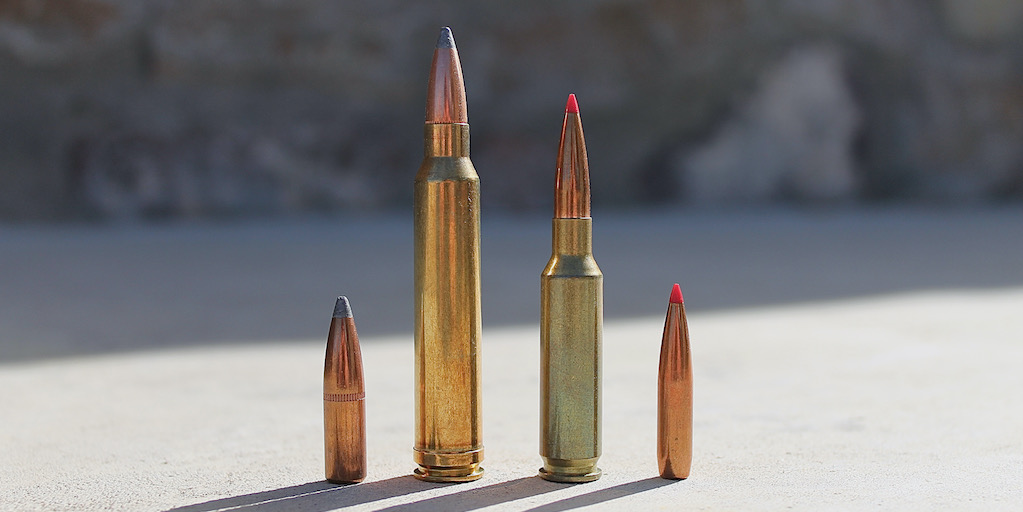
The 6.5 Creedmoor earned trust by making hard shots feel less complicated. Its formula is straightforward: efficient 6.5mm bullets, moderate recoil, and strong downrange aerodynamics. In side-by-side comparisons with .308 Winchester, it repeatedly shows a flatter arc and less wind drift, which is exactly what shooters want when distance estimation or wind calls are less than perfect. Data from one ballistic comparison showed that at 1,000 yards the 6.5 Creedmoor had 0.4 mil less wind drift than a 175-grain .308 match load. That difference is large enough to matter on small steel, practical field targets, and any stage where a miss wastes time. It also helps that recoil is milder, which makes spotting impacts and corrections easier.
2. .308 Winchester
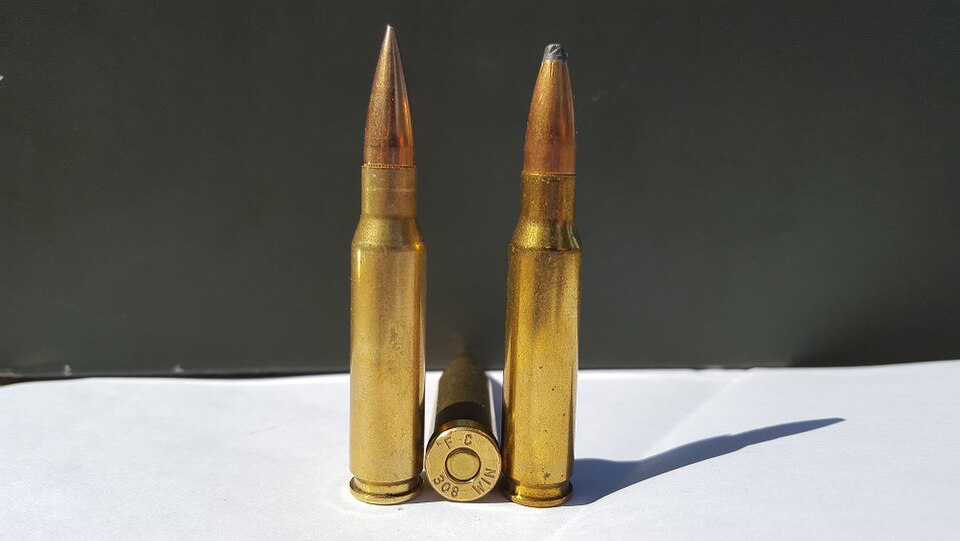
The .308 Winchester remains trusted because it is predictable, widely understood, and mechanically accurate in a huge range of rifles. It may not be the slickest answer once wind gets ugly, but it still delivers useful precision with excellent barrel life and broad bullet selection. That trust comes with boundaries. Long-range discussions around .308 usually turn on trajectory, wind drift, and retained velocity. Even so, the cartridge remains viable because many shooters know exactly how it behaves. One analysis noted that a .308 loaded with a 165-grain Accubond at 2,820 fps drops 76 inches at 600 yards. That is not forgiving compared with newer designs, but it is still entirely usable in practiced hands.
3. 6mm ARC
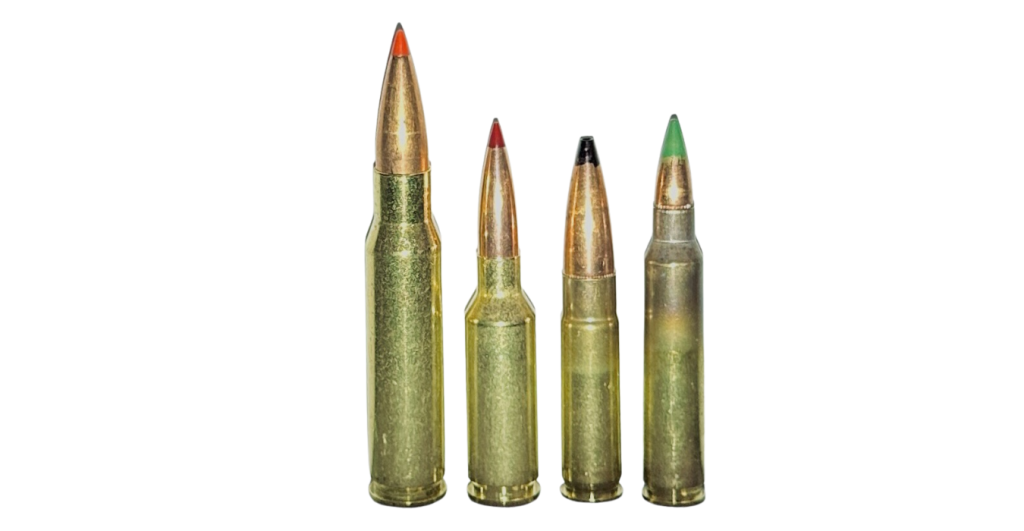
The 6mm ARC matters because it gives the AR-15 platform a legitimate long-range cartridge without stepping up to a heavier rifle class. That makes it especially attractive to shooters who want precision gas-gun performance with less recoil and less platform weight than .308-based rifles. Its appeal is not just convenience. The cartridge was built around heavy-for-caliber, high-BC 6mm bullets that stay composed in the wind better than 5.56 NATO and carry farther with less correction. According to one 6 ARC guide, the cartridge can make consistent impacts to 1,000 yards with less drop than .308. For a magazine-length AR-15 round, that is a major reason it has gained serious traction.
4. 6.5 Grendel
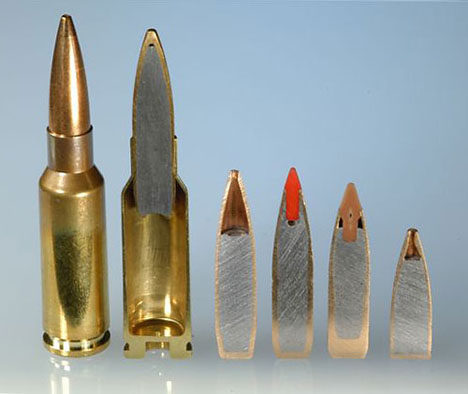
The 6.5 Grendel remains a respected choice for shooters who want more reach from the AR-15 than 5.56 can comfortably provide. It launches heavier, higher-BC bullets than .223-class cartridges, and that extra mass pays off once gusts start pushing lighter projectiles around. It is slower than the 6mm ARC, which limits its edge at the far end, but its performance window is broad and useful. In practical terms, it extends the small-frame AR into distances that used to demand a larger rifle, all while preserving moderate recoil and good hit visibility.
5. .223 Remington/5.56 NATO with Heavy Match Bullets
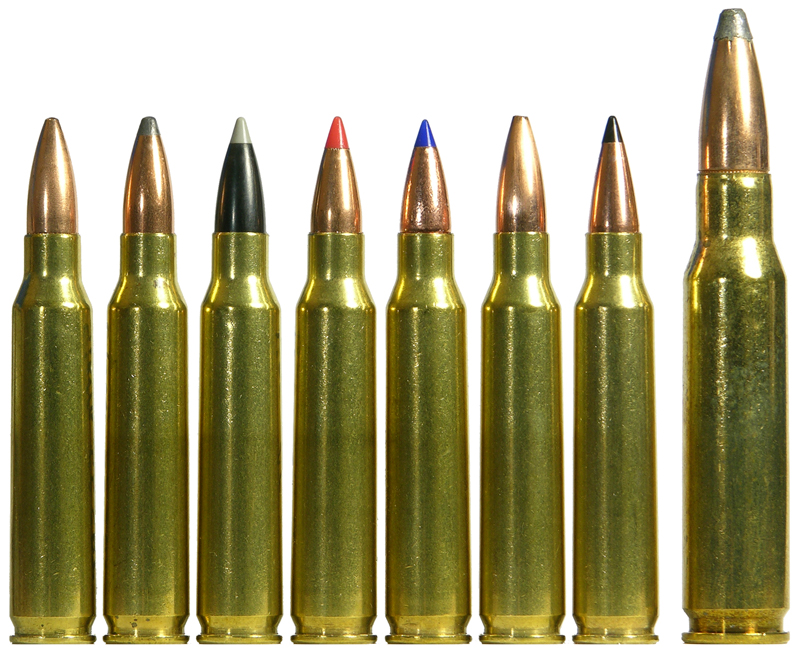
This cartridge family stays on the list for one reason: when paired correctly with barrel twist and bullet weight, it performs better at distance than many shooters expect. The mistake is assuming every .223 or 5.56 rifle is set up to use the bullets that make the cartridge shine in wind. The real story is twist rate. Heavy bullets such as 75- and 77-grain match loads changed what the platform could do, but they depend on adequate rifling. Guns & Ammo noted that a 1-in-8 twist will comfortably stabilize bullets up to 80 grains, while a 1-in-7 twist handles the 70- to 77-grain class with even more confidence. In a properly matched rifle, that turns .223/5.56 from a light general-purpose round into a credible distance tool.
6. .270 Winchester
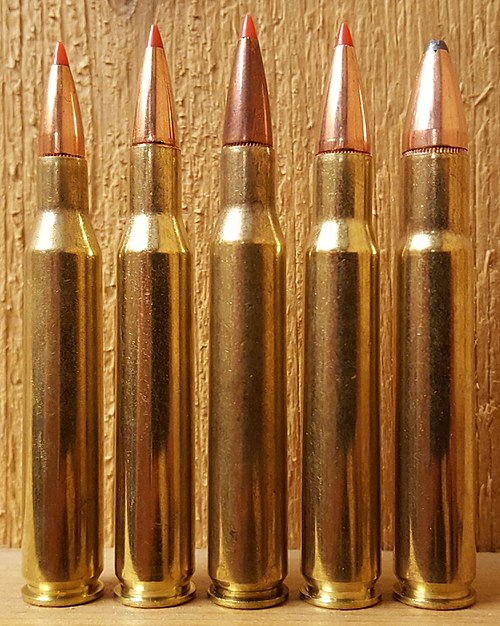
The .270 Winchester keeps earning quiet respect because modern low-drag bullets have stretched its capabilities well beyond its old image. It is fast, naturally flat shooting, and in realistic field distances it can rival or exceed more fashionable short-action cartridges. That speed matters in wind and elevation corrections. A comparison using a 145-grain ELD-X at 2,950 fps showed the .270 carrying a flatter trajectory than many standard 6.5 Creedmoor loads deep into long range. It also hangs onto useful energy impressively well. Shooters who trust velocity and streamlined bullets still find plenty to like here.
7. .300 Winchester Magnum
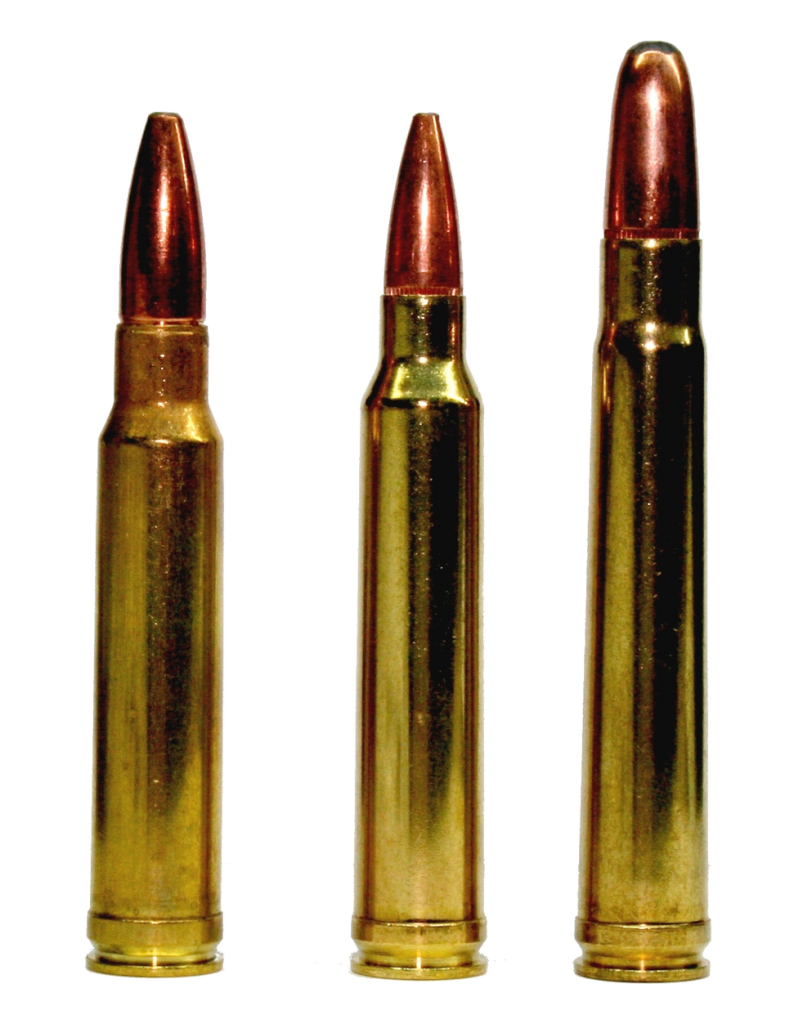
The .300 Winchester Magnum is trusted when the job calls for distance without surrendering retained energy. It is not subtle. Recoil, blast, and barrel life all demand more from the shooter, but the cartridge answers with significantly stronger downrange performance than mid-power rounds. That extra horsepower shows up clearly in wind. In one comparison, a 190-grain high-BC load pushed at 2,900 fps drifted far less than a .308 counterpart at extended range and stayed in a velocity window better suited to dependable bullet behavior. For shooters who can handle it well, that is a serious advantage.
8. .300 Weatherby Magnum
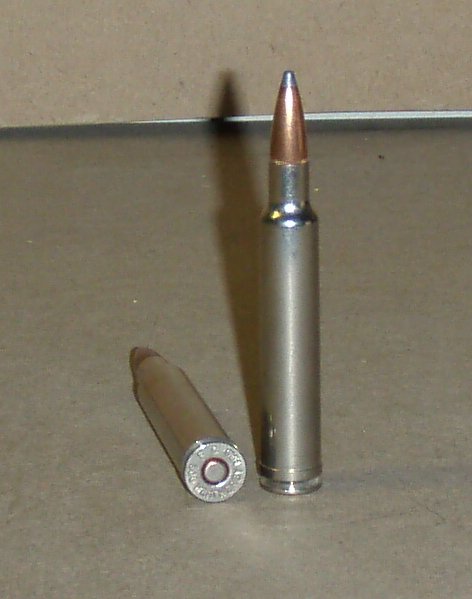
The .300 Weatherby Magnum remains a specialist’s tool for stretching distance while preserving speed. It is one of the classic examples of buying ballistic forgiveness with recoil and powder. When wind is nasty and range is long, velocity becomes a form of insurance. A fast .30-caliber magnum keeps time of flight short and reduces the wind’s opportunity to work. In older and newer comparisons alike, the Weatherby consistently shows noticeably less drop and drift than standard .308-class rounds. That is why it still commands respect among shooters who prioritize raw external ballistic performance.
9. 6.5-284 Norma
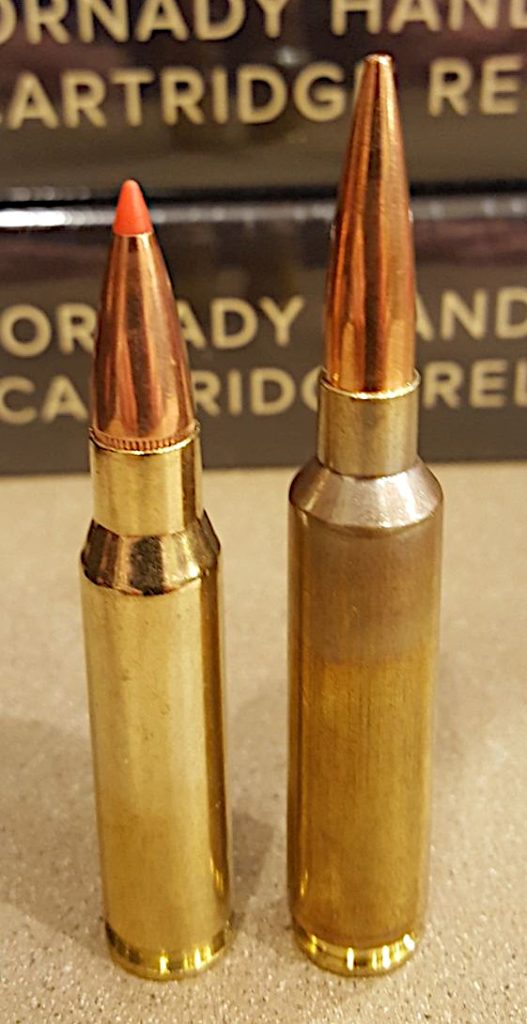
The 6.5-284 Norma built its reputation before the Creedmoor era fully took over the conversation. It combines the aerodynamic strengths of 6.5mm bullets with higher velocity than many short-action cartridges can deliver, which gives it a long-standing place in precision circles. Its strengths are familiar: flatter flight, less wind drift, and strong downrange stability. It also demands more in barrel life than milder cartridges, which is one reason newer rounds have grown around it rather than completely replacing it.
Even so, shooters who know the chambering continue to trust it where distance punishes every mistake. No cartridge erases bad wind calls or poor fundamentals. What the best of them do is shrink the penalty. They drift less, stay stable longer, and give the shooter a cleaner chance to correct quickly. That is why these nine keep showing up in serious conversations. Some win on efficiency, some on power, and some on platform flexibility, but all of them have earned trust where distance and wind stop being theory and start deciding hits.


