A rifle cartridge can be popular, accurate, and perfectly useful while still being the wrong choice once game gets heavier and tougher. That is where many caliber debates go off the rails: reputation starts doing the work that bullet weight, sectional density, and retained energy still have to do in the field.
In hunting circles, “overrated” does not mean worthless. It means a cartridge has been asked to solve jobs outside its design envelope. The seven rounds below all have legitimate roles, but their limits show up fast when the target is no longer a coyote, a prairie dog, or a paper silhouette.
1. .223 Remington
The .223 Remington remains one of the easiest centerfire rifle rounds to shoot well. Low recoil, broad rifle availability, and excellent accuracy made it a default choice for training, varmints, and light game. Its reputation was also boosted by the huge AR-pattern ecosystem and by long-running claims that it can do nearly everything with the right bullet. That is exactly where the problem starts. On larger animals, the .223’s light bullets simply do not leave much margin for imperfect angles, shoulder bone, or deep penetration through muscle. Even reference material that defends the 5.56 platform in other roles notes that velocity drops below critical wounding thresholds as distance increases, and hunting places even more emphasis on reliable terminal performance than defensive shooting. For deer-sized game, careful bullet selection and disciplined range limits matter. For elk- or moose-class animals, the cartridge is being pushed beyond what physics comfortably allows.

2. .22-250 Remington
The .22-250 has built its following on speed. It launches light bullets so fast that trajectory looks almost effortless at varmint distances, and that flatness has encouraged generations of shooters to think of it as more potent than it really is. Speed is only part of the equation. The cartridge’s common bullet weights are still light, which means momentum and penetration lag behind the impressive velocity numbers. When impact gets violent, expansion can happen too quickly and too shallowly for larger-bodied game. That makes the .22-250 a superb small-predator and varmint round, but a poor bet when the goal is dependable penetration through heavier anatomy.
3. .243 Winchester
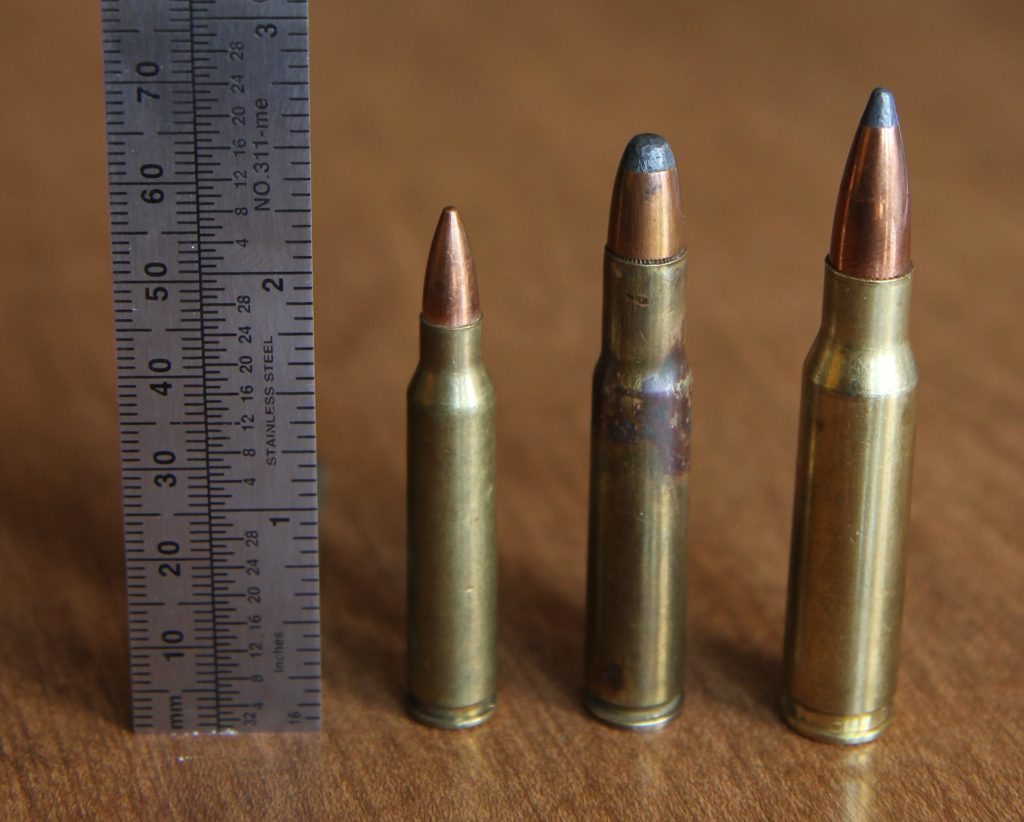
The .243 Winchester earned its place honestly. It offers mild recoil, clean handling, and enough performance for deer and pronghorn with proper bullets. That combination keeps it in circulation as one of the most approachable hunting cartridges ever chambered. Its weakness is not accuracy. It is forgiveness. On bigger animals, the .243 depends heavily on ideal shot placement because it does not carry the same bullet mass or penetration reserve as larger 6.5mm, 7mm, or .30-caliber options. Hunters who treat it as an all-purpose big-game answer are relying on a cartridge that gets narrow in a hurry once bone, angle, and range stop cooperating.

4. .30 Carbine
The .30 Carbine survives on familiarity, nostalgia, and the enduring appeal of the M1 Carbine itself. But the cartridge’s performance ceiling has always been lower than its military pedigree suggests. Ballistically, it sits much closer to a hot handgun concept than to a modern full-power rifle cartridge. Even critics in older cartridge debates described it as not much more than a pistol round, and that shorthand still captures the issue. At close range on small or medium game, it can work within clear limits. Once distance stretches or animal size climbs, it runs out of penetration and authority quickly.
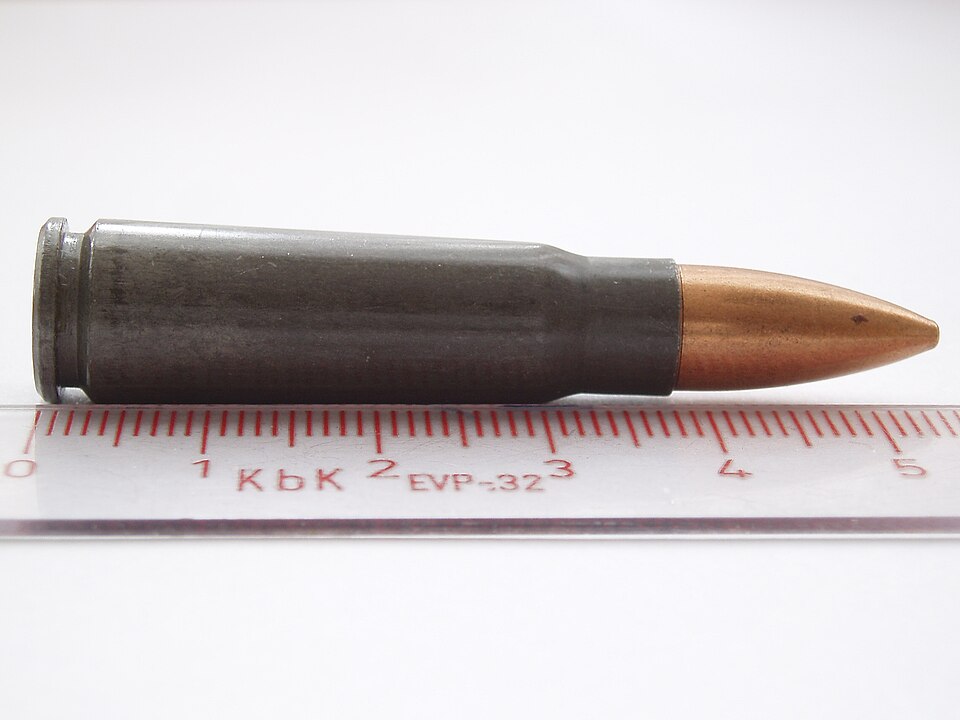
5. 7.62x39mm
The 7.62x39mm has a practical reputation for good reason. It is reliable, moderate in recoil, and effective inside modest distances. In compact rifles, it makes a lot of sense for short-range use. What it does not do is retain enough velocity and energy to stay persuasive far downrange.
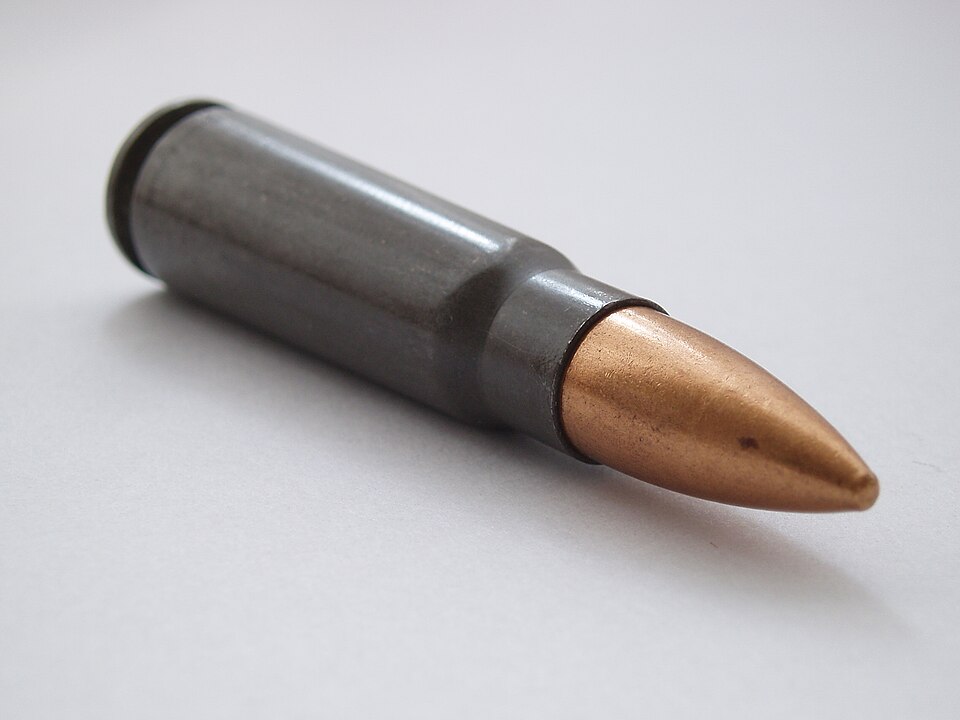
Its arcing trajectory and relatively blunt bullet profile reduce the cushion hunters want when shots are no longer close and broadside. On deer in thick cover, the cartridge can be adequate. On larger game, especially when range or angle becomes less than ideal, its modest sectional density and fast energy drop-off become hard limits rather than minor drawbacks.
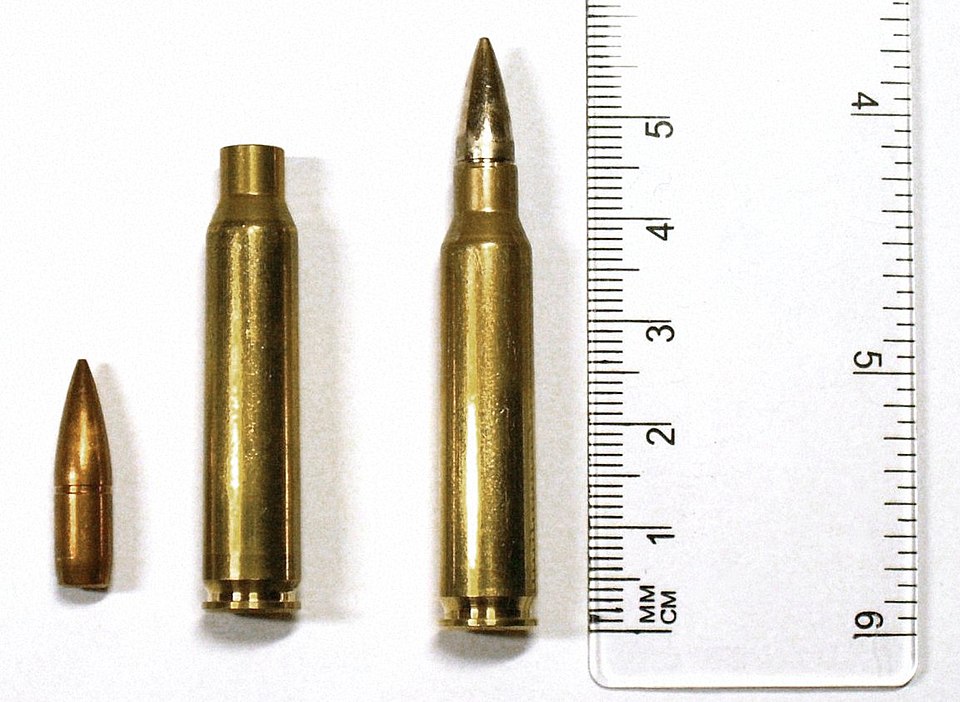
6. 5.56 NATO
The 5.56 NATO is often treated as if military adoption settled the argument over effectiveness. It did not. Military usefulness and big-game suitability are separate questions, especially because rifle setup, barrel length, and projectile type all change what the cartridge can actually deliver. This round can perform impressively in lightweight rifles and within constrained distances. It also benefits from fast-twist barrels and modern bullet design, and the AR platform itself remains widely chambered in .223 and 5.56 because it is accurate and adaptable. None of that changes the core limitation: on heavy-bodied game, 5.56 still lives in the same neighborhood as .223. It is efficient, easy to shoot, and useful, but not a substitute for a cartridge that carries more mass and penetration reserve.
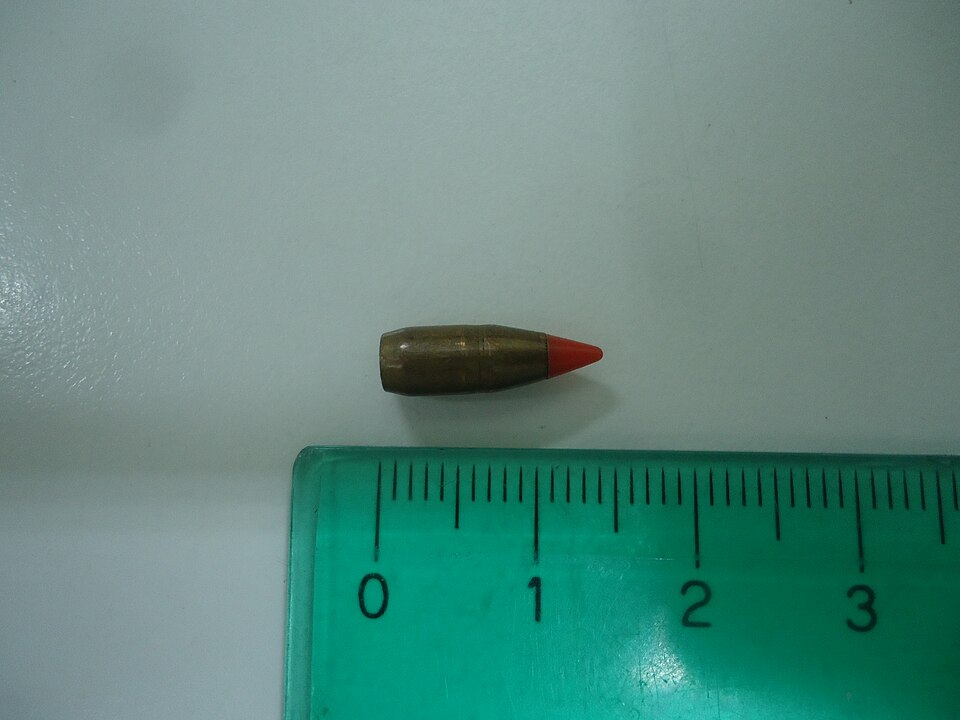
7. .17 HMR
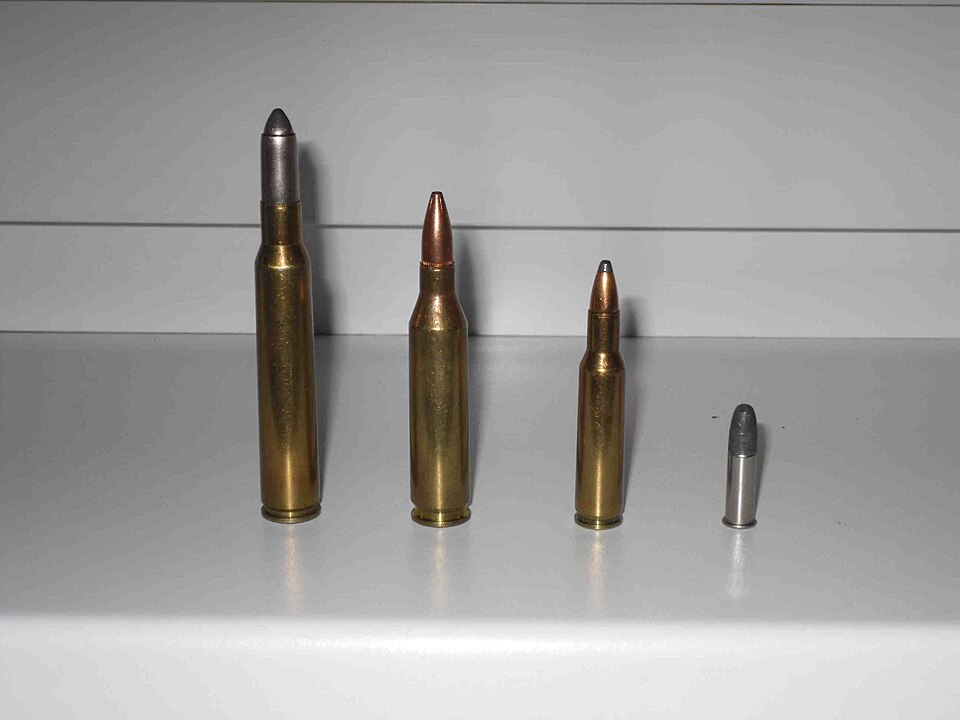
The .17 HMR may be the clearest case of precision being mistaken for power. It is famously easy to place shots with, and its tiny bullet shoots with eye-catching speed for a rimfire. That performance can be deceptive. Small-diameter, very light bullets are vulnerable to wind and carry limited energy, a problem noted in long-running criticism of .17-caliber cartridges generally, including their tendency to be pushed around by light wind. For varmints, the .17 HMR is a specialist. For deer-sized game and above, it is out of class entirely.
The pattern across all seven cartridges is simple: popularity tends to erase boundaries. A round that is excellent in one lane often gets promoted as a universal answer, especially when low recoil and easy handling make it pleasant to shoot. Hunting does not reward that kind of shortcut. Bullet construction has improved, but it has not repealed mass, momentum, or penetration depth. The smarter standard is not whether a cartridge can work once; it is whether it brings enough performance to work reliably when field conditions stop being perfect.


