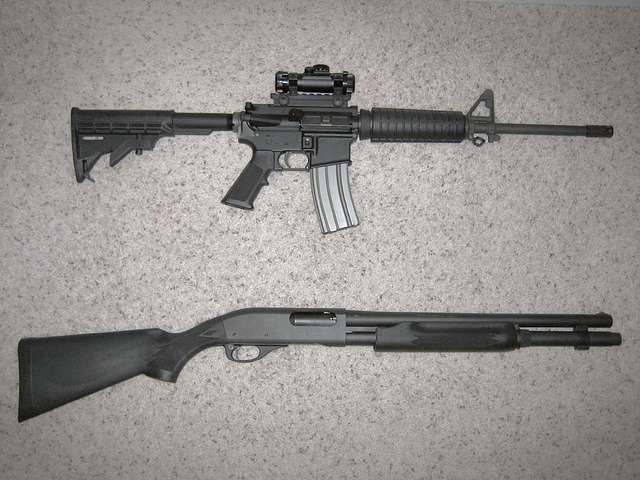
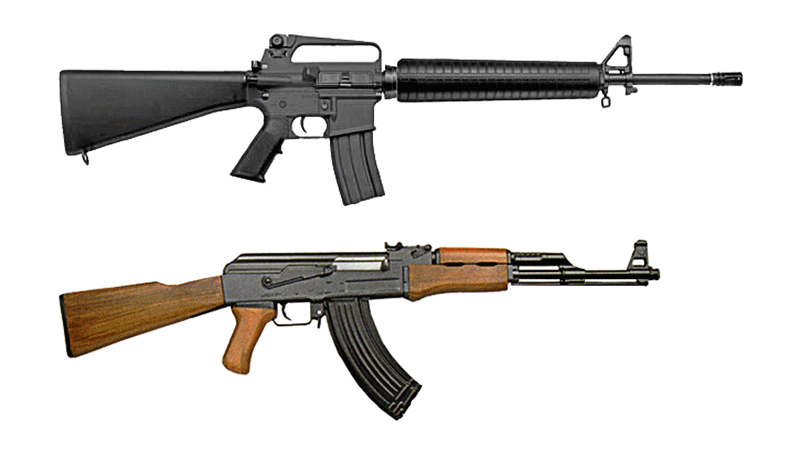
Modern firearm design did not emerge from a single breakthrough. It evolved through a handful of mechanisms, operating systems, and layout decisions that proved durable enough to outlast the eras that produced them. Some firearms became influential because they solved a reliability problem. Others changed expectations around capacity, safety, materials, or ease of manufacture. Together, these seven standouts helped define how later pistols and rifles were built, tested, and judged.
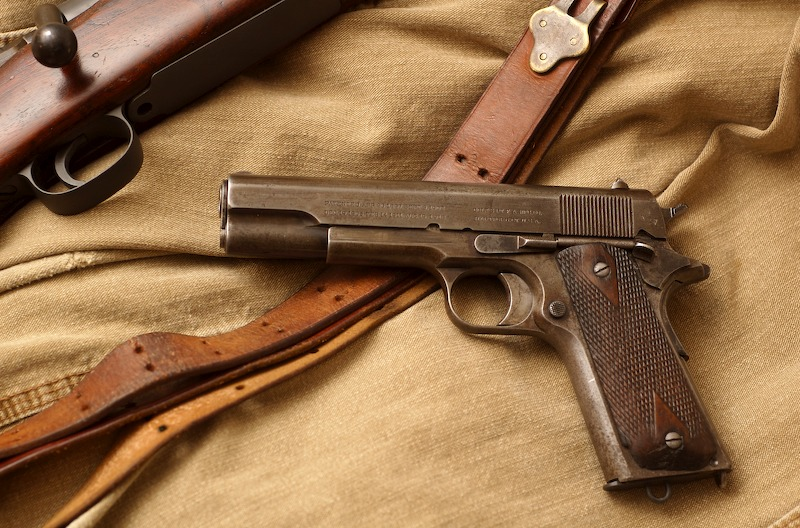
1. Colt M1911
The M1911 established the self-loading service pistol as a serious military sidearm rather than a mechanical curiosity. Built around John Browning’s recoil-operated system, it paired a powerful .45 ACP cartridge with a design that balanced durability, controllability, and straightforward field maintenance. During final U.S. trials, 6,000 rounds were fired without jams or malfunctions, a performance that helped secure its adoption in 1911.
Its influence runs far beyond military history. The 1911 normalized features that remain familiar today: detachable box magazines, a slide that cycles under recoil, manual and grip safeties, and a frame-and-slide arrangement that proved highly adaptable. Even more important, Browning’s layout changed expectations around trigger quality and ergonomics in full-size pistols. More than a century later, the platform still serves as a reference point for accuracy-oriented handguns and modular competition derivatives.
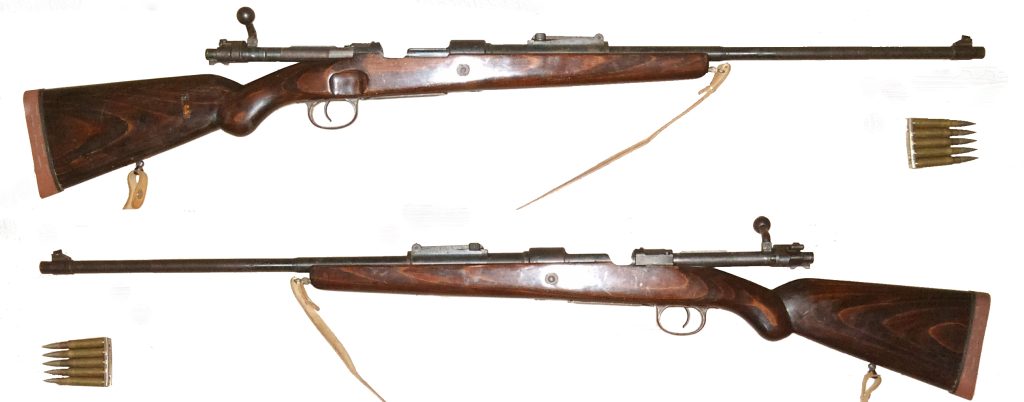
2. Mauser 98
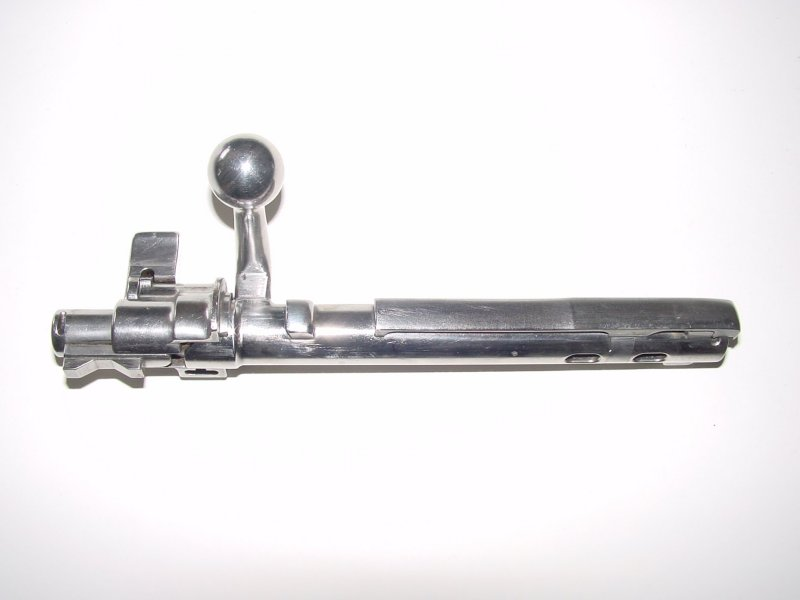
The Mauser 98 remains one of the most copied bolt-action systems ever made because it solved several hard problems at once. Its controlled-round-feed system uses a large claw extractor to seize the cartridge as it leaves the magazine, improving feeding control through the entire cycle. Its dual front locking lugs, rear safety lug, and gas-handling provisions also made the action notably strong and secure.
That combination turned the rifle into a template. As American Rifleman put it, the Mauser 98 became “the one they all copied”. Sporting rifles from many manufacturers borrowed its action geometry, safety logic, and extraction principles. Even modern bolt guns that do not directly clone it still show the outline of Mauser thinking in their locking systems and receiver design.
3. AK-47
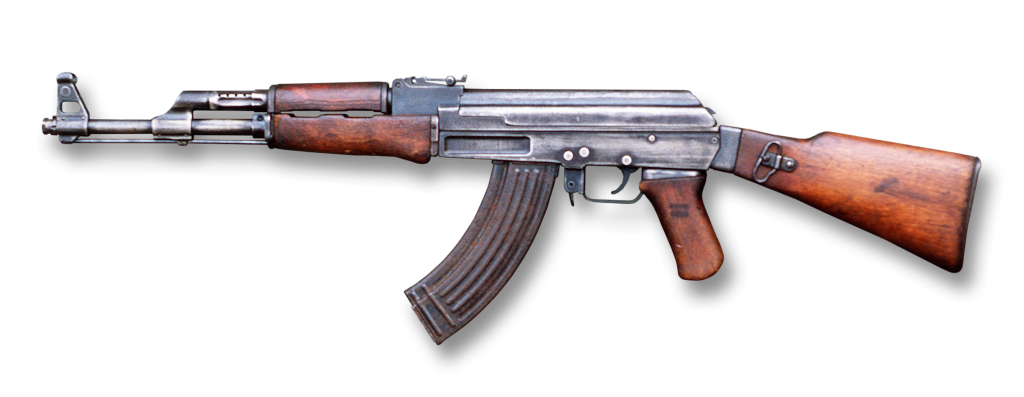
The AK-47 became iconic not because it chased precision, but because it prioritized dependable function under poor conditions. Its long-stroke gas piston system keeps fouling away from critical moving parts better than direct gas systems, while loose tolerances help the action keep cycling when dirt, mud, or debris enter the mechanism.
That philosophy shaped modern discussions about rifle reliability. The AK established a design language centered on simplicity, robust internals, and ease of mass production. Many later rifles adopted piston systems for similar reasons, especially in contexts where maintenance might be inconsistent. The platform also demonstrated that a firearm could sacrifice some refinement in exchange for rugged field performance and still become globally influential.
4. AR-15
The AR-15 pushed rifle design in almost the opposite direction. Eugene Stoner’s layout emphasized lighter weight, straighter recoil impulse, and practical accuracy, all packaged in a highly modular receiver system. Compared with the AK family, the AR pattern became strongly associated with tighter tolerances, lower recoil, and easier accessory integration.
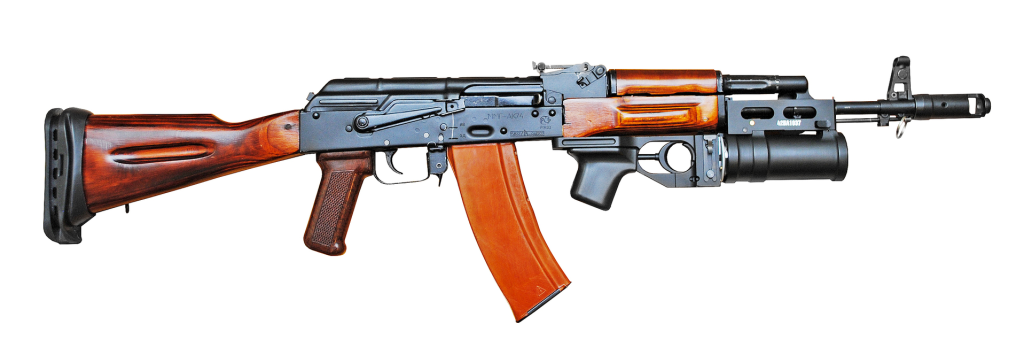
Its real legacy is architectural. The split upper-and-lower receiver arrangement, inline stock geometry, and parts interchangeability turned the rifle into a platform rather than a fixed pattern. Modern sporting rifles, professional carbines, and many military derivatives all reflect that shift. The AR also helped make modularity a central expectation in long-gun design, from optics mounting to barrel and handguard changes.
5. Glock 17
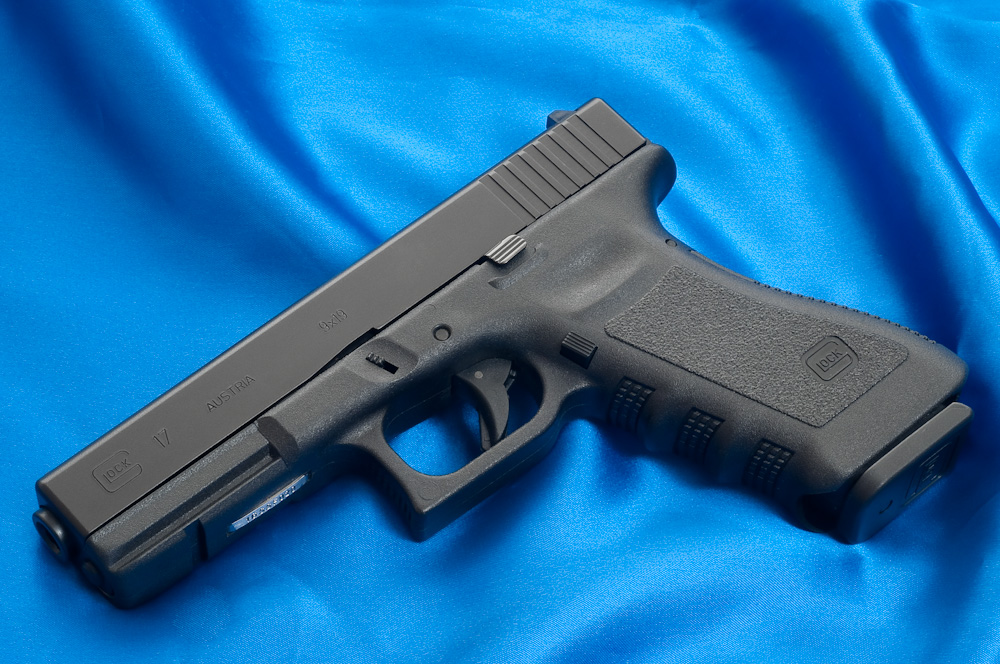
When the Glock 17 appeared in the early 1980s, it disrupted long-standing assumptions about what a duty pistol should be. Its polymer frame reduced weight, its striker-fired system simplified operation, and its relatively low parts count made maintenance unusually straightforward. It was designed for military requirements, but its effect spread quickly into police and civilian markets.
The Glock 17 changed the center of gravity in handgun design. Polymer-framed, striker-fired pistols with consistent trigger pulls are now standard across the industry because the Glock formula proved scalable and durable. Endurance expectations rose as well, with documented endurance testing exceeding 30,000 rounds while most maintenance centered on normal wear parts rather than core components. Countless later service pistols followed that same blueprint.
6. Luger P08
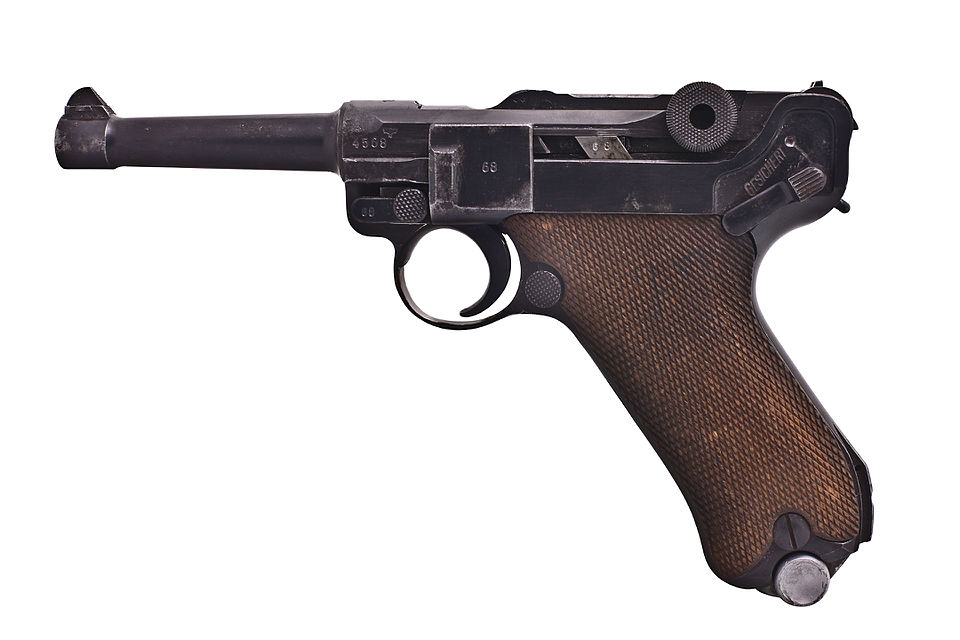
The Luger P08 did not dominate the modern era the way the Glock or 1911 did, but it played a critical transitional role. It helped popularize the semi-automatic pistol in military service and is closely tied to the rise of the 9×19mm Parabellum cartridge, which became the world’s most widespread centerfire handgun chambering.
Its toggle-lock mechanism was mechanically distinct and eventually overtaken by simpler systems, yet its historical impact was larger than that detail suggests. The Luger helped shift institutional thinking away from revolvers and toward magazine-fed autoloaders. It also reinforced the importance of cartridge standardization, an issue that would shape sidearm development for decades after its debut.

7. Karabiner 98k
The Karabiner 98k refined the Mauser system into a shorter, handier package and became one of the most recognizable bolt-action rifles ever built. It was officially adopted in 1935, and estimated production reached 12.8 million through May 1945. That scale mattered because it spread the Mauser action worldwide through military service, postwar reuse, and sporting conversions.
Its importance lies in transmission. The 98k carried the Mauser 98’s extractor, locking system, and receiver logic into the hands of later armorers, gunsmiths, and commercial builders across multiple countries. Many postwar hunting rifles and custom sporters emerged from surplus 98k actions, which helped preserve Mauser engineering as a living influence rather than a museum artifact.
These firearms did not shape the present in the same way. Some introduced specific mechanisms that still appear in current designs, while others changed manufacturing philosophy or reset expectations for reliability and service life. Taken together, they explain why today’s pistols and rifles look the way they do. Modern firearms are full of new materials and updated tolerances, but many of their defining ideas were settled long ago by a short list of designs that proved too effective to disappear.


