Caliber arguments tend to sound simple until gelatin, barriers, and short barrels start stripping away assumptions. That is where weak defensive choices usually show themselves. The modern standard is not built around folklore. The FBI’s 12- to 18-inch penetration window changed the discussion by forcing handgun rounds to prove they can reach vital structures after clothing, bone, and awkward shot angles complicate the path. Retired FBI firearms veteran Bill Vanderpool summarized the lesson plainly: “It was more a matter of bullet construction than caliber.” Even so, some chamberings still offer so little ballistic margin that bullet design cannot fully rescue them.
1. .22 Short
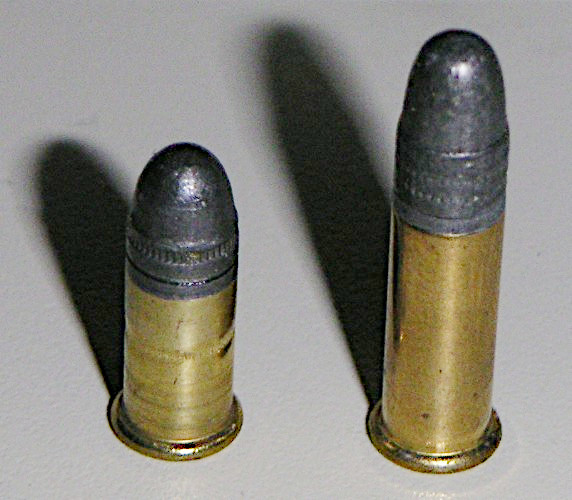
The .22 Short remains one of the classic low-noise, low-recoil rimfire rounds, but its strengths belong to plinking and very small pest work, not personal defense. Its light bullet and limited powder charge leave little room for useful penetration once clothing, bone, or oblique angles enter the equation. For a defensive handgun, that is a narrow performance envelope. Handgun bullets already do limited work compared with long guns, and rounds that begin with minimal velocity have even less ability to reach the structures that matter most.
2. .25 ACP
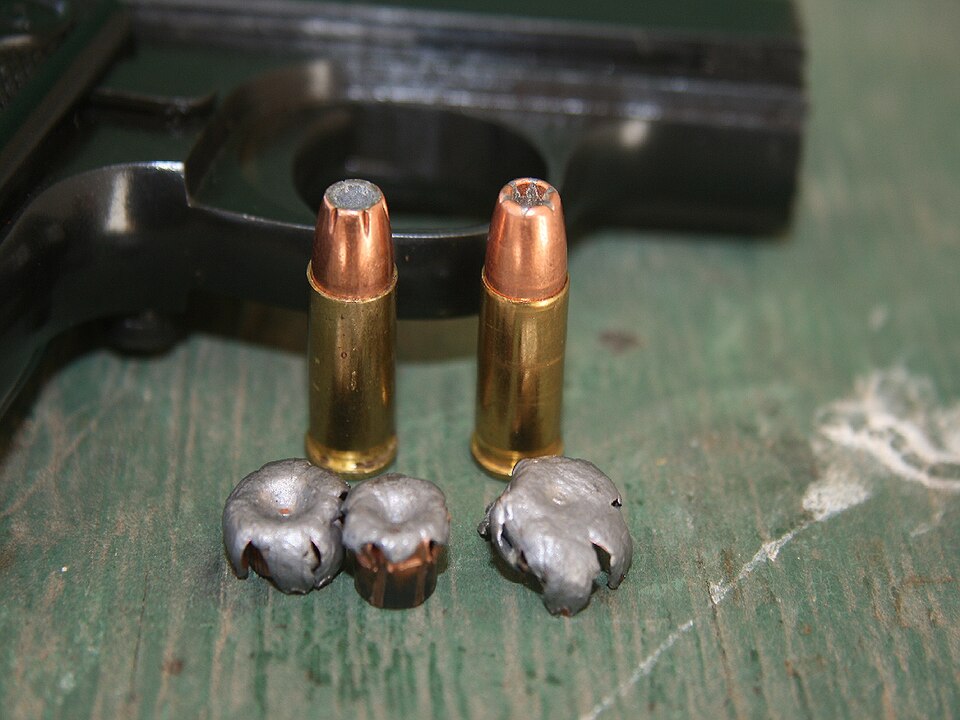
The .25 ACP was created to offer centerfire ignition in tiny pistols, and that centerfire layout does give it a reliability advantage over rimfire cartridges. The trouble is that dependable ignition does not solve shallow penetration.
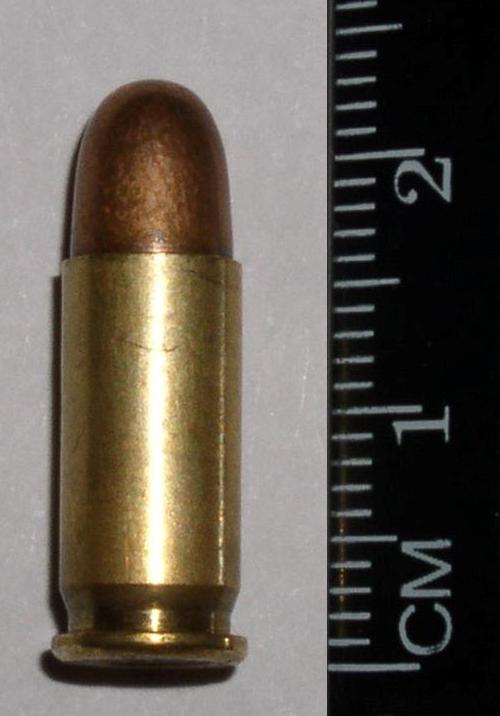
Pocket pistol gel testing showed .25 ACP loads struggling to produce consistent depth, even when using load types that would normally be expected to favor penetration. In practical terms, the cartridge offers too little cushion when shot angle, heavy clothing, or minor barriers eat up momentum.
3. Original .32 S&W
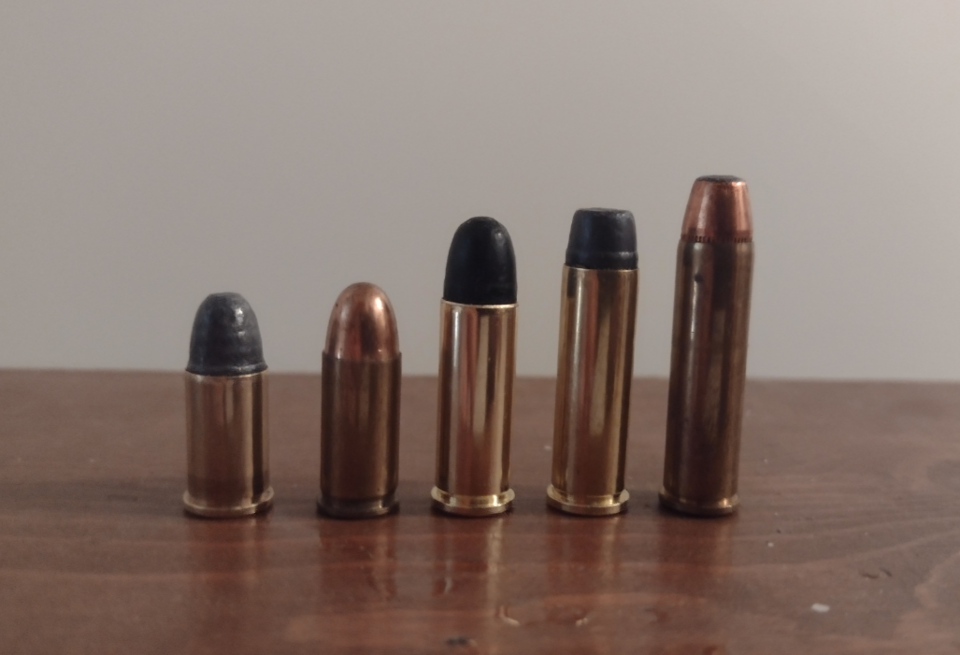
The original .32 S&W is mostly a historical cartridge now, and modern standards explain why. It was built for another era of small revolvers and far looser expectations about terminal performance. Compared with later members of the .32 family, it simply lacks the velocity to create dependable results in a defensive role. Later options such as .32 H&R Magnum and .327 Federal Magnum showed far stronger performance in testing, especially when barrel length gave them enough speed to work.
4. .410 Bore From Handguns
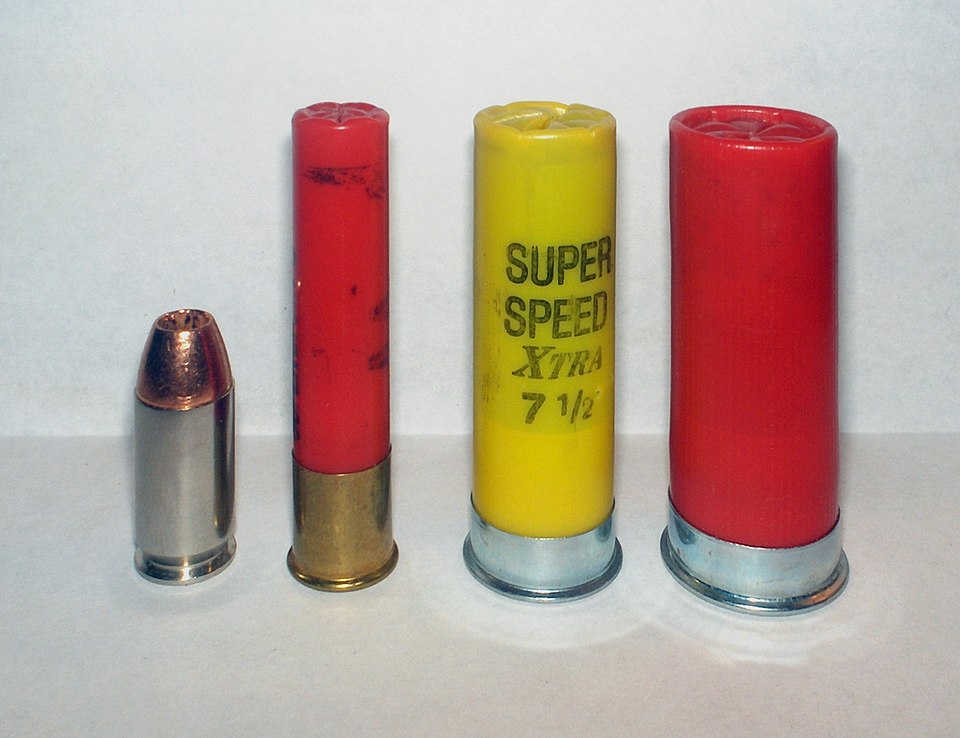
.410 revolvers attract attention because they promise multiple projectiles from a compact platform. That visual appeal has always outpaced the ballistics. From short barrels, shot loads often give up too much penetration for the sake of spread. Slug and buckshot loads can produce better depth, but consistency suffers once heavy clothing is added, and the platform’s defensive promise becomes highly load-dependent. A handgun chambered for a shotshell looks flexible, yet it frequently trades concentrated effect for dispersed, weaker impact.
5. .22 LR in Defensive Handguns
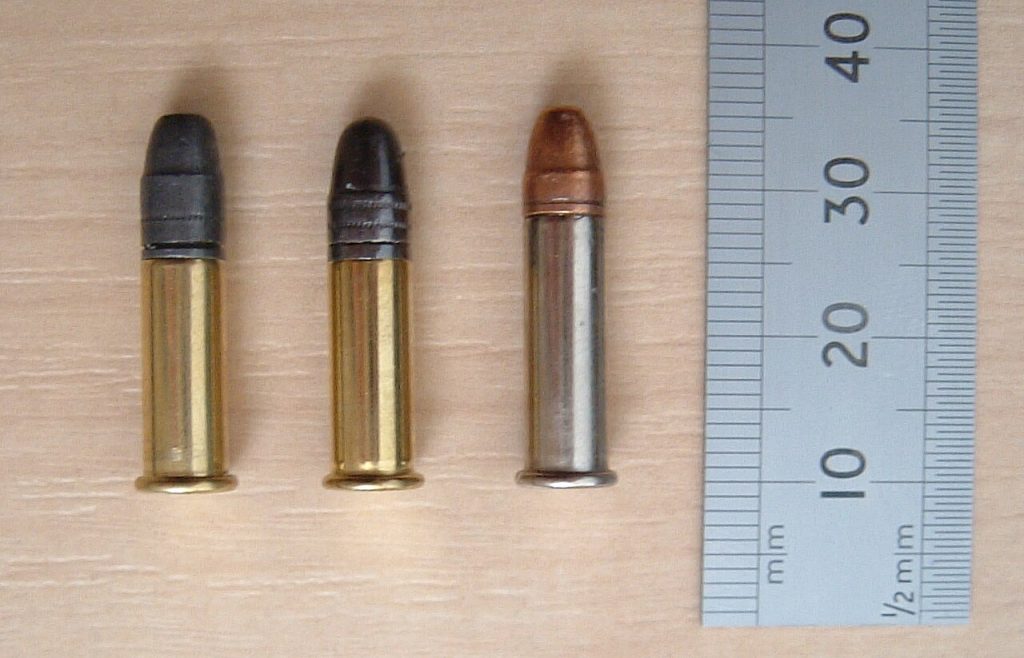
.22 LR is easy to shoot, widely available, and undeniably lethal under the right conditions. None of that changes the limits imposed by rimfire ignition and a very light bullet in short-barreled handguns. Short-barrel .22 LR tests showed barrel length making a noticeable difference, with the longer handgun producing significantly more velocity than the snub-nose revolver. That matters because tiny carry guns are exactly where .22 LR loses the most performance. Expansion is rare, and when it appears, penetration usually suffers. In a cartridge already operating near the floor of acceptable depth, that tradeoff is hard to ignore.
6. .380 ACP With the Wrong Load
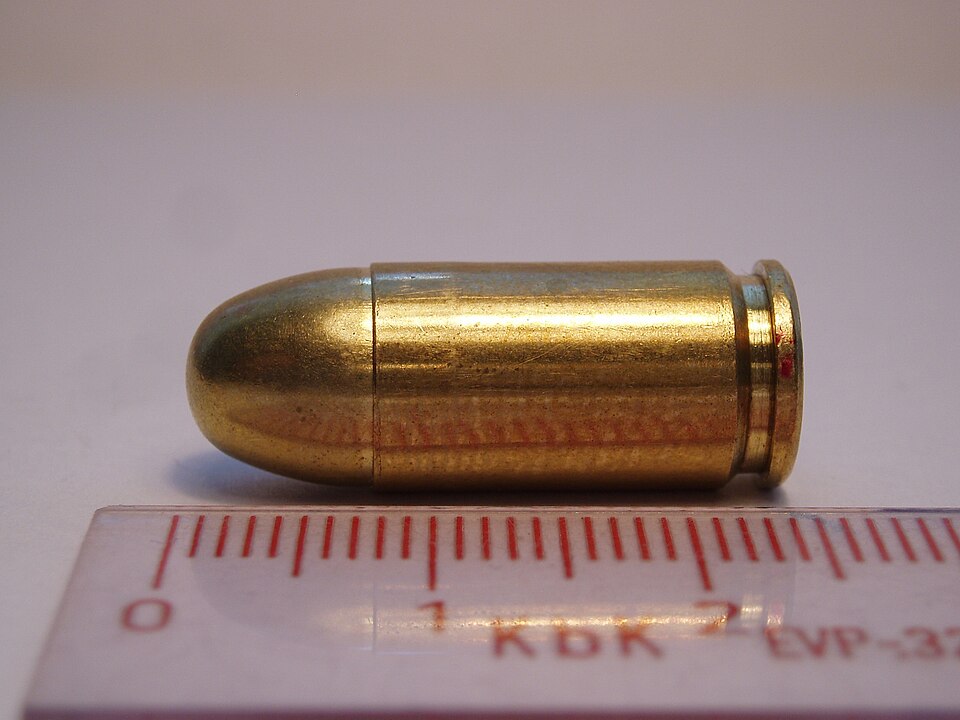
.380 ACP is not automatically a bad defensive choice, but it is one of the clearest examples of how a caliber can become questionable when paired with the wrong bullet. In this chambering, the line between adequate and inadequate is thin. Heavy-clothing gel results for .380 ACP showed a familiar pattern: many loads either expanded and came up short on depth, or penetrated well but failed to expand. That makes full metal jacket and weak hollow-point choices particularly problematic. It is the caliber on this list most dependent on careful ammunition selection, because there is less surplus velocity available to cover mistakes.
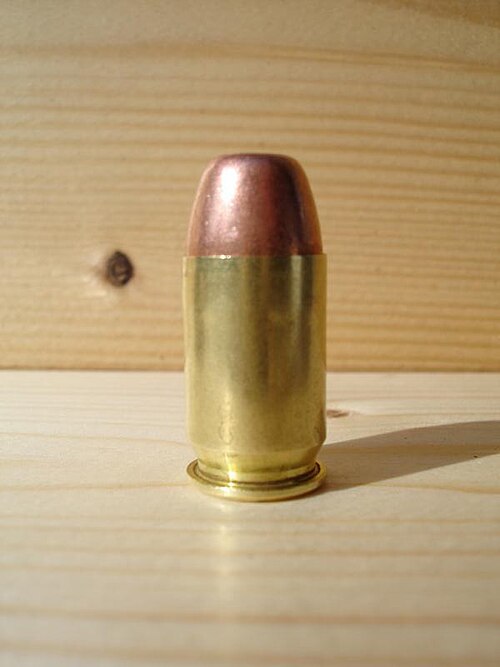
7. .45 GAP
.45 GAP is different from the other entries because the problem is not raw terminal weakness. It was engineered to approximate .45 ACP performance in a shorter cartridge, and on paper that goal made sense. Its drawback is that it never established a broad ecosystem of guns, support, and defensive load variety. Once more refined 9mm ammunition met service standards and agencies shifted back toward the easier-shooting cartridge, niche rounds with no clear performance edge had a harder time justifying themselves. The same FBI protocol that reset the caliber debate also helped reinforce the idea that modern 9mm loads can meet duty expectations without requiring a larger cartridge.
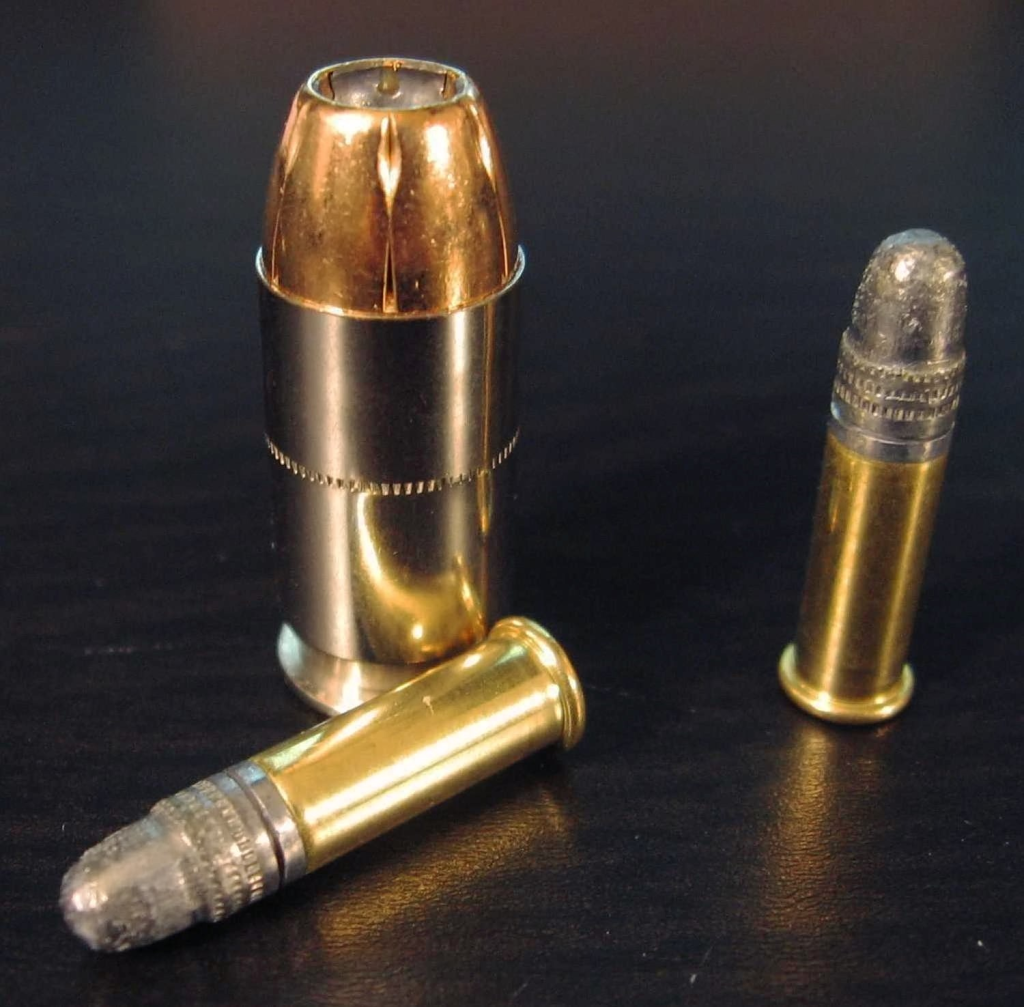
The common thread across these seven is not mythology about “stopping power.” It is a shortage of margin. Some are too weak, some are too inconsistent, and one is simply too unsupported to justify its place when stronger mainstream options exist. That is why the smarter caliber conversation starts with penetration, consistency, and realistic handgun performance rather than label loyalty. Small differences can matter, but only after a cartridge clears the baseline that modern testing has made hard to ignore.


