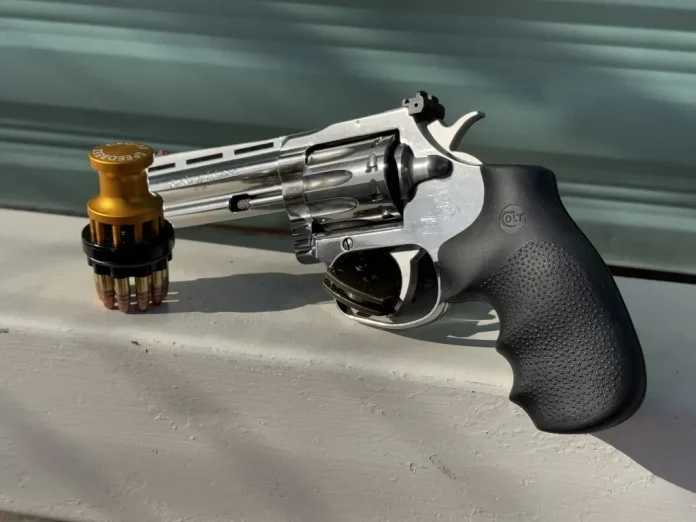
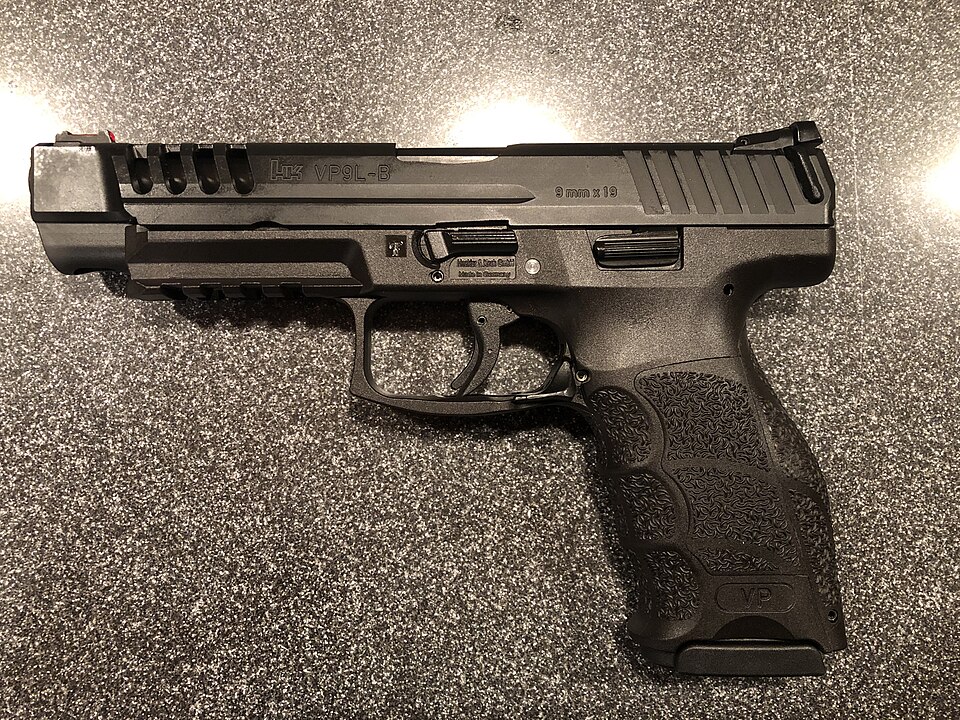
Striker-fired pistols have been common long enough that their trigger systems are still discussed with a surprising amount of folklore. Some of that comes from preference, some from old range-talk shorthand, and some from the habit of treating all trigger systems as if they work the same way internally. The mechanics say otherwise. A striker system and a hammer system both exist to drive a firing pin into a primer, but they do it through different movement patterns, and those differences matter far more than many broad trigger claims suggest.
1. “All striker-fired triggers are the same.”
This claim falls apart as soon as the underlying mechanism is examined. In broad terms, a hammer-fired pistol uses rotational movement, while a striker-fired design uses a more linear motion as the internal firing component is tensioned and released, a distinction outlined in the rotation-versus-linear firing path. That does not mean every striker trigger feels identical from one design to the next.
Pre-travel, wall definition, break character, overtravel, and reset can vary significantly between platforms. Even among pistols that are all labeled striker-fired, engineering choices in sear geometry, spring rates, and trigger bar interaction produce very different results. The category is too broad to support a one-size-fits-all judgment.
2. “Striker-fired means modern, hammer-fired means old.”
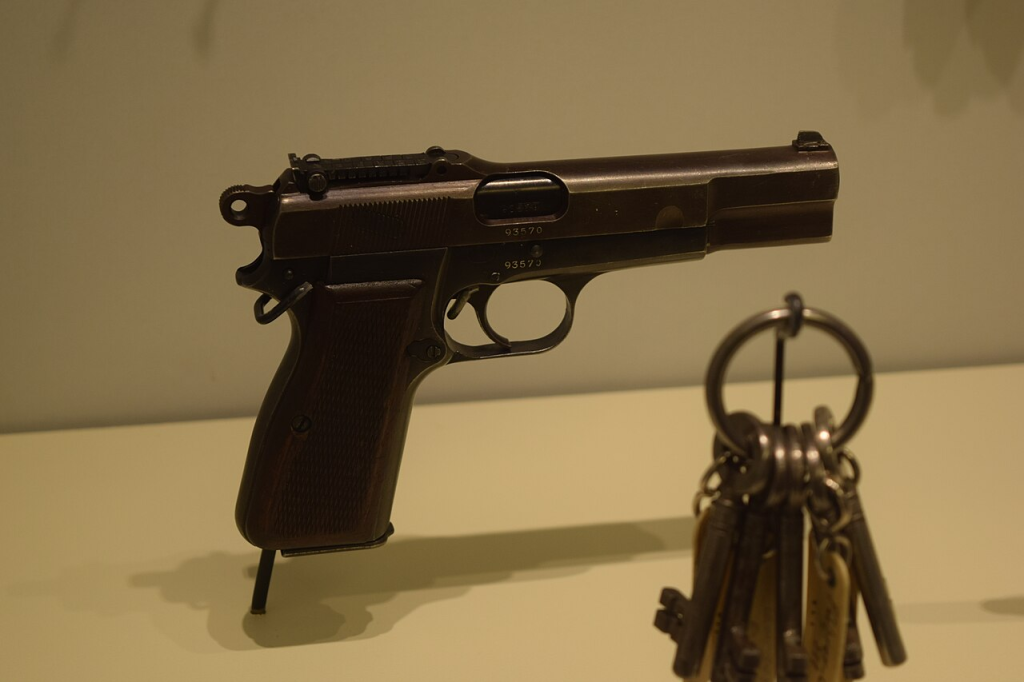
That framing ignores the history of pistol design. Striker-fired handguns became especially prominent in the polymer service-pistol era, but the concept is much older than that. John Browning designed early striker-fired handguns well before the current market treated the format as the default.
A particularly useful historical counterexample is the early Hi-Power prototype that was striker-fired before the finalized production pistol became the single-action, hammer-fired design most shooters know. The modern market may associate striker systems with newer duty pistols, but the mechanism itself is not a late invention.
3. “A mushy trigger is just what striker-fired pistols are.”
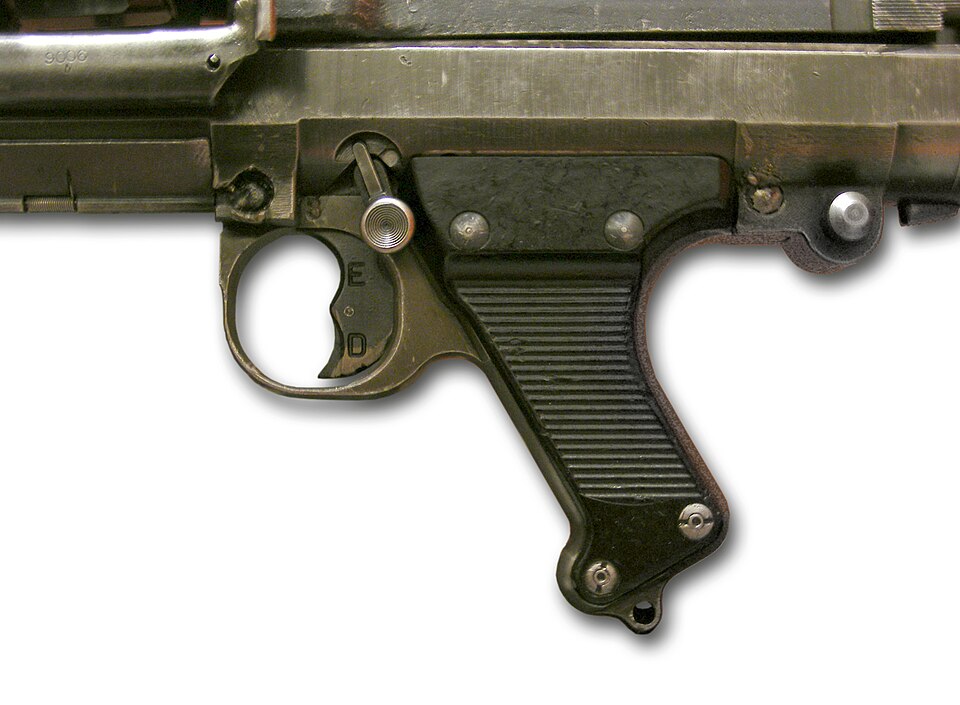
This one survives because it sounds technical while mostly describing feel. In shooter discussions, “mushy” often refers to a long, indistinct press with a vague break, and one forum poster summed up that impression by saying, “For me, all striker fired guns have a mushy trigger. Its the act of compressing the striker spring.” That quote captures a common perception, not a universal rule.
Trigger feel is shaped by more than the fact that a pistol uses a striker. Engagement surfaces, connector design, spring setup, and the amount of pre-cocked tension in the system all influence whether the press feels clean, rolling, firm, or indistinct. Some hammer-fired pistols have unimpressive triggers, and some striker-fired pistols have surprisingly defined breaks. “Mushy” is not a synonym for striker-fired; it is a description of a specific execution.

4. “No external hammer means no meaningful safety system.”
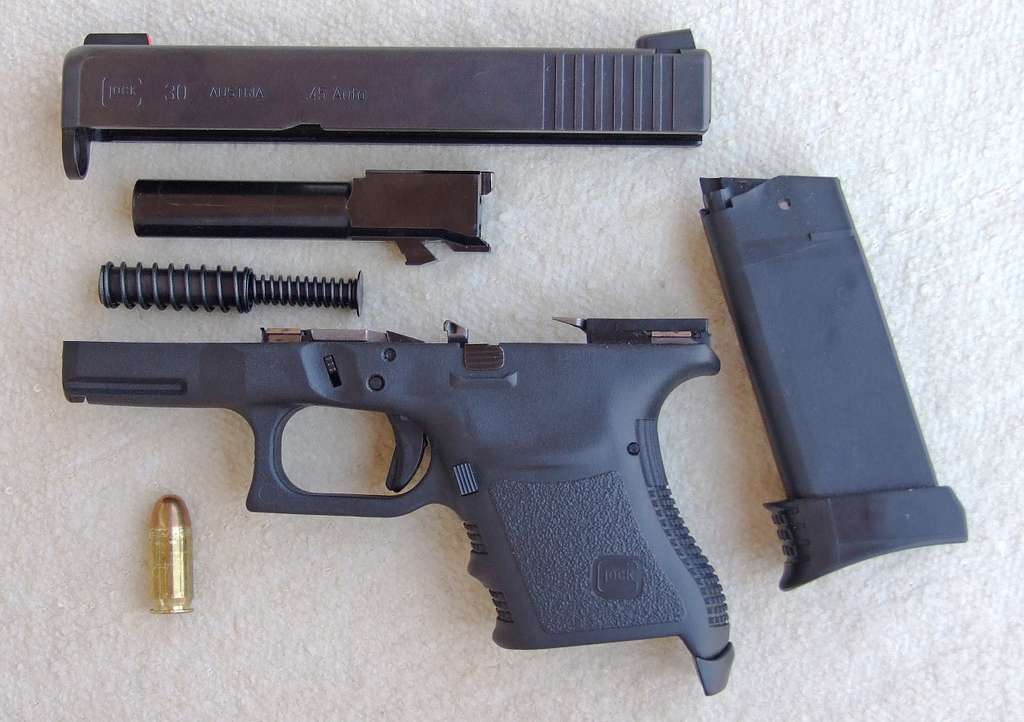
Visible hardware often gets mistaken for actual safety architecture. A striker-fired pistol may not present an exposed hammer to thumb or inspect, but that does not mean the trigger system lacks layered safeguards. Glock’s SAFE ACTION trigger safety sequence is a clear example of how internal and trigger-integrated safeties are built into the firing process. The company describes a trigger safety that blocks rearward movement unless deliberately depressed, and it notes that the safeties automatically re-engage when the trigger moves forward. The absence of an external hammer changes the interface, not the existence of engineered safety features.
5. “Striker-fired triggers cannot have a useful reset.”
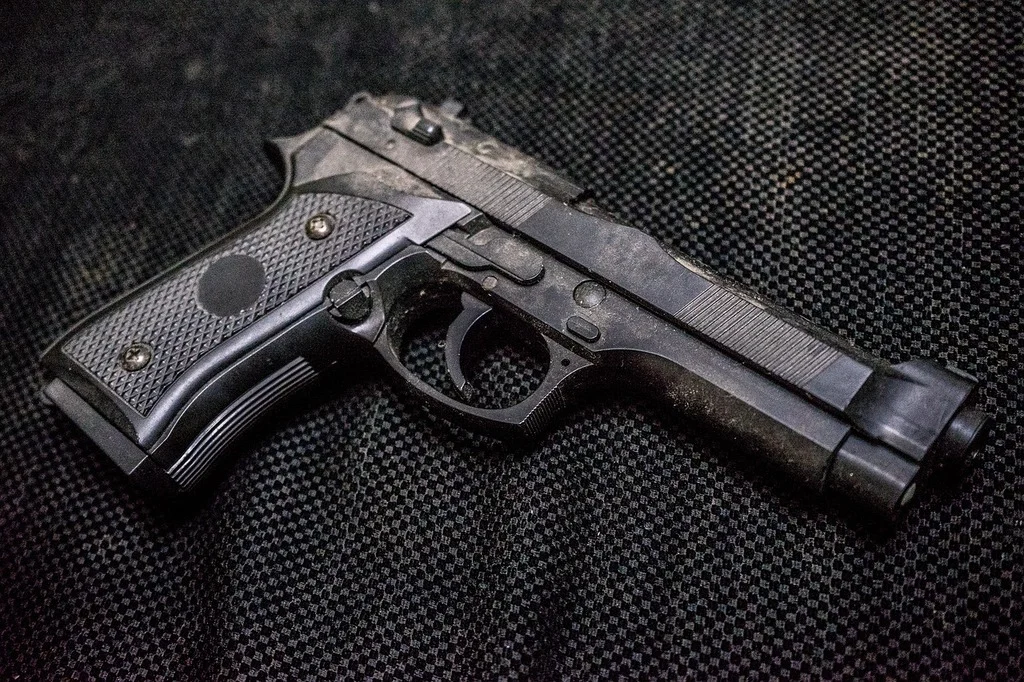
Reset is one of the most misunderstood parts of the conversation. Many shooters discuss trigger quality as if break weight is everything, when reset distance and feedback can matter just as much in repeated fire. Some striker-fired systems are specifically designed around short, tactile reset behavior. Glock states that its system allows reset with only limited forward movement of the trigger, with both audible and tactile feedback. That does not make every striker trigger short-reset by default, but it decisively disproves the idea that the format itself prevents an effective reset.

6. “A striker-fired trigger is always simpler to judge because there’s only one pull.”
Consistency and simplicity are not identical. Many striker-fired pistols do provide a repeatable press from shot to shot, which is one reason they became popular service sidearms. But a consistent pull can still include a long take-up, an indistinct wall, or a rolling break that requires careful familiarity.
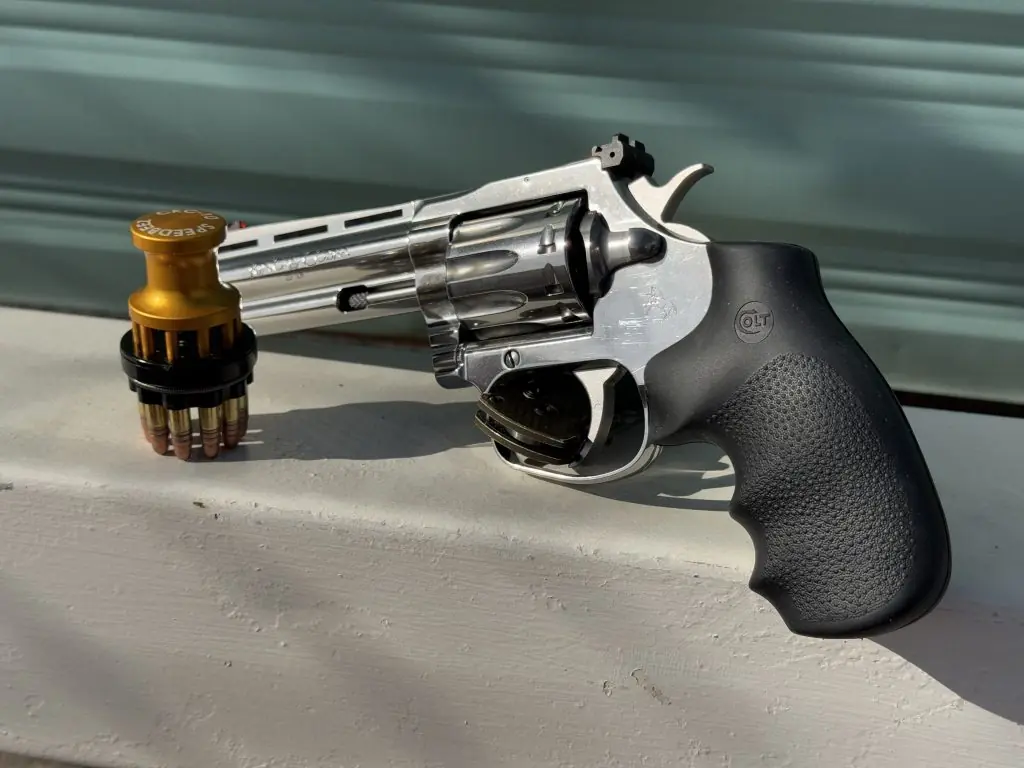
This matters because shooters often compare striker systems to single-action triggers and assume uniformity automatically equals clarity. In reality, a repeatable trigger can still demand training to read properly. The press may be consistent, yet still different in cadence and feedback from a crisp single-action design such as the Browning Hi-Power or 1911 family.
7. “Striker-fired triggers replaced hammer-fired triggers because they’re automatically better.”
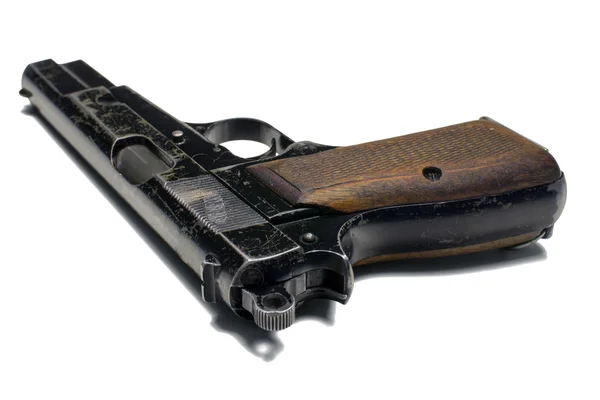
Market dominance is not the same thing as mechanical superiority. Striker-fired pistols gained broad acceptance partly because they typically use fewer parts and can be lighter and simpler to manufacture, an advantage noted in the simpler striker-fired layout. Those traits help explain adoption.
They do not end the trigger debate. Hammer-fired pistols continue to hold ground because some shooters value single-action crispness, others prefer DA/SA staging, and many still want the tactile and visual feedback of an exposed hammer. The endurance of platforms descended from Browning’s work shows that the market did not settle on one trigger philosophy because every other one failed.
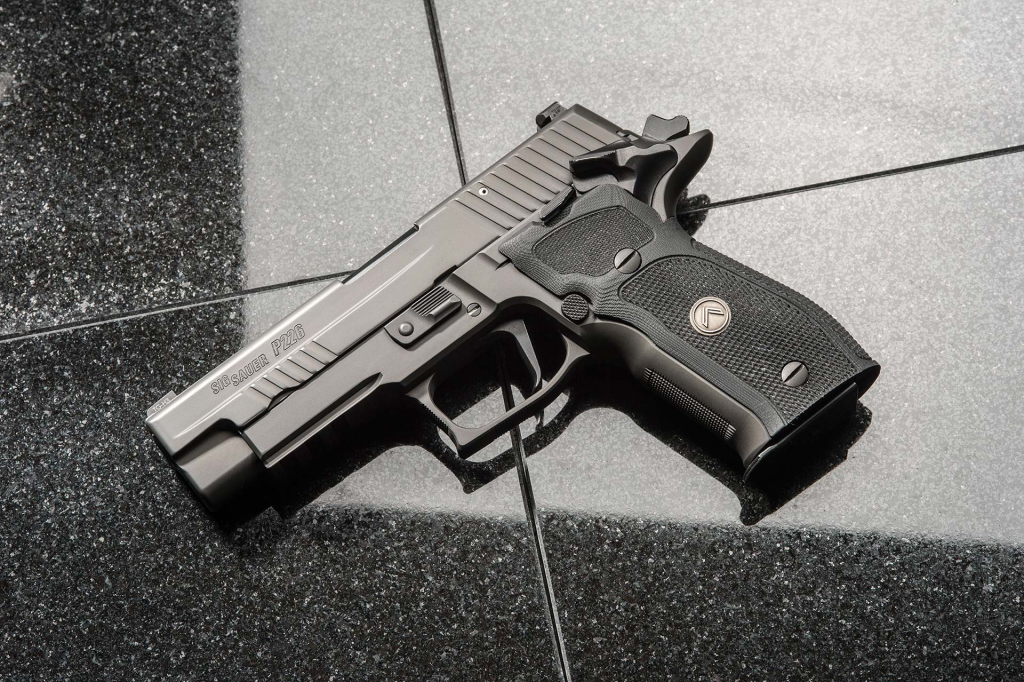
Most broad claims about striker-fired triggers collapse under closer inspection. The format carries real strengths, but its trigger character is shaped by execution, not by a label stamped onto a product category. That is why the strongest comparisons tend to start with mechanism and design details instead of slogans. Once the internal engineering is separated from range mythology, the discussion gets much more precise.


