Glock’s catalog reduction is not a routine cleanup. The company has been trimming away dozens of pistol variants while preparing a narrower lineup built around revised internals, a move that says as much about manufacturing discipline and legal pressure as it does about product planning.
The change also reveals how mature firearm platforms evolve. When a design has spent decades expanding across generations, calibers, and special configurations, the next phase often looks less like a dramatic reinvention and more like a controlled reset.
1. The catalog had become too broad to manage efficiently
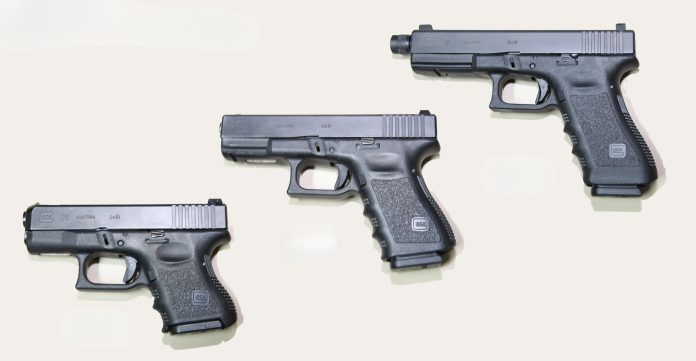
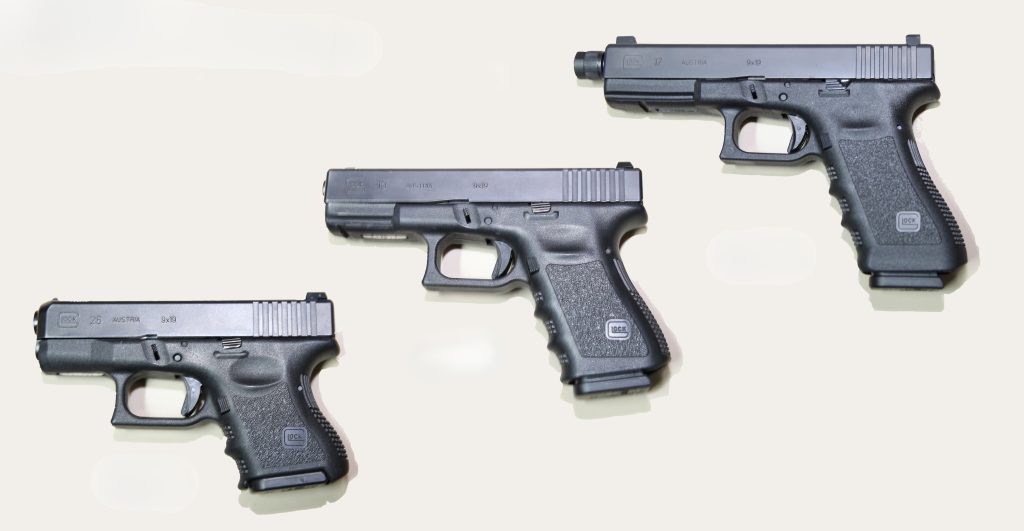
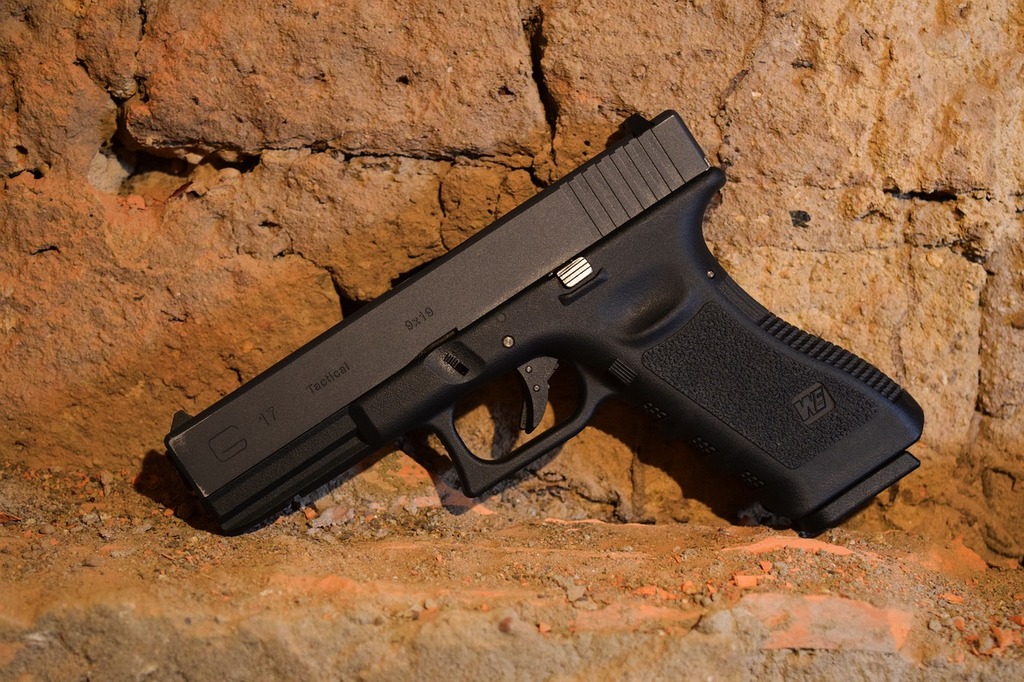
One of the clearest reasons for the reduction is scale. Glock had accumulated a wide spread of Gen3, Gen4, and Gen5 variants, including long-slide, MOS, and caliber-specific models that overlapped heavily in purpose. According to the published discontinued-model list, the cuts span full-size, compact, competition-style, and large-frame pistols rather than a single niche. That kind of SKU sprawl complicates forecasting, assembly, inventory control, and spare-parts logistics. Streamlining a mature product family allows a manufacturer to center production on fewer baselines, reduce internal complexity, and standardize support over a longer cycle.

2. Glock has already described the move as a strategic portfolio reduction
Glock’s own public framing points to a deliberate restructuring rather than a temporary pause. In its statement, the company said, “In order to focus on the products that will drive future innovation and growth, we are making a strategic decision to reduce our current commercial portfolio.” That language matches a manufacturer shifting resources away from legacy variation and toward a more unified platform. It is a short statement, but it carries weight. Companies rarely use portfolio language unless the real objective reaches beyond individual models and into how future development, tooling, and compliance will be managed.
3. The rumored V-series appears designed around internal changes, not a cosmetic relaunch
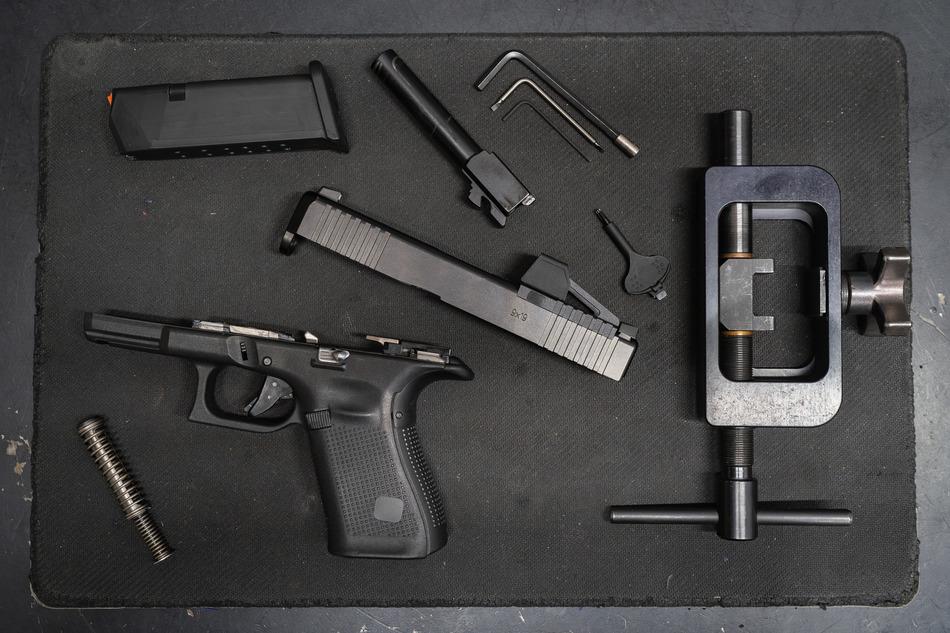
The central industry expectation is that Glock is not simply renaming pistols. Multiple references point to revised slides and trigger-system changes, with one distributor communication stating that shipments on many Gen3, Gen4, and Gen5 pistols would stop before replacement models arrive. That matters because a platform overhaul built around internal geometry changes affects far more than model names. It touches parts compatibility, service training, aftermarket support, and long-term commonality. Reports surrounding the coming V-series consistently emphasize internal revisions while noting that the outward appearance remains close to the Gen5 pattern, suggesting a technical refresh aimed at the mechanism rather than the silhouette.

4. Pressure over illegal conversion devices has become impossible to ignore
A major force behind the reset is the spread of illegal conversion devices commonly called Glock switches. These small components have drawn intense scrutiny because they exploit specific internal relationships in compatible pistols. The broader issue is no longer peripheral: the ATF reported 11,088 machine gun conversion devices recovered between 2019 and 2023, including a sharp rise in recent years. For a manufacturer, that changes the engineering equation. Once a design feature becomes the center of recurring legal and regulatory attention, product planning starts to revolve around resistance to misuse as much as around durability, shootability, or accessory fit.

5. State legislation is pushing design decisions into the commercial lineup
The clearest example is California’s Assembly Bill 1127, which targets machinegun-convertible pistols sold to civilians under specified design conditions. That kind of law does not merely affect sales policy. It encourages manufacturers to alter the product itself so the compliance question is addressed at the engineering level. Once one major state creates a technical standard, other jurisdictions often shape their own proposals around similar concerns. Glock’s catalog consolidation reads, in part, like a preemptive adaptation to a regulatory environment that is becoming more design-specific.

6. Lawsuits are turning legacy internals into a liability issue
Legislation is only one side of the pressure campaign. Glock has also faced lawsuits from multiple cities and states over the convertibility of some pistols, and reference reporting notes that discovery has moved forward in several jurisdictions. That is significant because litigation does not just create public scrutiny; it can force a company to defend engineering choices in detail.

A streamlined replacement family helps contain that exposure. When older commercial variants are retired and future production converges on revised internals, a manufacturer can argue that it is not standing still while the legal environment shifts around it.
7. The aftermarket is being reset along with the pistols
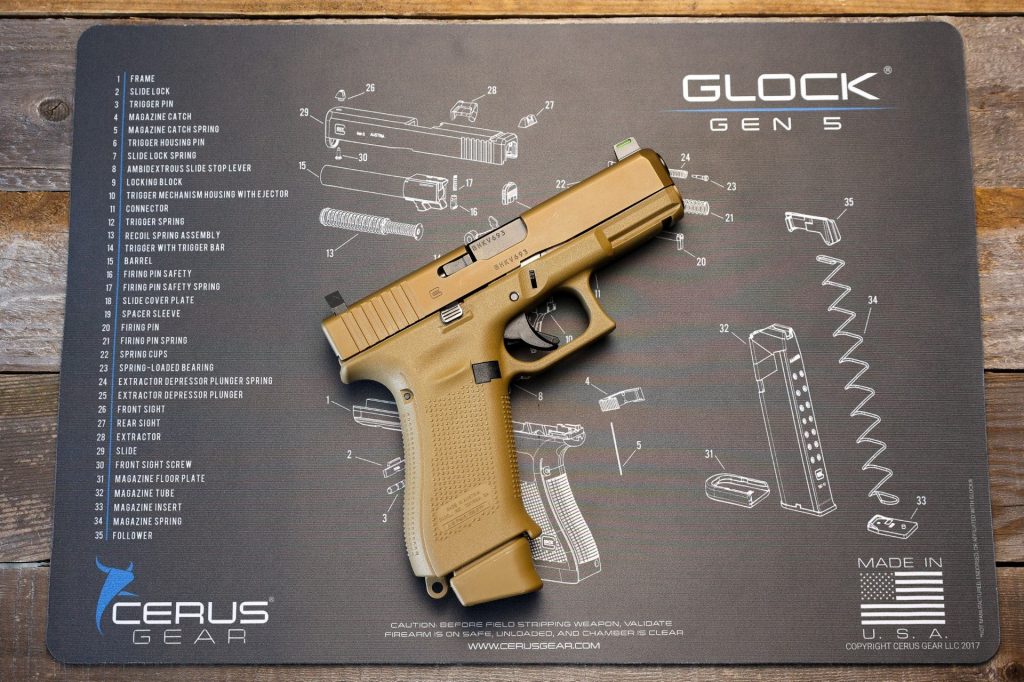
Catalog reductions often signal a broader platform transition, and Glock’s move appears to fit that pattern. Distributor chatter cited in the reference material indicated that current Glock Performance Triggers would not function in the revised pistols, a sign that the internal architecture is changing in ways the accessory market will need to follow. That is a quiet but important part of the story. Glock’s ecosystem has long benefited from interchangeability, easy armorer familiarity, and a huge supply of model-specific parts.
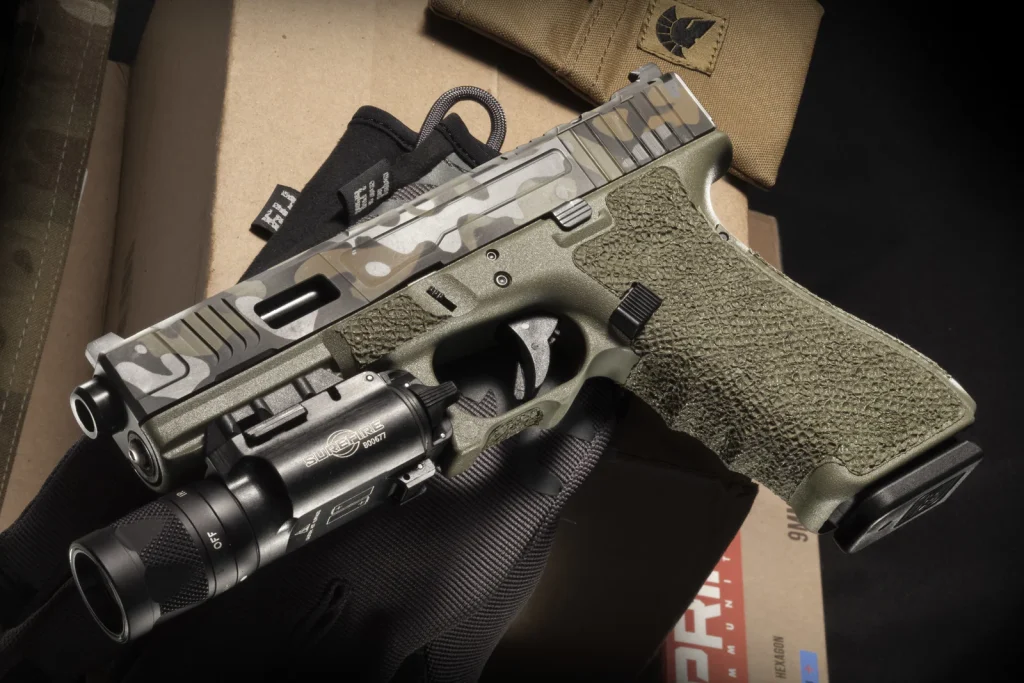
A new baseline can preserve the brand’s outward continuity while forcing a controlled break in some internal compatibility, which is often exactly how a dominant platform modernizes without looking radically different. What makes this shift notable is not the number of discontinued models by itself. It is the pattern: fewer overlapping variants, stronger internal standardization, and a design response to a legal and regulatory problem that has become central to the platform’s future. Glock is not abandoning its core identity. It is narrowing the catalog so the next version of that identity can be easier to build, easier to defend, and harder to misuse.


