

Glock’s sixth generation is not just another rolling update. It represents a narrower, more disciplined product strategy built around ergonomics, optics, and a smaller set of mainstream configurations. That shift helps explain why so many older variants are disappearing at the same time. The company’s public messaging around Gen6 emphasizes hand fit, texture, controls, and an optic-ready baseline, while outside analysis points to a much simpler reality behind the scenes: fewer model variations are easier to build, stock, support, and standardize. Put together, those forces make a leaner catalog look less like a surprise and more like the point.

1. Gen6 turns ergonomics into the main event
Glock is framing Gen6 as a pistol family built around fit rather than novelty. On its official Gen6 pages, the company highlights a palm swell, enlarged beavertail, undercut trigger guard, thumb rest, deeper serrations, and a flat-faced trigger, with optic ready capability treated as standard rather than optional. That matters because broad product trees usually grow from years of solving one complaint at a time. Different generations, frame styles, and special variants often coexist because each answered a different user preference. Once a new platform tries to absorb those preferences into one core design, the business case for carrying dozens of older overlap models gets weaker.

2. A smaller SKU count makes manufacturing far easier
One of the clearest explanations for broad discontinuations is factory efficiency. Outside analysis of Glock’s current direction describes a deliberate move toward simplify inventory, reduce tooling changes, and keep production focused on high-volume lines. In practical terms, every extra model creates more part tracking, more assembly variation, more forecasting risk, and more distributor complexity. A company with Glock’s scale benefits when slides, frames, magazines, and small parts can be planned in larger common batches instead of fragmented into low-volume runs. eliminating slow-moving variants is less dramatic than it sounds; it is often the cleanest way to free machine time and engineering bandwidth for a new generation launch.

3. Optics are no longer a niche feature
Gen6 standardizes a design direction that had already become obvious across the handgun market: red-dot compatibility is moving from premium trim to default expectation. Glock’s official description says standard-frame Gen6 pistols include three optic plates and a new optic-ready system engineered for adaptability and durability. That kind of baseline changes the product map. Earlier catalogs often needed separate MOS and non-MOS versions, plus regional or channel-specific combinations. If optics-ready is the new normal, many of those branch-off configurations stop making sense.

4. The lineup is concentrating around mainstream 9mm pistols
Reference material on Glock’s recent trimming consistently points to high-volume 9mm models as the survivors. Lower-selling variants, especially older-generation and less popular caliber combinations, are the logical casualties when a company wants a tighter, easier-to-manage portfolio. That does not mean older or alternate calibers vanish from user interest. It means the center of gravity has shifted. Duty, carry, training, and aftermarket ecosystems are all strongest around the most common 9mm formats, so a Gen6 rollout built around that demand lets Glock streamline without abandoning its largest audience.

5. Legal pressure around conversion devices changed the design conversation
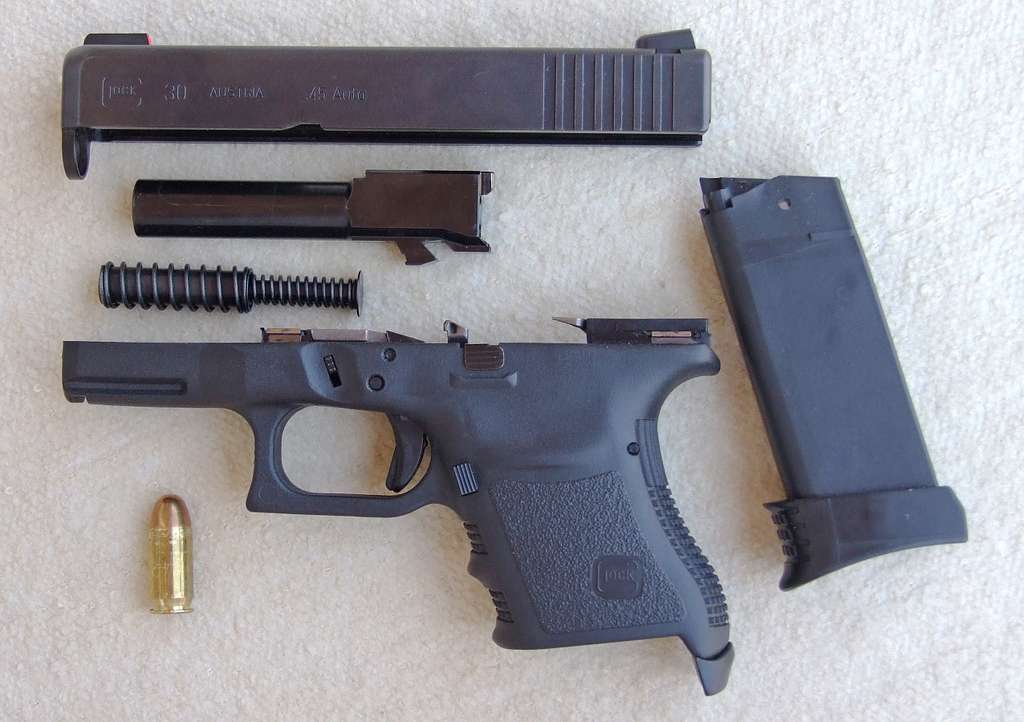
One uncomfortable reality around modern Glock coverage is that illegal conversion devices have become a recurring issue in public debate. Multiple reference articles stress that these devices are not made by Glock, and that a “Glock switch” is an aftermarket auto sear that converts a semi-automatic pistol to fully automatic fire. The broader significance is not the criminal misuse itself, but the engineering and product-planning consequences around it. According to one reference, Glock moved away from older generations and introduced the Gen V platform after concerns that prior designs were easier targets for conversion-device compatibility. Separate reporting and advocacy material also describes a sharp increase in auto sear recoveries in recent years. For a manufacturer, that kind of pressure can push standardization, redesign, and retirement of legacy configurations all at once.
6. Gen6 appears to reject the wilder rumors and stick with controlled evolution
Pre-release discussion was filled with speculation about interchangeable chassis systems, removable lower receivers, and major parts commonality changes. The reference thread itself repeatedly shows how uncertain those rumors were before launch. What Glock actually published for Gen6 is much more conservative: backstraps remain part of the package, ergonomics are improved, and the platform stays recognizably Glock. That restraint is revealing. Rather than explode the catalog with a radically modular future, Glock seems to be collapsing it into a cleaner one. The company’s own positioning is evolutionary, not revolutionary, and a wide purge of older overlap models fits that philosophy.
7. Fewer legacy models make support and messaging cleaner
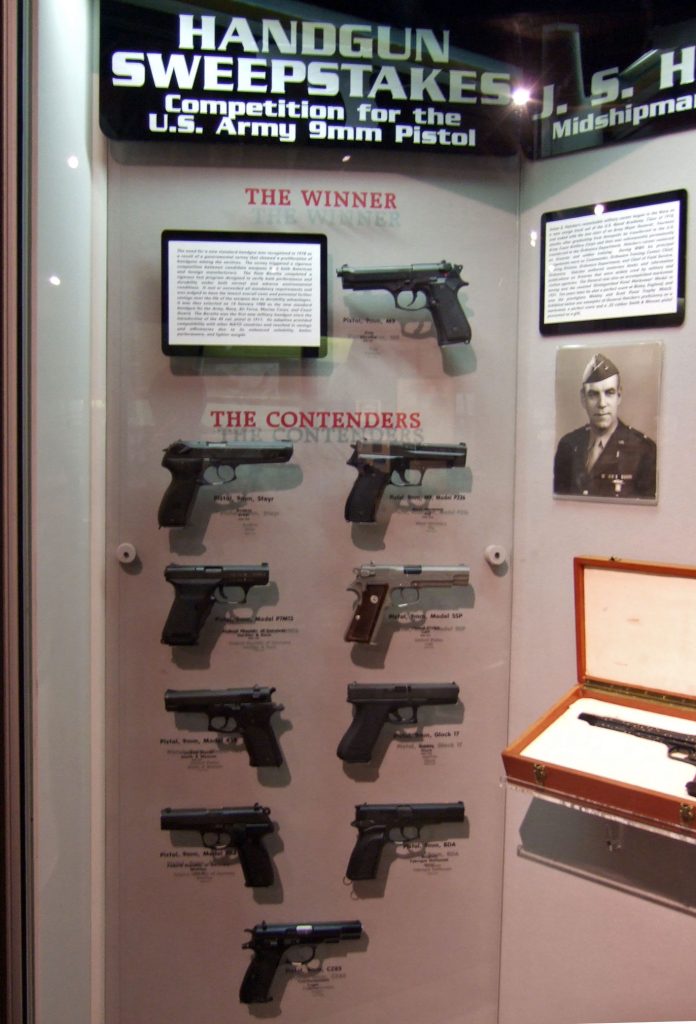
A sprawling handgun line can confuse everyone in the chain: dealers, armorers, agencies, holster makers, and private owners trying to sort out compatibility. Trimming legacy variants simplifies training documents, service inventories, and buyer expectations even if parts support remains in place for older guns. That kind of clarity matters during a generational handoff. Instead of asking customers to decode which Gen3, Gen4, Gen5, MOS, and niche-frame variant still matters, Glock can center the conversation on a handful of Gen6 models and a smaller set of continuing legacy holdovers.

8. The first Gen6 model set suggests deliberate pruning, not a full reset
Glock’s own Gen6 material points to an initial launch built around familiar 9×19 models, including the G17, G19, G45, and G49. That is a focused group, not an everything-for-everyone release. It covers the major duty and carry lanes without reopening every old branch in the family tree. There is a pattern in that choice. By starting with the most recognized footprints, Glock can move users into the new generation while retiring the long tail of slow sellers.

That is how dozens of discontinuations can happen without the company actually shrinking its presence in the categories that matter most. The headline may sound dramatic, but the underlying logic is familiar to any large manufacturer. Gen6 gives Glock a chance to reset the core around one ergonomics-first, optics-ready standard and stop carrying years of overlapping product history. In that light, the disappearing models are not just being cut. They are making room for a platform Glock clearly wants to define the next decade.


