Polymer frames changed the service-pistol market, but they never erased the appeal of metal guns that had already proven themselves under punishing use. In elite formations, a sidearm stayed relevant for years only when reliability, controllability, and maintenance logic mattered more than fashion.
That is why a small group of all-metal pistols remained in armories and on belts long after newer designs arrived. Some earned loyalty through exceptional durability, others through shootability, and a few because their engineering solved practical problems better than expected for their era.
1. SIG Sauer P226
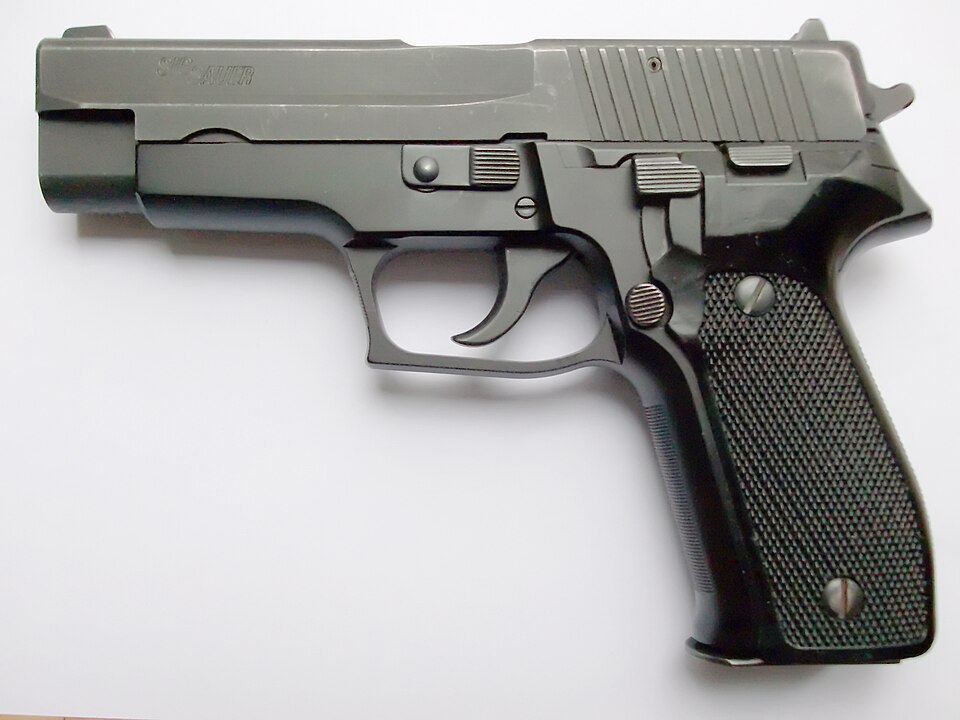
The P226 became one of the best-known alloy-frame duty pistols of the late Cold War and post-Cold War era. Developed for the American XM9 pistol competition, it lost the final contract to Beretta largely on package cost, yet its reputation only grew after that. Its appeal was straightforward: an aluminum alloy frame, double-action/single-action operating system, decocking lever, and a full-size slide profile that made recoil easy to manage. Elite maritime and special mission users valued the platform because it combined accuracy with a control layout that stayed predictable under pressure.
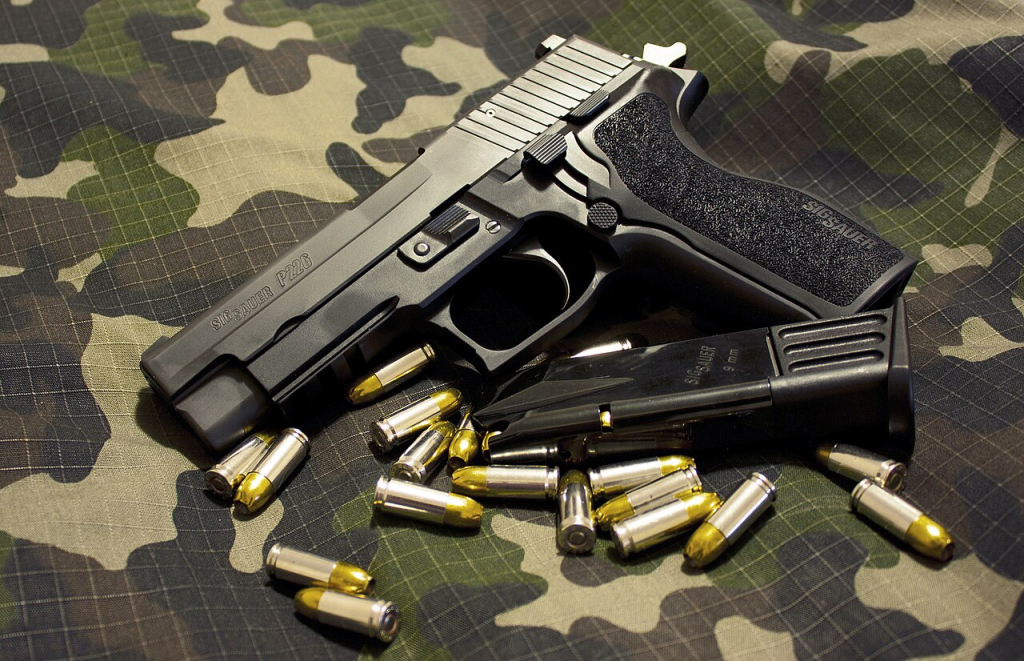
The pistol also evolved with user demand, including purpose-built naval variants with corrosion-minded features such as a chrome-lined chamber and barrel. Later versions added standard rails and night sights, preserving the same mechanical identity while making the pistol more adaptable to modern accessories. Even after striker-fired handguns became the institutional trend, the P226 remained a benchmark for how an alloy-frame sidearm could balance durability, accuracy, and handling.
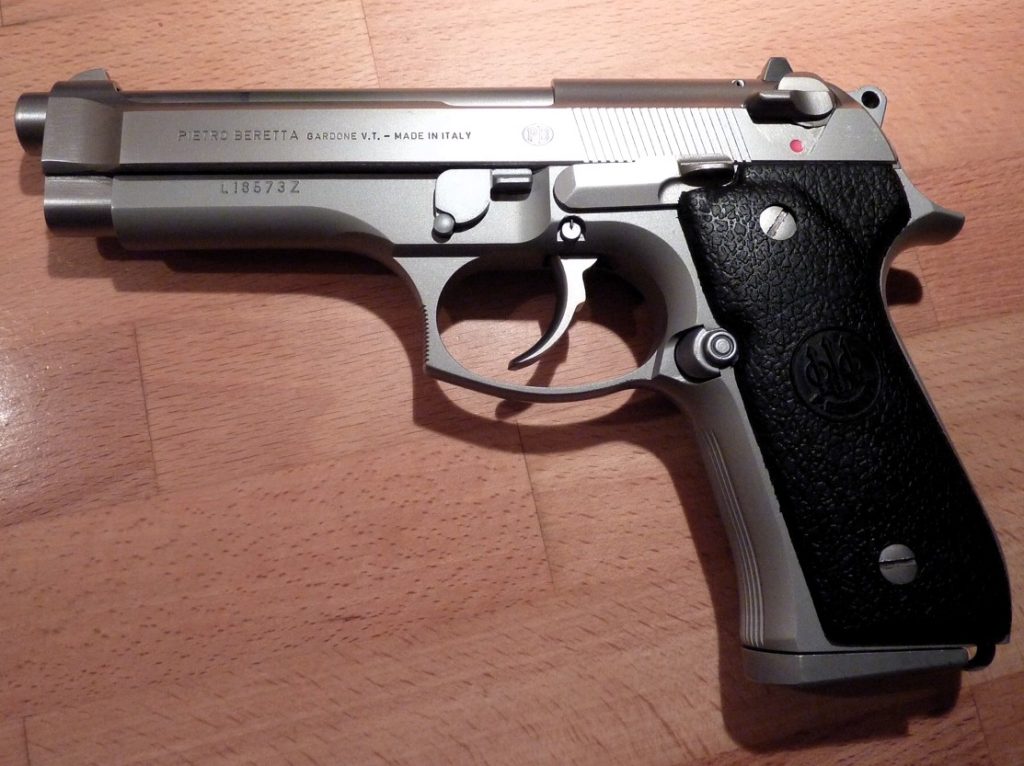
2. Beretta 92 / M9
The Beretta 92 family endured because it was not simply a large service pistol; it was an unusually refined one. Its alloy frame kept weight manageable for its size, while the open-slide system and locking-block action gave the design a distinctive operating character and a reputation for smooth cycling.
In U.S. service, the M9 was adopted in 1985 and went on to serve for decades across multiple branches. Its 15-round magazine, ambidextrous safety decocker, and soft recoil made it more accessible to a broad user base than older single-stack pistols. The platform also survived controversy. Early slide failures triggered design changes, including the enlarged hammer pin that prevented the slide from leaving the frame if it cracked. Later refinements such as the M9A1 added rails and improved magazines for dusty environments. That long service life was not just inertia; it reflected a pistol that could be updated without abandoning the strengths of the original architecture.
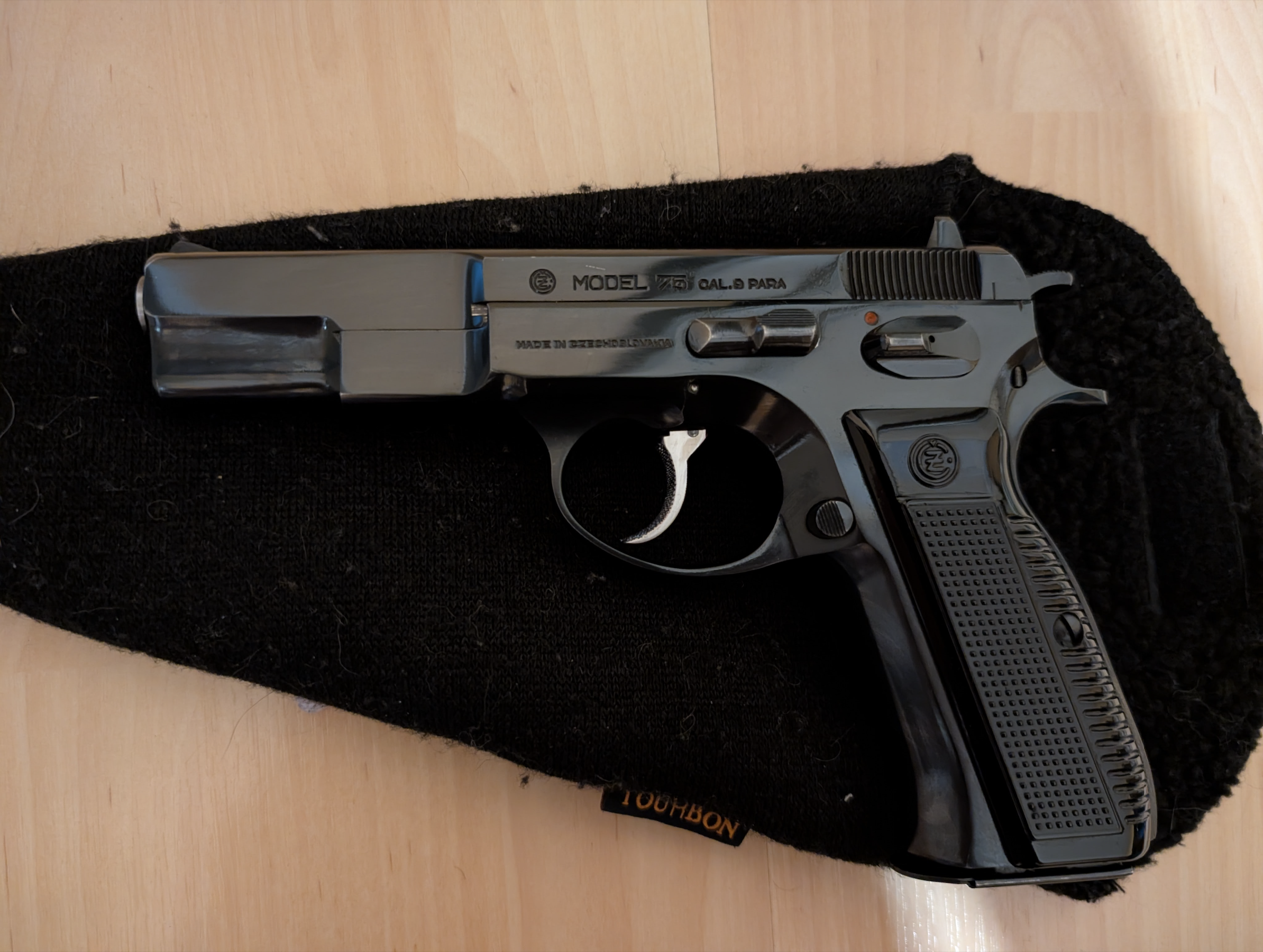
3. CZ 75
The CZ 75 became influential partly because it arrived early with a combination other pistols had not yet fully integrated: high capacity, all-steel construction, a natural grip shape, and a DA/SA trigger system. Introduced in 1975, it helped define what the “wonder nine” would become. Its most distinctive engineering choice was the internal slide rail arrangement. By running the slide inside the frame rails rather than outside them, the design lowered the bore axis and tightened the slide-to-frame fit.
That translated into mild muzzle rise and strong practical accuracy. The steel frame added mass, but that same mass made the gun forgiving in rapid fire. Variants spread widely, and the basic format was copied around the world because the original package was so coherent. For units that valued controllability and mechanical longevity over absolute lightness, the CZ 75 stayed relevant far beyond its first generation.
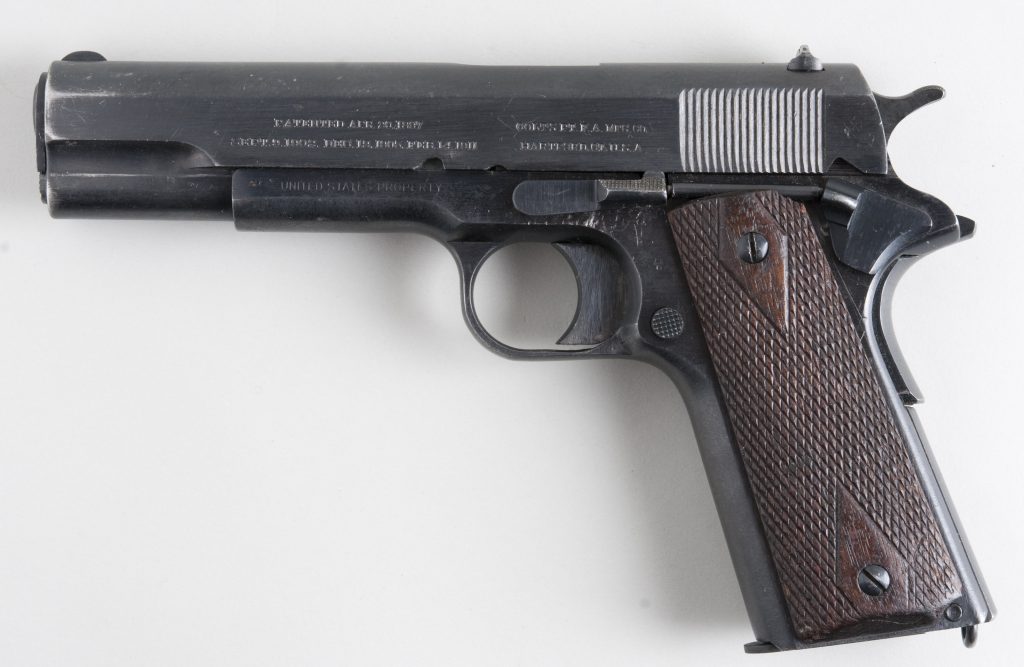
4. Colt M1911
The M1911 remained in specialized use long after its official replacement because its engineering priorities still appealed to experienced shooters. It was heavy, slim for its caliber, and built around a single-action trigger that many users considered easier to shoot precisely than more complex duty systems. That endurance mattered. The design served as the standard U.S. sidearm from 1911 to around 1986, and its afterlife in specialized units was even longer.
Elite users often favored it for familiarity, trigger quality, and the confidence that came from a mature steel-frame platform with enormous parts knowledge behind it. Even when larger-capacity 9mm pistols became dominant, the 1911’s manual of arms, narrow profile, and proven lockwork kept it in selective service. It was one of the clearest examples of how an older all-metal design could remain institutionally useful when the user base understood exactly what it wanted.
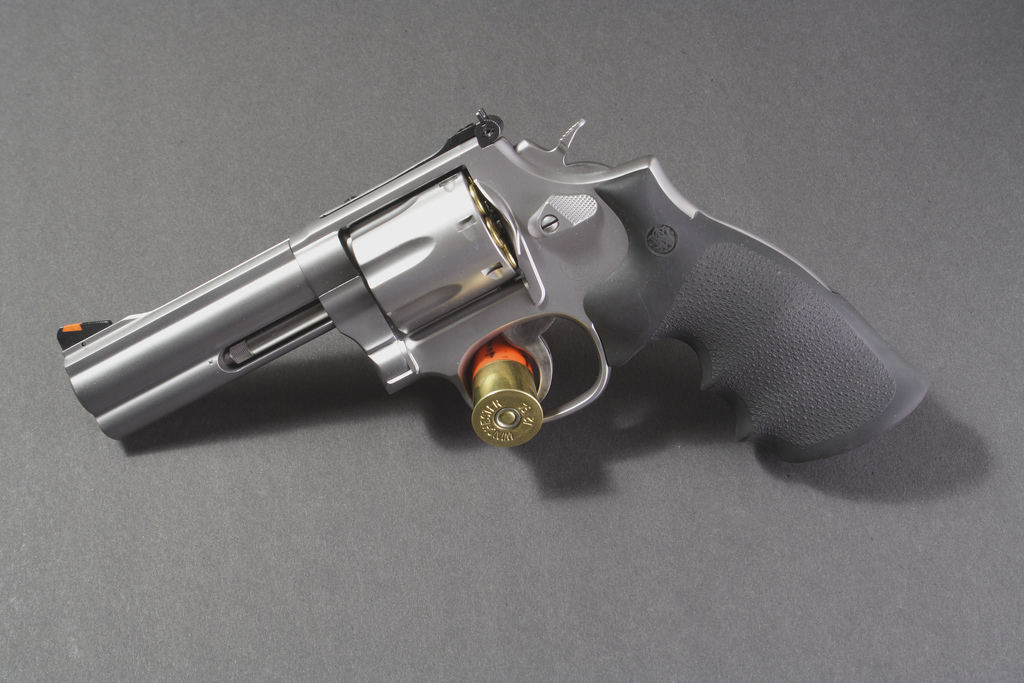
5. Smith & Wesson Model 686
Not every long-serving elite sidearm was a self-loader. The stainless-steel Model 686 revolver held on because it solved a different problem: absolute mechanical straightforwardness with full-power .357 Magnum durability. Built on Smith & Wesson’s L-frame, the 686 offered a stronger foundation than earlier .357 revolvers intended for heavy use. Its mass absorbed recoil, its adjustable sights supported precision, and its stainless construction suited hard duty in rough conditions.
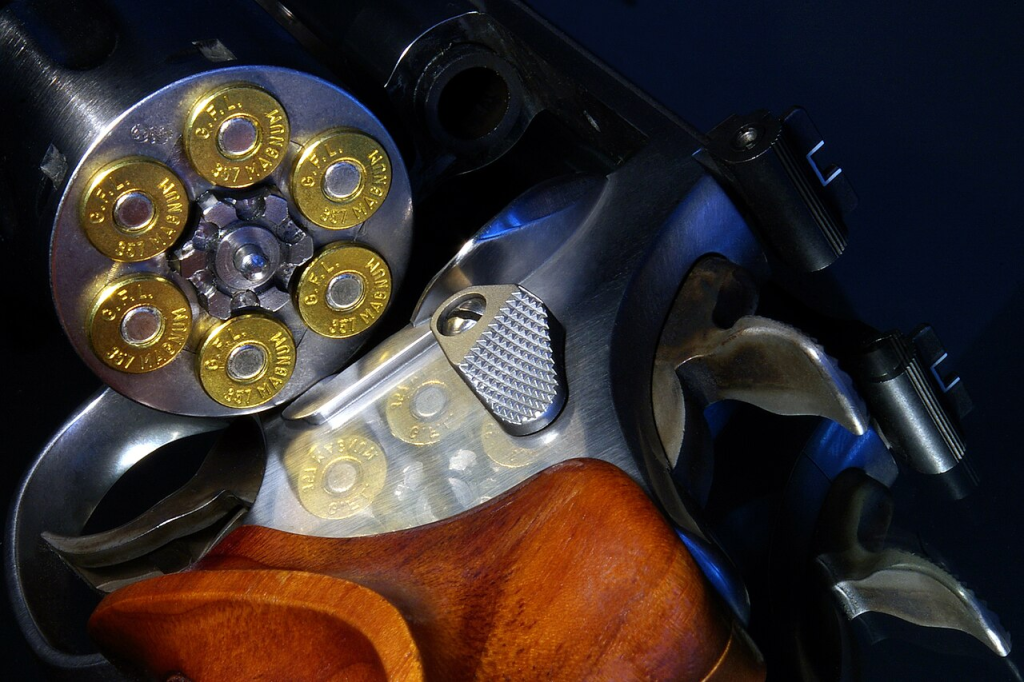
In an age increasingly defined by magazine capacity, the 686 survived by emphasizing the qualities revolver advocates had always valued simple loading logic, dependable ignition, and long-term durability. For specialized roles where six shots of magnum power and a strong double-action trigger were acceptable tradeoffs, the 686 remained credible long after most institutions had standardized on semiautomatics.
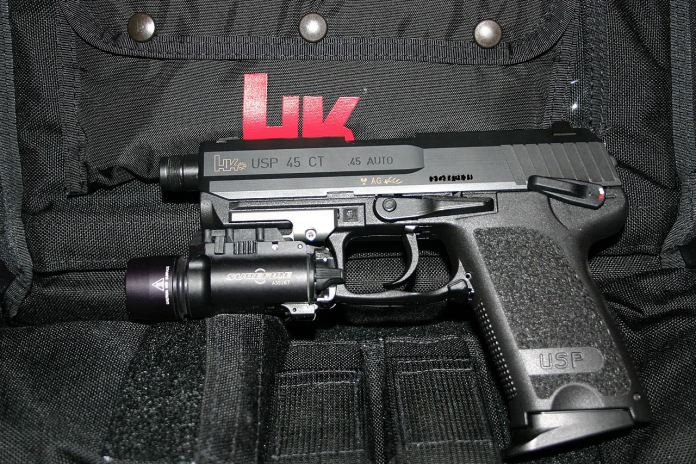
6. Heckler & Koch USP
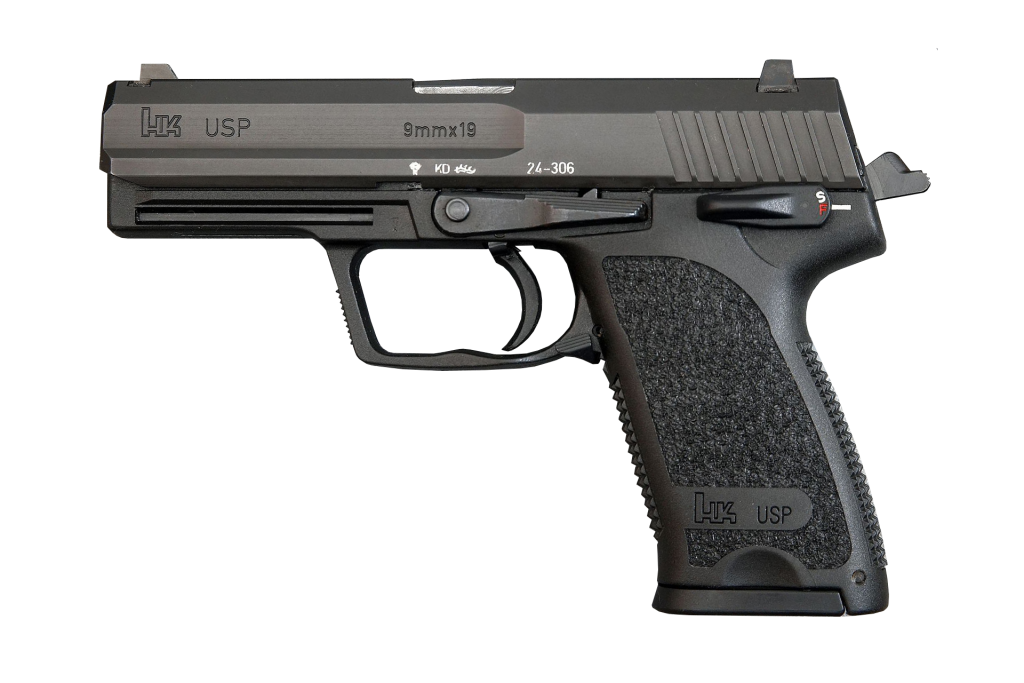
The USP was a later arrival than some of the other pistols on this list, but it earned lasting respect because it was engineered as a hard use service handgun from the start. Unlike many legacy steel pistols, it mixed modern manufacturing with old-school durability expectations. Its metal slide and robust operating system gave it a reputation for reliability across military and law-enforcement use, while the control options let organizations tailor the pistol to different handling doctrines. The USP’s staying power also came from its relationship to more specialized H&K developments. Large suppressed-offensive-handgun concepts did not always translate cleanly into field carry, but the broader H&K pistol family demonstrated that elite users still wanted robust sidearms with conservative operating systems and durable components.
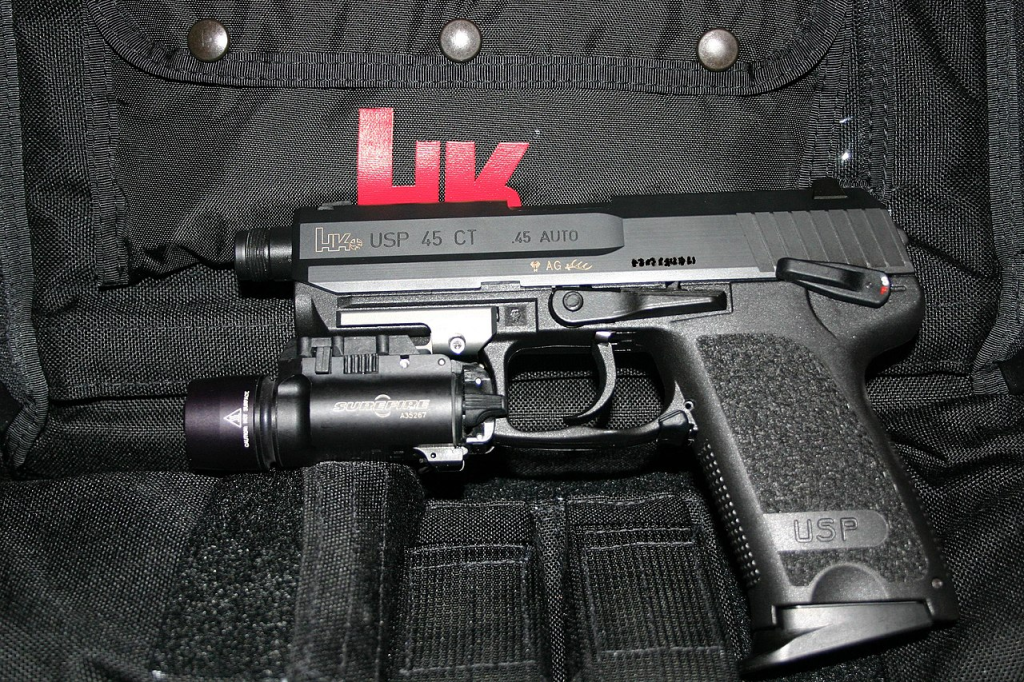
The USP fit that requirement without trying to be elegant. It was practical, overbuilt, and built to last. These pistols lasted because they solved recurring duty problems in durable ways. Steel and alloy frames added weight, but that weight often improved control, service life, and shooter confidence. For elite users, that tradeoff kept making sense for decades. Long after lighter designs took over the mainstream, these all-metal handguns continued to represent an earlier standard of duty-pistol engineering that refused to disappear quickly.


