Wind is the part of long-range shooting that refuses to cooperate. Drop can be dialed, distance can be ranged, and velocity can be chronographer, but a crosswind moving through broken terrain still turns clean math into field judgment. That is why experienced shooters tend to trust cartridges that balance sleek bullets, useful velocity, and recoil they can actually manage. Raw horsepower matters, but so does spotting impacts, correcting quickly, and avoiding a rifle that becomes harder to shoot as distances stretch.
1. 6mm Creedmoor
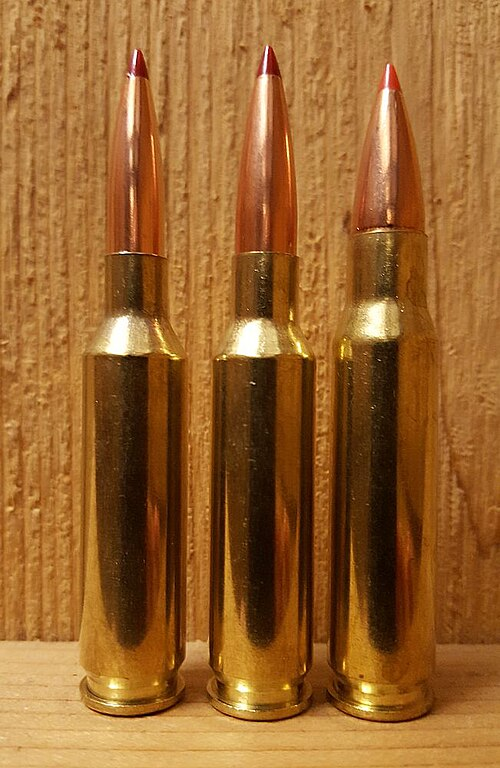
The 6mm Creedmoor has built a strong reputation as a practical wind cartridge because it sits in a sweet spot between speed and shootability. In field discussion from experienced mountain shooters, a 6mm Creedmoor with 112-grain class bullets around 2940 fps from a 20-inch barrel was described as a setup that still allowed consistent impact correction at very long range.
That matters. A cartridge that drifts slightly less on paper but recoils enough to hide the miss can be a downgrade in real use. The 6mm Creedmoor keeps recoil moderate while sending high-BC bullets fast enough to stay useful when the wind starts changing by the second.
2. 6.5 PRC
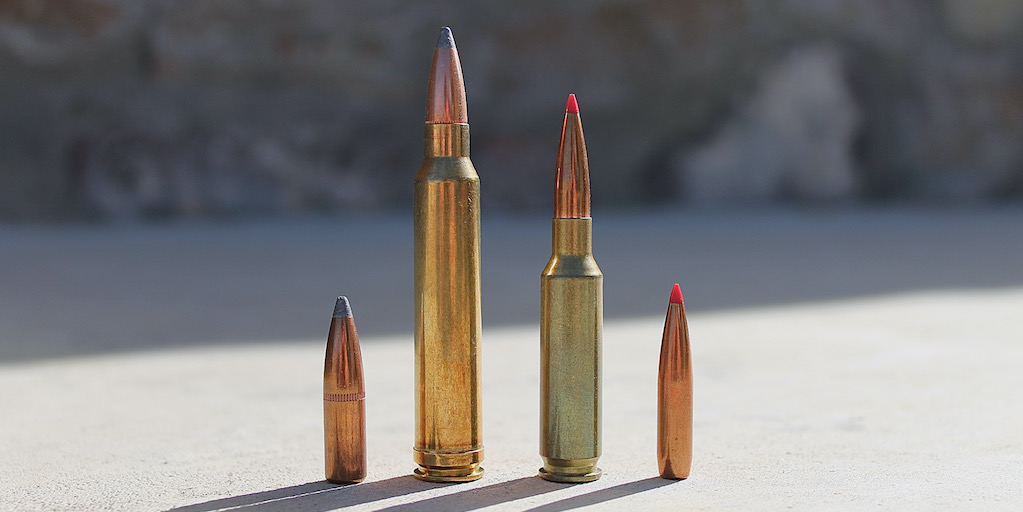
The 6.5 PRC remains one of the most trusted modern answers for shooters who want better wind performance without stepping into heavy .30-caliber recoil. Its appeal is simple: it launches long, efficient bullets fast, yet still behaves like a cartridge many shooters can run all day.
Published comparison data shows that in a 10 mph crosswind, the 6.5 PRC drifted 13.2 inches at 500 yards against 18.2 inches for a .300 Win. Mag. load in that test. That does not make it magic, but it does explain why so many shooters see it as a reliable long-range option when conditions turn ugly.
3. .300 PRC
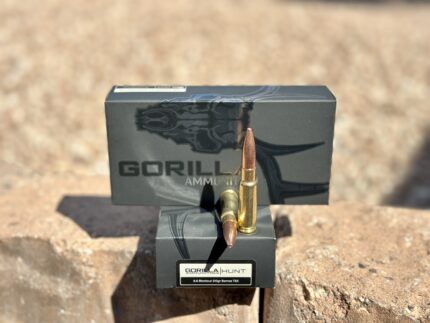
The .300 PRC earns trust the old-fashioned way: by throwing big, high-BC bullets with authority. Shooters comparing it with smaller 6.5s often point to its ability to launch .30-caliber bullets with G1 BCs over .800, which reduces wind deflection and makes distant impacts easier to read.
Its tradeoff is not subtle. Forum shooters repeatedly noted that the cartridge works best in a heavy rifle, often with a brake, because recoil and operating cost climb quickly. Still, for shooters willing to accept that burden, the .300 PRC stays on the shortlist whenever the goal is stretching distance in imperfect conditions.
4. .300 Winchester Magnum
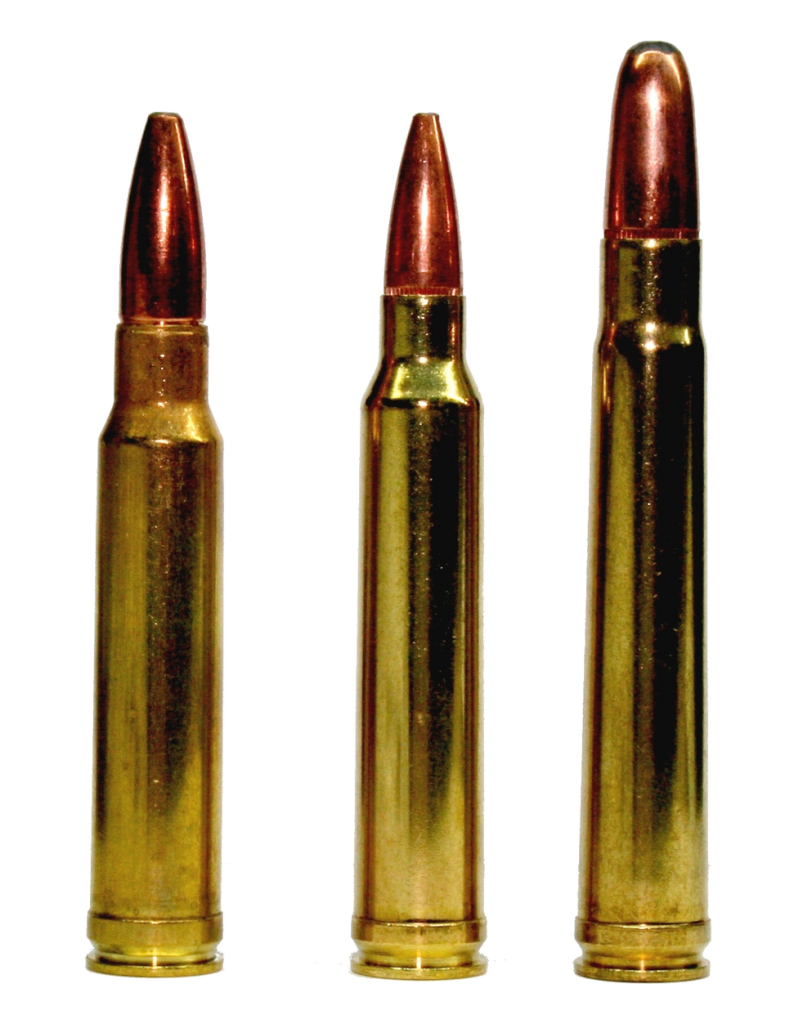
The .300 Winchester Magnum keeps its place because it has been solving this problem for decades. It is not the newest answer, but it remains one of the most familiar. A 180-grain load around 2960 fps still gives shooters the kind of reach and retained authority that keeps wind from pushing the bullet around as dramatically as lighter cartridges. It also benefits from sheer institutional trust. Rifles, load data, and component support are widespread, and many shooters know exactly what to expect from it. That predictability matters when the environment is already unpredictable.
5. 7mm Remington Magnum
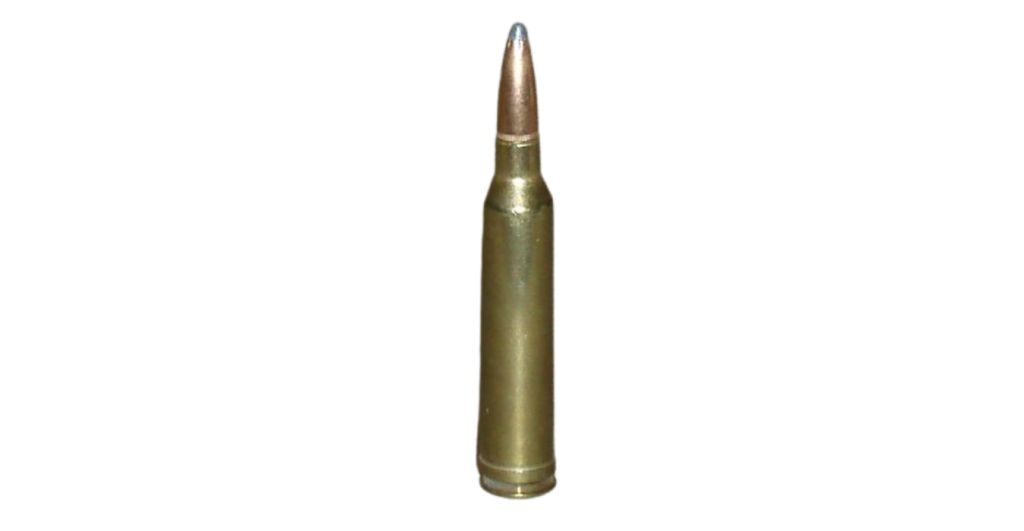
The 7mm Remington Magnum remains relevant because 7mm bullets occupy a very useful aerodynamic middle ground. They carry more sectional density and often better ballistic efficiency than many lighter bullets, but they do it without the full recoil jump of some larger magnums. That balance shows up in shooter discussions about “wind numbers,” where many note that true gains begin to appear once bullet BC and velocity meet in the 7mm class. It is one of the classic cartridges that still makes sense because the underlying physics never changed.
6. 7mm PRC
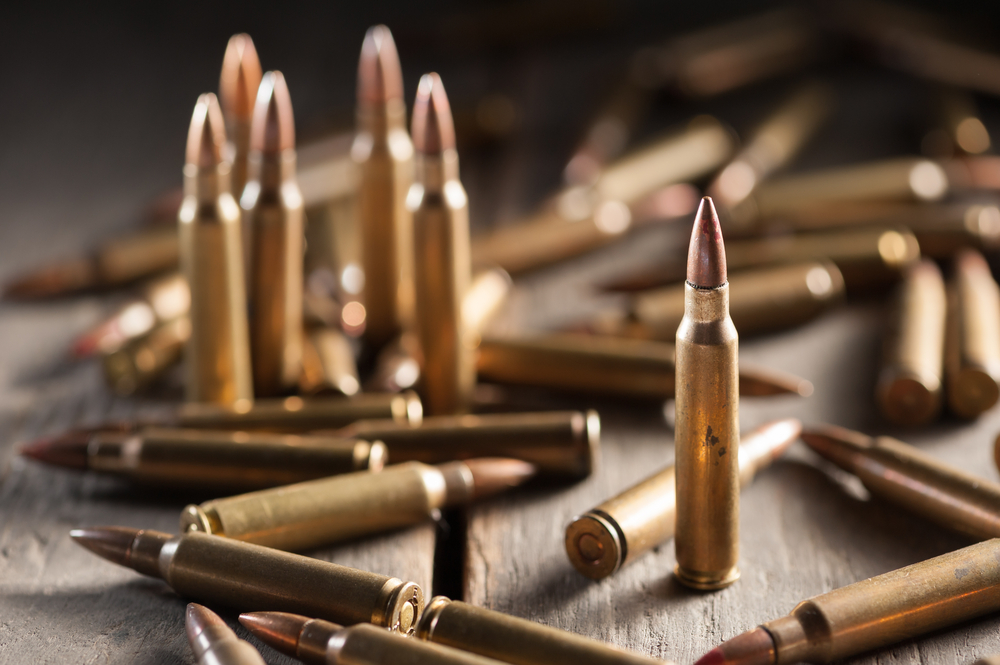
The 7mm PRC has become a modern favorite for shooters who want magnum-level wind performance without immediately defaulting to a .30 caliber. Hornady’s factory concept for the cartridge centers on heavy-for-caliber bullets, including 175 and 180 grain loads near 3000 fps, paired with a fast twist and a case designed around those bullets from the start. That combination gives the 7mm PRC a reputation for holding together at long range while still offering a cleaner ballistic path than many older hunting magnums. It is one of the clearest examples of modern cartridge design aimed directly at wind resistance and extended reach.
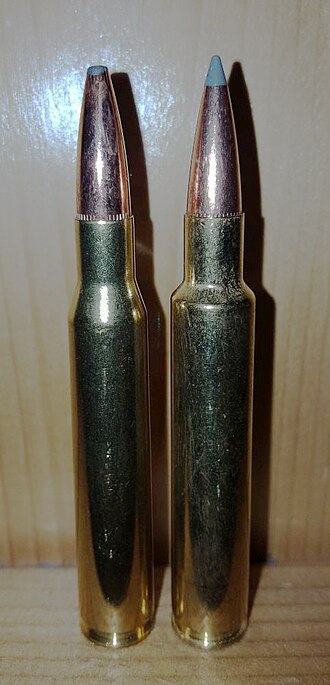
7. .280 Ackley Improved
The .280 Ackley Improved does not always get mentioned first, but experienced shooters keep coming back to it because it offers strong 7mm ballistics with a more manageable recoil profile than many magnums. That makes it easier to exploit its aerodynamic advantages from practical field positions.
American Hunter described it as approaching 7mm Remington Magnum speed with reduced recoil, which is exactly why it stays relevant. Wind performance is never only about BC. It is about the shooter’s ability to launch a good bullet well, then stay in the optic long enough to learn from the shot.
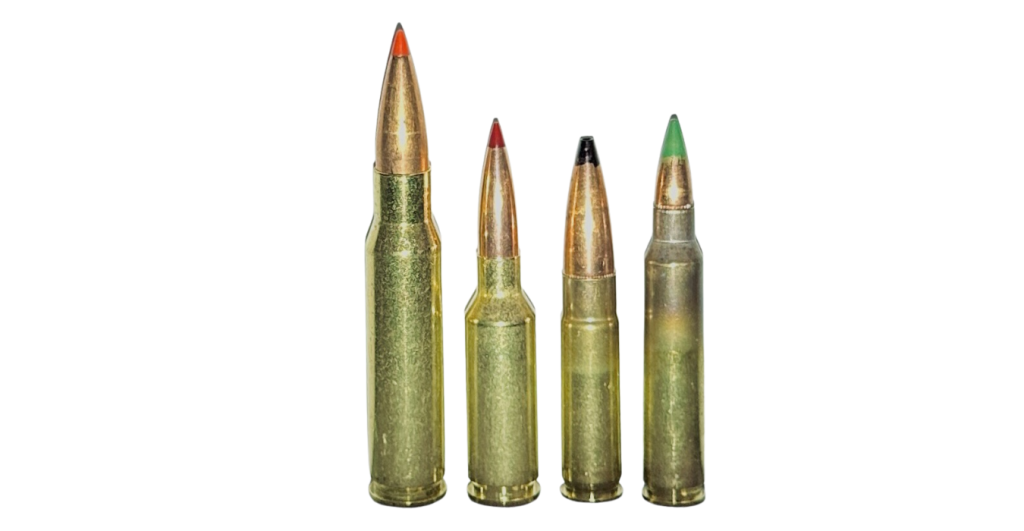
8. 6mm ARC
The 6mm ARC belongs on this list for a different reason. It is not a giant-killer among magnums, but it has earned trust inside the AR-15 envelope because it pushes streamlined 6mm bullets from a lighter platform with noticeably better long-range manners than 5.56. Factory loads commonly put 103 to 108 grain bullets around 2,750 fps out of a 22-inch AR-15, and the cartridge’s design prioritizes high-BC bullets that reduce drop and wind drift relative to the platform’s older standards. For shooters who value low recoil and rapid correction more than pure magnum speed, that is a compelling kind of trust.
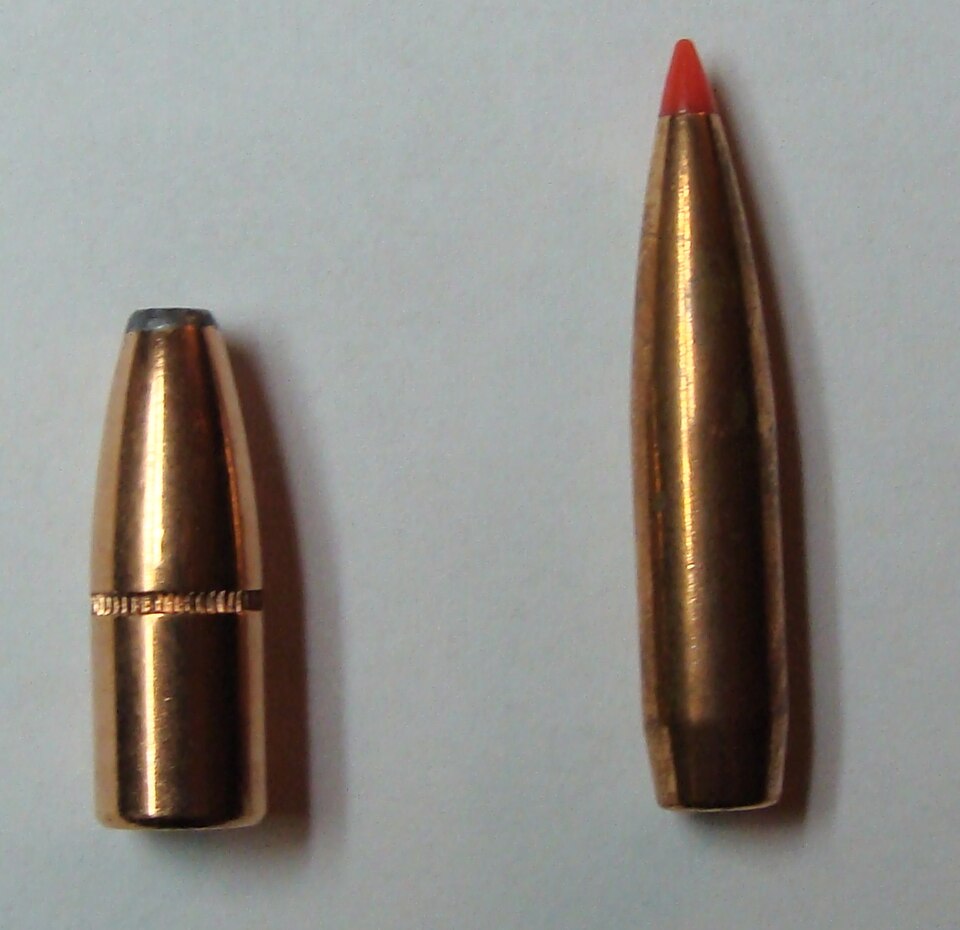
The cartridges shooters rely on in the wind usually share one trait: they do not force a false choice between ballistic efficiency and practical control. Some, like the .300 PRC and .300 Win. Mag., lean on mass and velocity. Others, like the 6mm Creedmoor and 6.5 PRC, win loyalty by keeping recoil low enough that the shooter can stay in the fight. That is the real pattern. Wind-resisting cartridges earn confidence not only because they drift less, but because they let shooters see more, correct faster, and repeat good shots when conditions stop being friendly.


