A firearm can look right in a catalog, feel acceptable at the counter, and still unravel its reputation once the first few magazines or boxes of ammo are gone. Range regret rarely comes from one dramatic failure. More often, it starts with a rough trigger, awkward handling, inconsistent groups, or the kind of stoppages that keep breaking rhythm and confidence.
That pattern matters because most disappointment is rooted in engineering tradeoffs that show up only under repeated fire. Reliability problems often trace back to magazines, feed geometry, recoil control, and maintenance-sensitive designs, especially when failure to feed starts appearing with regularity.
1. Remington 770
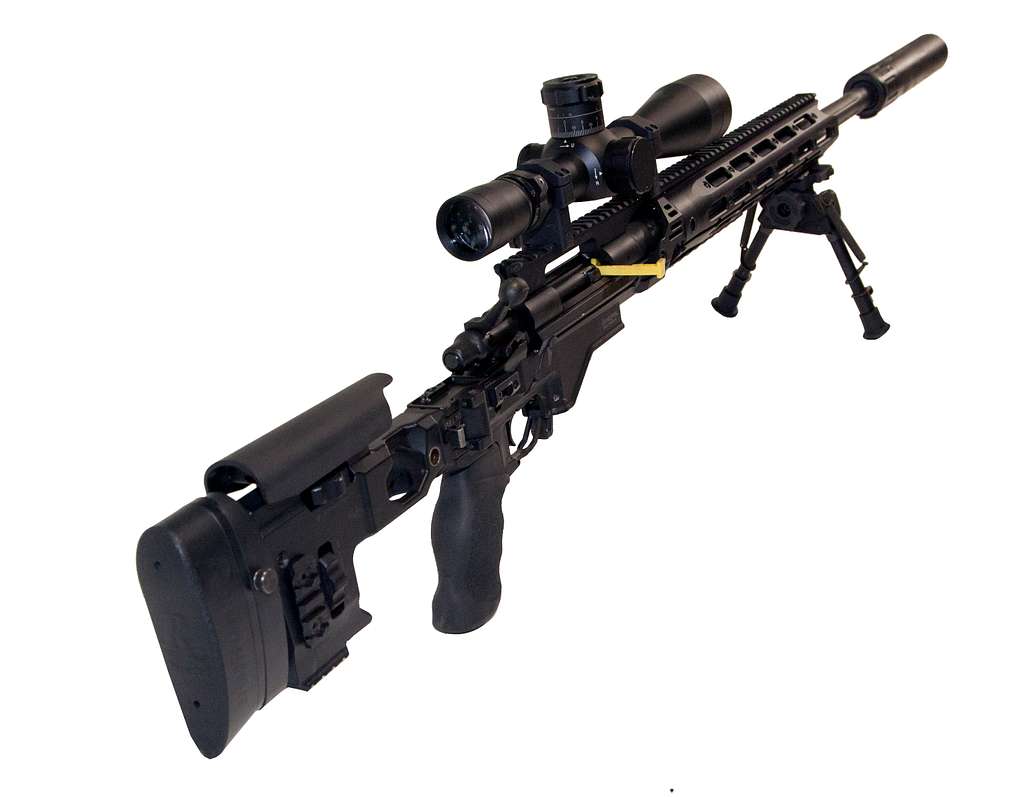
The Remington 770 was meant to be an affordable bolt-action entry point, but its cost-cutting showed up quickly on the firing line. Shooters criticized the detachable magazine for weak retention, and some reports described the assembly dropping loose under recoil. A budget rifle does not need luxury features, but it does need a smooth action and repeatable function, and the 770 struggled to earn that reputation.
Its action was widely described as gritty, with the bolt dragging rather than gliding. The synthetic stock and non-free-floated barrel also gave the rifle a flimsy feel compared with other entry-level bolt guns that proved more durable and easier to shoot well. Regret with this model usually grew over time, not because it was flashy and failed, but because competing rifles in the same class exposed how compromised it felt.
2. KelTec P11
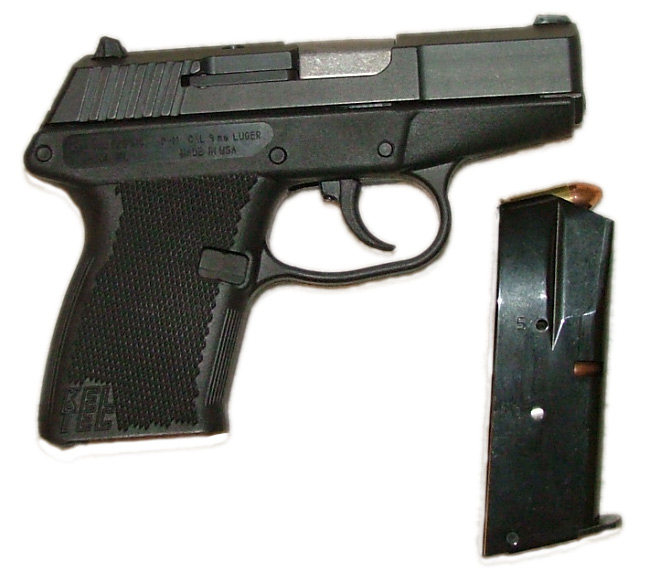
The KelTec P11 offered one clear advantage: small size. For shooters wanting a highly concealable 9mm, that was enough to get attention. What soured the experience was the trigger. Its long, heavy, gritty pull made precise shooting difficult, and the small grip gave the pistol a harsh, busy feel under recoil.
Compact pistols already reduce the margin for comfort and control. When the trigger adds more work and the frame shifts in the hand, accuracy tends to fall apart. As many training guides note, compact semi-automatics are less forgiving when your grip has softened or recoil management is inconsistent. The P11’s concealability kept it interesting, but it rarely became a range favorite.
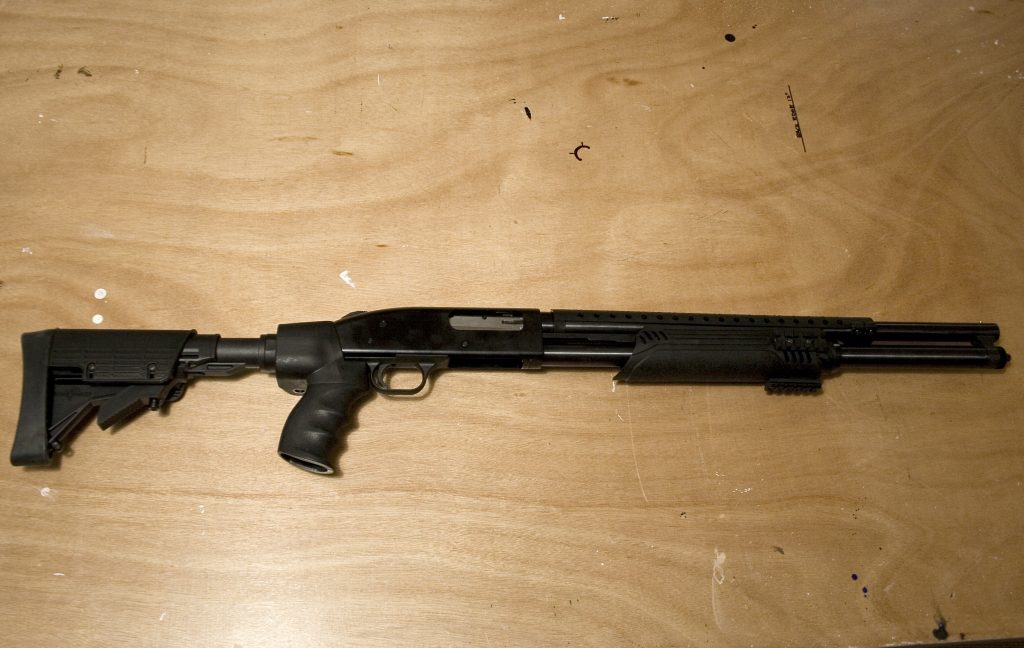
3. Mossberg Blaze
The Blaze won early attention by being extremely light and easy to carry, but that same lightweight construction made it feel less substantial than many shooters expected. Heavy use of polymer in the receiver shell and sights gave the rifle a toy-like impression that was hard to shake once better-built rimfires were handled side by side.
Reports of feeding issues and an uninspiring trigger did the rest. A plinking rifle does not need match precision, yet it still needs enough consistency to make practice enjoyable. The Blaze often landed in the category of “good enough until something better appears,” and many shooters found that point arrived quickly.
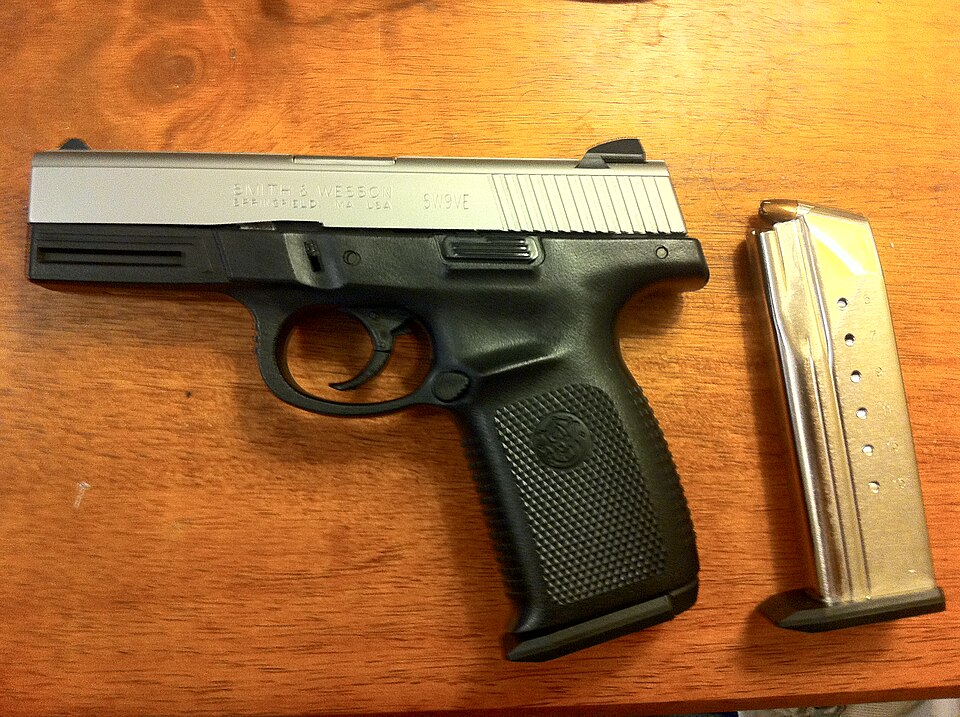
4. Smith & Wesson Sigma 9VE
The Sigma 9VE had the outline of a practical striker-fired service pistol, but range use repeatedly brought the same complaint to the surface: the trigger. Heavy, gritty, and slow to reset, it made fast follow-up shots harder than they needed to be. Even shooters who adapted to it often admitted they were working around the gun rather than with it.
That matters because pistol confidence is built on repeatability. A trigger that fights the shooter tends to widen groups and slow cadence, especially as fatigue sets in. The Sigma line improved over time, but the 9VE remained tied to the idea that a service-style pistol should not feel this stubborn to run well.
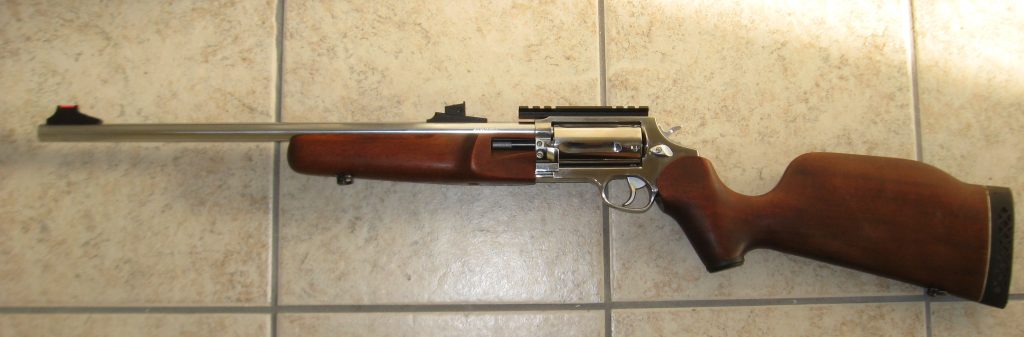
5. Rossi Circuit Judge
The Circuit Judge sold versatility: a revolving long gun chambered for both .45 Colt and .410 shotshells. On paper, that looked clever. On the range, the design carried too many compromises at once.
The cylinder gap blast raised immediate concerns about hand placement, and the platform never fully escaped the awkwardness of being a revolver-rifle hybrid. Shotshell performance disappointed many shooters who expected more useful patterning, while bullet accuracy was generally described as only fair. Add an unrefined trigger and clumsy handling, and the result was a firearm that felt more like a curiosity than a dependable tool.
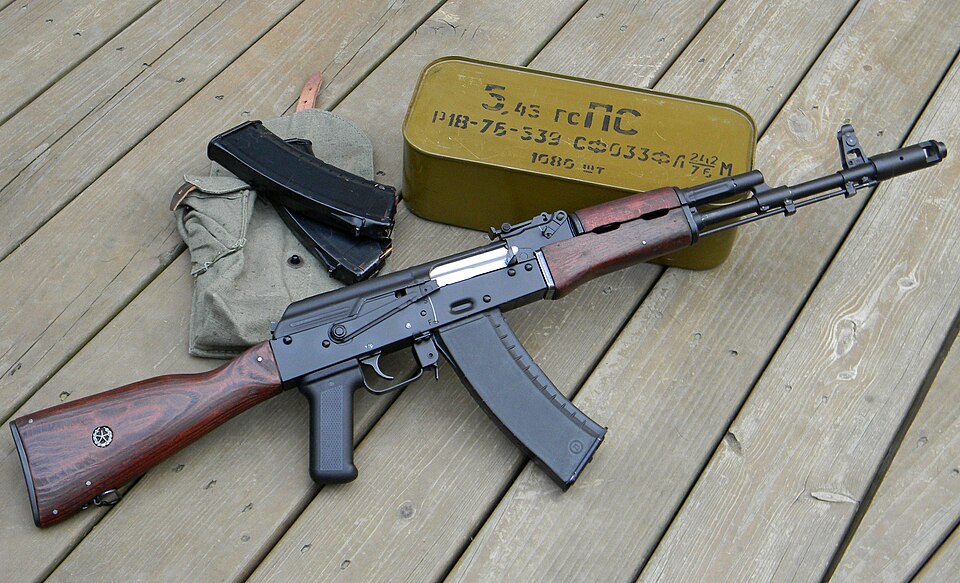
6. Century Arms C39v2
The C39v2 tried to carve out space as an American-made AK-pattern rifle with a milled receiver and attractive feature set. Some shooters liked the trigger and appreciated its magazine compatibility. The problem was that praise for isolated features did not always translate into long-term trust.
Criticism centered on front-heavy balance, uneven accuracy, and wear concerns in older examples. AK buyers usually expect durability first, and this platform faced scrutiny because parts longevity matters more than a crisp first impression. When a rifle meant to trade on robustness develops questions about hard use, regret follows quickly.
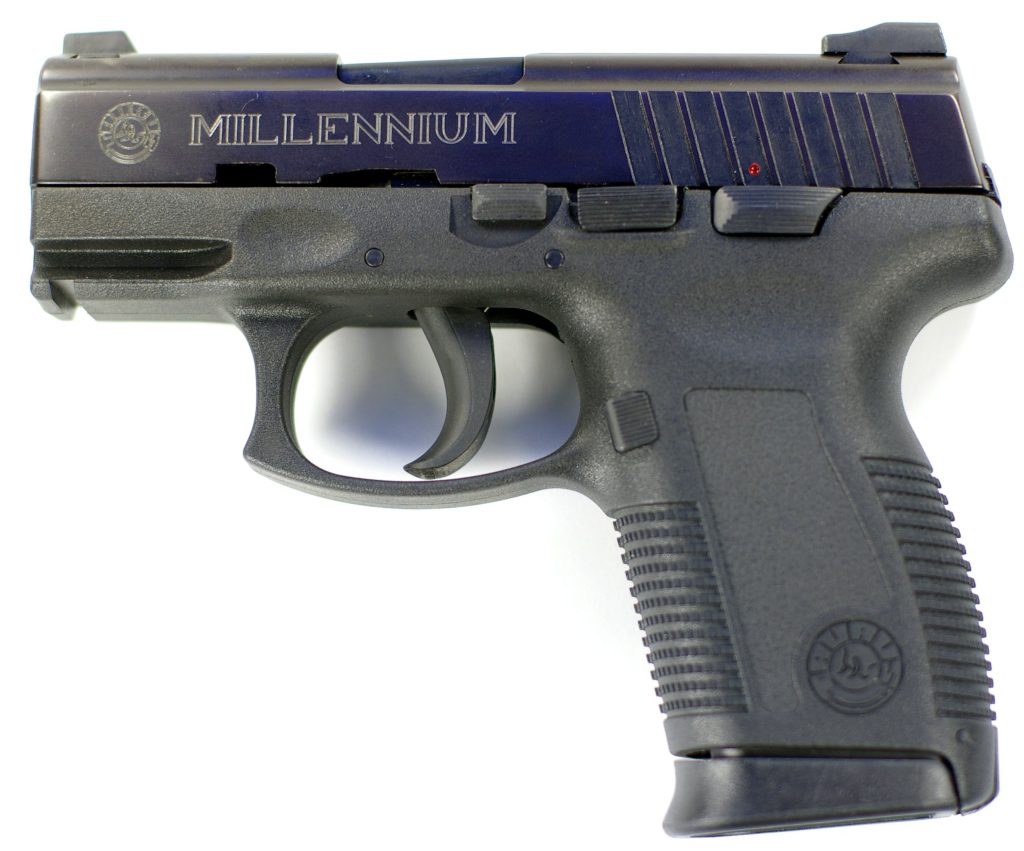
7. Taurus PT145 Millennium Pro
The PT145 Millennium Pro promised a lot in a small package: .45 ACP chambering, subcompact dimensions, and broad carry appeal. In practice, shooters often ran into a familiar combination of drawbacks—snappy recoil, a short grip, and a trigger reset that made fast, accurate shooting less intuitive.
Reliability complaints added to the frustration. Repeated stoppages, including feed issues and inconsistent slide lock behavior, cut into confidence. In semi-automatic pistols, magazines and feeding geometry are frequent culprits when guns start acting unpredictably, especially if damaged magazine dimensions or spring behavior interfere with cartridge alignment. The PT145’s concept stayed appealing longer than its track record did.
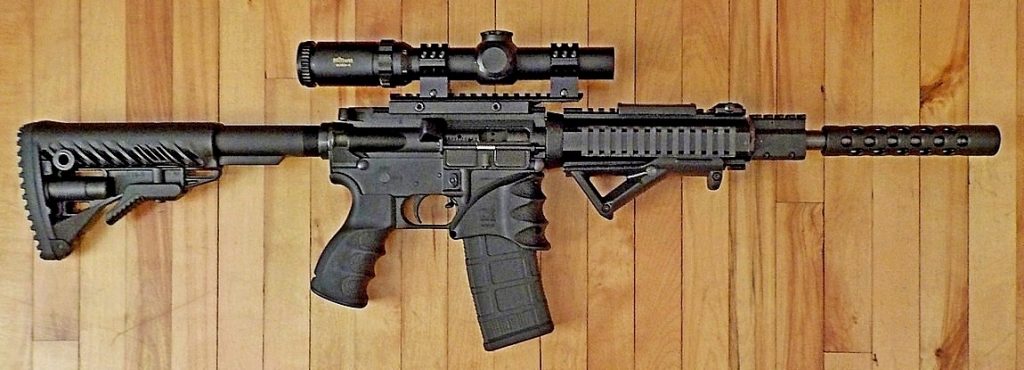
8. ATI Omni Hybrid AR
The Omni Hybrid AR chased reduced weight through polymer upper and lower components, a choice that immediately divided shooters. Lightweight rifles are attractive, but the AR platform depends on rigidity in key areas, and this design left many users doubtful about long-term stability.
Complaints about flex near the buffer tube, mushy trigger feel, and inconsistent accuracy made the rifle feel less settled than forged-aluminum alternatives. Saving ounces can be worthwhile, but only if the platform retains the structural confidence shooters expect from an AR. For many owners, this one crossed the line from innovative to uncertain.
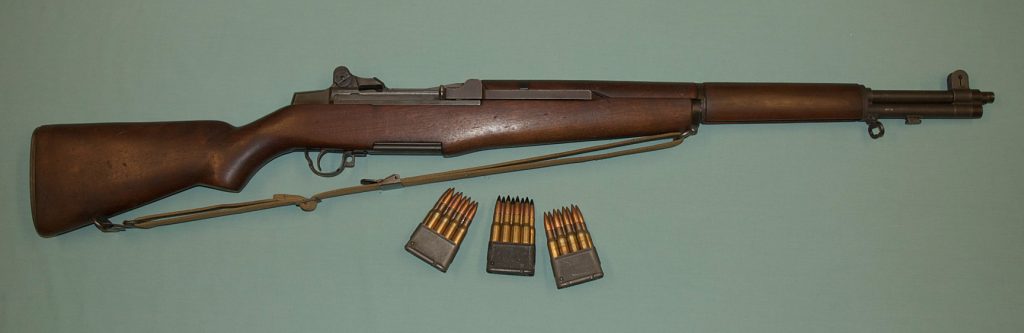
9. Chiappa M1-22
The Chiappa M1-22 had one major strength before the first shot: appearance. Its M1 Carbine styling gave it instant charm, and a rimfire version of a classic military profile should have made for an easygoing trainer and plinker.
Instead, repeated feeding trouble and sluggish cycling overshadowed the nostalgia. Magazine weakness was frequently cited, and that is rarely a small detail because magazines remain the most common weak link in semi-auto reliability. A pistol or rifle can seem mechanically sound, yet begin “choking” once springs weaken, feed lips spread, followers tilt. That made the M1-22 harder to trust for either casual fun or serious rimfire practice.
The lesson across all nine firearms is straightforward. Shooters usually regret guns that create uncertainty, not guns that merely have quirks. Rough triggers can be tolerated, and unusual concepts can even be enjoyable, but repeated doubts about handling, accuracy, or function tend to end the relationship. Range time has a way of stripping marketing away. What remains is the engineering that either keeps a shooter confident or sends that firearm to the back of the safe.


