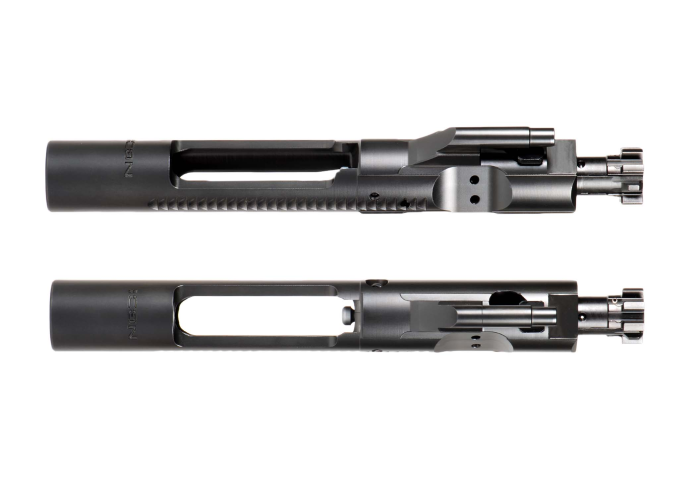

The AR-15’s reputation for modularity has created a strange side effect: bad advice often sounds more confident than good assembly practice. New owners hear that parts always fit, premium logos eliminate risk, and odd cycling behavior can be fixed with a shortcut. That mix of assumptions is how minor build mistakes turn into stoppages, damaged parts, and legal problems tied to configuration errors. A more useful view is less glamorous. Reliable function comes from measurement, inspection, compatible components, and understanding which details matter mechanically and which ones only look alarming.
1. “AR parts are just Legos, so anything that fits together will run”
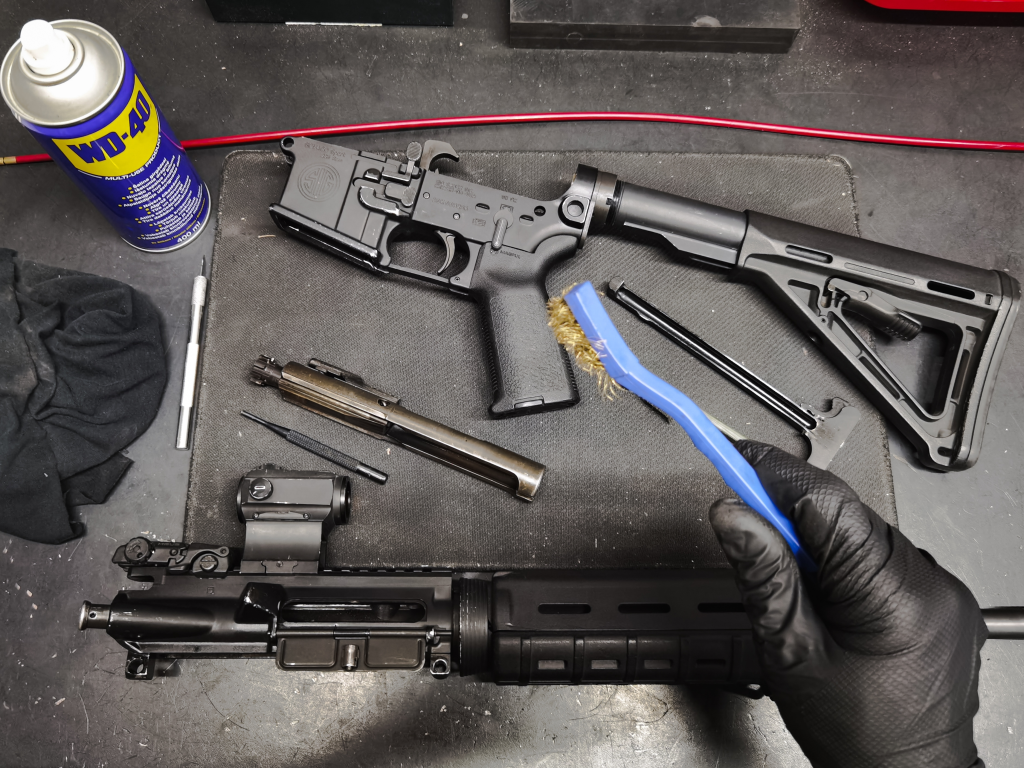
The AR-15 is modular, but modular does not mean self-correcting. Chad Albrecht of School of the American Rifle described one of the most common myths as the idea that “these parts are Legos, and that builders can just slap them together”. Receivers can pin together cleanly while the rifle still hides tolerance stacking, drag, gas problems, or poor pin fit. A rifle that assembles easily is not automatically a rifle that cycles correctly. That matters mechanically, and it also matters legally when a casual build approach leads owners to ignore configuration rules tied to stocks, barrel length, or other regulated features.
2. “A respected brand means the parts do not need inspection”
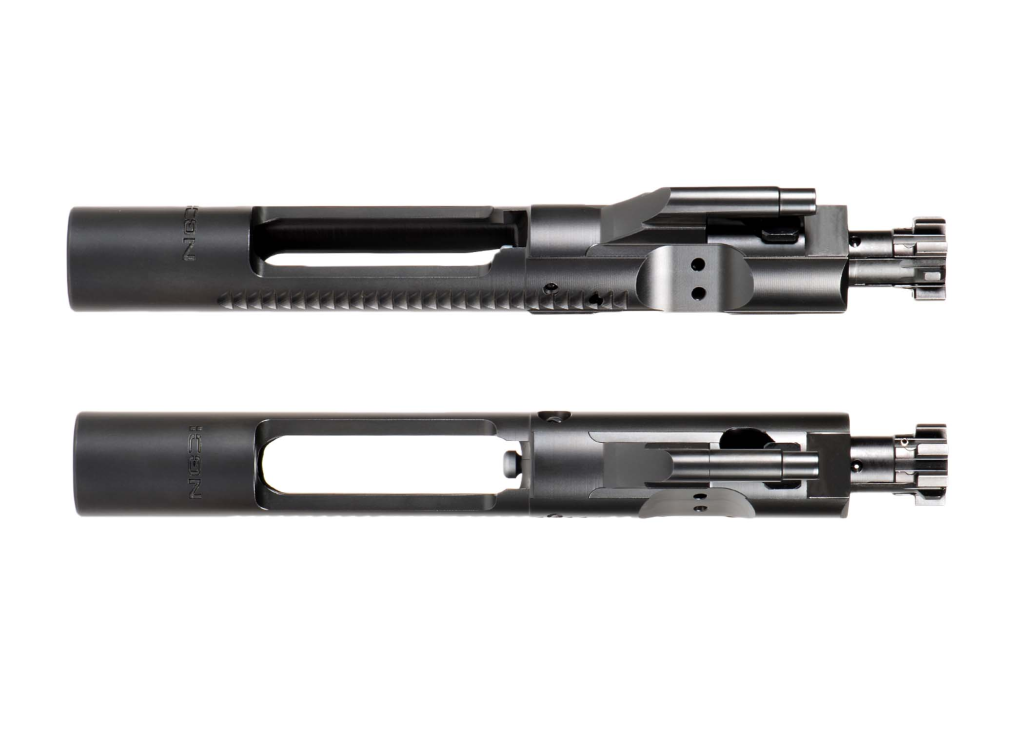
Good manufacturers reduce risk, but they do not eliminate it. The most failure-prone mistakes often involve assuming that bolts, barrels, gas keys, and small internal parts are correct because the name on the box is familiar. The reference material noted that even well-regarded parts sometimes arrive out of spec and need replacement before a build is complete. Inspection is not distrust; it is part of assembly. On an AR, a single flawed small part can undo the value of an otherwise strong parts list.
3. “If the gas tube rubs a little, the rifle is ruined”
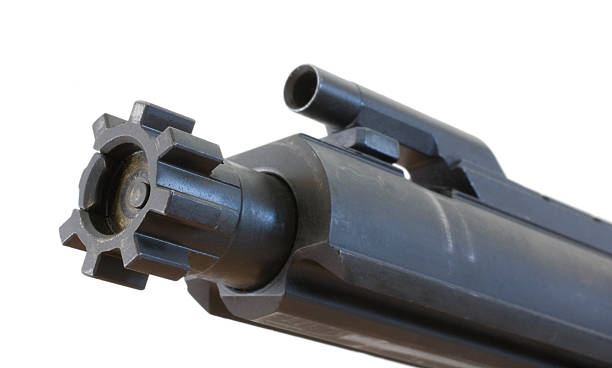
Slight contact is not automatically a failure. Builders often panic when the gas key does not glide over the gas tube with perfect smoothness, but light offset by itself is not the same thing as a functional problem. The real concern is binding, visible wear, or a cycling issue that appears on the range. A bent tube or misalignment can add enough friction to slow the carrier, yet visual anxiety alone is not diagnosis. Wear patterns and function tell the story more accurately than a quick glance through the upper.
4. “If it fires a few magazines, it is proven reliable”
Short test sessions hide a lot. Heat, fouling, and lubrication changes can reveal weak gas flow or added friction only after the round count climbs. The references included a case where a rifle stopped cycling after roughly 100 rounds, showing weak ejection and sluggish return before the owner discovered a damaged gas tube. A few smooth magazines only prove that the rifle worked briefly under one set of conditions. Reliability is a pattern, not a first impression.
5. “Receiver wobble means poor accuracy and bad function”
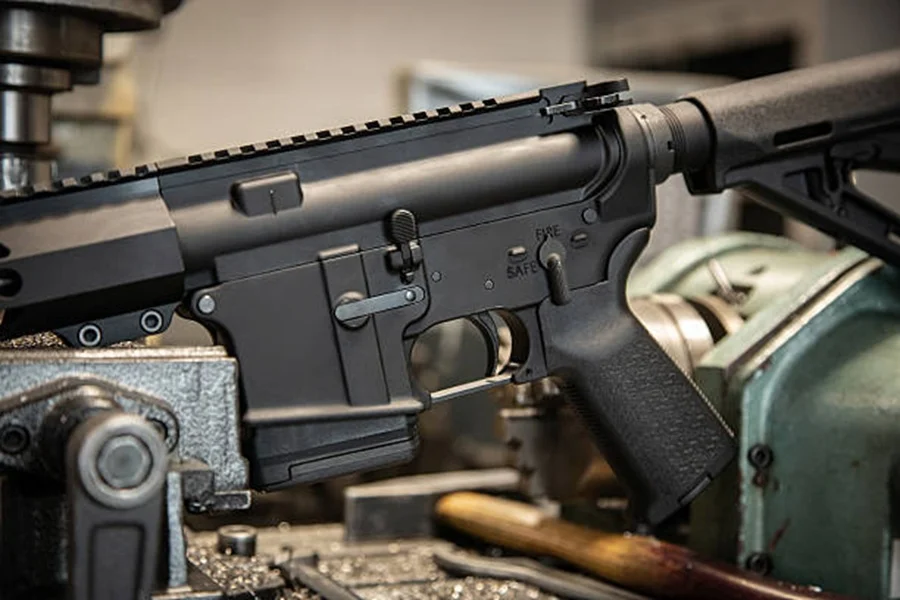
Upper-to-lower fit gets far more attention than it deserves. Slight receiver slop is common on mil-spec pattern rifles and usually has little to do with accuracy or reliability. The shot-to-shot relationship that matters is between the barrel, bolt, carrier, gas system, and ammunition. A rifle can feel tight and still run poorly, while one with minor wobble can function normally. Chasing cosmetic fit often distracts from real causes of malfunctions such as extraction problems, gas leakage, or drag in the operating path.

6. “Short stroking usually needs a quick fix, like cutting a spring”
This myth creates some of the worst homebrew repairs. In one troubleshooting thread, a responder stated plainly, “One, never cut buffer springs.” That warning came after a builder removed coils to force temporary function in a rifle that still would not lock back consistently. Short stroking is a symptom, not a diagnosis. The usual suspects include gas block alignment, buffer and spring mismatch, carrier drag, gas leakage, carrier key issues, and bolt-related friction. Shortcut fixes can mask the cause long enough to damage confidence in the whole rifle.

7. “Buffer parts are generic as long as the listing says ‘rifle’”
Buffer systems are one of the easiest ways to create a malfunction through mismatched parts. The forum material repeatedly pointed to confusion between fixed-stock rifle systems and adjustable carbine systems, including the reminder that a rifle buffer and spring in a carbine tube is an obvious no-go. Length, spring rate, buffer weight, and receiver extension dimensions all affect carrier travel. Misunderstanding those relationships leads to failures to feed, weak lockback behavior, and false assumptions that the barrel or gas system must be defective.

8. “Headspace is adjustable later, or matched bolts are just marketing”
On an AR, headspace is primarily a relationship between the bolt, barrel, and barrel extension. Once the extension is installed, that dimension is effectively set unless parts are changed. The technical discussion in the reference material emphasized that headspace is only a function of the tolerances between the barrel extension and the barrel and the bolt. That does not mean every rifle needs a specially selected bolt, but it does mean headspace is a real mechanical variable, not a vague buzzword. Treating it casually invites extraction issues, inconsistent performance, and unnecessary guesswork during troubleshooting.
9. “Legal trouble only comes from intent, not configuration details”
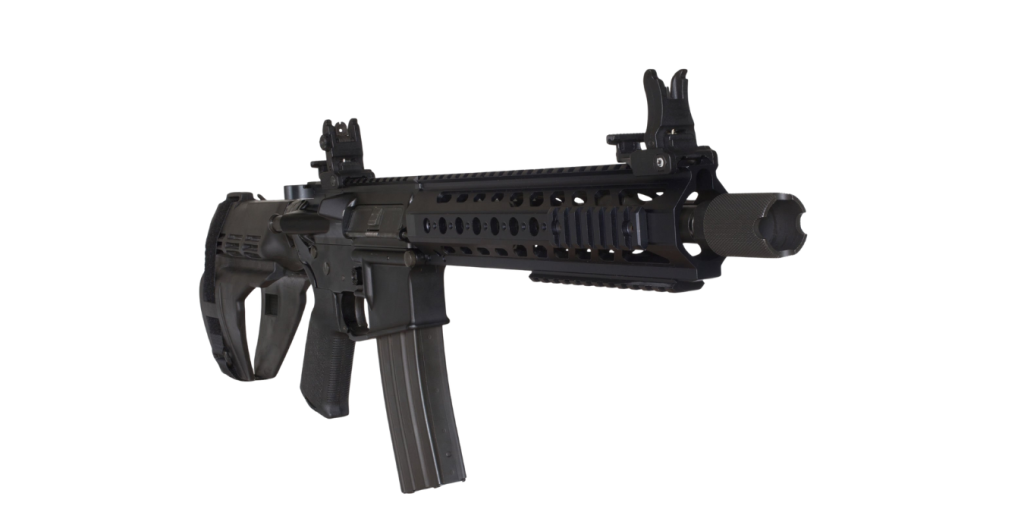
Many AR myths focus on mechanics, but sloppy mechanical thinking often spills into compliance mistakes. Builders who assume every stock, barrel, receiver extension, and upper combination is interchangeable are more likely to misunderstand what their parts actually create. The technical side and the legal side meet at the workbench. A rifle assembled without checking dimensions, compatibility, or feature implications can produce both malfunctions and an unlawful configuration. Precision in assembly is not only about function.
The recurring pattern is simple: most AR myths flatten a complicated machine into a slogan. Brand loyalty, internet shorthand, and cosmetic impressions are poor substitutes for gauges, inspection, and methodical testing. On this platform, dependable operation is earned the slow way. Parts have to fit, systems have to match, and every change has to be understood before the first round is fired.


