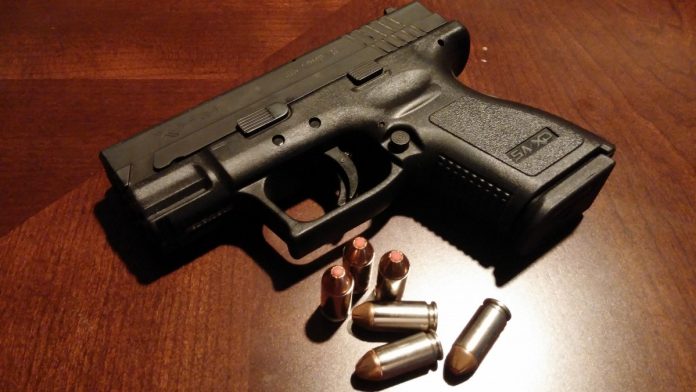
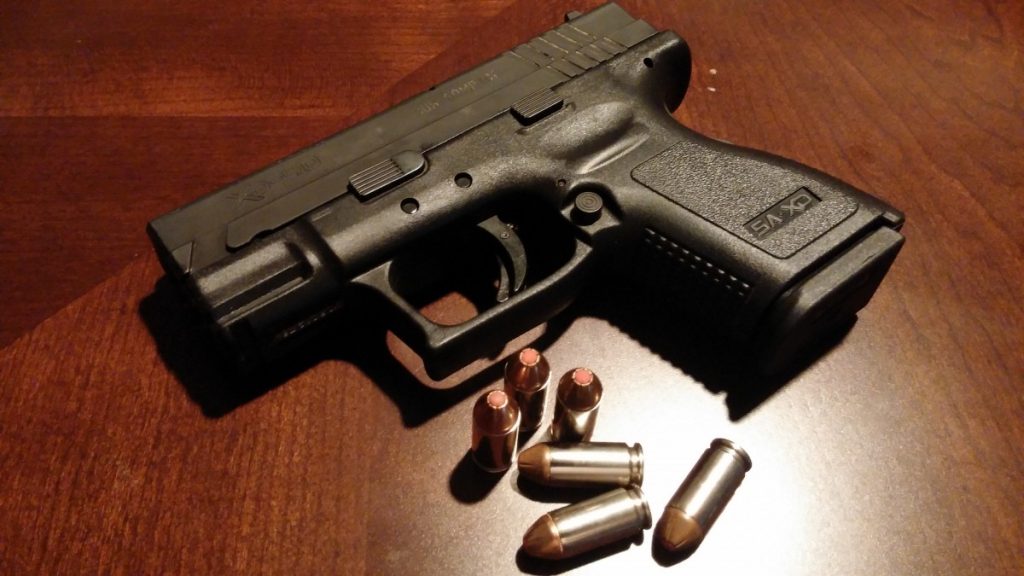
Routine carry tends to sound simple until ordinary habits cross into a statute written with narrow definitions, location rules, storage standards, or equipment thresholds. The legal risk often does not come from dramatic conduct. It comes from assumptions: a permit that does not travel, a handgun left unsecured for a few minutes, a missing firearm reported too late, or a configuration treated differently than its owner expected.
The result is a patchwork where lawful possession in one setting can become a charge in another. These eight traps sit at the center of that mismatch.

1. Assuming a permit works the same across state lines
Carry permits do not move cleanly from one state to the next. Some states honor outside permits, some recognize only certain permits, and some attach conditions that change the answer for residents and nonresidents. Even in states that allow permitless carry, permit status still matters for travel because crossing a border can shift the legal framework immediately. That makes reciprocity one of the most common traps in routine travel. A driver who leaves home under one set of rules can enter a state that applies a different permit category, recognizes only enhanced credentials, or treats resident and nonresident licenses differently. The most basic safeguard is checking which states honor a permit before the trip, not after a stop.
2. Treating constitutional carry as a universal pass
Permitless carry laws have expanded, but they are not interchangeable. A state may allow concealed carry without a permit for its own residents while handling nonresidents differently, and permitless carry does not erase separate rules on prohibited locations, age limits, or vehicle transport. This creates a familiar misunderstanding: if a person can carry without a permit at home, that person assumes the same freedom follows everywhere else. It does not. Constitutional carry changes whether a permit is required in a given jurisdiction; it does not flatten the legal map.
3. Leaving a firearm unsecured when “not in immediate control”
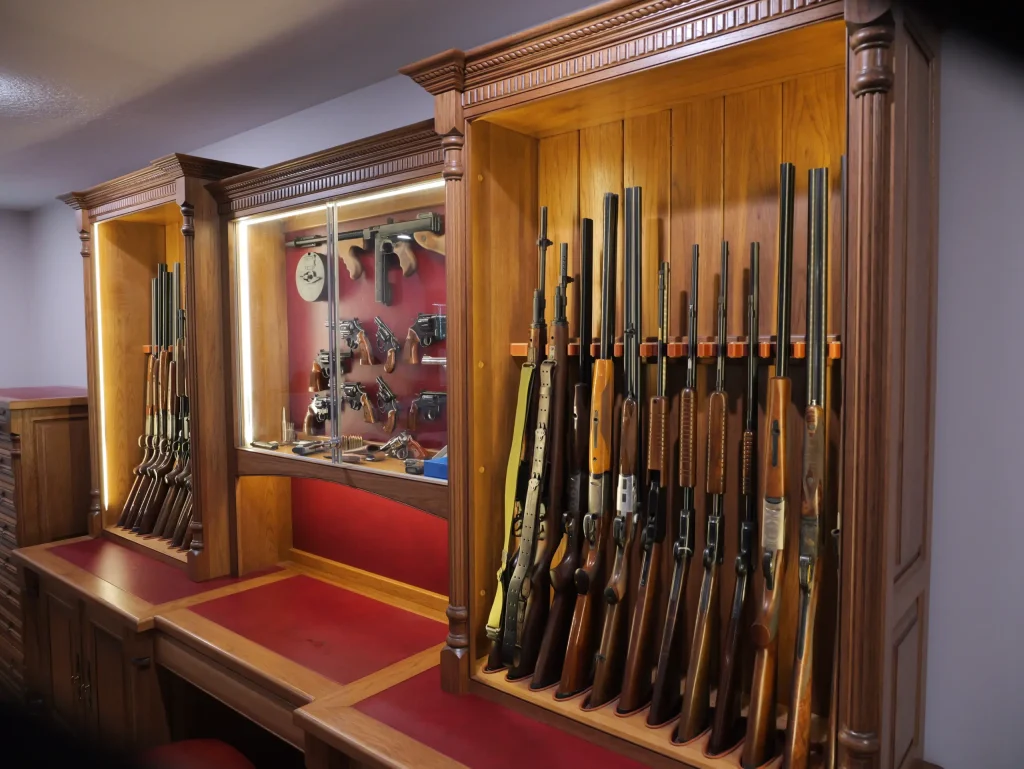
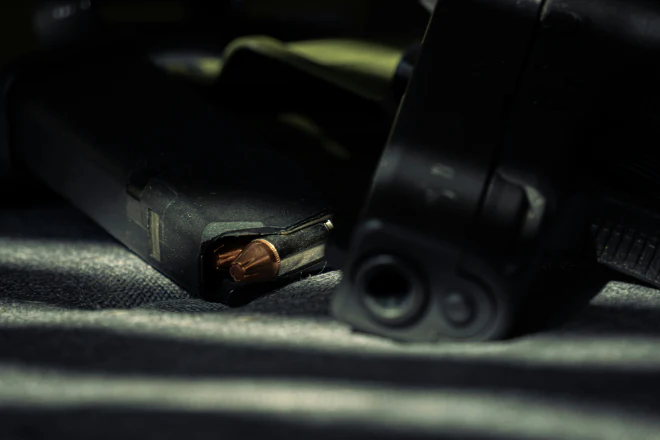
Storage laws often reach into moments that do not feel like storage at all. A handgun set down in a bedroom, a console gun left in a parked vehicle, or a pistol tucked into a bag while the owner steps away can trigger legal duties in states with child-access or safe-storage laws. The variation between states is the trap. Twenty-six states have adopted secure storage or child access prevention laws, but they do not use the same trigger. Some apply any time a firearm is not in the owner’s immediate control. Others attach liability when a child may be likely to gain access, and others only after access actually occurs. The age cutoff also changes by state, with some using under 18, others under 16, under 17, or under 14. A routine lapse can therefore move from careless to criminal depending on where it happens.
4. Thinking child-access laws only matter inside the home
Many people associate child-access statutes with long-term household storage, but the legal exposure is broader. The issue is access, not ownership duration. A firearm left in a car, a purse, a nightstand, or temporary lodging can fall under the same framework if a minor is able to reach it. Federal education guidance shows that states differ sharply on when liability begins, from “may or is likely to gain access” to actual access followed by injury, display, or criminal use. That means a brief stop or overnight stay can carry the same legal significance as a home-storage decision.
5. Failing to report a lost or stolen gun where the law requires it
Some owners discover a firearm missing and delay reporting while they keep searching, check another range bag, or assume it was misplaced during a move. In several states, that hesitation can become its own legal problem. Seventeen states require reporting of lost or stolen guns. Those laws are designed to create a timeline for law enforcement and to cut off the “it went missing long ago” defense when a recovered gun surfaces in crime. The same policy summary cites research finding a 46% reduction in illegal gun movement tied to these laws. For carriers, the practical trap is simple: once a firearm disappears, delay can carry consequences of its own.
6. Borrowing federal reporting rules from the wrong audience
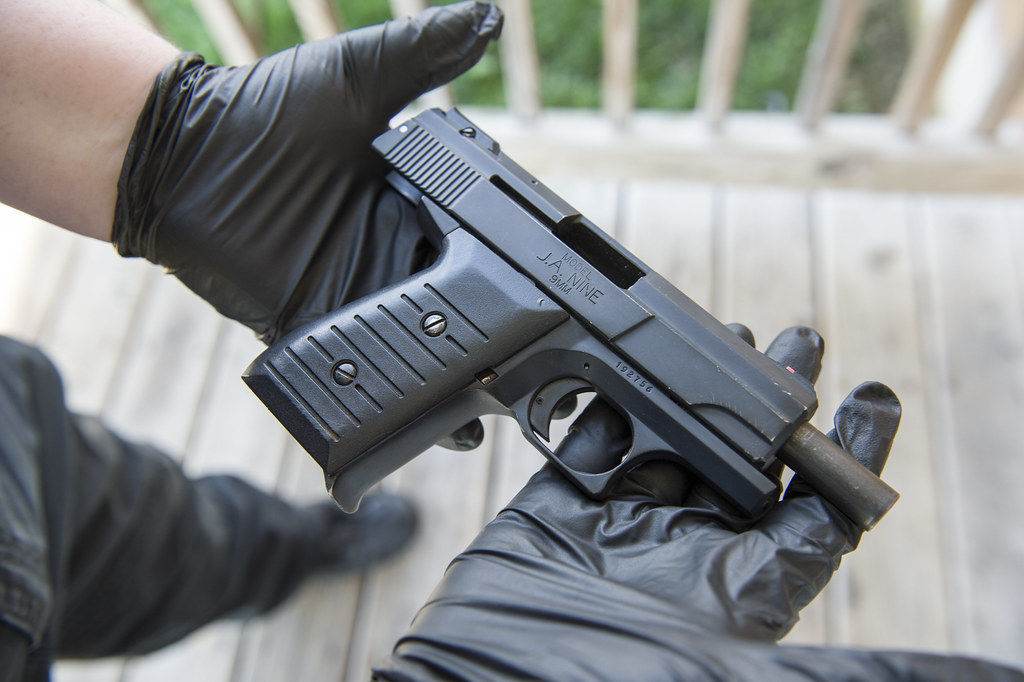
Federal firearms licensees have specific theft-and-loss duties that do not apply in the same way to private owners. Under ATF rules, an FFL that learns firearms were stolen or lost from inventory must report the theft or loss within 48 hours of discovery to ATF and local law enforcement. Private citizens, however, are not routed into that same federal reporting channel. ATF states that it does not take stolen-firearm reports from private citizens. The trap appears when owners rely on a federal process that is built for licensees while overlooking the state or local rule that actually governs them.
7. Adding hardware that changes the weapon’s legal category
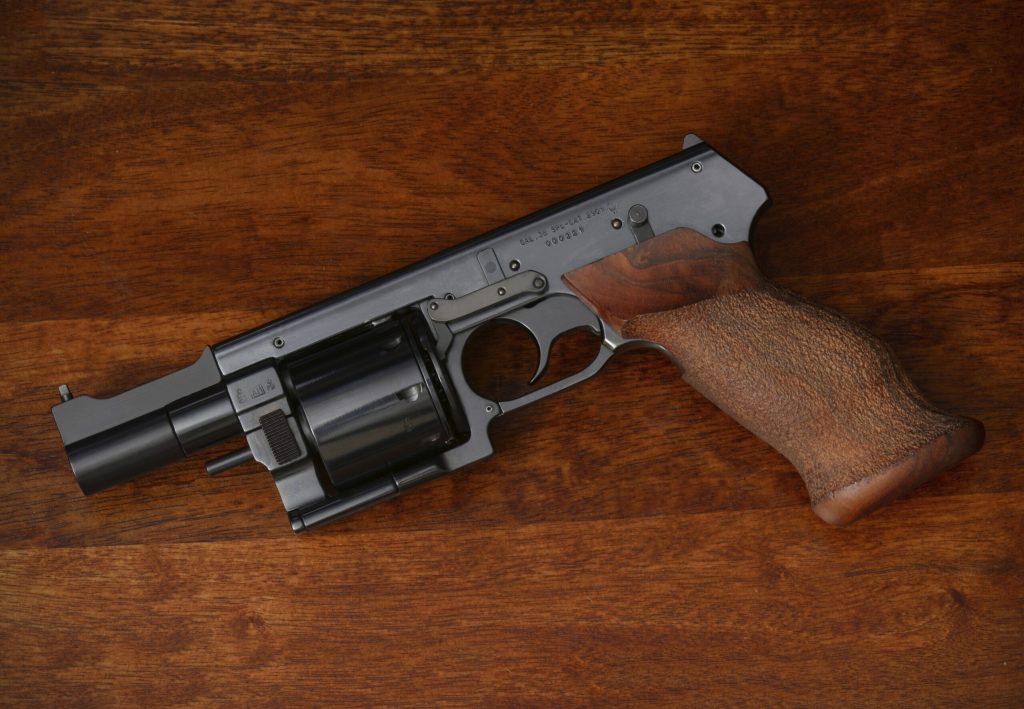
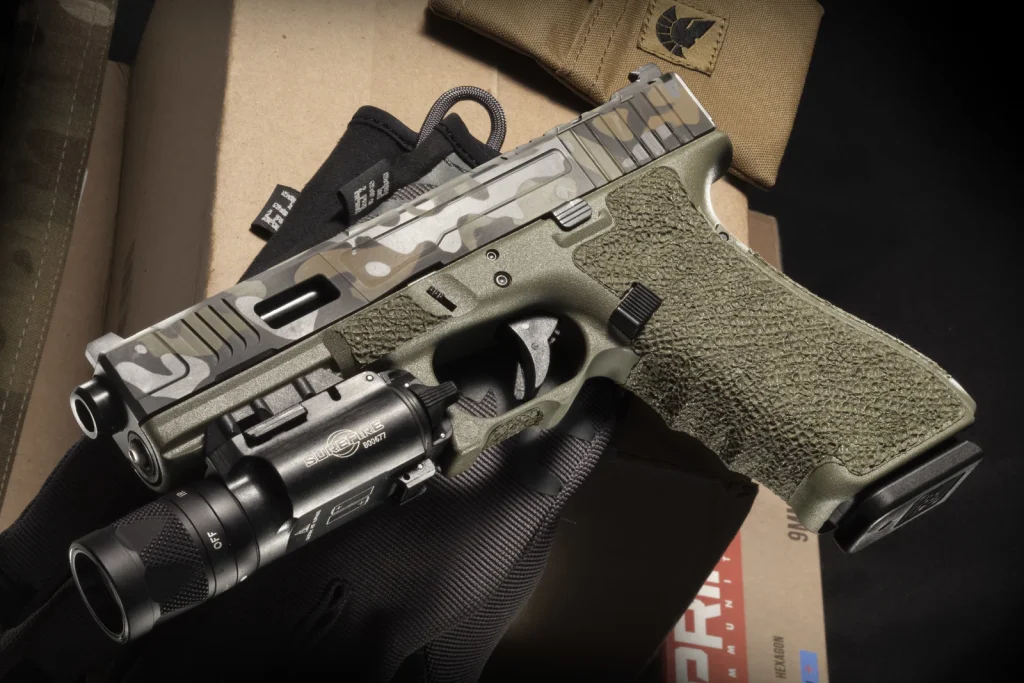
Some charges begin with parts, not conduct. Barrel length, overall length, stocks, braces, pinned muzzle devices, and vertical foregrips can change how a firearm is classified under federal law, and the measurements are not always intuitive. Configuration is where ordinary customization becomes risky. The federal framework described in guidance on lawful length centers on a 16-inch barrel benchmark for rifles and a 26-inch overall-length threshold that can affect whether a firearm remains outside National Firearms Act categories. A vertical foregrip on a firearm under that threshold can create a different legal status than many owners expect, while pinned muzzle devices may count toward barrel length when they are permanently attached. Small hardware changes can therefore produce large legal consequences.

8. Assuming federal measurement rules control every state question
Even owners who understand federal length rules can still get caught by state law. Some states apply their own measurement standards or interpret the shortest firing configuration differently from the federal approach described in industry guidance. That means a setup viewed as compliant under federal assumptions may still create state-level exposure. The carry-related lesson is broader than rifle geometry: firearms law is layered, and compliance in one legal system does not automatically answer the next one.
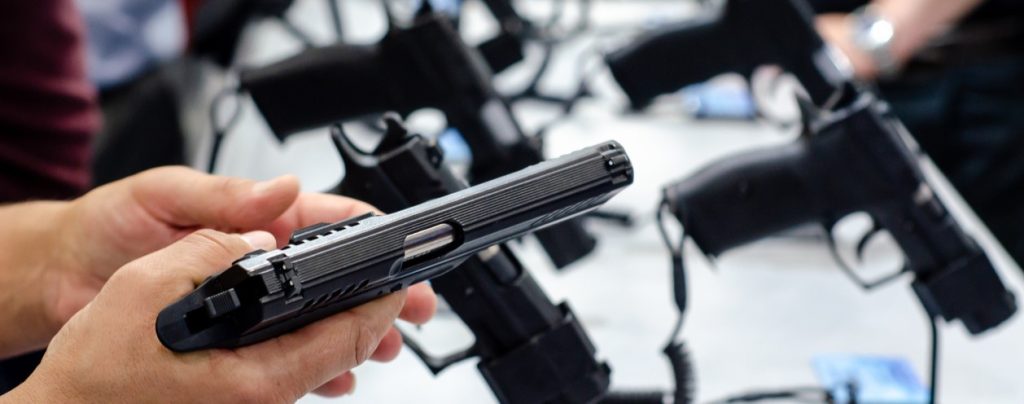
These traps share the same pattern. The conduct often looks ordinary, but the legal system is built on narrow definitions, timing rules, and jurisdiction-specific exceptions.= For anyone who carries routinely, the most consequential mistakes are often the least dramatic ones: assuming a permit travels, assuming a temporary placement is not storage, assuming a missing gun can wait, or assuming a part does not change classification. Charges tend to begin in those small gaps.


