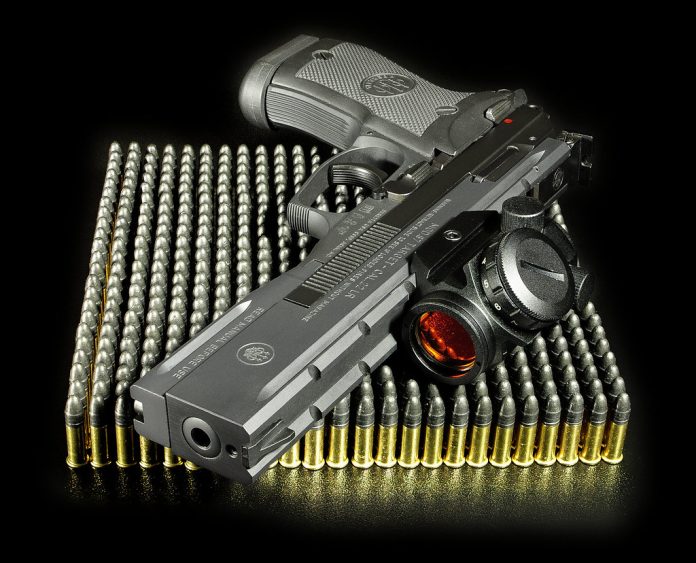
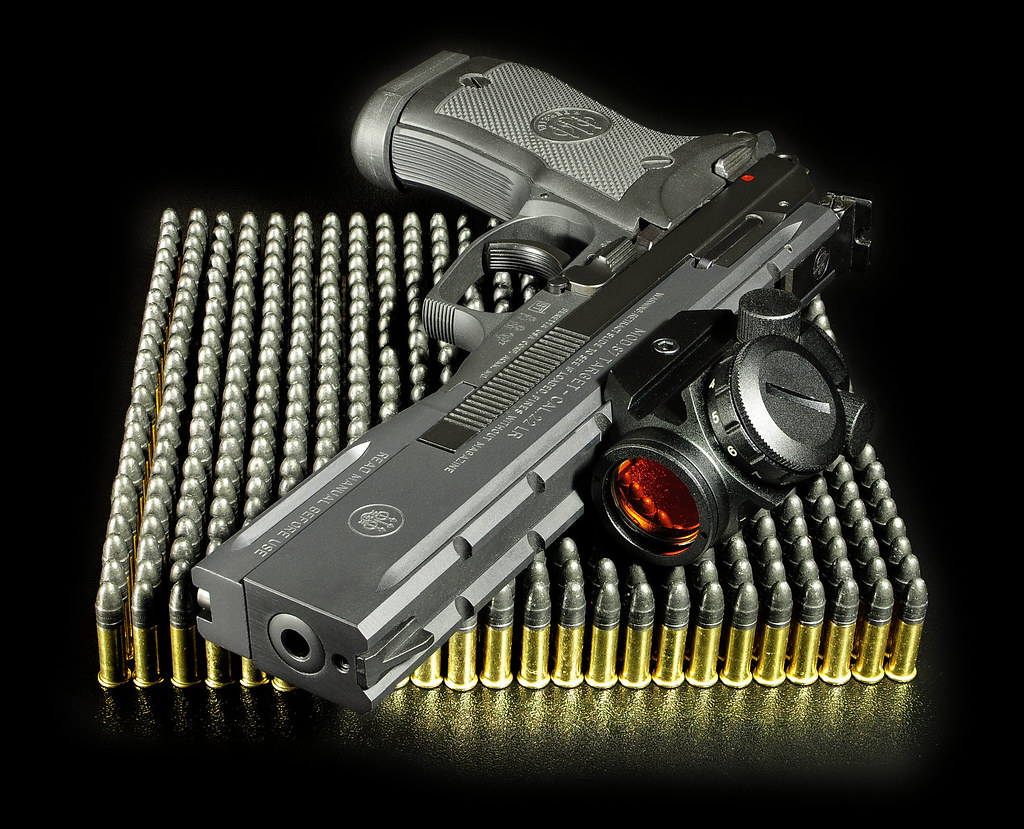
Red dot optics are no longer a bolt-on luxury for pistols. Across duty guns, concealed-carry handguns, and training programs, the optic has started to dictate how the slide is cut, how the screws are loaded, how backup sights are chosen, and how shooters learn to run the gun.
That shift matters because the pistol is no longer being treated as a stand-alone mechanical object. It is becoming a sighting platform, and the quality of that platform now depends on mounting geometry, recoil management, maintenance discipline, and how well the shooter can keep the dot in the window under pressure.
1. The slide is becoming part of the optic itself
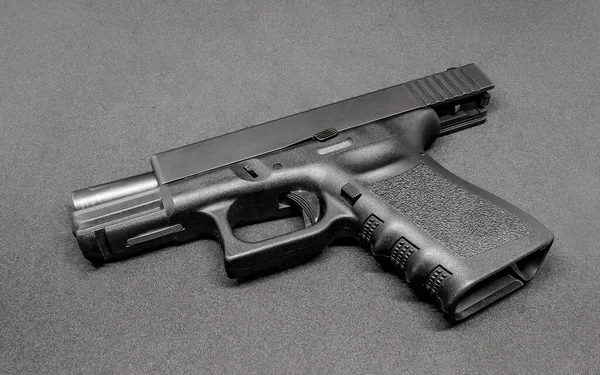
The biggest engineering change is happening in the slide. Older pistol optics setups often treated the optic as an accessory attached to the gun. Newer designs increasingly treat the slide as an optic chassis, with recoil forces managed by the cut and interface rather than dumped almost entirely into small screws.
That approach is now visible in factory-cut slides for optics, which moved pistol dots from custom-shop territory into mainstream production. The practical consequence is simple: if the optic is expected to survive repeated slide velocity, then the mounting surface, lug engagement, and screw support all become part of the handgun’s core architecture, not an afterthought.
2. Mounting plates have turned into a real reliability variable
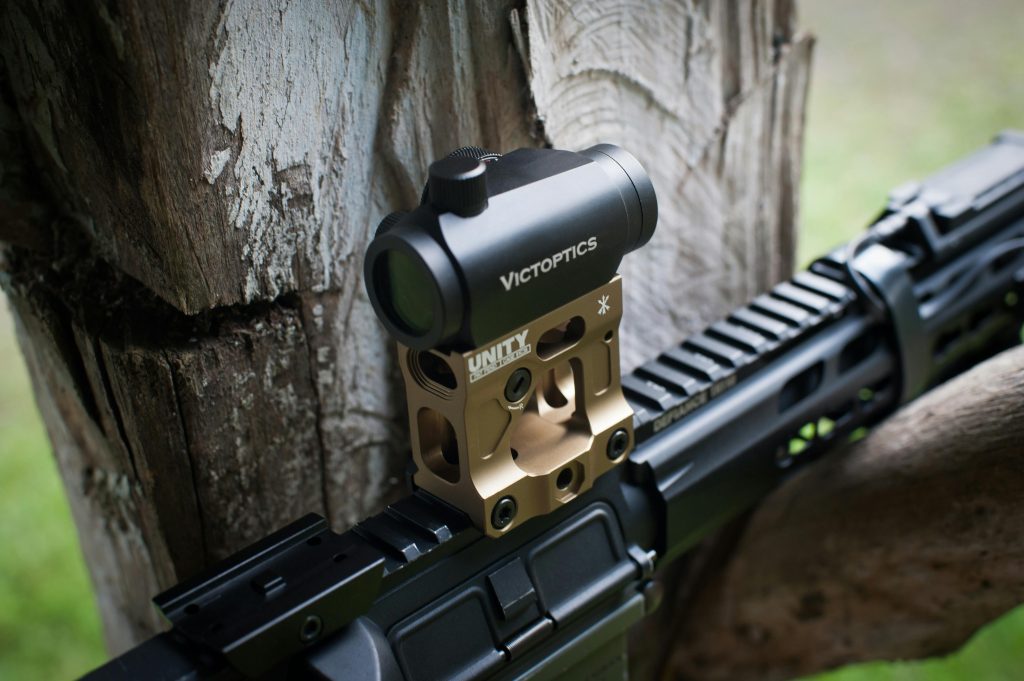
Plate systems helped make optics-ready pistols common, but they also introduced another failure point. Plate thickness, screw length, thread engagement, and torque values now affect zero retention and long-term durability in ways that iron-sight pistols never had to confront.
This is why the market has become crowded with alternate plates, direct-mount cuts, and revised factory interfaces. The issue is not cosmetic. A plate that flexes, lifts, or allows poor fitment changes the entire behavior of the sighting system under recoil. As more pistols ship optics-ready from the factory, the smallest hardware parts are now carrying much more importance than the term “adapter plate” suggests.
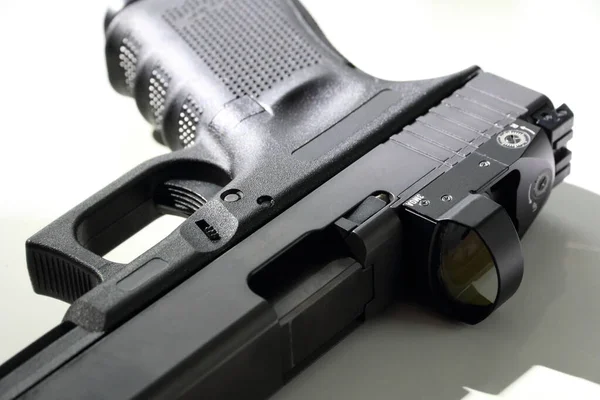
3. Backup irons are now planned around the optic window
Co-witness sights used to be a niche topic. Now they are part of the setup from the beginning. Once an optic is mounted, the question is no longer whether irons should remain on the gun, but how much of them should appear in the window and how they help if the optic is obscured or goes dark.
That has pushed many shooters and agencies toward taller backup irons, especially because batteries and electronics still introduce failure points. Even advocates of pistol dots continue to stress that iron sights remain essential as backup. On modern pistols, irons are no longer selected in isolation. Their height, sight picture, and relationship to the optic body are now part of one integrated aiming system.

4. Training has become the real cost of entry
Red dots can simplify target focus, but they do not eliminate the need for repetition. They move the training burden into different places: presentation consistency, dot acquisition, recoil tracking, and what happens when the shooter loses the dot during a hurried draw or a compressed shooting position. The evidence from law-enforcement use points in the same direction.

In a five-year survey of 35 duty incidents, red dot-equipped pistols were clearly established in agency use, but training time varied widely. A related review found that 20% of respondents had no agency training before carrying an optic-equipped duty pistol, while some officers still reported delay or difficulty seeing the dot. That gap explains why optics adoption is no longer just about hardware selection. Departments and individual shooters alike have to budget time, round count, maintenance checks, and remedial work into the system.

5. Accuracy gains are driving institutional adoption
The strongest force behind the optics shift is not fashion. It is performance. Competition shooters helped prove the concept years ago, but broader adoption accelerated when agencies and trainers saw that target-focused shooting with a dot could improve speed and hit consistency.
One law-enforcement review cited a 63% reported hit ratio in the surveyed incidents, well above commonly cited averages for police shootings in the United States. The sample was limited, and the data did not answer every question, but it reinforced why optics are now being written into qualification programs and procurement decisions. Once an institution decides the dot improves performance enough to standardize, manufacturers follow.
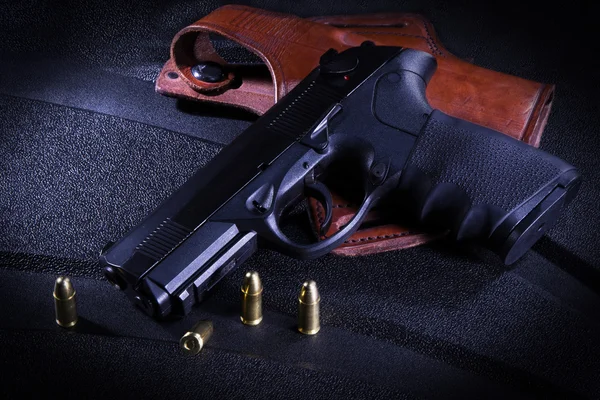
6. Concealed-carry pistols are being built around optics from day one
The change is not limited to full-size duty guns. Compact and micro-compact pistols now arrive from the factory with optic cuts, revised rear-sight positions, and slide dimensions intended to keep the optic low and stable. A decade ago, that kind of setup often required custom milling. Today it is normal.
That factory support has removed one of the old barriers to entry. It also means concealed-carry pistols are being designed around dot height, footprint compatibility, and holster clearance instead of asking owners to retrofit the gun later. The result is a smaller pistol that behaves more like a purpose-built optic host than a traditional carry gun with an accessory attached.
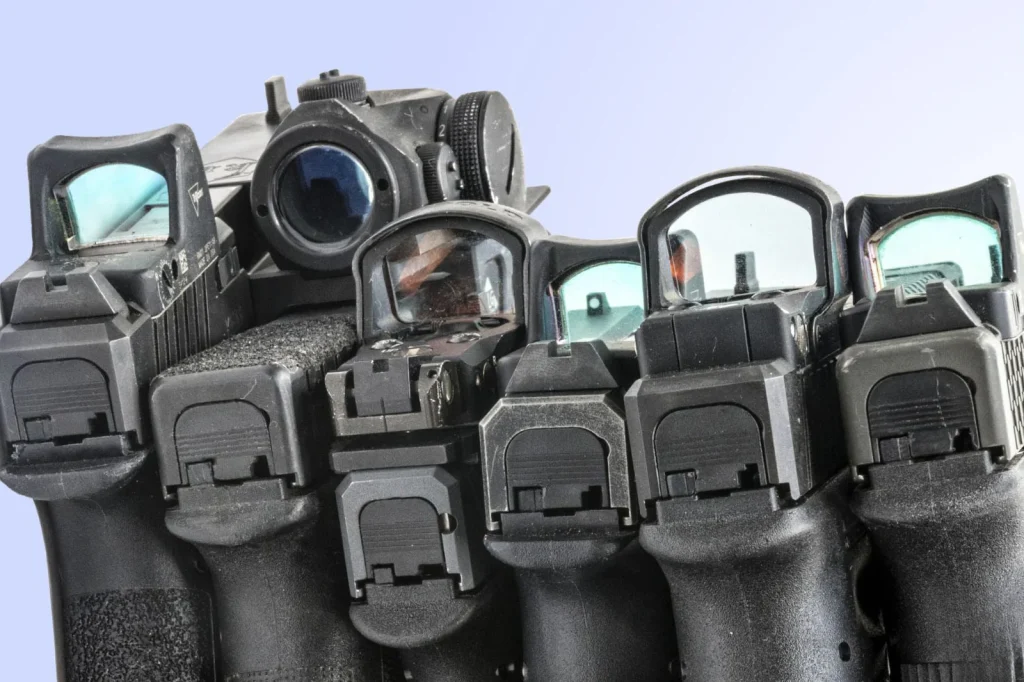
7. Maintenance is now part of the pistol’s operating system
An iron-sight pistol can tolerate a lot of neglect in its sighting setup. An optic-equipped pistol cannot. Batteries, lens cleaning, screw inspection, brightness settings, and occlusion checks all matter because the sighting system now includes electronics and exposed glass living on a reciprocating slide. That reality is reshaping both policy and user habits. Trainers increasingly stress regular inspection schedules, especially for carry and duty guns, because a working dot is not guaranteed by installation alone.
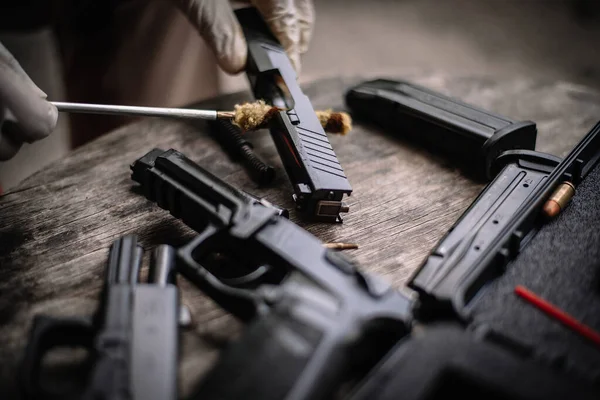
The optic revolution did not make pistols simpler. It made them more capable, but also more dependent on correct upkeep. The modern pistol is no longer just a handgun with a red dot on top. It is a tightly linked system of slide geometry, mounting hardware, backup sights, shooter presentation, and maintenance discipline. That is the real change behind the optics era. The dot did not just alter how pistols are aimed. It changed how they are engineered, issued, and kept running.


