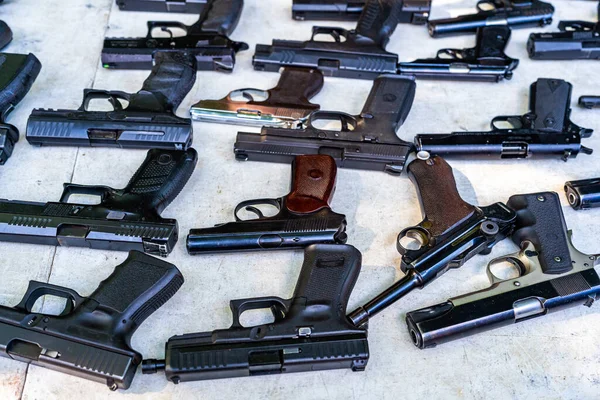
In handgun design, reliability is not a bonus feature. It is the baseline that determines whether a compact carry pistol, a duty-sized sidearm, or a range novelty earns long-term trust. Some pistols became cautionary tales not because they lacked ambition, but because attractive concepts collided with stoppages, ammunition sensitivity, weak parts, or safety concerns. The patterns are familiar to anyone who has studied failure to feed, light strikes, and stovepipes: magazines, extractor tension, chamber fouling, spring wear, and design tolerances all shape what happens after the trigger press.
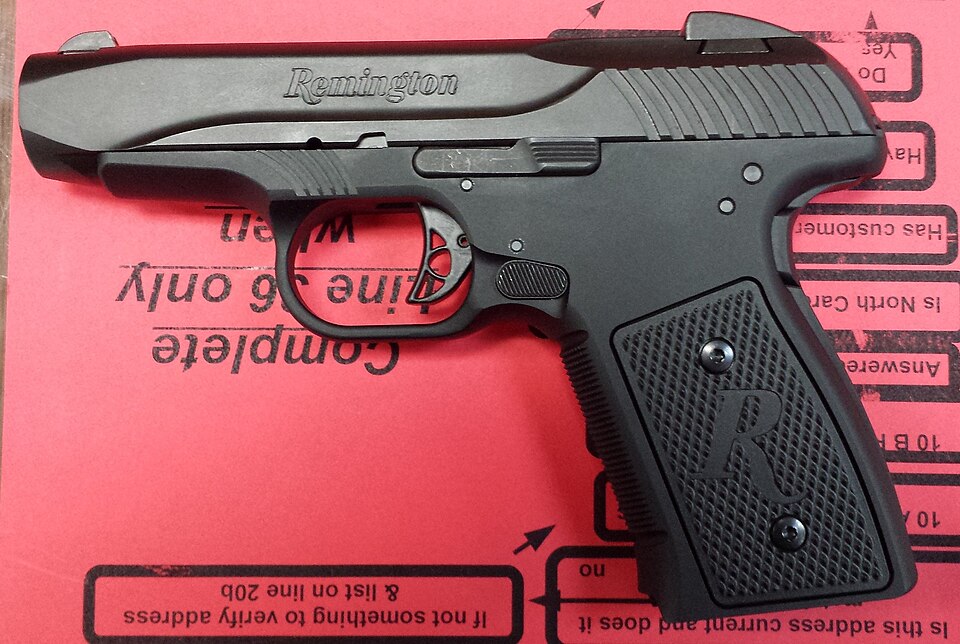
1. Remington R51
The R51 arrived with real engineering appeal. Its roots traced back to John Pedersen’s early-20th-century hesitation-lock concept, repackaged as a slim modern 9mm with a low bore axis and strong conceal-carry potential. The trouble was execution. Reports centered on malfunctions, light primer strikes, and more serious safety concerns tied to out-of-battery behavior. A later revision attempted to correct the worst flaws, but the platform never fully escaped magazine and cycling complaints. The R51 remains a textbook case of a clever mechanism pushed into the market before the rest of the system was fully sorted.
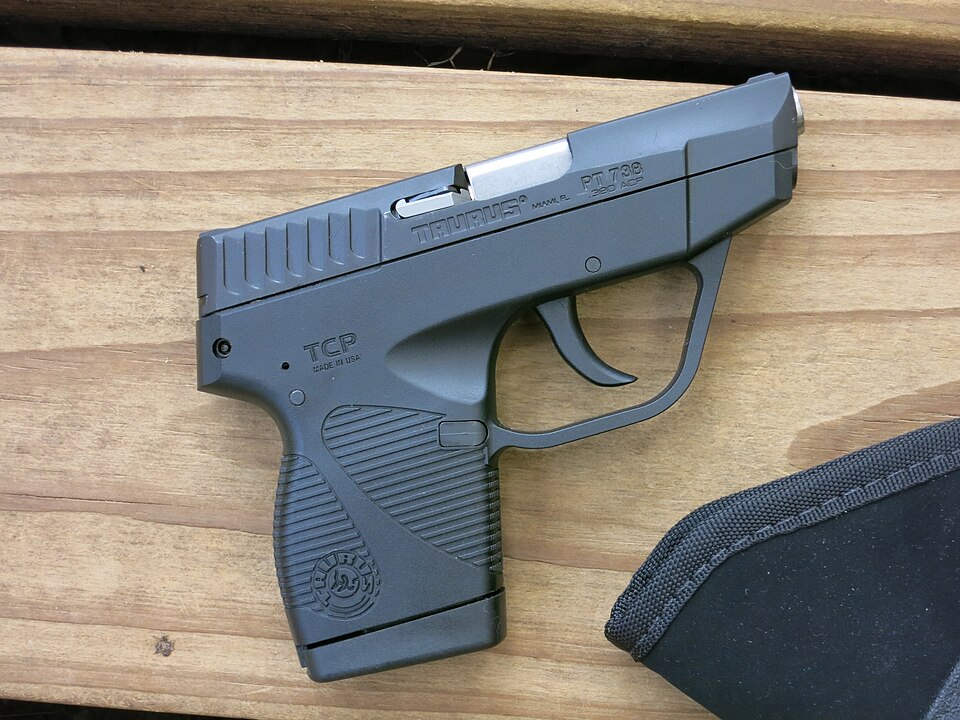
2. Taurus PT738 TCP
The PT738 TCP targeted the pocket-pistol crowd with minimal size and weight, but that formula left little margin for inconsistency. Shooters frequently associated it with light strikes and erratic ejection, especially when ammunition quality varied. That matters because tiny defensive pistols already operate near the edge of controllability and mechanical forgiveness. When a platform also becomes picky about loads, confidence drops fast. In a category where owners expect the gun to run across a broad spread of cartridges, the TCP’s reputation took a hit that its compact dimensions could not offset.
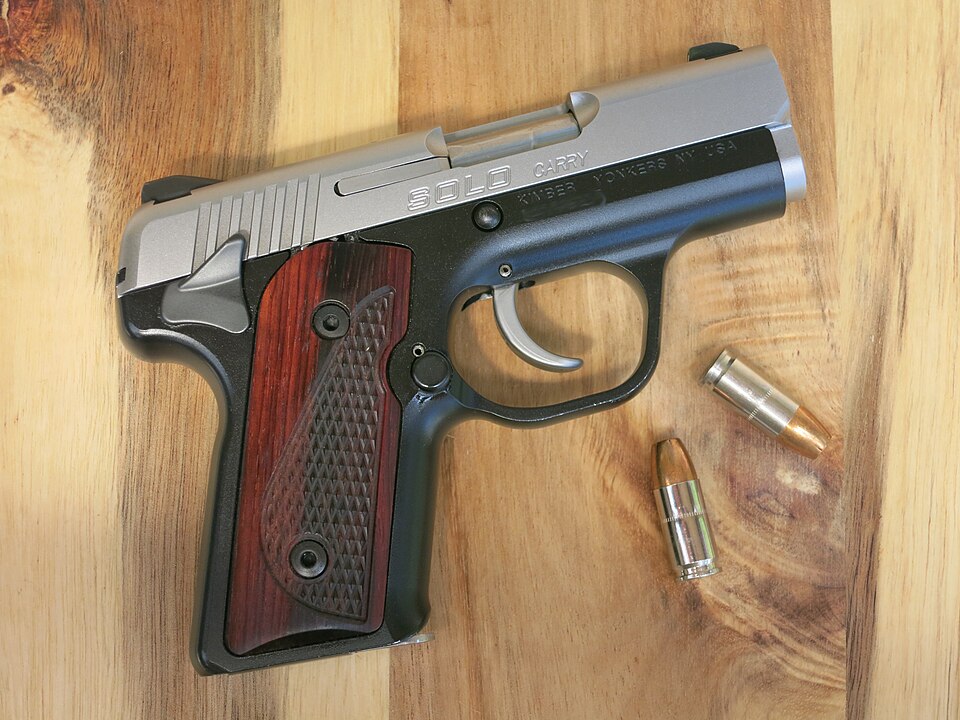
3. Kimber Solo Carry
The Solo Carry looked like a premium answer to the small 9mm carry pistol: sleek lines, upscale finish, and a recognizable brand behind it. Yet its reliability reputation narrowed quickly because it functioned best with specific high-pressure loads. That kind of ammo dependence is more than an inconvenience. It suggests a system with tight operating windows, where ordinary range loads may not generate enough energy for consistent cycling. In practical terms, the Solo became known less for craftsmanship than for demanding ammunition choices many shooters did not want in a serious-use handgun.
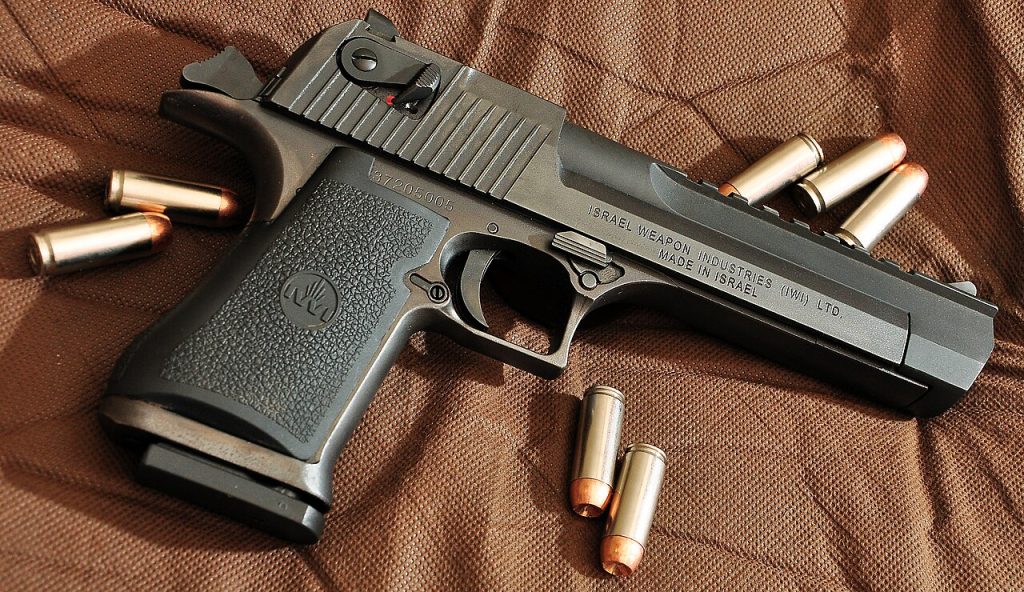
4. Desert Eagle .50 AE
The Desert Eagle occupies a category almost by itself. Gas operation, oversized dimensions, and the .50 AE chambering gave it enormous visual and mechanical presence. It also earned a long-standing reputation for being sensitive to ammunition consistency and shooter technique. That is not surprising in a heavy, gas-operated semi-auto handgun with unusual operating demands. Compared with conventional service pistols, it offers less tolerance for variables and far more consequence when the system gets dirty or the ammo falls outside its preferred range. The result is an iconic handgun better known for spectacle than for trouble-free practical use.
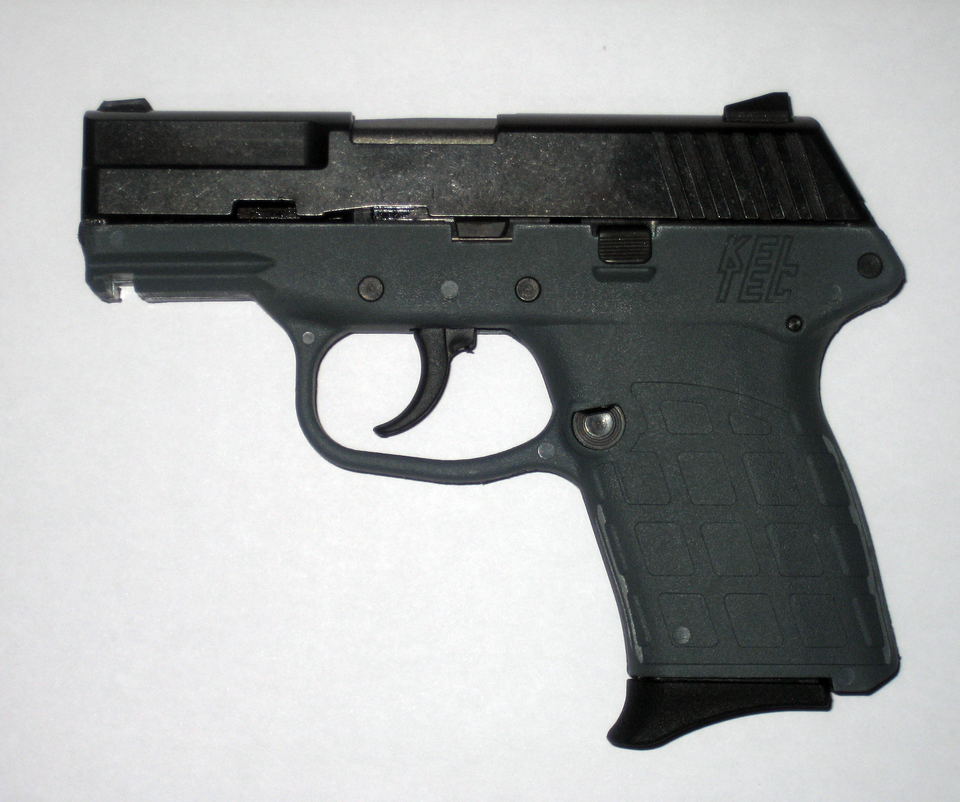
5. Kel-Tec PF-9
The PF-9 was built around a simple promise: full-power 9mm performance in a very slim, very light package. That made it attractive at a time when compact carry guns were racing toward minimum size. But shrinking a pistol that far can magnify every weakness in the feed cycle. Feeding and extraction complaints followed the PF-9 for years, along with harsh recoil that made consistent handling harder. As malfunction diagnosis guides often note, damaged magazines, extractor tension, and weak recoil behavior can stack together in small pistols, and the PF-9 often sat in that uncomfortable overlap.
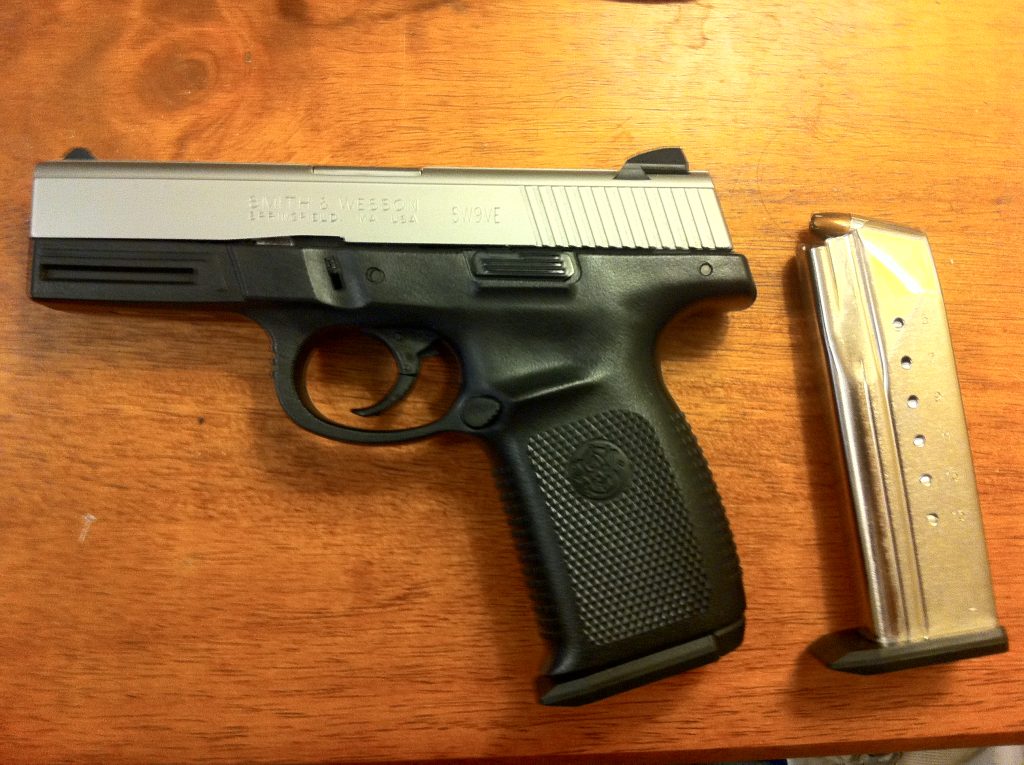
6. Smith & Wesson Sigma Series
The Sigma line mattered because it represented Smith & Wesson’s early push into polymer-framed striker-fired pistols. Early examples, however, developed a rough image built around gritty triggers, uneven tolerances, and intermittent reliability complaints. Later production improved the concept, but first impressions lasted. The Sigma story shows how quickly a pistol can be defined by launch-era performance, especially when shooters begin connecting feeding issues and misfires to manufacturing consistency rather than isolated bad magazines or ammunition.
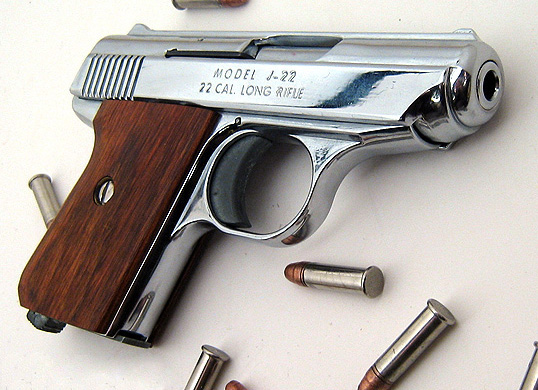
7. Jennings J-22
The J-22 belonged to the low-cost pocket-pistol world, and its problems matched that market’s worst stereotypes. Stovepipes, double feeds, and ejection issues became part of its identity, with the small ejection port and weak extractor often cited as contributing factors. Safety concerns pushed it further into infamy. The model was associated with drop-fire worries serious enough that carrying with an empty chamber became part of its operating reality. For any pistol, that is a damaging legacy. For one intended to be small, simple, and accessible, it was devastating.
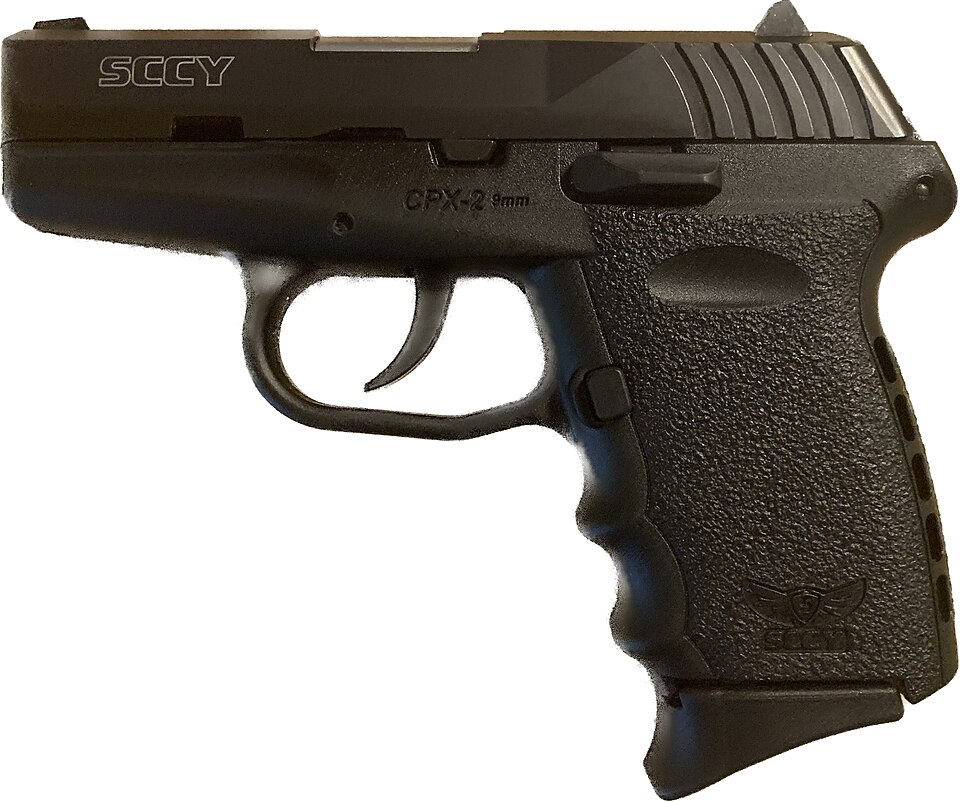
8. SCCY CPX-2
The CPX-2 drew attention because it offered an accessible entry into the compact carry class. Yet its reliability record remained uneven, with reports of feeding problems and light strikes that some owners improved through break-in, while others never fully solved. This is the kind of inconsistency that frustrates diagnosis. A pistol that runs after polishing, spring settling, or magazine changes may still leave too much uncertainty for serious use. In engineering terms, the issue is not a single dramatic flaw but a tolerance stack that leaves outcomes varying too widely from one example to the next.
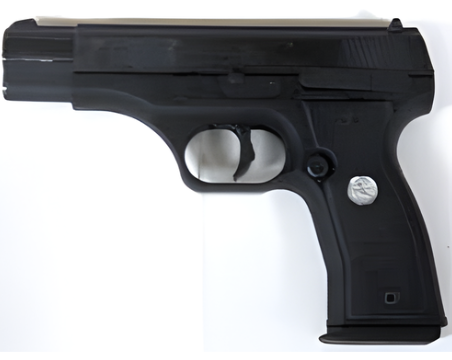
9. Colt All American 2000
The All American 2000 had serious names behind it, including Reed Knight and Eugene Stoner, which made its weak performance even more notable. Its rotary-barrel concept and unusual trigger system suggested innovation, but production changes undermined the final product. Accuracy complaints, reliability problems, and a recall over drop-fire safety defects turned the pistol into a case study in compromised implementation. Rick Sapp called it one of the “most embarrassing product failures in company history.” That line endures because it captures the gap between design pedigree and delivered performance.
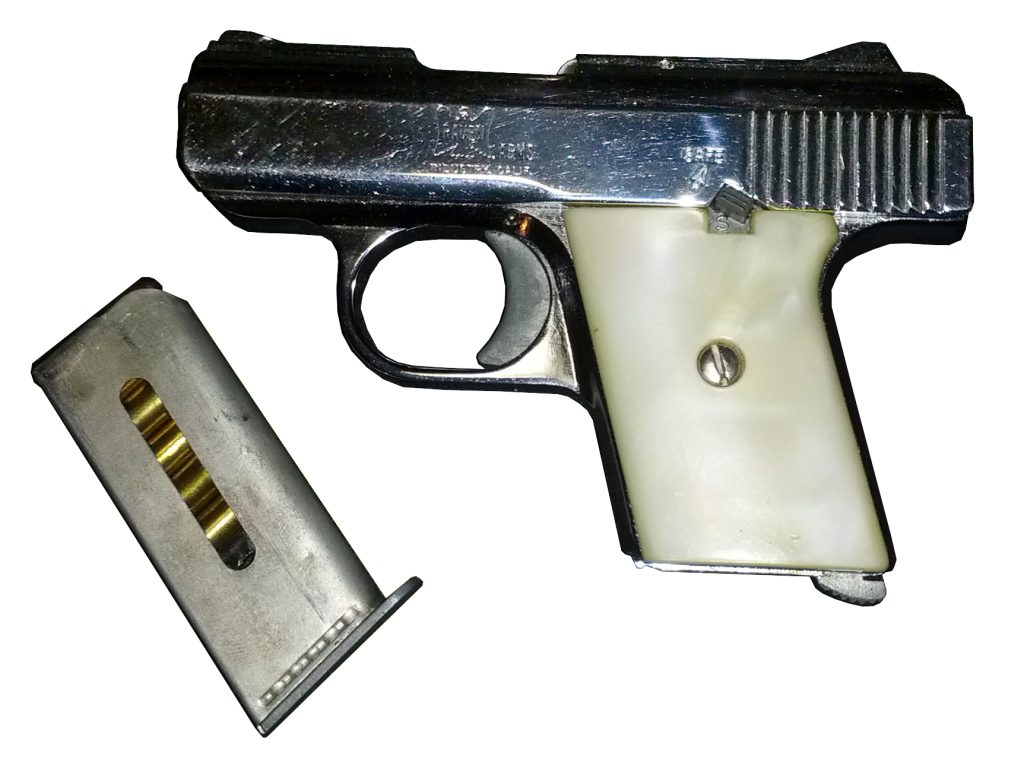
10. Raven MP-25
The Raven MP-25 was produced in large numbers and became one of the better-known examples of the inexpensive blowback pocket pistol. Built with a zinc-alloy frame and chambered in .25 ACP, it met a demand for affordability and simplicity. Its weaknesses were equally clear. Reliability could be inconsistent, the platform lacked a slide lock, and the cartridge itself offered limited practical margin. The MP-25 was not a sophisticated failure; it was a reminder that low-cost design shortcuts and minimal ballistic performance often travel together.
Across all 10 pistols, the recurring lesson is mechanical, not nostalgic. Many stoppages begin with familiar causes: out-of-spec magazines, fouled chambers, extractor issues, weak springs, or ammunition mismatch. In severe cases, a bad round can create a squib load that leaves a bullet lodged in the barrel, turning the next trigger press into a far bigger hazard. That is why these handguns still matter. They show how quickly a promising concept can be undone when reliability margins get too thin, and why experienced shooters keep returning to the same standard: a pistol does not earn trust through styling or specifications, but through boring, repeatable function.


