A rifle that prints tiny groups at 100 yards can still turn unpredictable when the target moves past 800. That disconnect is one of the most misunderstood parts of long range shooting, especially when popular cartridges get credit for precision that really depends on far more than the heads tamp.
Past 800 yards, misses usually come from stacked errors. Wind uncertainty grows, bullet flight time matters more, recoil starts stealing the shooter’s ability to spot impacts, and loads that looked perfect at short range may stop holding together where it counts. Even cartridges known for strong ballistics can only reduce these problems, not erase them.
1. Wind calls outrun cartridge advantages
The most common reason popular long range calibers miss is simple: wind matters more than most shooters can measure. High-BC bullets help because they spend less time exposed to changing air and drift less for the same mistake, but they do not solve the fact that wind at the firing point is rarely the same wind the bullet sees all the way downrange. Berger’s explanation of wind uncertainty makes the core point clearly: the bullet that drifts less still only reduces the penalty for a bad call. That is why a cartridge with better ballistics can still miss badly when the call is off by only a few miles per hour. At long range, a small error is no longer small.

2. Short-range precision does not guarantee long range performance
Many shooters assume a bug hole group at 100 yards means the rifle will stay excellent at 800 and beyond. It often does not. Load tuning that looks finished at short range may still need work once vertical spread, seating depth sensitivity, neck tension, and muzzle velocity variation have more time to show up. Discussion from experienced shooters on load tuning at distance points to the same pattern: the best results usually appear when the final tuning happens at the actual distance of use. That gap explains why some rifles feel effortless at 100 and frustrating at 800. Distance exposes weaknesses that paper at short range can hide.
3. Recoil cancels out ballistic gains
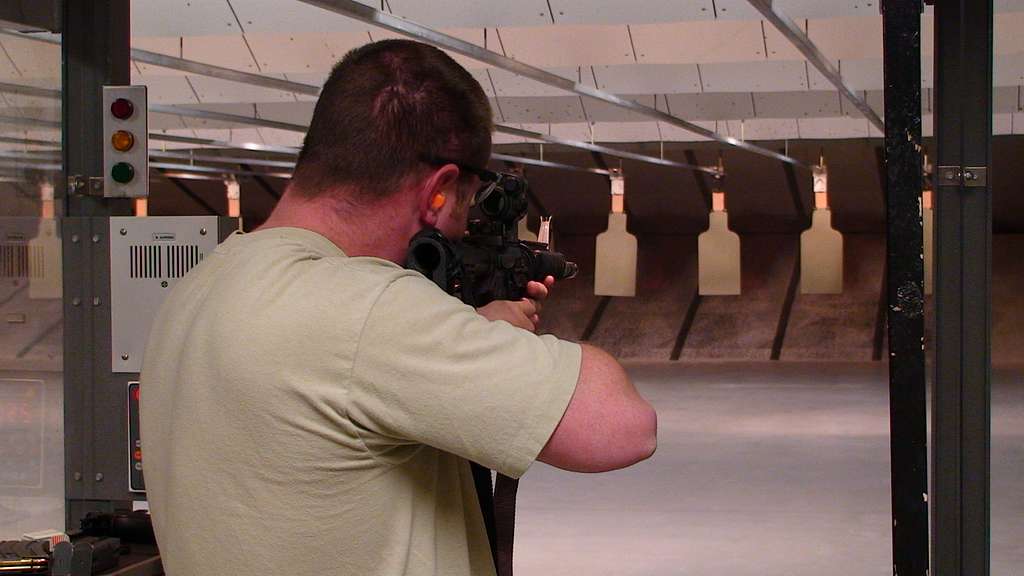
Bigger cartridges often promise less wind drift, but field use adds a different penalty. More recoil makes it harder to stay on target, harder to break a clean shot, and harder to see where the bullet landed. In practical shooting, that means the shooter may lose the ability to self-correct after a miss. Several shooters in the Rokslide discussion described this tradeoff in direct terms, including the observation that “Recoil above 12-15ft-lbs nearly wipes out any advantage of wind number for field shooting.” That is a useful reality check. A cartridge that looks superior in a ballistic solver may become less effective once the rifle moves enough to hide impact.
4. Ballistic coefficient gets oversimplified
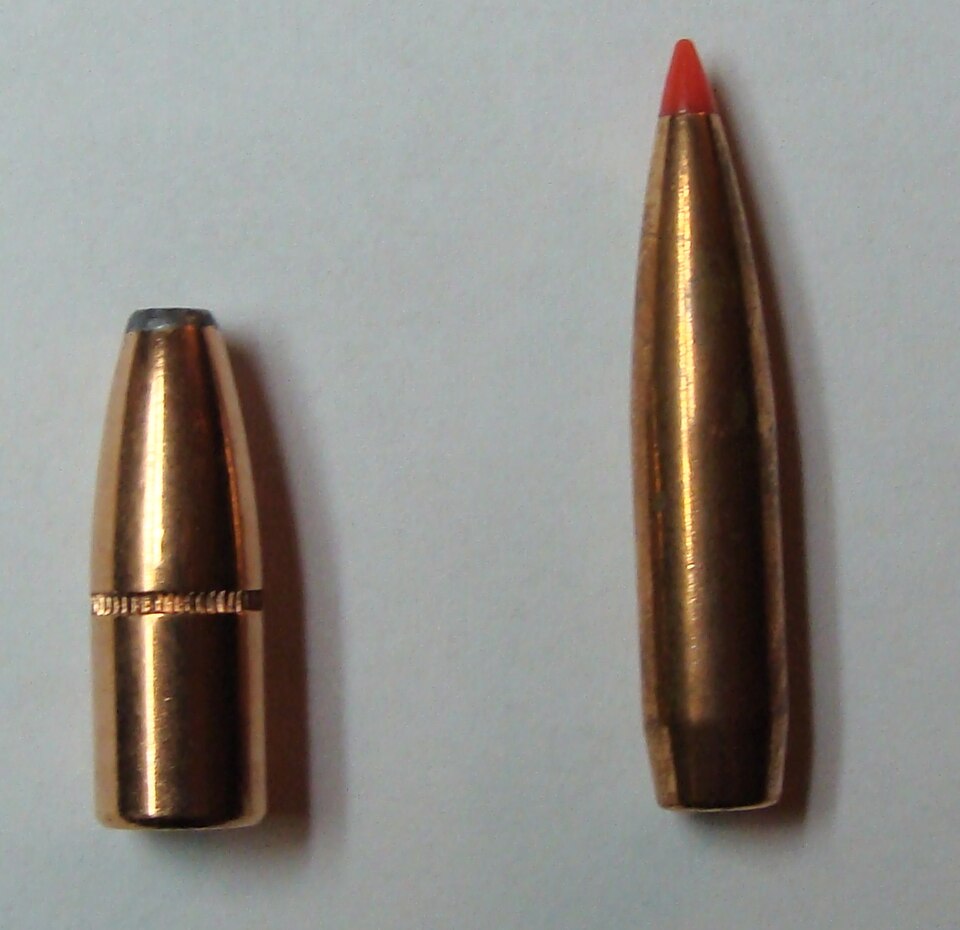
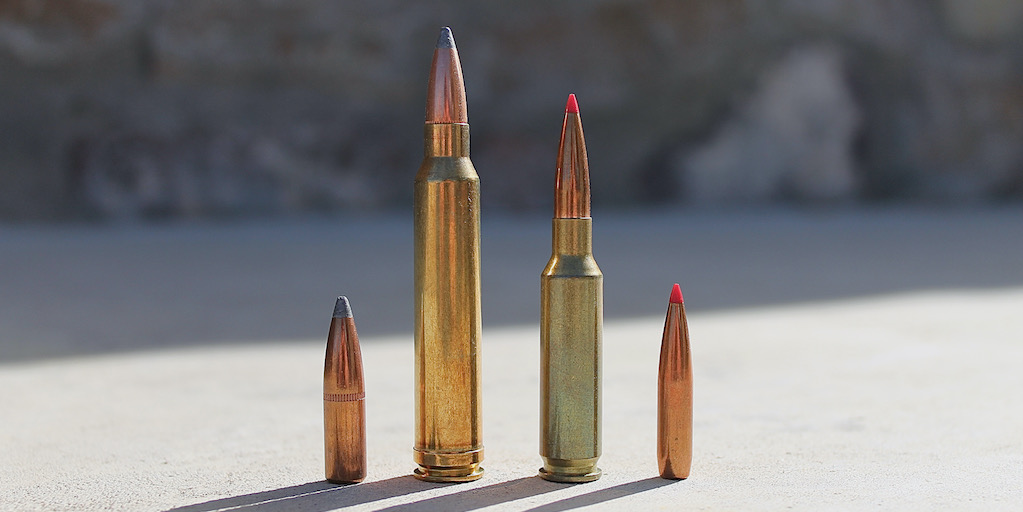
BC matters, but not in the way it is often discussed. It does not magically improve close range accuracy, and it does not work apart from velocity, bullet design, and the shooter’s ability to manage the rifle. High BC bullets reduce drop and drift by keeping velocity longer and cutting time of flight, but that benefit can be offset if the load becomes harder to shoot well or the rifle does not stabilize the bullet properly. The broader point from time of flight and drag tradeoffs is that BC is only one part of a larger system. Long range misses often happen when shooters chase the highest advertised BC instead of the most shootable combination.
5. Popular calibers still drift more than expected
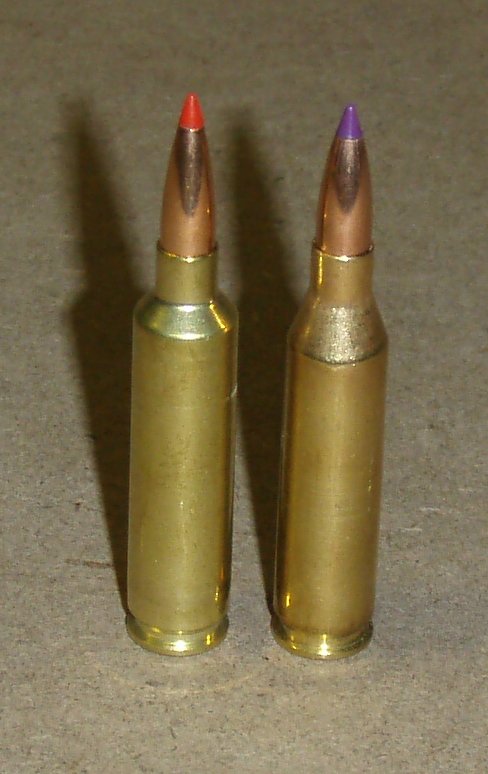
Several widely used cartridges remain vulnerable in the wind once the range stretches. Average figures from 10 mph wind drift at 1,000 yards show how quickly the problem grows: .243 Winchester around 95 inches, 6.5 Creedmoor around 76 inches, 7mm Remington Magnum around 69 inches, and .308 Winchester around 100.5 inches. Those are not bad cartridges. They are simply not immune to air movement. When the numbers are framed that way, the idea of a “long-range caliber” starts to look less absolute. A cartridge can be capable and still require a very narrow margin for error.

6. Wrong data in the solver creates clean misses
Misses past 800 yards are often precise, repeatable, and still wrong. That usually points to bad input data. Muzzle velocity from a different lot, factory BC figures that do not match the actual bullet in that rifle, stale environmental inputs, or unverified scope tracking can all shift point of impact enough to miss cleanly. As Tract notes in its breakdown of incorrect ballistic data, a small velocity mismatch becomes real vertical error once distance stretches out. The miss then gets blamed on caliber choice when the real culprit is bad information.
7. Fundamentals scale badly with distance
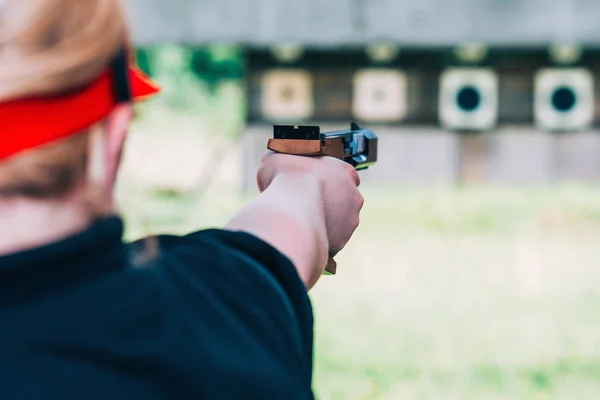
Trigger control, body alignment, parallax, natural point of aim, and follow through all become harsher judges at long range. A shooter who is slightly off-square behind the rifle or slaps the trigger can stay inside a small group at 100 and still throw shots completely off target at 800. Petersen’s Hunting and other long range training sources keep returning to the same pattern: rushed shots, poor wind practice, bad recoil management, and unsteady position matter more than cartridge hype.
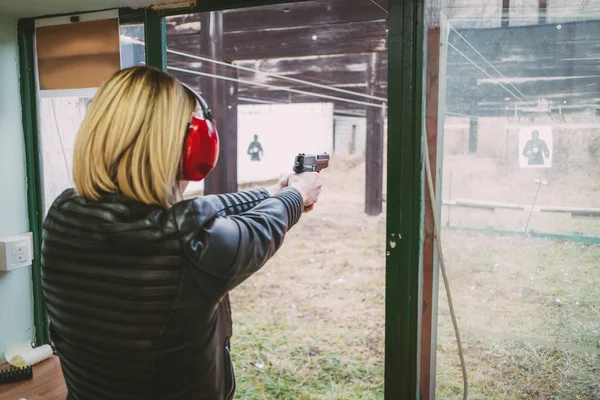
This is where caliber debates usually lose contact with reality. Past 800 yards, popular rounds miss for ordinary reasons repeated under magnification. Wind was read poorly. The load was only proven at 100. Recoil prevented correction. Inputs were wrong. Position broke down. The bullet did exactly what the conditions and the shooter allowed. That is why even respected long-range calibers still miss. The farther the shot, the less the cartridge can hide everything around it.


